Introduction
Metformin is an antihyperglycemic agent of the biguanide class, used for the management of type II diabetes) . Currently, metformin is the first drug of choice for the management of type II diabetes and is prescribed to at least 120 million people worldwide .
Metformin is considered an antihyperglycemic drug because it lowers blood glucose concentrations in type II diabetes without causing hypoglycemia. Metformin is commonly described as an insulin sensitizer leading to a decrease in insulin resistance and a clinically significant reduction of plasma fasting insulin levels . Another well-known benefit of this drug is modest weight loss. Metformin is the drug of choice for obese type II diabetes patients .
Metformin was first approved in Canada in 1972 , followed by 1995 in the USA . This drug is available in regular and extended-release forms .
Uses
Metformin is a biguanide drug used in conjunction with diet and exercise for glycemic control in type 2 diabetes mellitus and used off-label for insulin resistance in polycystic ovary syndrome (PCOS).
Metformin tablet
Metformin is indicated as an adjunct to diet and exercise to increase glycemic control in adults and pediatric patients 10 years of age and older diagnosed with type 2 diabetes mellitus.
Metformin extended-release tablet (XR)
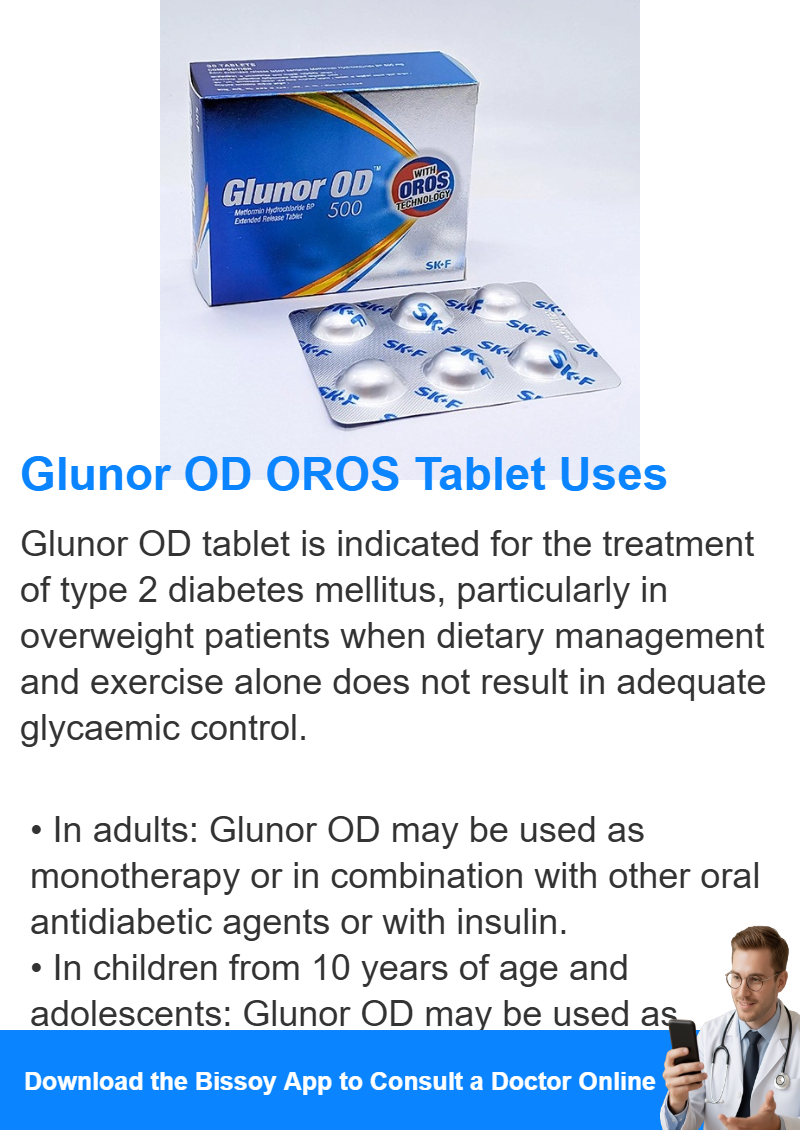
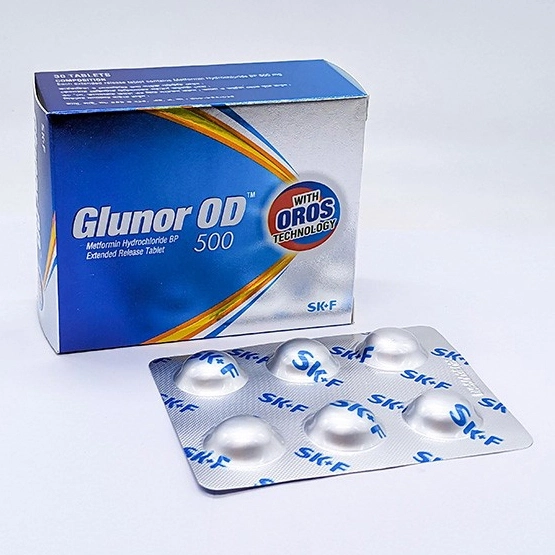
The extended-release form is indicated as an adjunct to diet and exercise to improve glycemic control in only adults with type 2 diabetes mellitus. Safety in children has not been determined to this date.
An extended-release combination product containing empagliflozin, linagliptin, and metformin was approved by the FDA in January 2020 for the improvement of glycemic control in adults with type 2 diabetes mellitus when used adjunctively with diet and exercise.
Associated Conditions
Pharmacodynamics
General effects
Insulin is an important hormone that regulates blood glucose levels . Type II diabetes is characterized by a decrease in sensitivity to insulin, resulting in eventual elevations in blood glucose when the pancreas can no longer compensate. In patients diagnosed with type 2 diabetes, insulin no longer exerts adequate effects on tissues and cells (called insulin resistance) and insulin deficiency may also be present .
Metformin reduces liver (hepatic) production of glucose, decreases the intestinal absorption of glucose, and enhances insulin sensitivity by increasing both peripheral glucose uptake and utilization. In contrast with drugs of the sulfonylurea class, which lead to hyperinsulinemia, the secretion of insulin is unchanged with metformin use .
Effect on fasting plasma glucose (FPG) and Glycosylated hemoglobin (HbA1c)
HbA1c is an important periodic measure of glycemic control that is used to monitor diabetic patients. Fasting plasma glucose is also a useful and important measure of glycemic control. In a 29-week clinical trial of subjects diagnosed with type II diabetes, metformin decreased the fasting plasma glucose levels by an average of 59 mg/dL from baseline, compared to an average increase of 6.3 mg/dL from baseline in subjects taking a placebo . Glycosylated hemoglobin (HbA1c) was decreased by about 1.4% in subjects receiving metformin, and increased by 0.4% in subjects receiving placebo only .
Mechanism of Action
Metformin's mechanisms of action are unique from other classes of oral antihyperglycemic drugs. Metformin decreases blood glucose levels by decreasing hepatic glucose production (gluconeogenesis), decreasing the intestinal absorption of glucose, and increasing insulin sensitivity by increasing peripheral glucose uptake and utilization . It is well established that metformin inhibits mitochondrial complex I activity, and it has since been generally postulated that its potent antidiabetic effects occur through this mechanism . The above processes lead to a decrease in blood glucose, managing type II diabetes and exerting positive effects on glycemic control.
After ingestion, the organic cation transporter-1 (OCT1) is responsible for the uptake of metformin into hepatocytes (liver cells). As this drug is positively charged, it accumulates in cells and in the mitochondria because of the membrane potentials across the plasma membrane as well as the mitochondrial inner membrane. Metformin inhibits mitochondrial complex I, preventing the production of mitochondrial ATP leading to increased cytoplasmic ADP:ATP and AMP:ATP ratios . These changes activate AMP-activated protein kinase (AMPK), an enzyme that plays an important role in the regulation of glucose metabolism . Aside from this mechanism, AMPK can be activated by a lysosomal mechanism involving other activators. Following this process, increases in AMP:ATP ratio also inhibit fructose-1,6-bisphosphatase enzyme, resulting in the inhibition of gluconeogenesis, while also inhibiting adenylate cyclase and decreasing the production of cyclic adenosine monophosphate (cAMP) , a derivative of ATP used for cell signaling . Activated AMPK phosphorylates two isoforms of acetyl-CoA carboxylase enzyme, thereby inhibiting fat synthesis and leading to fat oxidation, reducing hepatic lipid stores and increasing liver sensitivity to insulin .
In the intestines, metformin increases anaerobic glucose metabolism in enterocytes (intestinal cells), leading to reduced net glucose uptake and increased delivery of lactate to the liver. Recent studies have also implicated the gut as a primary site of action of metformin and suggest that the liver may not be as important for metformin action in patients with type 2 diabetes. Some of the ways metformin may play a role on the intestines is by promoting the metabolism of glucose by increasing glucagon-like peptide I (GLP-1) as well as increasing gut utilization of glucose .
In addition to the above pathway, the mechanism of action of metformin may be explained by other ways, and its exact mechanism of action has been under extensive study in recent years .
Absorption
Regular tablet absorption
The absolute bioavailability of a metformin 500 mg tablet administered in the fasting state is about 50%-60%. Single-dose clinical studies using oral doses of metformin 500 to 1500 mg and 850 to 2550 mg show that there is a lack of dose proportionality with an increase in metformin dose, attributed to decreased absorption rather than changes in elimination .
At usual clinical doses and dosing schedules of metformin, steady-state plasma concentrations of metformin are achieved within 24-48 hours and are normally measured at Label.
Extended-release tablet absorption
After a single oral dose of metformin extended-release, Cmax is reached with a median value of 7 hours and a range of between 4 and 8 hours. Peak plasma levels are measured to be about 20% lower compared to the same dose of regular metformin, however, the extent of absorption of both forms (as measured by area under the curve - AUC), are similar .
Effect of food
Food reduces the absorption of metformin, as demonstrated by about a 40% lower mean peak plasma concentration (Cmax), a 25% lower area under the plasma concentration versus time curve (AUC), and a 35-minute increase in time to peak plasma concentration (Tmax) after ingestion of an 850 mg tablet of metformin taken with food, compared to the same dose administered during fasting .
Though the extent of metformin absorption (measured by the area under the curve - AUC) from the metformin extended-release tablet is increased by about 50% when given with food, no effect of food on Cmax and Tmax of metformin is observed. High and low-fat meals exert similar effects on the pharmacokinetics of extended-release metformin .
Volume of Distribution
The apparent volume of distribution (V/F) of metformin after one oral dose of metformin 850 mg averaged at 654 ± 358 L .
Protein Binding
Metformin is negligibly bound to plasma proteins , in contrast to sulfonylureas, which are more than 90% protein bound .
Route of Elimination
This drug is substantially excreted by the kidney .
Renal clearance of metformin is about 3.5 times higher than creatinine clearance, which shows that renal tubular secretion is the major route of metformin elimination. After oral administration, about 90% of absorbed metformin is eliminated by the kidneys within the first 24 hours post-ingestion .
Half Life
Approximately 6.2 hours in the plasma and in the blood, the elimination half-life is approximately 17.6 hours, suggesting that the erythrocyte mass may be a compartment of distribution .
Clearance
Renal clearance is about 3.5 times greater than creatinine clearance, which indicates that tubular secretion is the major route of metformin elimination. Following oral administration, approximately 90% of the absorbed drug is eliminated via the renal route within the first 24 hours .
Toxicity
Metformin (hydrochloride) toxicity data:
Oral LD50 (rat): 1 g/kg; Intraperitoneal LD50 (rat): 500 mg/kg; Subcutaneous LD50 (rat): 300 mg/kg; Oral LD50 (mouse): 1450 mg/kg; Intraperitoneal LD50 (mouse): 420 mg/kg; Subcutaneous LD50 (mouse): 225 mg/kg .
A note on lactic acidosis
Metformin decreases liver uptake of lactate, thereby increasing lactate blood levels which may increase the risk of lactic acidosis . There have been reported postmarketing cases of metformin-associated lactic acidosis, including some fatal cases. Such cases had a subtle onset and were accompanied by nonspecific symptoms including malaise, myalgias, abdominal pain, respiratory distress, or increased somnolence. In certain cases, hypotension and resistant bradyarrhythmias have occurred with severe lactic acidosis . Metformin-associated lactic acidosis was characterized by elevated blood lactate concentrations (>5 mmol/L), anion gap acidosis (without evidence of ketonuria or ketonemia), as well as an increased lactate:pyruvate ratio; metformin plasma levels were generally >5 mcg/mL.
Risk factors for metformin-associated lactic acidosis include renal impairment, concomitant use of certain drugs (e.g. carbonic anhydrase inhibitors such as topiramate), age 65 years old or greater, having a radiological study with contrast, surgery and other procedures, hypoxic states (e.g., acute congestive heart failure), excessive alcohol intake, and hepatic impairment .
A note on renal function
In patients with decreased renal function, the plasma and blood half-life of metformin is prolonged and the renal clearance is decreased .
Metformin should be avoided in those with severely compromised renal function (creatinine clearance < 30 ml/min), acute/decompensated heart failure, severe liver disease and for 48 hours after the use of iodinated contrast dyes due to the risk of lactic acidosis . Lower doses should be used in the elderly and those with decreased renal function. Metformin decreases fasting plasma glucose, postprandial blood glucose and glycosolated hemoglobin (HbA1c) levels, which are reflective of the last 8-10 weeks of glucose control. Metformin may also have a positive effect on lipid levels.
A note on hypoglycemia
When used alone, metformin does not cause hypoglycemia, however, it may potentiate the hypoglycemic effects of sulfonylureas and insulin when they are used together .
Use in pregnancy
Available data from post-marketing studies have not indicated a clear association of metformin with major birth defects, miscarriage, or adverse maternal or fetal outcomes when metformin was ingested during pregnancy. Despite this, the abovementioned studies cannot definitively establish the absence of any metformin-associated risk due to methodological limitations, including small sample size and inconsistent study groups .
Use in nursing
A limited number of published studies indicate that metformin is present in human milk. There is insufficient information to confirm the effects of metformin on the nursing infant and no available data on the effects of metformin on the production of milk. The developmental and health benefits of breastfeeding should be considered as well as the mother’s clinical need for metformin and any possible adverse effects on the nursing child .
Food Interactions
- Avoid alcohol.
- Take with food. Food reduces irritation.
Dosage
- Adult: The usual starting dose of Metformin is 500 mg twice a day or 850 mg once a day, given with meals. Dosage increases should be made in increments of 500 mg weekly or 850 mg every 2 weeks, up to a total of 2000 mg per day, given in divided doses. For those patients requiring additional glycemic control, Glucomin may be given to a maximum daily dose of 2550 mg per day. Doses above 2000 mg may be better tolerated given three times a day with meals.
- Children: The usual starting dose of Metformin is 500 mg twice a day, given with meals. Dosage increases should be made in increments of 500 mg weekly up to a maximum of 2000 mg per day, given in divided doses.
- Adult: The usual starting dose of Metformin XR is 500 mg once daily with the evening meal. Dose should be increased in increments of 500 mg weekly, up to a maximum of 2000 mg once daily with the evening meal, alternatively increased to 1000 mg twice daily taken with meal. Patient receiving Metformin immediate release tablet may be switched to Metformin extended release tablet up to a maximum recommended daily dose.
- Children: Metformin extended release tablet has not been studied in children.
- Renal impaired patient: Do not use Metformin in patients with eGFR below 30 mL/min/1.73 m2. Asses risk/benefit of counting if eGFR falls below 45 mL/min/1.73 m2.