Introduction
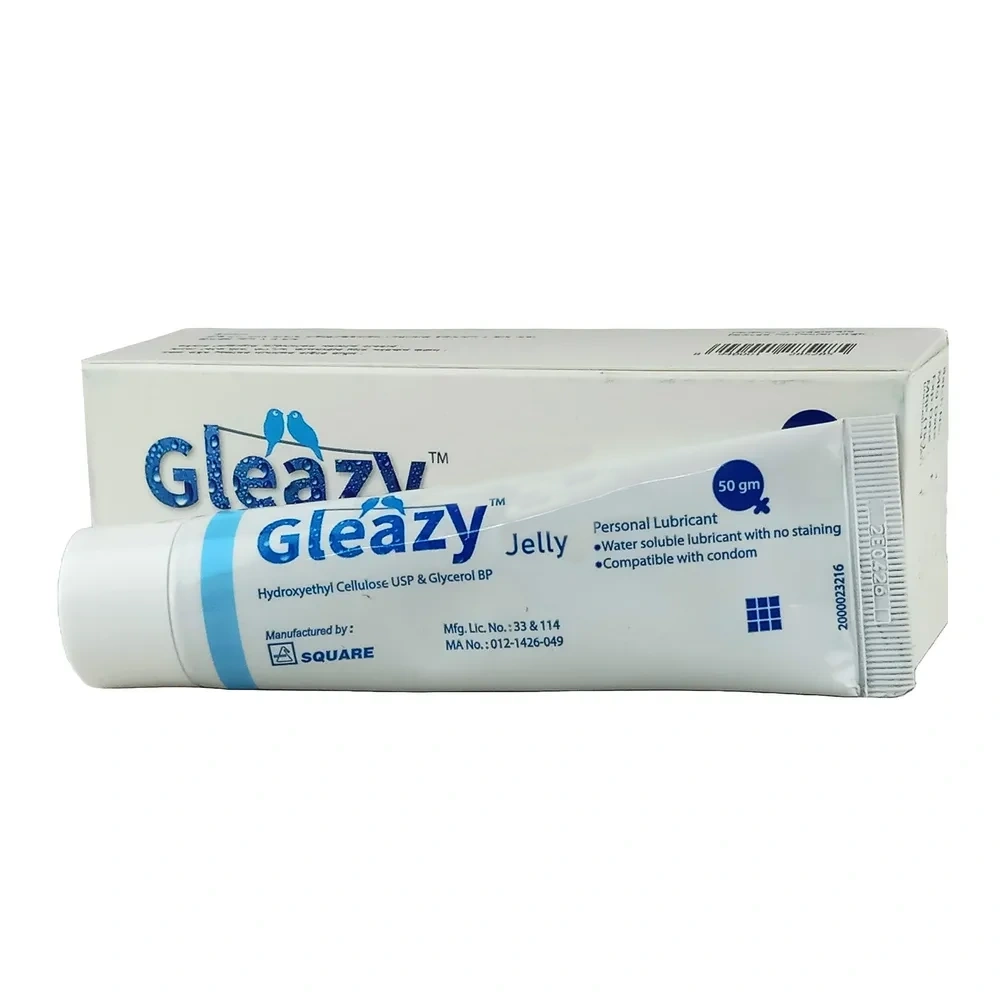
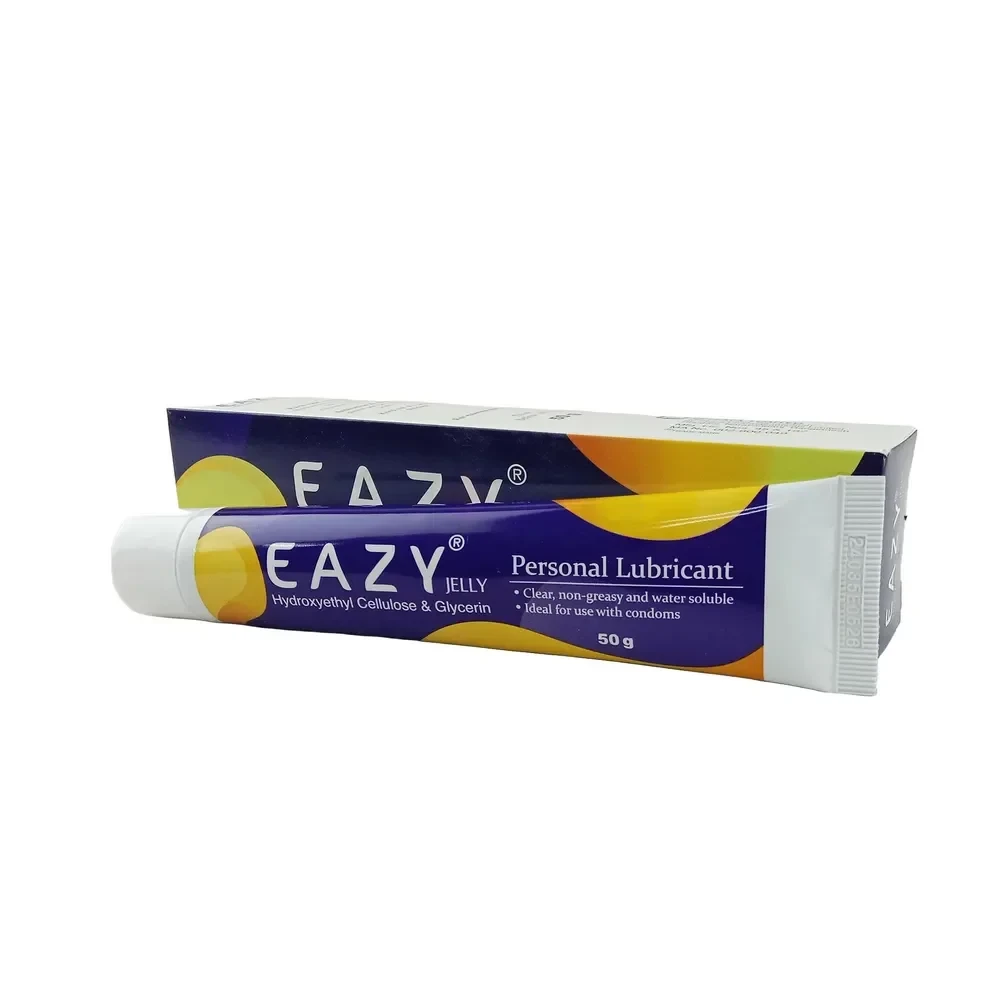
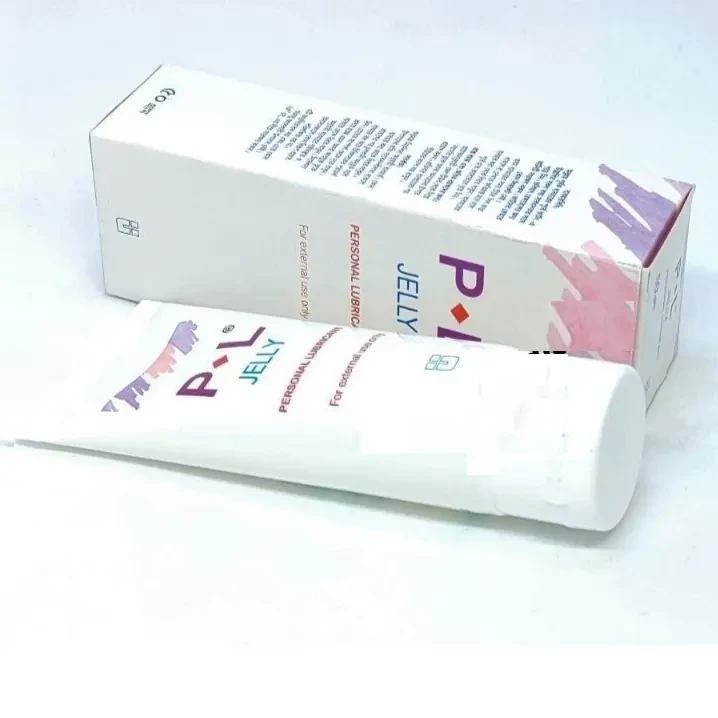
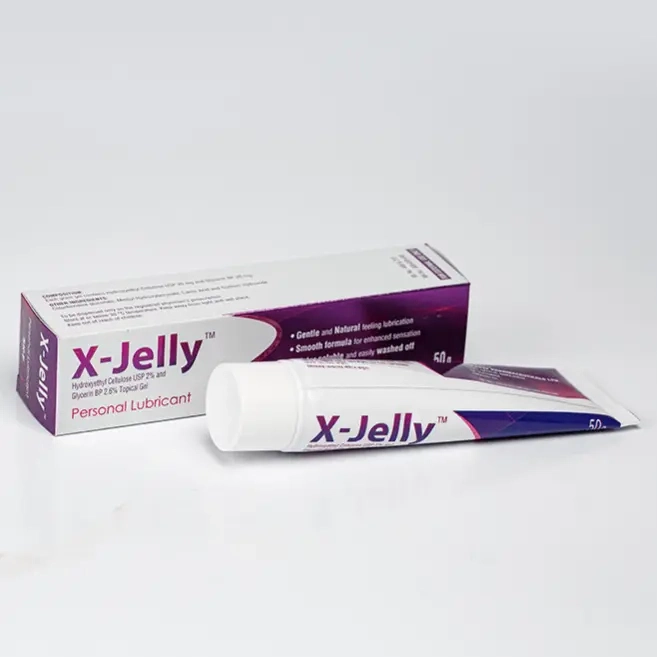
Hydroxyethyl Cellulose (HEC) and Glycerin are commonly combined in various topical formulations. Hydroxyethyl Cellulose is a cellulose derivative used as a thickening agent, stabilizer, and film-forming agent. Glycerin is a humectant that attracts moisture and helps maintain hydration. Together, they are used in products such as eye drops, moisturizers, and other topical treatments.
Uses
The combination of Hydroxyethyl Cellulose and Glycerin is used for:
- Eye Care: In artificial tear solutions to lubricate and relieve dry eyes.
- Skin Care: In moisturizers and creams to hydrate and protect the skin, especially in cases of dry or sensitive skin.
- Wound Care: In certain topical formulations to maintain moisture and promote healing.
Mechanism of Action
Hydroxyethyl Cellulose acts as a thickening and stabilizing agent that forms a protective film over the surface it is applied to. Glycerin, as a humectant, attracts and retains moisture, preventing dehydration of the skin or eyes. In eye care, HEC helps to maintain the viscosity and stability of the solution, while Glycerin provides lubrication and moisture.
How Long Does It Take to Work?
In eye care products, relief from dryness can be almost immediate upon application, with effects lasting for several hours. In skin care products, improvements in hydration and skin softness are typically noticeable within a few applications, with more significant benefits over longer-term use.
Absorption
Hydroxyethyl Cellulose is not absorbed systemically when used topically; it acts locally on the surface it is applied to. Glycerin is also minimally absorbed through the skin but acts primarily at the site of application to draw moisture into the skin or eyes.
Route of Elimination
Since Hydroxyethyl Cellulose and Glycerin are not significantly absorbed systemically when used topically, there is minimal systemic elimination. Glycerin, if absorbed, is metabolized and excreted primarily through the urine.
Dosage
Apply as required.The dosage and concentration of Hydroxyethyl Cellulose and Glycerin vary depending on the formulation and intended use:
- Eye Drops: Typically contain Hydroxyethyl Cellulose in concentrations of 0.5% to 1.0% and Glycerin in concentrations of 0.5% to 1.0%.
- Skin Care Products: Often contain Hydroxyethyl Cellulose at concentrations of 1% to 5% and Glycerin at concentrations of 2% to 10%.
- Wound Care: Formulations may vary, but typically include Hydroxyethyl Cellulose and Glycerin in appropriate concentrations to maintain moisture and facilitate healing.
Administration
Hydroxyethyl Cellulose and Glycerin are used topically. For eye drops, instill the prescribed number of drops into the eye, avoiding contact with the eye surface or eyelids. For skin care products, apply a thin layer to the affected area as directed. For wound care, apply according to the specific instructions provided with the product.
Side Effects
Generally, Hydroxyethyl Cellulose and Glycerin are well-tolerated. Possible side effects may include:
- Eye irritation or discomfort (with eye drops)
- Skin irritation or allergic reactions (with skin care products)
- Rarely, excessive use may cause a feeling of stickiness or greasiness.
Toxicity
Hydroxyethyl Cellulose and Glycerin have low toxicity when used topically. Overuse or excessive application can cause localized irritation but is unlikely to result in systemic toxicity.
Precautions
Ensure that the product is used according to the instructions to avoid potential irritation. For eye care products, avoid touching the dropper to the eye or other surfaces. For skin care products, perform a patch test if there is a history of sensitive skin or allergies.
Interaction
Interactions are minimal due to the local application of these ingredients. However, combining with other topical treatments should be done cautiously to avoid overlapping effects or potential skin reactions.
Disease Interaction
In patients with severe skin conditions or eye infections, consult a healthcare provider before use. Avoid use on open wounds or broken skin unless specified in the product instructions.
Drug Interaction
Drug interactions are unlikely with topical use of Hydroxyethyl Cellulose and Glycerin. If used in combination with other topical treatments, it is advisable to monitor for potential interactions or adverse effects.
Food Interactions
There are no significant food interactions reported with Hydroxyethyl Cellulose and Glycerin. They can be used in topical formulations regardless of food intake.
Pregnancy Use
Hydroxyethyl Cellulose and Glycerin are generally considered safe for use during pregnancy when applied topically. However, consult a healthcare provider to ensure their suitability for individual needs and conditions.
Lactation Use
Both ingredients are considered safe for use during lactation when applied topically. Ensure that products used on the skin or eyes do not come into direct contact with the infant.
Acute Overdose
Acute overdose is unlikely with topical use. In cases of excessive application, discontinue use and consult a healthcare provider if irritation or adverse effects occur.
Contraindication
Contraindications include hypersensitivity to Hydroxyethyl Cellulose, Glycerin, or any other components of the formulation. Avoid use on open wounds or broken skin unless specifically indicated.
Use Direction
Follow the specific directions provided with the product for application. For eye drops, use the prescribed number of drops per eye as directed. For skin care products, apply a thin layer to clean, dry skin as needed. For wound care, apply as instructed to maintain moisture and promote healing.
Storage Conditions
Store in a cool, dry place at room temperature, away from direct sunlight and moisture. Keep out of reach of children. Follow specific storage instructions provided with the product.
Volume of Distribution
The volume of distribution for Hydroxyethyl Cellulose and Glycerin is minimal due to their local application. They act primarily at the site of application with minimal systemic absorption.
Half Life
The half-life is not typically applicable for topical formulations of Hydroxyethyl Cellulose and Glycerin due to their local action. They are not significantly absorbed into the systemic circulation.
Clearance
Hydroxyethyl Cellulose and Glycerin are cleared locally from the application site. Any systemic absorption of Glycerin is metabolized and excreted primarily through the urine.