Introduction
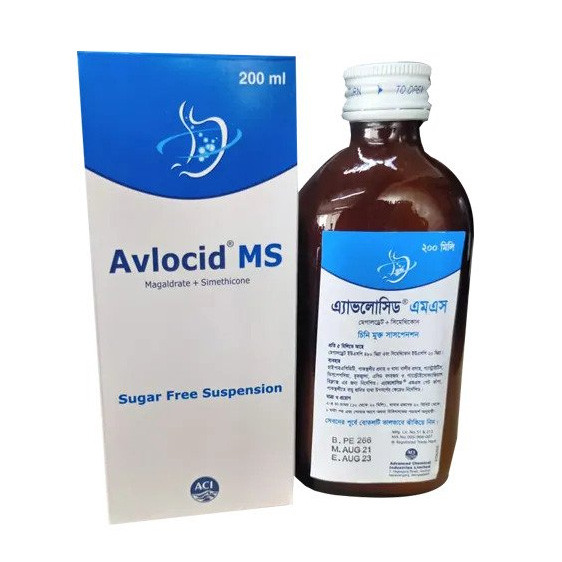
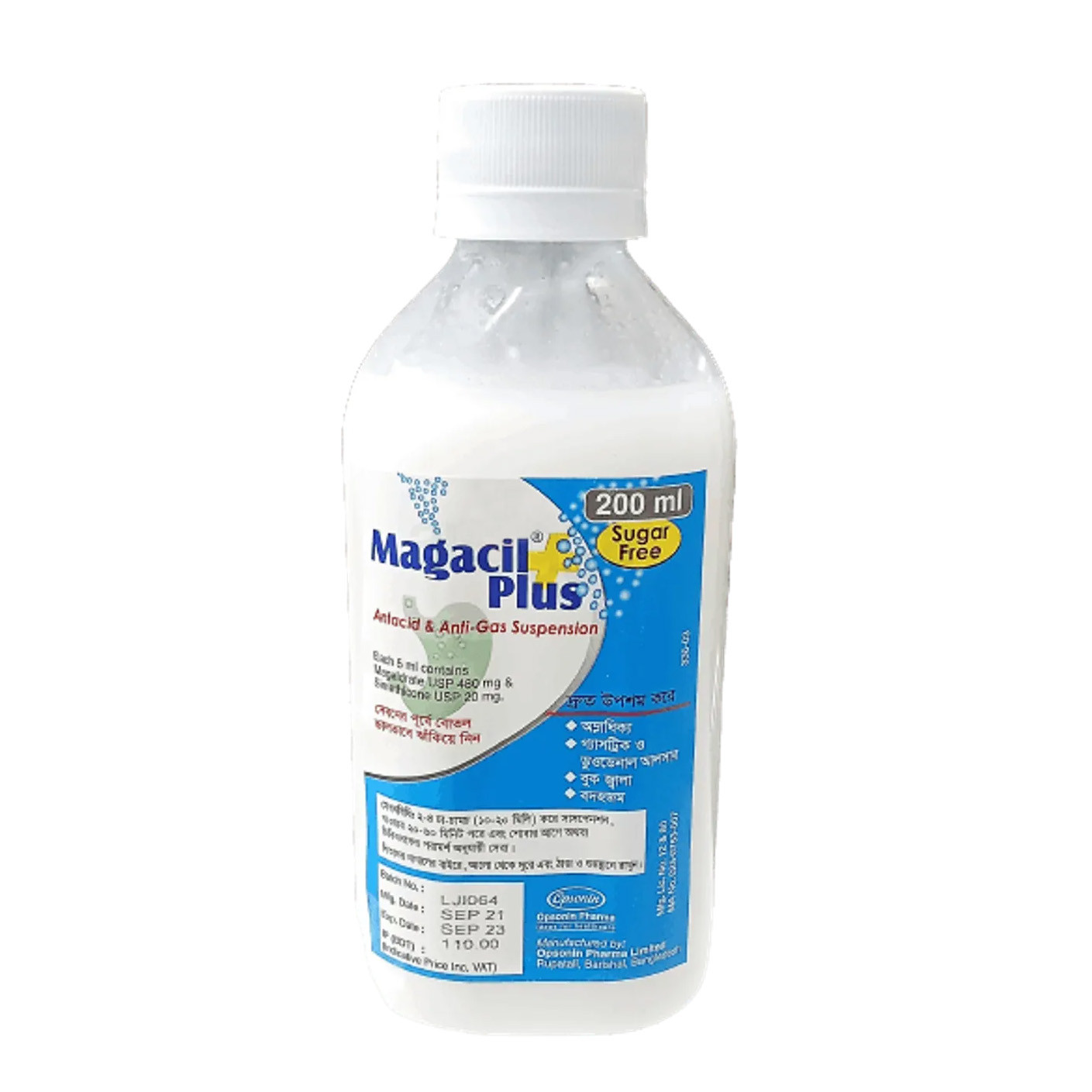
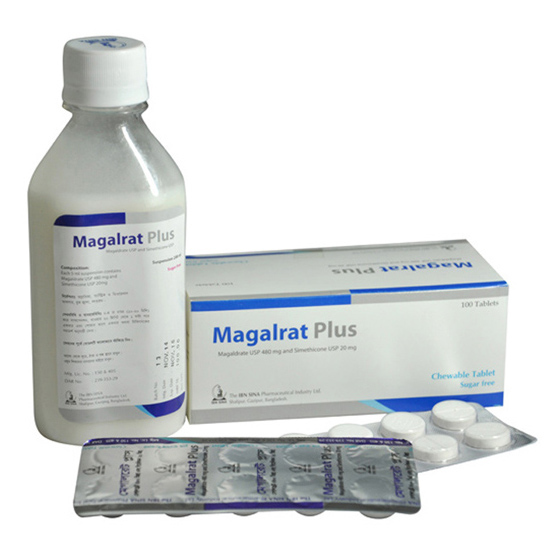
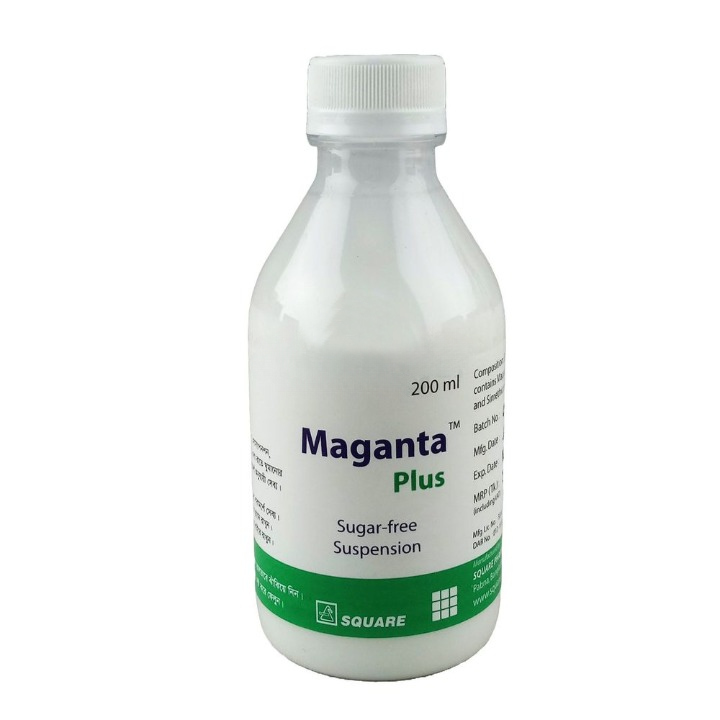
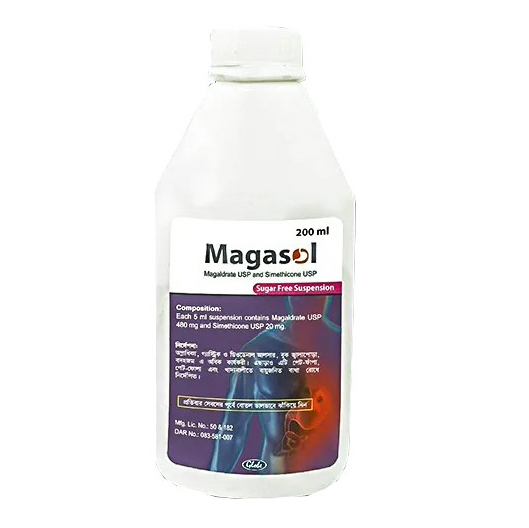
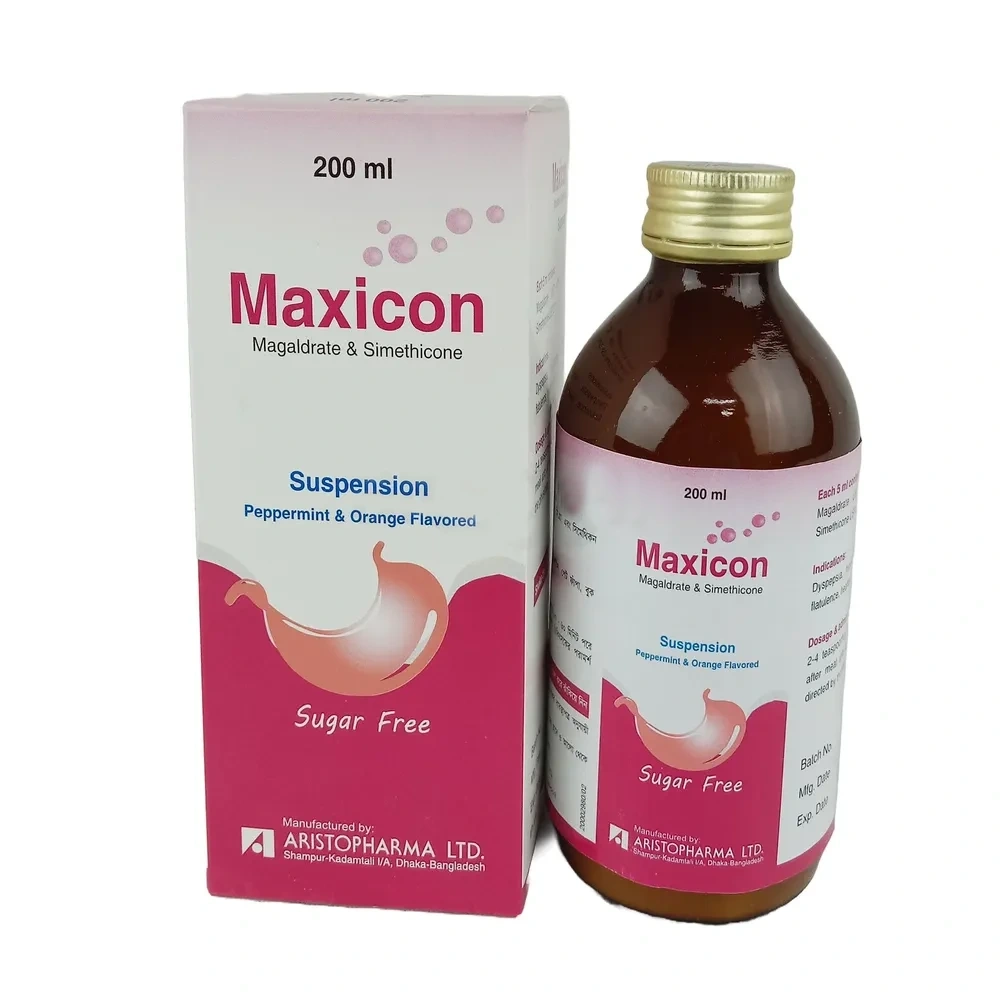
Magaldrate and Simethicone are combined in an over-the-counter medication used to relieve symptoms of indigestion, heartburn, and bloating. Magaldrate is an antacid that neutralizes stomach acid, while Simethicone is an anti-foaming agent that reduces gas bubbles in the digestive tract.
Uses
The combination of Magaldrate and Simethicone is used to treat:
- Heartburn and acid indigestion
- Bloating and discomfort caused by excess gas
- Gastric distress associated with overeating or consuming spicy foods
Mechanism of Action
Magaldrate acts as an antacid by neutralizing stomach acid, thereby reducing acidity in the stomach and upper gastrointestinal tract. This alleviates the symptoms of heartburn and indigestion. Simethicone works by reducing the surface tension of gas bubbles, causing them to coalesce and be more easily expelled from the digestive tract, which helps relieve bloating and discomfort.
How Long Does It Take to Work?
Magaldrate begins to neutralize stomach acid almost immediately after ingestion, providing rapid relief from heartburn and acid indigestion. Simethicone works within 30 minutes to 1 hour to alleviate bloating and gas discomfort. Combined, the effects are generally felt within an hour of taking the medication.
Absorption
Magaldrate does not significantly absorb into the bloodstream; it acts locally in the stomach. Simethicone also has minimal systemic absorption as it primarily acts in the gastrointestinal tract. Both components work locally rather than systemically.
Route of Elimination
Magaldrate is eliminated primarily through the feces as it remains in the gastrointestinal tract. Simethicone is also excreted in the feces after its action in the digestive tract. Both substances are not significantly metabolized or absorbed into the systemic circulation.
Dosage
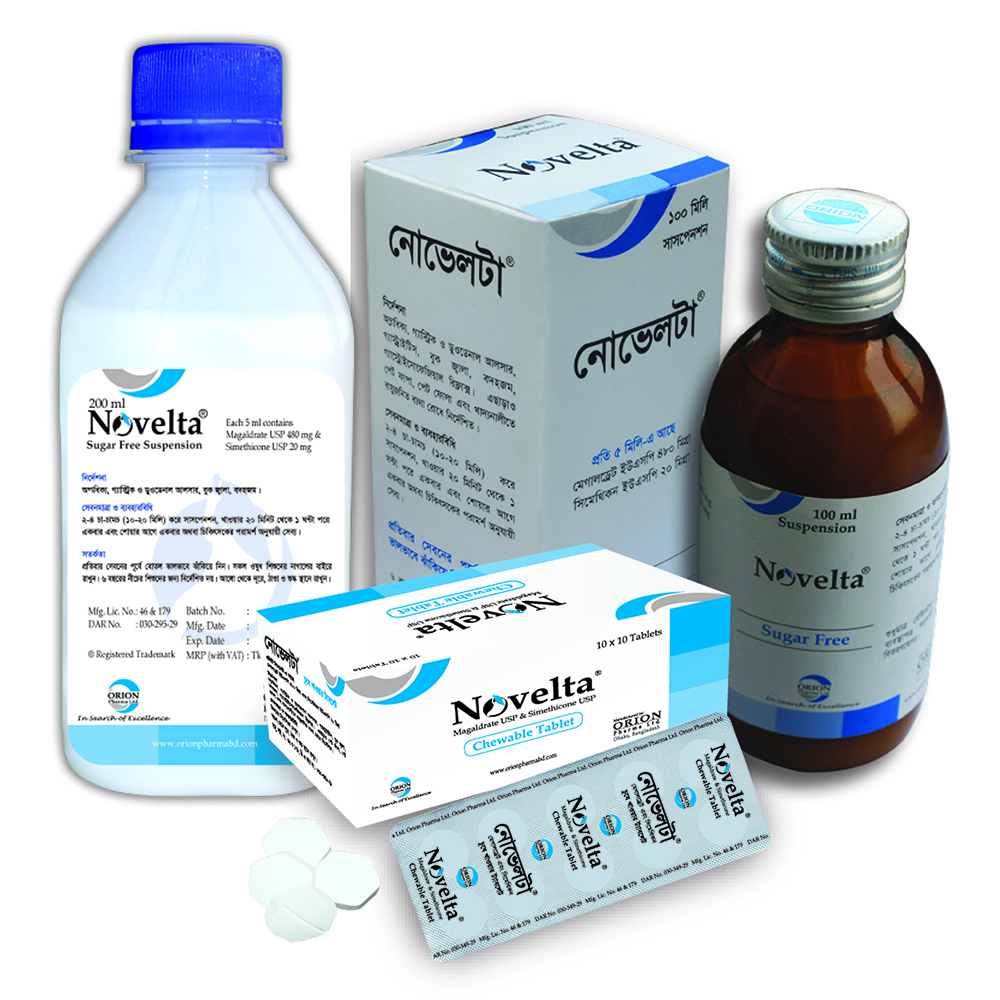
Tablet: 1-4 chewable tablets, 20 to 60 minutes after meals and at bedtime, or as directed by the physician.Suspension: 2-4 teaspoonfuls (10-20 ml) of suspension, 20 to 60 minutes after meals and at bed time, or as directed by the physician.
The typical dosage for Magaldrate and Simethicone combination products is:
- Adults: 1 to 2 tablets or 10 to 20 mL of suspension taken after meals and at bedtime, usually up to 4 times daily, or as directed by a physician.
- Children: Dosage should be determined by a healthcare provider, based on the child’s age and weight.
Administration
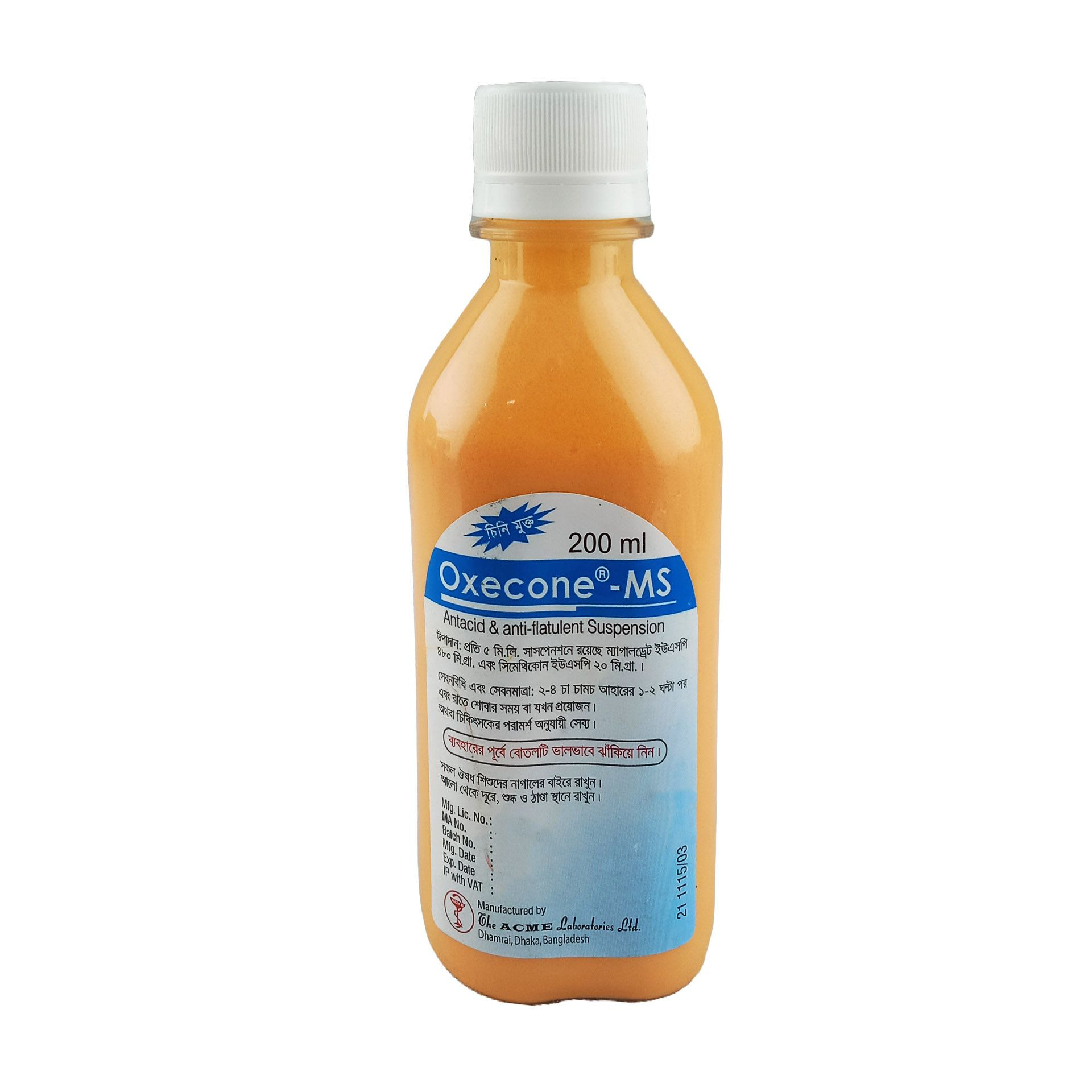
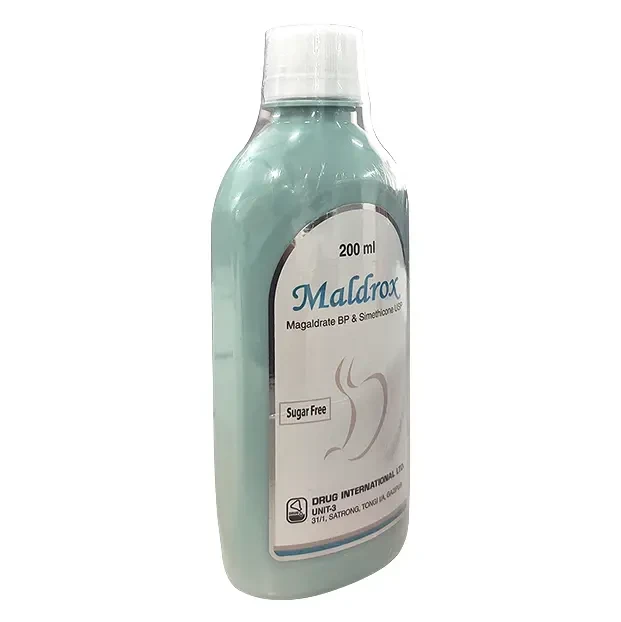
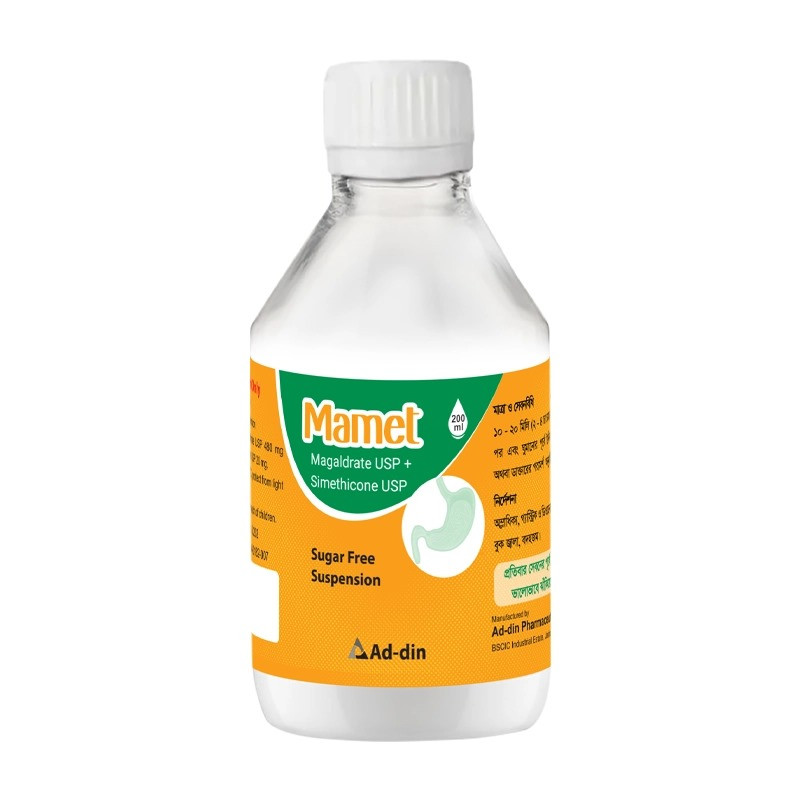
Magaldrate and Simethicone are available in various forms, including chewable tablets, suspension (liquid), and soft gels. Administration typically involves:
- Chewable tablets: Chew thoroughly before swallowing.
- Suspension: Shake well before use and measure the dose with the provided dosing cup.
- Soft gels: Swallow whole with water.
Side Effects
Common side effects include:
- Constipation (due to Magaldrate)
- Diarrhea (due to the laxative effects of some antacids)
- Temporary changes in bowel movements
- Stomach cramps or discomfort
Toxicity
Magaldrate and Simethicone have a low risk of toxicity when used as directed. Overuse or excessive doses may lead to gastrointestinal disturbances such as severe constipation or diarrhea. Chronic overuse of antacids like Magaldrate could potentially lead to imbalances in electrolytes or metabolic alkalosis.
Precautions
Precautions should be taken in individuals with:
- Kidney disease, as antacids can affect electrolyte balance
- Abdominal pain of unknown origin
- Ongoing use of other medications that may interact with antacids or anti-gas medications
Interaction
Magaldrate can interact with certain medications by altering the pH of the stomach or affecting their absorption. It may reduce the effectiveness of:
- Antibiotics (e.g., tetracyclines)
- Other medications that require an acidic environment for proper absorption
Disease Interaction
Caution is advised in patients with:
- Chronic kidney disease, as antacids may affect electrolyte balance and exacerbate renal issues
- Gastrointestinal conditions, such as peptic ulcer disease or gastrointestinal bleeding, where antacids could mask symptoms or affect treatment
Drug Interaction
Magaldrate can interact with:
- Medications requiring an acidic environment for absorption, such as certain antibiotics and antifungals
- Medications that alter electrolyte balance or pH
Food Interactions
No specific food interactions have been noted with Magaldrate and Simethicone. However, it is generally recommended to avoid excessive consumption of foods that may exacerbate indigestion or gas, such as fatty, spicy, or carbonated foods.
Pregnancy Use
Magaldrate and Simethicone are classified as pregnancy category A for antacids, meaning they are generally considered safe for use during pregnancy. However, it is always advisable to consult a healthcare provider before using any medication during pregnancy.
Lactation Use
Magaldrate and Simethicone are considered safe for use during breastfeeding, as they are minimally absorbed into the systemic circulation. It is still recommended to consult a healthcare provider before using these medications while breastfeeding.
Acute Overdose
Acute overdose of Magaldrate and Simethicone is unlikely but could lead to gastrointestinal disturbances such as severe constipation or diarrhea. Treatment involves symptomatic management and discontinuation of the medication. In severe cases, medical evaluation may be required.
Contraindication
Magaldrate and Simethicone are contraindicated in:
- Patients with known hypersensitivity to any component of the medication
- Patients with severe kidney disease or electrolyte imbalances without medical supervision
Use Direction
Magaldrate and Simethicone should be used as follows:
- Take 1 to 2 tablets or 10 to 20 mL of suspension after meals and at bedtime, as directed by a physician.
- Do not exceed the recommended dosage or frequency.
- For the best results, follow the dosage instructions provided on the product label or by a healthcare professional.
Storage Conditions
Magaldrate and Simethicone should be stored at room temperature (15-30°C or 59-86°F), away from light and moisture. Keep the product tightly closed and out of reach of children. Do not freeze.
Volume of Distribution
The volume of distribution for Magaldrate and Simethicone is not well-defined due to their local action and minimal systemic absorption.
Half-Life
Magaldrate and Simethicone do not have a defined half-life as they are not significantly absorbed into the bloodstream. Their effects are localized within the gastrointestinal tract.
Clearance
Magaldrate and Simethicone are cleared primarily through the feces after their action in the gastrointestinal tract. Systemic clearance is minimal due to their low absorption into the systemic circulation.