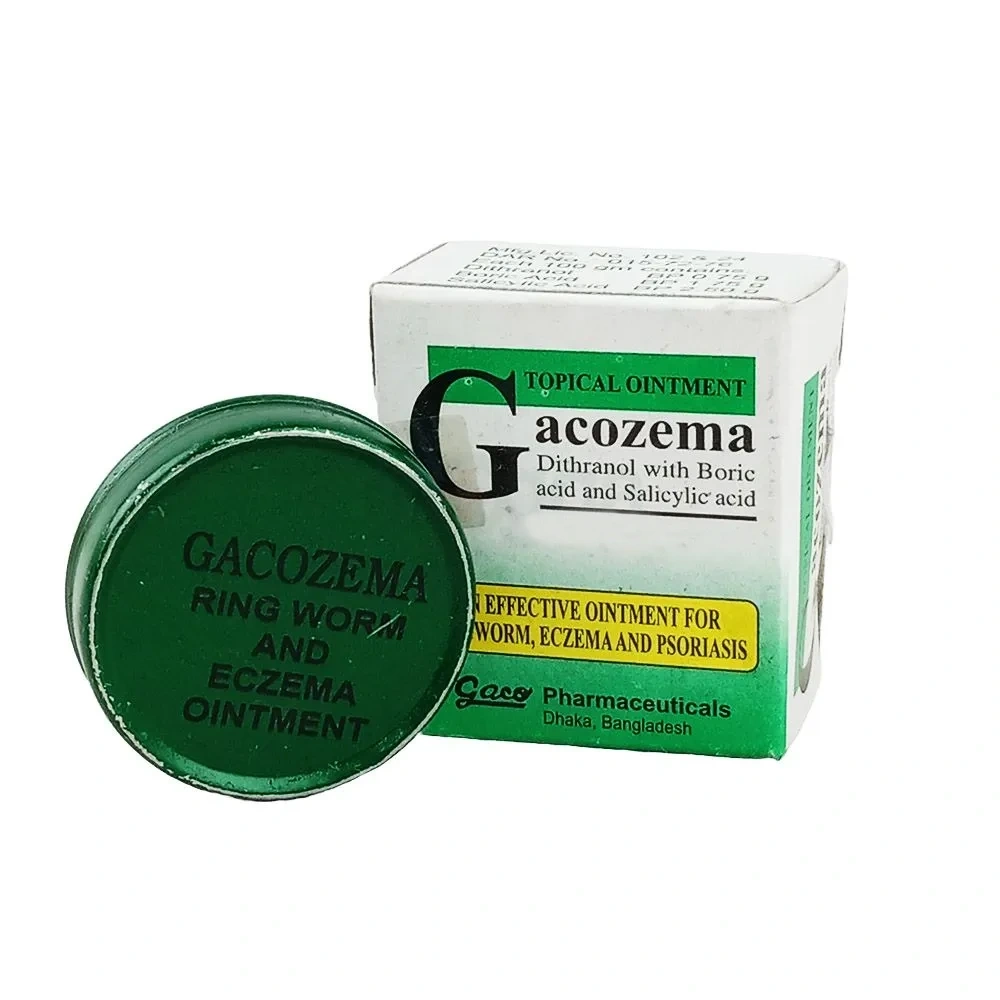
Introduction
Dithranol, boric acid, and salicylic acid are combined in a topical formulation used primarily for the treatment of psoriasis. Each component contributes to the overall effectiveness of the treatment by targeting different aspects of the condition.
Uses
The combination of dithranol, boric acid, and salicylic acid is used to:
- Treat psoriasis by reducing inflammation, scaling, and plaque formation on the skin.
- Relieve symptoms such as itching, redness, and discomfort associated with psoriasis.
- Enhance the effectiveness of other topical treatments for psoriasis.
Mechanism of Action
The components work synergistically to manage psoriasis:
- Dithranol
- Boric Acid
- Salicylic Acid
- Boric Acid
How Long Does It Take to Work?
Improvement in psoriasis symptoms may be observed within 1 to 2 weeks of starting treatment. However, optimal results usually take several weeks of consistent application. Full benefits may require ongoing treatment over a longer period.
Absorption
The formulation is applied topically, and the active ingredients are absorbed through the skin. The absorption rate is influenced by the condition of the skin and the area of application. Dithranol and salicylic acid penetrate the skin layers to exert their effects, while boric acid remains primarily on the surface to exert its antiseptic properties.
Route of Elimination
Topical application minimizes systemic absorption, and the components are primarily eliminated through the skin or by being washed away. Minimal systemic absorption occurs, so elimination is largely through the skin and the surface layer.
Dosage
- ক্ষতস্থান গরম পানিতে খুব ভাল করে ধুয়ে ফেলুন।
- তারপর শুকনো ক্ষতস্থানে অল্প পরিমাণে মলম লাগিয়ে দিন (ক্ষতের বাইরে লাগাবেন না)।
- মলম দিনে একবার, প্রয়োজনবোধে বা চিকিৎসকের পরামর্শ অনুসারে দুইবার ক্ষত না সারা পর্যন্ত নিয়মিতভাবে ব্যবহার করুন।
- ক্ষত সেরে যাবার পর সম্পূর্ণভাবে আরোগ্য হওয়ার জন্য ৩-৪ দিন পর্যন্ত সামান্য পরিমাণ ব্যবহার করুন।
The dosage is generally individualized based on the severity of psoriasis and the patient’s response to treatment. Typical use involves applying a thin layer of the preparation to the affected areas once or twice daily. The frequency and duration of application should be adjusted based on clinical response and tolerability.
Administration
The combination is administered topically. Apply a thin layer to the affected areas of the skin, usually once or twice daily. The application should be done on clean, dry skin, and the area should be left uncovered unless otherwise directed. Avoid contact with sensitive areas such as the eyes and mucous membranes.
Side Effects
Possible side effects include:
- Skin irritation or redness.
- Dryness or peeling of the skin.
- Localized burning or stinging sensation.
- Increased sensitivity of the skin.
Toxicity
Systemic toxicity is unlikely with proper topical use. However, excessive or prolonged use can lead to skin irritation or sensitization. In case of accidental ingestion or misuse, consult a healthcare provider for guidance.
Precautions
Precautions include:
- Do not apply to broken or inflamed skin.
- Avoid contact with eyes and mucous membranes.
- Discontinue use if severe irritation occurs and consult a healthcare provider.
- Use with caution in individuals with sensitive skin.
Interaction
Interactions with other topical treatments or systemic medications are generally minimal. However, it is advisable to consult a healthcare provider if using other topical agents to avoid potential interactions or increased irritation.
Disease Interaction
Special caution should be exercised in individuals with other skin conditions or infections. The formulation should not be used if there is active infection or open wounds in the application area.
Drug Interaction
There are no significant drug interactions reported with this topical combination. However, concurrent use of other topical treatments should be monitored to prevent excessive skin irritation.
Food Interactions
There are no known food interactions with this topical formulation. Normal dietary habits can be maintained.
Pregnancy Use
The safety of using this combination during pregnancy has not been well established. It is advisable to use it only if clearly needed and after consulting with a healthcare provider to assess potential risks and benefits.
Lactation Use
The safety of this combination during lactation is not well documented. It is recommended to use it with caution and consult a healthcare provider, especially if applying the treatment to areas that may come into contact with the infant.
Acute Overdose
Acute overdose is unlikely with topical application. If accidental ingestion or excessive application occurs, consult a healthcare provider immediately for appropriate advice.
Contraindication
Contraindications include:
- Known hypersensitivity to any component of the formulation.
- Application to open wounds or broken skin.
Use Direction
Apply a thin layer to affected areas once or twice daily as directed by a healthcare provider. Avoid over-application and contact with sensitive areas. Monitor the skin for adverse reactions and adjust usage as needed.
Storage Conditions
Store in a cool, dry place away from direct sunlight. Keep the container tightly closed and out of reach of children. Follow specific storage instructions provided with the product.
Volume of Distribution
The volume of distribution is not applicable to topical formulations as they primarily act locally at the application site rather than being distributed throughout the body.
Half Life
The half-life of the individual components is not directly relevant for topical formulations. The active effects of the formulation are related to its continuous application rather than systemic pharmacokinetics.
Clearance
Clearance is mainly through the skin and local metabolism. The components are not significantly systemically absorbed, so their clearance is related to the removal from the skin surface and degradation at the site of application.