Introduction
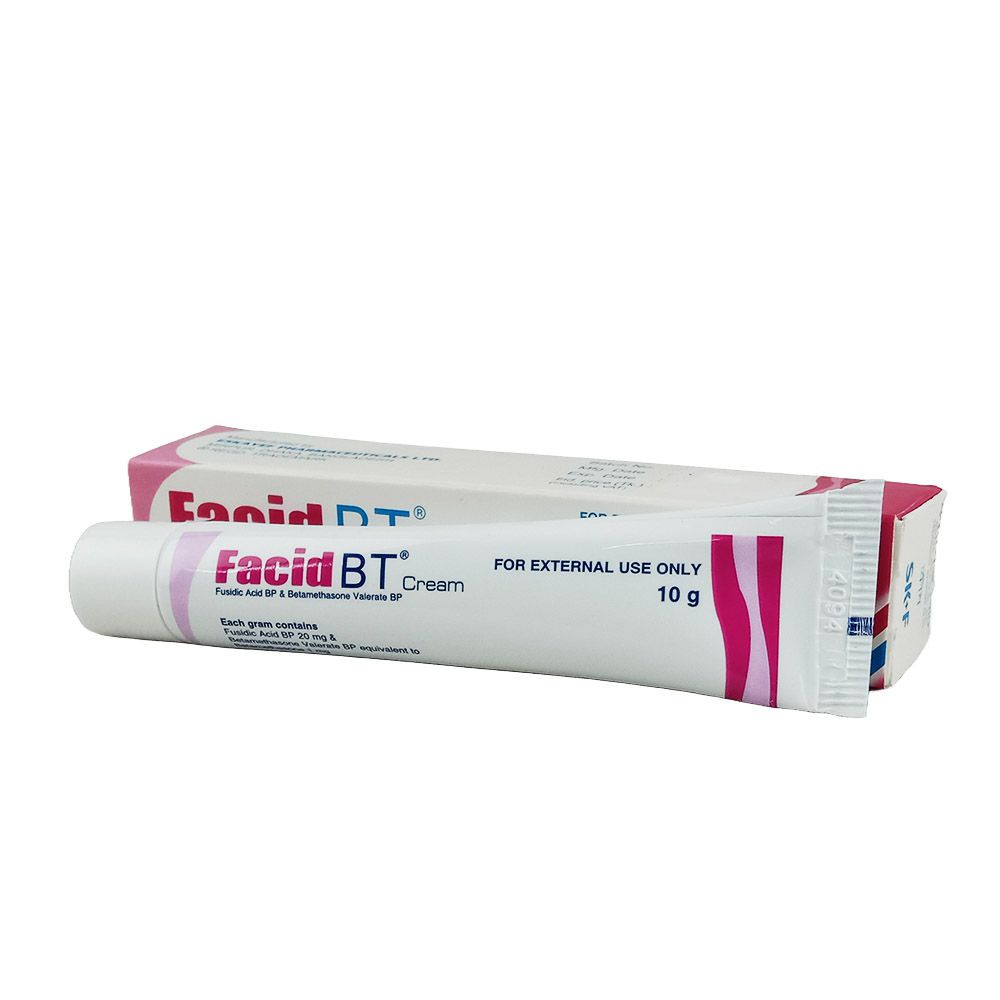
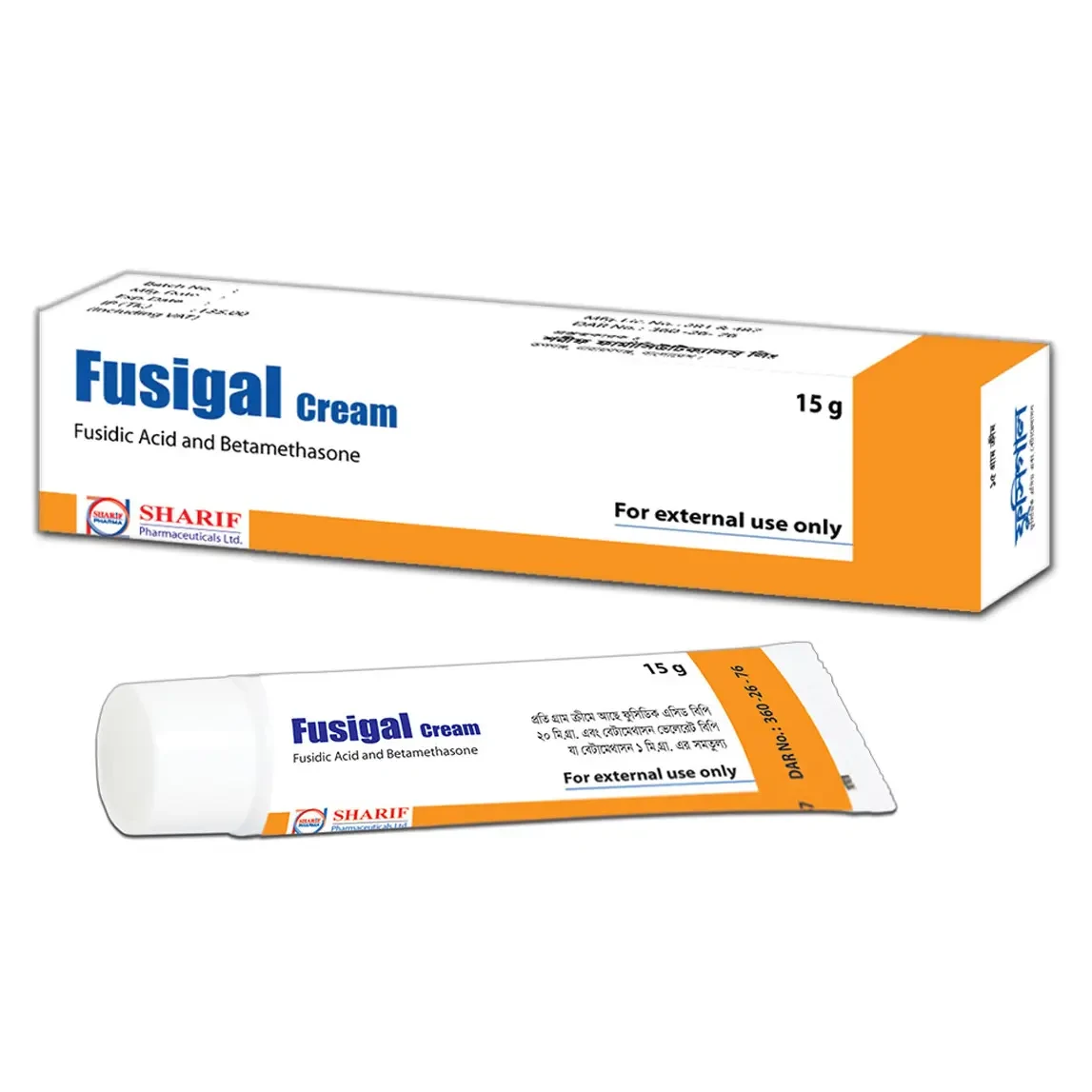
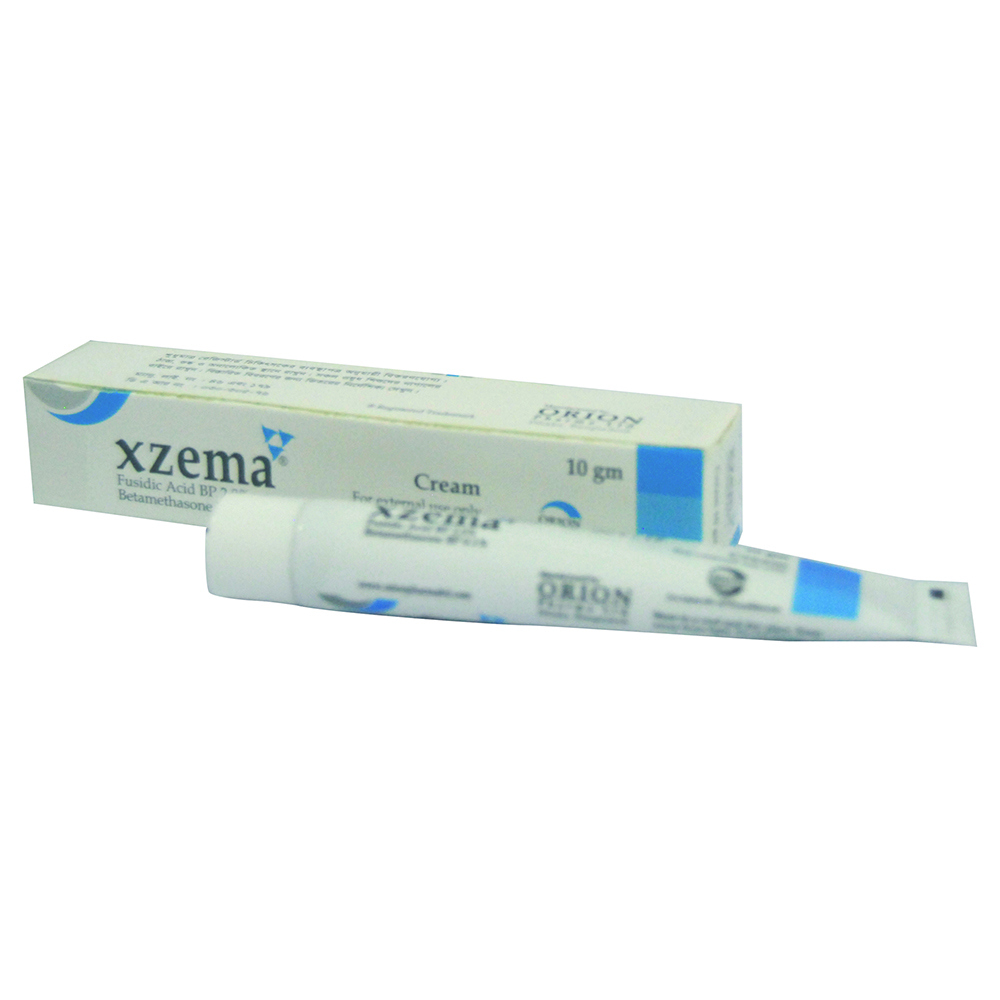
Fucidic acid and betamethasone are combined in topical formulations to treat various skin conditions. Fucidic acid is an antibiotic with antibacterial properties, while betamethasone is a corticosteroid that reduces inflammation. This combination is used to address infections that are accompanied by inflammation.
Uses
The combination of fucidic acid and betamethasone is used for:
- Treatment of Bacterial Skin Infections: Effective for treating infections caused by susceptible bacteria, such as impetigo or infected dermatitis.
- Reduction of Inflammation: Betamethasone helps reduce inflammation, itching, and redness associated with skin conditions like eczema, psoriasis, and dermatitis.
Mechanism of Action
Fucidic acid works by inhibiting bacterial protein synthesis, effectively stopping the growth of bacteria. Betamethasone acts as an anti-inflammatory by suppressing the immune response and reducing the release of inflammatory mediators, thereby alleviating symptoms like redness, itching, and swelling.
How Long Does It Take to Work?
Typically, improvements in symptoms can be seen within a few days of application. The antibiotic effect of fucidic acid and the anti-inflammatory effect of betamethasone usually start to take effect within 24 to 48 hours, but full resolution of symptoms may take longer depending on the severity of the condition.
Absorption
When applied topically, fucidic acid and betamethasone are minimally absorbed into the systemic circulation. They primarily act locally at the site of application. However, betamethasone can be absorbed through broken or inflamed skin, potentially leading to systemic effects if used excessively.
Route of Elimination
Fucidic acid is primarily eliminated through the feces, as it acts locally within the gastrointestinal tract and is minimally absorbed. Betamethasone, when absorbed systemically, is metabolized in the liver and excreted through the urine.
Dosage
The dosage and frequency of application depend on the specific formulation and clinical indication:
- Topical Cream/Ointment: Typically applied to the affected area 1 to 3 times daily, or as directed by a healthcare provider. The amount and frequency should be tailored to the severity of the condition and the product instructions.
Administration
Apply a thin layer of the cream or ointment to the affected area of the skin, gently rubbing it in until fully absorbed. Avoid applying to large areas of skin, broken skin, or the face unless directed by a healthcare provider. Wash hands after application to prevent accidental contact with the eyes or other sensitive areas.
Side Effects
Common side effects may include:
- Localized skin irritation or burning
- Dryness or peeling of the skin
- Allergic reactions such as rash or itching
Toxicity
Topical toxicity is rare but can occur with excessive use or application on large areas of the body. Symptoms of toxicity may include severe skin irritation, systemic effects of corticosteroids, or allergic reactions. Discontinue use and consult a healthcare provider if adverse effects occur.
Precautions
Use with caution in individuals with sensitive skin, pre-existing skin conditions, or those who are pregnant or breastfeeding. Avoid applying to broken or infected skin unless specifically directed. Monitor for signs of adverse reactions, especially with prolonged use.
Interaction
Interactions are minimal with topical application. However, combining with other topical medications should be done cautiously to avoid potential interactions or overlapping effects. Consult a healthcare provider if using other treatments simultaneously.
Disease Interaction
Use cautiously in individuals with a history of skin infections, fungal infections, or other dermatological conditions. Monitor for signs of worsening of skin conditions or secondary infections.
Drug Interaction
Topical interactions are minimal. However, be cautious when using with other systemic corticosteroids or medications that affect the immune system. Monitor for potential interactions if systemic medications are used concurrently.
Food Interactions
There are no significant food interactions reported with this combination. Topical use does not typically affect or be affected by food intake.
Pregnancy Use
The use of this combination during pregnancy should be under the guidance of a healthcare provider. Betamethasone should be used with caution, especially in high doses or for prolonged periods, due to potential systemic effects on the fetus.
Lactation Use
Topical use during lactation is generally considered safe. Ensure that the product does not come into contact with the infant. Consult a healthcare provider to determine the suitability based on individual circumstances.
Acute Overdose
Acute overdose is unlikely with topical application. In case of accidental ingestion or excessive application, seek medical attention immediately. Symptoms of overdose may include severe skin irritation or systemic effects of corticosteroids.
Contraindication
Contraindications include hypersensitivity to any of the components of the formulation. Avoid use on large areas of skin, broken or infected skin, or the face unless specifically directed. Use with caution in patients with a history of severe allergic reactions or systemic conditions.
Use Direction
Apply the product as directed, usually to clean, dry skin. Use sparingly and avoid over-application. Follow specific instructions provided with the product for best results and to minimize potential side effects.
Storage Conditions
Store in a cool, dry place at room temperature, away from direct sunlight and moisture. Ensure the container is tightly closed when not in use. Keep out of reach of children.
Volume of Distribution
The volume of distribution for topical applications is limited due to their local use. Systemic absorption is minimal, with most effects localized to the application site.
Half Life
The half-life is not typically applicable for topical formulations due to their local action. Systemic absorption of betamethasone may have a longer half-life, but this is not relevant to the topical use of the combination.
Clearance
Clearance primarily occurs locally at the application site. Any systemic absorption of betamethasone is metabolized in the liver and excreted via the kidneys. Fucidic acid is eliminated mainly through the feces.