Introduction
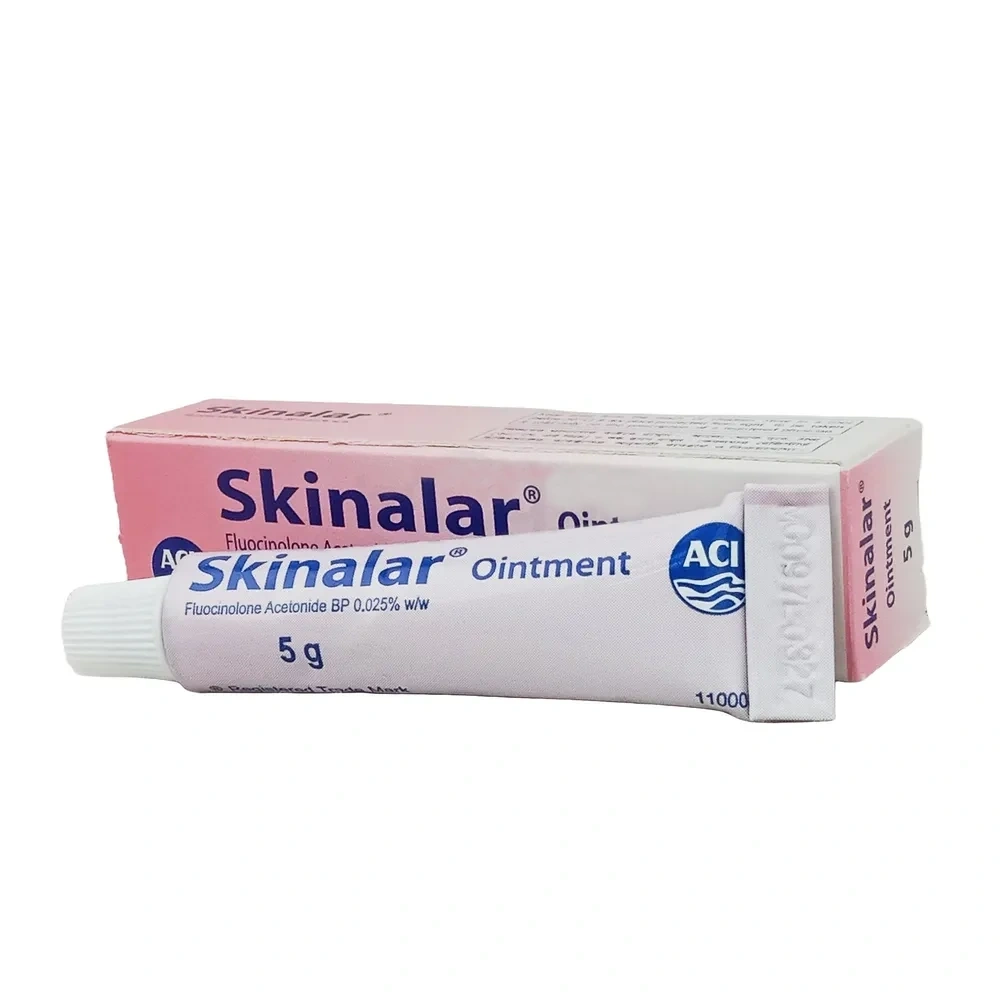
Fluocinolone acetonide, with the formula 6-alpha, 9-alpha-difluoro-16-alpha, 17 alpha-acetonide, is a corticosteroid that presents a high lipophilicity. It has been used extensively in dermatological preparations and it has also been investigated thoroughly for its use in implantable corticosteroid devices.
Uses
Fluocinolone acetonide is a corticosteroid used to treat skin conditions, eczematous otitis externa, diabetic macular edema, and non-infectious uveitis of the posterior segment of the eye.
Fluocinolone acetonide has been used extensively in different medical areas.
-In dermatology, it is extensively used for the relief of inflammatory dermatosis, dermatitis, psoriasis, hypertrophic tissues, keloid tissues and atopic dermatitis.
-It has been used in shampoo products as a low to medium potency corticosteroid for the treatment of seborrheic dermatitis of the scalp.
-In ear drops, it is used as a low to medium potency corticosteroid for the treatment of chronic eczematous external otitis in adults and pediatric patients 2 years and older.
-As an intravitreal implant, it is indicated for the treatment of diabetic macular edema with patients that have been previously treated with a course of corticosteroids and no clinically significant rise in intraocular pressure.
-Fluocinolone acetonide was announced on October 15, 2018 to be FDA approved for the treatment of chronic non-infectious uveitis affecting the posterior segment of the eye.
-Some reports have indicated the use of fluocinolone acetonide as a vasoprotective agent and for its use in the treatment of first-degree hemorrhoids.
Associated Conditions
Pharmacodynamics
Fluocinolone acetonide is a synthetic anti-inflammatory corticosteroid and thus, the effect of its interaction with the body produces vasoconstriction and suppression of membrane permeability, mitotic activity, immune response and release of inflammatory mediators.
For its ophthalmic indications, fluocinolone acetonide is administered as intravitreal micro-insert. This preparation was observed in clinical trials to reduce the recurrence of uveitis flares by 2 fold when compared with the non treated patients even after six months after initial administration. As well the intraocular pressure seemed to increase slightly with the presence of the fluocinolone implant but it is important to monitor intraocular pressure.
Mechanism of Action
Fluocinolone acetonide is a corticosteroid and thus, it can be inferred that it acts by inhibiting the edema, fibrin deposition, capillary dilation, leukocyte migration, capillary proliferation, fibroblast proliferation, collagen deposition, and scar formation.
Some reports have indicated that fluocinolone acetonide presents a high binding affinity for the glucocorticoid receptor. After binding the receptor, the newly formed receptor-ligand complex translocates itself into the cell nucleus, where it binds to many glucocorticoid response elements in the promoter region of the target genes. This effect promotes the induction of phospholipase A2 inhibitory proteins (lipocortins). Through this mechanism of action, it is thought that fluocinolone induces mainly one of the lipocortins, annexin 1, which will later mediate the synthesis of inflammatory mediators such as prostaglandins and leukotrienes by inhibiting the release of arachidonic acid which is the precursor of all these inflammatory mediators. Hence, the induction of these proteins will prevent the release of arachidonic acid by phospholipase A2.
Absorption
When administered as an eye implant, fluocinolone acetonide presents a sustained delivery for even 12 months in which there can be observed a sustained release. The concentration of fluocinolone acetonide are generally higher in the vitreous and retina with a little dispersion to the aqueous humor.
There are reports indicating that topical administration of fluocinolone acetonide produces a percutaneous absorption which is determined by the vehicle, integrity of the epidermal barrier and the use of occlusive dressing.
Independently of the route of administration, the systemic absorption of fluocinolone acetonide is below 0.1 ng/ml which indicates that the systemic distribution is very minimal and the effect of fluocinolone is mainly local.
Volume of Distribution
This pharmacokinetic parameter is not relevant as the systemic absorption of fluocinolone acetonide is very minimal.
Protein Binding
This pharmacokinetic parameter is not relevant as the systemic absorption of fluocinolone acetonide is very minimal.
Route of Elimination
Fluocinolone acetonide is mainly excreted by the kidneys. It is important to mention that the systemically absorbed dose is very minimal.
Half Life
The reported half-life of fluocinolone acetonide ranges between 1.3-1.7 hours.
Clearance
This pharmacokinetic parameter is not relevant as the systemic absorption of fluocinolone acetonide is very minimal and the concentration in urine is lower than the minimum quantitation limit.
Toxicity
Studies to determine the carcinogenic and its effect in fertility have not been performed. It is important to consider that several corticosteroids have been shown to present genotoxic potential but fluocinolone acetonide was shown to not be genotoxic in the Ames test and mouse lymphoma TK assay.
Food Interactions
No interactions found.