Introduction
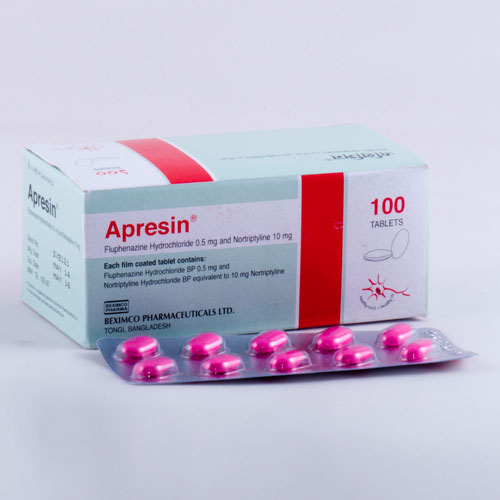
Fluphenazine and Nortriptyline is a combination of two medications: Fluphenazine, a typical antipsychotic from the phenothiazine class, and Nortriptyline, a tricyclic antidepressant. This combination is used to manage psychotic disorders, particularly in patients with co-occurring depression and anxiety. The dual action targets both psychotic symptoms and mood disturbances.
Uses
The Fluphenazine and Nortriptyline combination is primarily used for:
- Treatment of schizophrenia and other psychotic disorders.
- Managing depression in patients with psychotic symptoms.
- Anxiety management in psychotic patients.
Mechanism of Action
Fluphenazine works by blocking dopamine (D2) receptors in the brain, reducing psychotic symptoms such as hallucinations and delusions. Nortriptyline, on the other hand, increases the levels of serotonin and norepinephrine by inhibiting their reuptake, improving mood and relieving depression.
How Long Does It Take to Work?
The antipsychotic effects of Fluphenazine may take several days to weeks to manifest, while Nortriptyline's antidepressant effects may become noticeable after 2 to 4 weeks of treatment. Both drugs require consistent administration for optimal therapeutic effects.
Absorption
Fluphenazine is well absorbed after oral or intramuscular administration, but its bioavailability varies due to extensive first-pass metabolism. Nortriptyline is also well absorbed orally, with peak plasma levels reached in 2 to 4 hours.
Route of Elimination
Fluphenazine is primarily metabolized by the liver and excreted in the urine. Nortriptyline is also metabolized by the liver, with its metabolites excreted through the urine.
Dosage
Adults: One tablet 2 to 3 times daily.Dosage of this combination depends on the patient’s condition and response:
- Fluphenazine: Starting dose is usually 2.5 to 10 mg per day orally, adjusted according to response.
- Nortriptyline: The usual dose ranges from 25 to 75 mg per day, depending on the severity of depressive symptoms.
Administration
This combination is available in oral form (tablets or liquid) and is typically taken once or twice daily, depending on the dosing schedule. Fluphenazine can also be administered via intramuscular injection for acute psychotic episodes.
Side Effects
Common side effects of Fluphenazine and Nortriptyline include:
- Drowsiness and sedation.
- Dry mouth, constipation, and urinary retention (due to anticholinergic effects).
- Extrapyramidal symptoms such as tremors, rigidity, and restlessness (from Fluphenazine).
- Weight gain and changes in appetite.
- Orthostatic hypotension (due to Nortriptyline).
Toxicity
Fluphenazine overdose may cause severe extrapyramidal symptoms, hypotension, and sedation, while Nortriptyline overdose can lead to cardiac arrhythmias, seizures, and coma. Both drugs can be toxic in high doses, requiring immediate medical attention.
Precautions
Patients on this combination therapy should be closely monitored for:
- Signs of tardive dyskinesia or extrapyramidal symptoms.
- Cardiac function due to Nortriptyline’s potential for causing arrhythmias.
- Sudden changes in mood or suicidal thoughts, especially in younger patients.
Interaction
This combination may interact with:
- Other central nervous system depressants, such as alcohol and sedatives, increasing the risk of sedation.
- Anticholinergic drugs, which may worsen side effects like dry mouth and constipation.
- Drugs that prolong the QT interval, such as certain antiarrhythmics, increasing the risk of cardiac arrhythmias.
Disease Interaction
Fluphenazine and Nortriptyline should be used cautiously in patients with:
- Heart disease, due to the risk of arrhythmias.
- Liver impairment, as both drugs are metabolized in the liver.
- Parkinson’s disease or seizure disorders, as Fluphenazine can exacerbate these conditions.
Drug Interaction
Major interactions include:
- Increased risk of arrhythmias with QT-prolonging drugs (e.g., certain antibiotics, antiarrhythmics).
- Potentiation of sedation when used with CNS depressants like benzodiazepines or opioids.
- Possible hypertensive crisis if taken with monoamine oxidase inhibitors (MAOIs).
Food Interactions
Patients should avoid alcohol while taking Fluphenazine and Nortriptyline as it may increase the sedative effects and impair cognitive function.
Pregnancy Use
This combination should be used during pregnancy only if the potential benefits outweigh the risks. Both drugs may cause fetal harm, particularly in the third trimester. Babies born to mothers on Fluphenazine or Nortriptyline may experience withdrawal symptoms or extrapyramidal effects.
Lactation Use
Both Fluphenazine and Nortriptyline are excreted in breast milk, and their use during lactation is generally not recommended. If necessary, breastfeeding mothers should consult their healthcare provider.
Acute Overdose
In cases of overdose, symptoms may include severe drowsiness, confusion, seizures, and cardiac arrhythmias. Immediate medical intervention, including gastric lavage and supportive care, may be required. Activated charcoal may be administered to reduce drug absorption.
Contraindication
Fluphenazine and Nortriptyline are contraindicated in patients with:
- Severe cardiac disorders such as recent myocardial infarction or arrhythmias.
- Narrow-angle glaucoma (due to Nortriptyline’s anticholinergic effects).
- History of hypersensitivity to phenothiazines or tricyclic antidepressants.
Use Direction
Patients should take the medication exactly as prescribed by their healthcare provider. Abrupt discontinuation should be avoided, as this may lead to withdrawal symptoms or exacerbation of psychiatric conditions. Dose adjustments may be necessary based on the patient’s response and side effects.
Storage Conditions
Store the medication at room temperature, away from moisture and heat. Keep the container tightly closed and out of the reach of children. Do not freeze the oral solution if applicable.
Volume of Distribution
The volume of distribution for Fluphenazine is relatively large due to its lipophilic nature, allowing it to accumulate in fatty tissues. Nortriptyline also has a high volume of distribution, distributing widely into body tissues.
Half Life
Fluphenazine has a half-life of about 15-30 hours, while Nortriptyline’s half-life ranges from 16-90 hours, depending on individual metabolism and patient-specific factors.
Clearance
Both drugs are cleared primarily by hepatic metabolism. Their clearance rates may be reduced in patients with liver impairment, necessitating dose adjustments.