Introduction
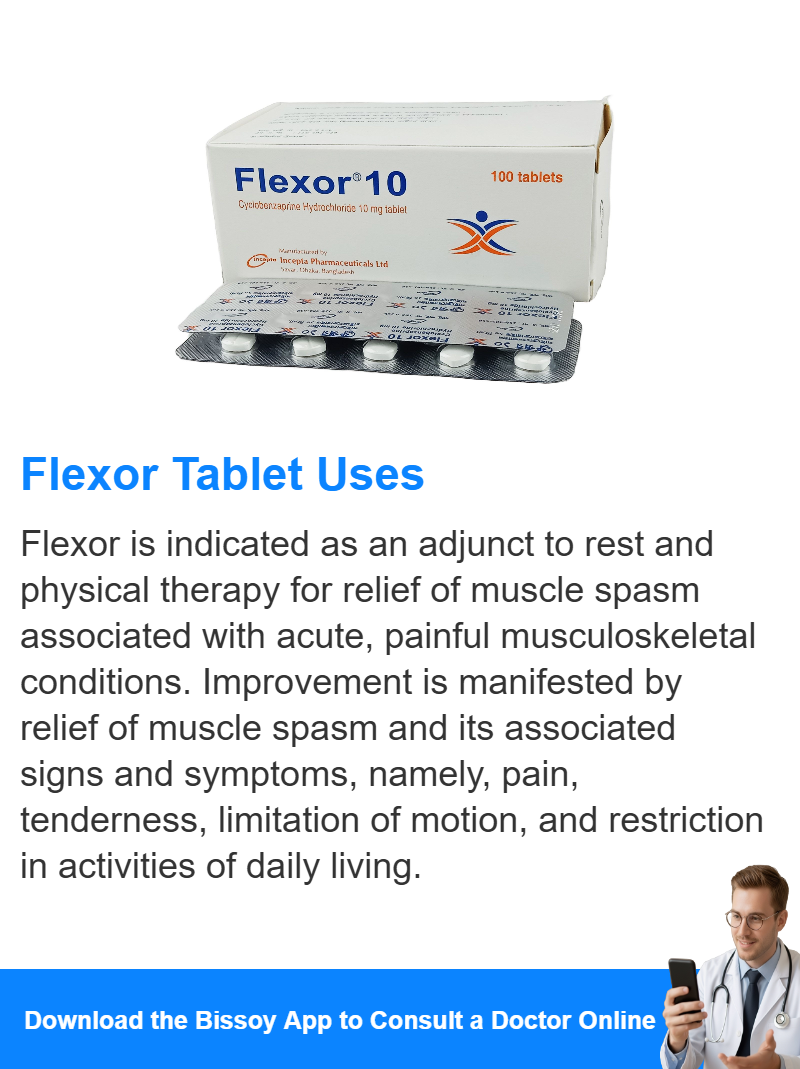
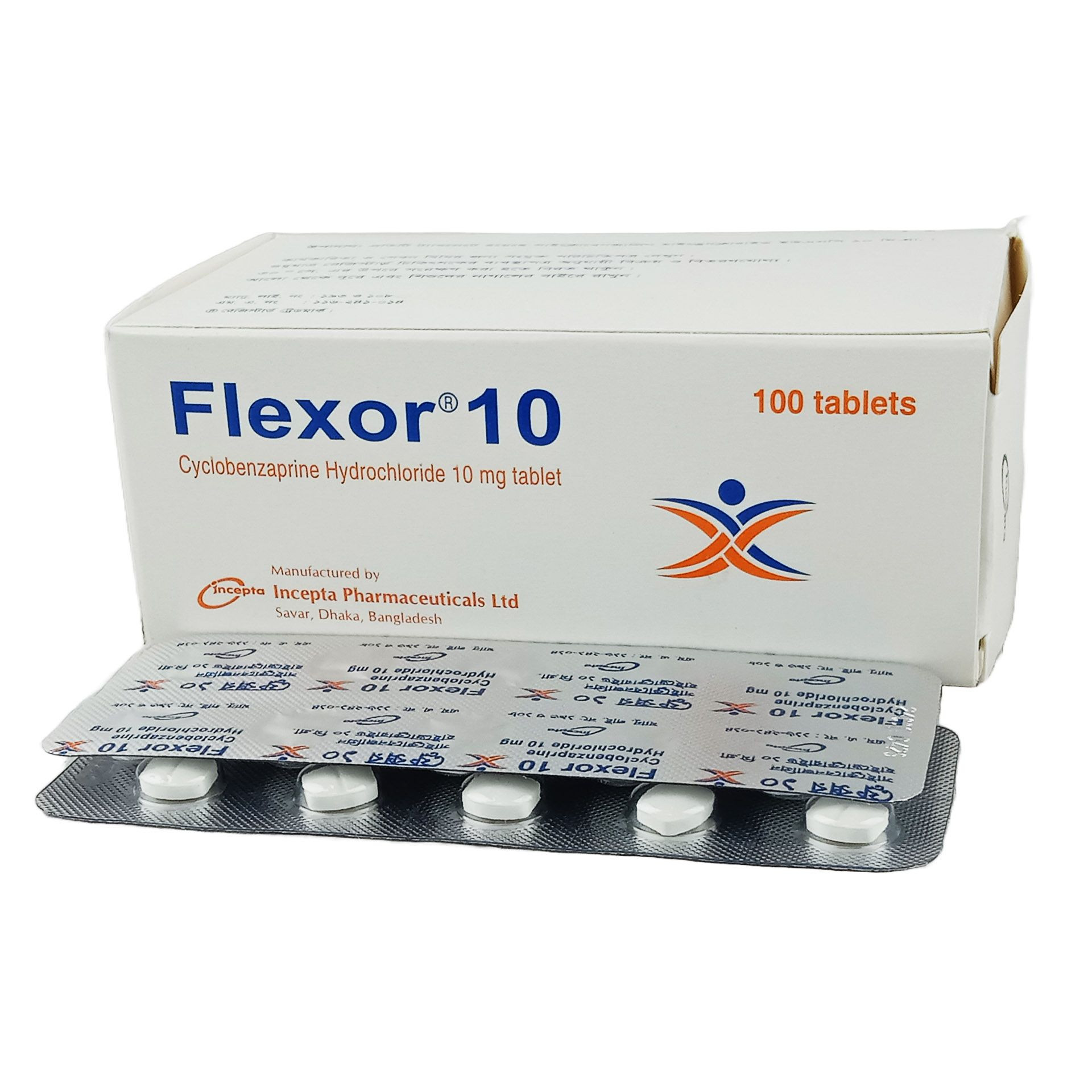
Cyclobenzaprine, a centrally-acting muscle relaxant, was first synthesized in 1961 and has been available for human use since 1977. It was initially studied for use as antidepressant given its structural similarity to tricyclic antidepressants - it differs from Amitriptyline by only a single double bond. Since its approval, it has remained relatively popular as an adjunctive, short-term treatment for acute skeletal muscle spasms secondary to musculoskeletal injury.
Uses
Cyclobenzaprine is a skeletal muscle relaxant that works on the brainstem to treat muscle spasms of local origin.
Cyclobenzaprine is indicated as a short-term (2-3 weeks) adjunct therapy, along with rest and physical therapy, for relief of muscle spasm associated with acute, painful musculoskeletal conditions. It has not been found effective in the treatment of spasticity originating from cerebral or spinal cord disease, or spasticity in children with cerebral palsy. Cyclobenzaprine is also occasionally used off-label for reducing pain and sleep disturbances in patients with fibromyalgia.
Associated Conditions
Pharmacodynamics
Cyclobenzaprine is a skeletal muscle relaxant that works on areas of the brainstem to reduce skeletal muscle spasm, though its exact pharmacodynamic behaviour is currently unclear. Despite its long half-life, it is relatively short-acting with a typical duration of action of 4-6 hours. Cyclobenzaprine has been reported to contribute to the development of serotonin syndrome when used in combination with other serotonergic medications. Symptoms of serotonin syndrome may include autonomic instability, changes to mental status, neuromuscular abnormalities, or gastrointestinal symptoms - treatment with cyclobenzaprine should be discontinued immediately if any of these reactions occur during therapy.
Mechanism of Action
The exact mechanism of action of cyclobenzaprine has not been fully elucidated in humans, and much of the information available regarding its mechanism has been ascertained from early animal studies. There is some evidence that cyclobenzaprine exerts its effects at the supraspinal level, specifically within the locus coeruleus of the brainstem, with little-to-no action at neuromuscular junctions or directly on skeletal musculature. Action on the brainstem is thought to result in diminished activity of efferent alpha and gamma motor neurons, likely mediated by inhibition of coeruleus-spinal or reticulospinal pathways, and ultimately depressed spinal cord interneuron activity.
More recently it has been suggested that inhibition of descending serotonergic pathways in the spinal cord via action on 5-HT2 receptors may contribute to cyclobenzaprine’s observed effects.
Absorption
The oral bioavailability of cyclobenzaprine has been estimated to be between 0.33 and 0.55. Cmax is between 5-35 ng/mL and is achieved after 4 hours (Tmax). AUC over an 8 hour dosing interval was reported to be approximately 177 ng.hr/mL.
Volume of Distribution
The volume of distribution of cyclobenzaprine is approximately 146 L. The combination of high plasma clearance despite a relatively long half-life observed with cyclobenzaprine is suggestive of extensive tissue distribution.
Protein Binding
Cyclobenzaprine is approximately 93% protein bound in plasma. It has been identified as specifically having a high affinity for human serum albumin.
Route of Elimination
After administration of a radio-labeled dose of cyclobenzaprine, 38-51% of radioactivity was excreted in the urine while 14-15% was excreted in the feces. Cyclobenzaprine is highly metabolized, with only approximately 1% of this same radio-labeled dose recovered in the urine as unchanged drug. Metabolites excreted in the urine are likely water-soluble glucuronide conjugates.
Half Life
The effective half-life of cyclobenzaprine in young healthy subjects is approximately 18 hours. These values are extended in the elderly and those with hepatic insufficiency, with a mean effective half-life of 33.4 hours and 46.2 hours in these groups, respectively.
Clearance
The approximate plasma clearance of cyclobenzaprine is 0.7 L/min.
Toxicity
The oral LD50 of cyclobenzaprine in mice and rats is 338 mg/kg and 425 mg/kg, respectively. Signs of overdose may develop rapidly after ingestion and commonly include significant drowsiness and tachycardia, with less common manifestations including tremor, agitation, ataxia, GI upset, and other CNS effects such as confusion and hallucinations. Potentially critical manifestations, though rare, include cardiac arrest or dysrhythmias, severe hypotension, seizures, and neuroleptic malignant syndrome.
As the management of cyclobenzaprine overdose is complex and ever-changing, it is recommended that a poison control center be consulted prior to treatment. Typical management involves gastrointestinal decontamination, close cardiac monitoring, and monitoring for signs of CNS or respiratory depression. As cyclobenzaprine exists in relatively low concentrations in plasma, monitoring of drug plasma levels should not guide management and dialysis is likely of no value.
Food Interactions
- Avoid alcohol. Cyclobenzaprine is a central nervous system depressant which may be potentiated by the co-administration of alcohol.
Dosage
Dose in elderly: Therapy with Flexor in the elderly should be initiated with a 5 mg dose and titrated slowly upward.
Dose in hepatic impairment: Flexor should be used with caution in subjects with mild hepatic impairment starting with the 5 mg dose and titrating slowly upward. The use of Flexor in subjects with moderate to severe impairment is not recommended.
Pediatric use: Safety and effectiveness of Flexor Tablet 10 mg in pediatric patients below 15 years of age have not been established.