Introduction
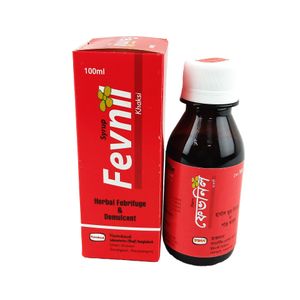
Fevnil Syrup, also known as *Hippophae rhamnoides* or seabuckthorn, is a medicinal plant used in traditional medicine systems, particularly in Ayurveda and Traditional Chinese Medicine (TCM). It is valued for its various therapeutic properties and is often used in herbal remedies and dietary supplements.
Uses
Fevnil Syrup is used for:
- Digestive Health: Used to improve digestive function and treat gastrointestinal disorders.
- Skin Conditions: Applied topically to treat skin conditions such as eczema and psoriasis.
- Immune Support: Boosts immune function and helps in fighting infections.
- Cardiovascular Health: Supports heart health and improves circulation.
- Anti-inflammatory: Reduces inflammation and is used to manage inflammatory conditions.
Mechanism of Action
Fevnil Syrup exerts its therapeutic effects through various mechanisms. It is rich in antioxidants, including vitamin C and flavonoids, which help combat oxidative stress and inflammation. The plant's bioactive compounds support immune function, improve blood circulation, and promote cellular repair processes.
How Long Does It Take to Work?
The onset of therapeutic effects varies depending on the condition being treated and the form of administration. Generally, improvements in digestive health and immune support can be observed within a few weeks of consistent use. Skin conditions may take longer to show visible results when using topical applications.
Absorption
When consumed, the bioactive compounds in Fevnil Syrup are absorbed through the gastrointestinal tract. The absorption rate can be influenced by factors such as the form of the preparation and the individual's digestive health.
Route of Elimination
The active components of Fevnil Syrup are metabolized in the liver and subsequently excreted through the kidneys in the urine. Some metabolites may also be excreted in the feces.
Dosage
Adults: 2-4 teaspoonfuls 2-3 times daily.Children: 1/2-1 teaspoonfuls 2-3 times daily or as prescribed by the physician.
The dosage of Fevnil Syrup can vary based on the form of the product and the specific health condition being addressed:
- Powder or Capsule Form: Typically, 500 mg to 1 gram daily, taken in divided doses.
- Topical Application: Apply a thin layer of the cream or ointment to affected skin areas once or twice daily.
- Tea or Extract: Follow the specific instructions on the product label or as advised by a healthcare provider.
Administration
Fevnil Syrup can be administered in various forms including powders, capsules, topical creams, ointments, and extracts. It is important to follow the recommended dosage and administration guidelines provided with the specific product being used.
Side Effects
Common side effects may include:
- Mild gastrointestinal discomfort
- Skin irritation (when used topically)
Serious side effects are rare but may include:
- Allergic reactions
- Severe gastrointestinal symptoms
Toxicity
Fevnil Syrup is generally considered safe when used as directed. However, excessive use or high doses may lead to gastrointestinal upset or allergic reactions. It is important to adhere to recommended dosages to avoid potential toxicity.
Precautions
Precautions include:
- Consult a healthcare provider before use, especially if pregnant, breastfeeding, or taking other medications.
- Avoid use if you have known allergies to Fevnil Syrup or related plants.
- Monitor for any adverse reactions, particularly when using topical formulations.
Interaction
Fevnil Syrup may interact with other medications or supplements, particularly those affecting blood clotting or gastrointestinal function. Consult a healthcare provider before combining it with other treatments.
Disease Interaction
Patients with chronic gastrointestinal conditions, liver or kidney disease, or autoimmune disorders should use Fevnil Syrup with caution and under medical supervision.
Drug Interaction
Fevnil Syrup may interact with anticoagulants or medications affecting liver function. It is essential to discuss potential interactions with a healthcare provider to avoid adverse effects.
Food Interactions
No significant food interactions are known with Fevnil Syrup. However, taking it with meals may help improve absorption and reduce gastrointestinal discomfort.
Pregnancy Use
Safety during pregnancy is not well-established. Pregnant women should consult a healthcare provider before using Fevnil Syrup or any herbal supplements.
Lactation Use
The safety of Fevnil Syrup during lactation is not well-documented. Consult a healthcare provider before use while breastfeeding.
Acute Overdose
Acute overdose of Fevnil Syrup is unlikely but may cause severe gastrointestinal symptoms or allergic reactions. In case of overdose, seek medical attention immediately.
Contraindication
Fevnil Syrup is contraindicated in individuals with known hypersensitivity to the plant or its components. It should also be avoided in severe liver or kidney impairment unless under medical supervision.
Use Direction
Follow the dosage and administration guidelines provided with the specific product. Consult a healthcare provider for personalized recommendations and to address any health concerns.
Storage Conditions
Store Fevnil Syrup in a cool, dry place, away from direct sunlight and moisture. Follow the storage instructions provided with the specific product to ensure its efficacy and safety.
Volume of Distribution
The volume of distribution for Fevnil Syrup's active components is not well-documented. It is generally distributed throughout the body's tissues, including the gastrointestinal tract and skin.
Half Life
The half-life of Fevnil Syrup's active compounds varies depending on the form and metabolism of the specific components. Detailed pharmacokinetic data is limited.
Clearance
Fevnil Syrup's active compounds are primarily cleared from the body through renal excretion. The clearance rate can be influenced by individual factors such as kidney function.