Introduction
Antioxidants and micronutrients are essential compounds that play a critical role in maintaining cellular health and overall well-being. Antioxidants protect cells from oxidative stress caused by free radicals, while micronutrients, such as vitamins and minerals, are necessary for various physiological functions, including enzyme activity, immune function, and metabolism. Common antioxidants include vitamins C and E, while micronutrients encompass a broad range of elements like iron, zinc, magnesium, and selenium.
Uses
Antioxidants and micronutrients are used for:
- Supporting immune system function
- Preventing oxidative damage to cells and tissues
- Maintaining healthy skin, eyes, and hair
- Enhancing energy production and metabolism
- Preventing or managing deficiencies due to poor diet or malabsorption
- Supporting recovery after illness, surgery, or intense physical activity
- Promoting healthy aging and reducing the risk of chronic diseases
Mechanism of Action
Antioxidants neutralize free radicals, unstable molecules that can damage cellular structures, including DNA, proteins, and lipids. By donating an electron, antioxidants stabilize free radicals, preventing oxidative damage. Micronutrients, such as vitamins and minerals, serve as cofactors for enzymes, support metabolic pathways, and help maintain proper cellular function. For example, vitamin C regenerates vitamin E, which protects cell membranes, while zinc supports immune function and wound healing.
How Long Does It Take to Work?
The effects of antioxidants and micronutrients can vary depending on the individual's health status and the specific compounds being used. For example, improvements in energy levels or immune function may be observed within a few days to weeks, while protective effects against oxidative stress or nutrient deficiencies might take longer to manifest.
Absorption
The absorption of antioxidants and micronutrients depends on their solubility and the body's current nutrient status. Water-soluble vitamins, such as vitamin C and B vitamins, are absorbed in the small intestine and excreted in urine. Fat-soluble vitamins (A, D, E, and K) require dietary fat for absorption and are stored in the liver and fatty tissues. Minerals such as iron, zinc, and magnesium are absorbed in the intestine through specific transport mechanisms.
Route of Elimination
Water-soluble antioxidants and micronutrients are primarily eliminated through the urine. Fat-soluble vitamins are metabolized in the liver and excreted via bile and feces. Minerals, depending on the body's needs, may be excreted through urine, feces, or sweat.
Dosage
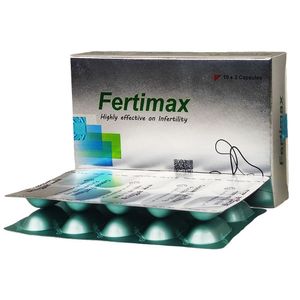
For to be effective, take 2 capsules per day (1 white+1 green) for a minimum of 3 months, i.e. the average time it takes for the spermatozoa to mature (72 days) plus the 25 days required for them to be able to fertilize. 3 boxes for a 3 months course of treatment. Do not take more than the prescribed daily dose. Using this food supplement does not replace the balance of the variety of foods important to a healthy diet. Inform your doctor of any unwanted or troublesome side-effect.The dosage of antioxidants and micronutrients varies based on individual needs and the specific nutrient. General recommended daily allowances (RDAs) for adults include:
- Vitamin C: 65-90 mg per day
- Vitamin E: 15 mg (22.4 IU) per day
- Iron: 8 mg per day (men), 18 mg per day (women)
- Zinc: 8-11 mg per day
- Selenium: 55 mcg per day
- Magnesium: 310-420 mg per day
Specific therapeutic dosages may vary depending on the condition being treated and healthcare provider recommendations.
Administration
- Antioxidants and micronutrients are typically administered orally in tablet, capsule, or liquid form.
- Some micronutrients, such as iron or vitamin D, may require special formulations (e.g., intravenous) in cases of severe deficiency.
- Fat-soluble vitamins should be taken with food to enhance absorption, while water-soluble vitamins can be taken with or without food.
Side Effects
Most antioxidants and micronutrients are well-tolerated when taken within recommended doses, but excessive intake can lead to side effects, including:
- Nausea, vomiting, and gastrointestinal discomfort (common with high doses of iron or vitamin C)
- Fatigue and weakness (vitamin D overdose)
- Diarrhea or constipation (excess magnesium or iron)
- Headaches or dizziness
- Hypervitaminosis, especially with fat-soluble vitamins like A and D
Toxicity
Overdosing on antioxidants and micronutrients can lead to toxicity. For example, excessive iron intake can cause iron overload, leading to organ damage, while vitamin A toxicity can result in liver damage, bone pain, and vision problems. Toxicity is more likely with fat-soluble vitamins, which are stored in the body, and with certain minerals like iron and selenium.
Precautions
- Use caution when taking supplements alongside other medications, as interactions may occur.
- Excessive intake of fat-soluble vitamins can cause toxicity, so avoid exceeding recommended dosages without medical supervision.
- Individuals with certain medical conditions (e.g., kidney disease, hemochromatosis) should consult a healthcare provider before taking supplements.
Interaction
- Antioxidants such as vitamin C may increase iron absorption, which can be beneficial for individuals with iron deficiency but harmful for those with iron overload.
- High doses of vitamin E may interfere with blood clotting and enhance the effects of blood-thinning medications like warfarin.
- Calcium and magnesium supplements can interfere with the absorption of certain medications, including antibiotics and thyroid medications.
Disease Interaction
- People with kidney disease may have difficulty eliminating excess micronutrients like magnesium or potassium, leading to toxicity.
- Individuals with hemochromatosis or other iron overload disorders should avoid excessive iron supplementation.
- Patients with autoimmune diseases or undergoing chemotherapy should consult with their healthcare provider before using antioxidant supplements, as they may interfere with treatment.
Drug Interaction
- Antioxidants like vitamin C may reduce the effectiveness of chemotherapy and radiation treatments.
- High doses of zinc can interfere with copper absorption, leading to deficiency.
- Iron supplements may reduce the absorption of tetracycline antibiotics and levothyroxine (used for thyroid disorders).
Food Interactions
- Vitamin C enhances the absorption of plant-based (non-heme) iron found in foods like spinach and beans.
- Calcium-rich foods may inhibit the absorption of iron and zinc when consumed together.
- High-fiber foods can reduce the absorption of certain micronutrients like magnesium and calcium.
Pregnancy Use
Micronutrient and antioxidant supplementation is often recommended during pregnancy to support fetal development and prevent deficiencies. Iron, folic acid, and calcium are particularly important. However, high doses of certain vitamins (e.g., vitamin A) should be avoided, as they may cause birth defects.
Lactation Use
Antioxidants and micronutrients are generally safe for use during lactation, as they support maternal health and nutrient transfer to the infant through breast milk. However, excessive supplementation should be avoided, especially with fat-soluble vitamins like vitamin A, which can pass into breast milk.
Acute Overdose
Acute overdose of antioxidants or micronutrients, particularly fat-soluble vitamins (A, D, E, K) and minerals like iron, can lead to toxicity. Symptoms of overdose may include nausea, vomiting, diarrhea, organ damage, and, in severe cases, death. Medical intervention is required in cases of suspected overdose.
Contraindication
- Individuals with iron overload disorders (e.g., hemochromatosis) should avoid iron supplementation.
- Patients with kidney disease should use caution with magnesium or potassium supplements, as these minerals may accumulate to toxic levels.
- People with vitamin D hypersensitivity should avoid high-dose vitamin D supplementation.
Use Direction
- Follow recommended dosages as indicated on the supplement label or prescribed by a healthcare provider.
- Take fat-soluble vitamins (A, D, E, K) with meals containing fat to enhance absorption.
- Avoid taking high doses of multiple supplements without consulting a healthcare professional to prevent nutrient imbalances or toxicity.
Storage Conditions
- Store antioxidants and micronutrient supplements in a cool, dry place, away from direct sunlight.
- Keep out of reach of children, as some supplements (e.g., iron) can be toxic in large amounts.
Volume of Distribution
The volume of distribution for antioxidants and micronutrients varies by compound. For example, fat-soluble vitamins are stored in body fat and the liver, while water-soluble vitamins are distributed in body fluids and tissues. Minerals like zinc and magnesium are stored in bones, muscles, and soft tissues.
Half-Life
The half-life of antioxidants and micronutrients varies. Water-soluble vitamins have a shorter half-life, typically ranging from hours to a day, while fat-soluble vitamins have a longer half-life due to their storage in body tissues. Minerals like iron and zinc also have varying half-lives depending on their storage and utilization.
Clearance
Water-soluble antioxidants and micronutrients are cleared from the body through the kidneys and excreted in urine. Fat-soluble vitamins are cleared more slowly, as they are stored in fat tissues and the liver. Excess minerals are primarily excreted through urine and feces.