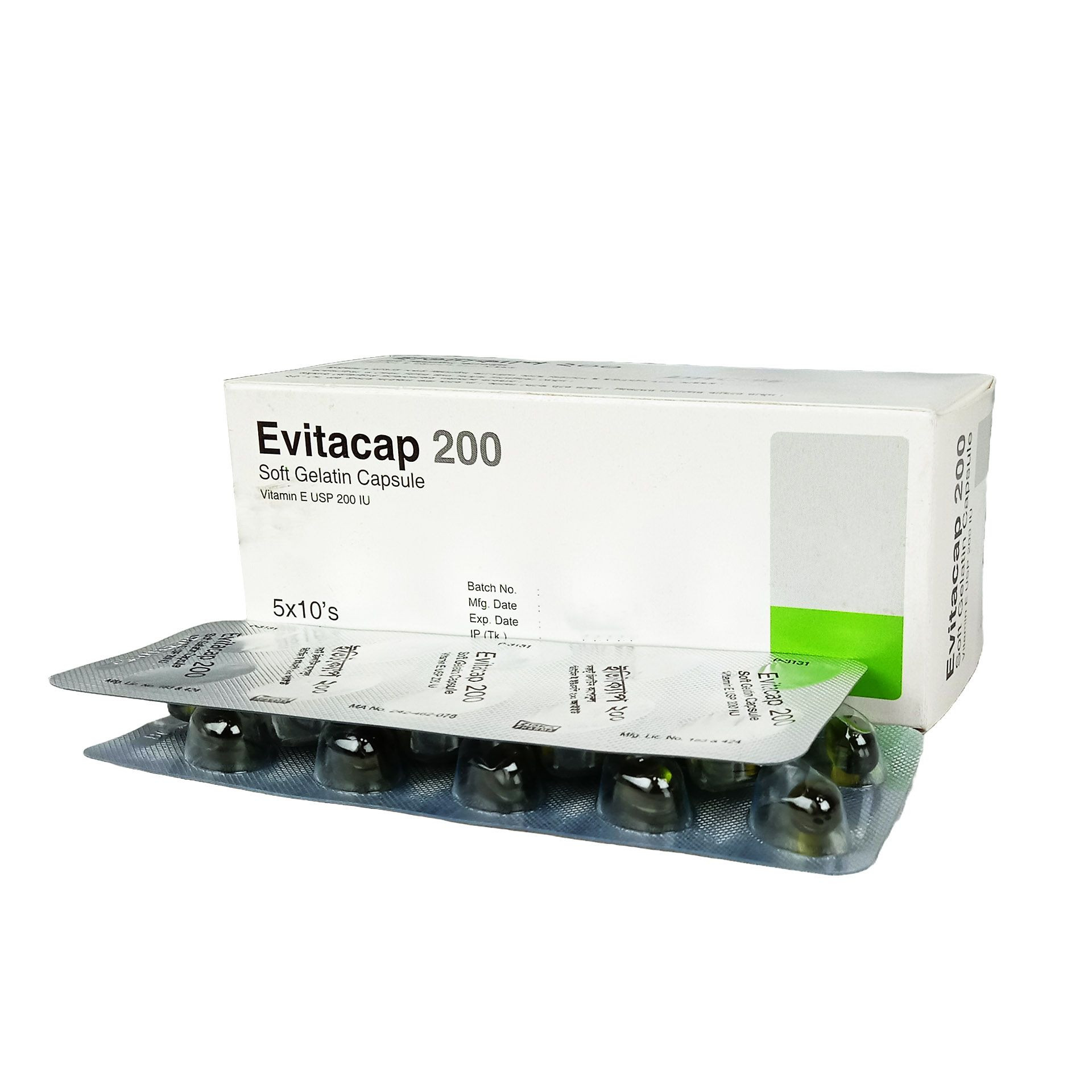
Introduction
In 1922, vitamin E was demonstrated to be an essential nutrient. Vitamin E is a term used to describe 8 different fat soluble tocopherols and tocotrienols, alpha-tocopherol being the most biologically active. Vitamin E acts as an antioxidant, protecting cell membranes from oxidative damage. The antioxidant effects are currently being researched for use in the treatment of diseases causing bone loss, cardiovascular diseases, diabetes mellitus and associated comorbidities, eye diseases, inflammatory diseases (including skin conditions), lipid disorders, neurological diseases, and radiation damage. Though this research is so far inconclusive, vitamin E remains a popular supplement and is generally considered safe by the FDA.
Uses
Vitamin E is an antioxidant vitamin used in many skin creams and multivitamin preparations.
Vitamin E supplementation is indicated for treatment of vitamin E deficiency which can occur in cystic fibrosis, cholestasis and severe liver disease, abetalipoproteinemia or simply poor diet.
Associated Conditions
Pharmacodynamics
Vitamin E is a collective term used to describe 8 separate fat soluble antioxidants, most commonly alpha-tocopherol. Vitamin E acts to protect cells against the effects of free radicals, which are potentially damaging by-products of the body's metabolism. Vitamin E deficiency is seen in persons with abetalipoproteinemia, premature, very low birth weight infants (birth weights less than 1500 grams, or 3½ pounds), cystic fibrosis, and cholestasis and severe liver disease. Preliminary research suggests vitamin E may help prevent or delay coronary heart disease and protect against the damaging effects of free radicals, which may contribute to the development of chronic diseases such as cancer. It also protects other fat-soluble vitamins (A and B group vitamins) from destruction by oxygen. Low levels of vitamin E have been linked to increased incidence of breast and colon cancer.
Mechanism of Action
The mechanism of action for most of vitamin E's effects are still unknown. Vitamin E is an antioxidant, preventing free radical reactions with cell membranes. Though in some cases vitamin E has been shown to have pro-oxidant activity.
One mechanism of vitamin E's antioxidant effect is in the termination of lipid peroxidation. Vitamin E reacts with unstable lipid radicals, producing stable lipids and a relatively stable vitamin E radical. The vitamin E radical is then reduced back to stable vitamin E by reaction with ascorbate or glutathione.
Absorption
10-33% of deuterium labelled vitamin E is absorbed in the small intestine. Absorption of Vitamin E is dependant upon absorption of the fat in which it is dissolved. For patients with poor fat absorption, a water soluble form of vitamin E may need to be substituted such as tocopheryl polyethylene glycol-1000 succinate.
In other studies the oral bioavailability of alpha-tocopherol was 36%, gamma-tocotrienol was 9%. The time to maximum concentration was 9.7 hours for alpha-tocopherol and 2.4 hours for gamma-tocotrienol.
Volume of Distribution
0.41L/kg in premature neonates given a 20mg/kg intramuscular injection.
Protein Binding
Vitamin E is bound to lipoproteins in blood.
Route of Elimination
Alpha tocopherol is excreted in urine as well as bile in the feces mainly as a carboxyethyl-hydrochroman (CEHC) metabolite, but it can be excreted in it's natural form .
Half Life
44 hours in premature neonates given a 20mg/kg intramuscular injection. 12 minutes in intravenous injection of intestinal lymph.
Clearance
6.5mL/hr/kg in premature neonates given a 20mg/kg intramuscular injection.
Toxicity
There is no data available for effects in pregnancy, breast feeding, hepatic impairment, or renal impairment. However, it appears that the process of vitamin E elimination is strict and self regulating enough that vitamin E toxicity is exceedingly rare. Studies showing adverse effects from excess vitamin E generally involve people consuming more than 1000mg/day for weeks to months.
Food Interactions
- Take with or without food. High-fat foods may increase absorption of Vitamin E.
Dosage
Heart Disease (to improve effectiveness of Nitrates): Vitamin E 200 IU three times daily.
Dementia/Alzheimer’s Disease: Vitamin E 800-2000 IU one-two times daily.
Rheumatoid Arthritis Pain: Vitamin E 600 IU daily.
Improving Male Infertility: Vitamin E 200-600 IU daily.
Menstrual Syndrome: Vitamin E 400 IU daily.
Painful Menstrual Period: Vitamin E 200 IU daily.