Introduction
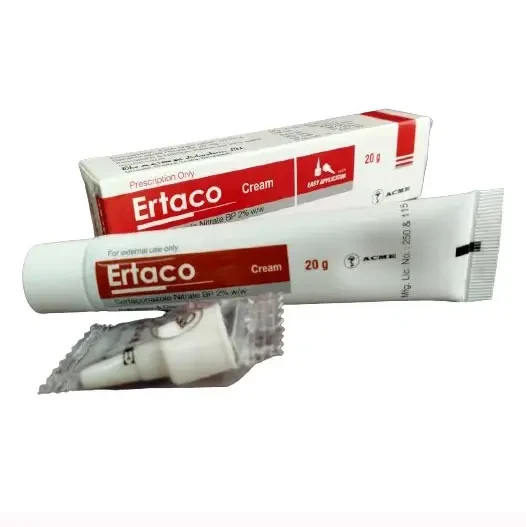
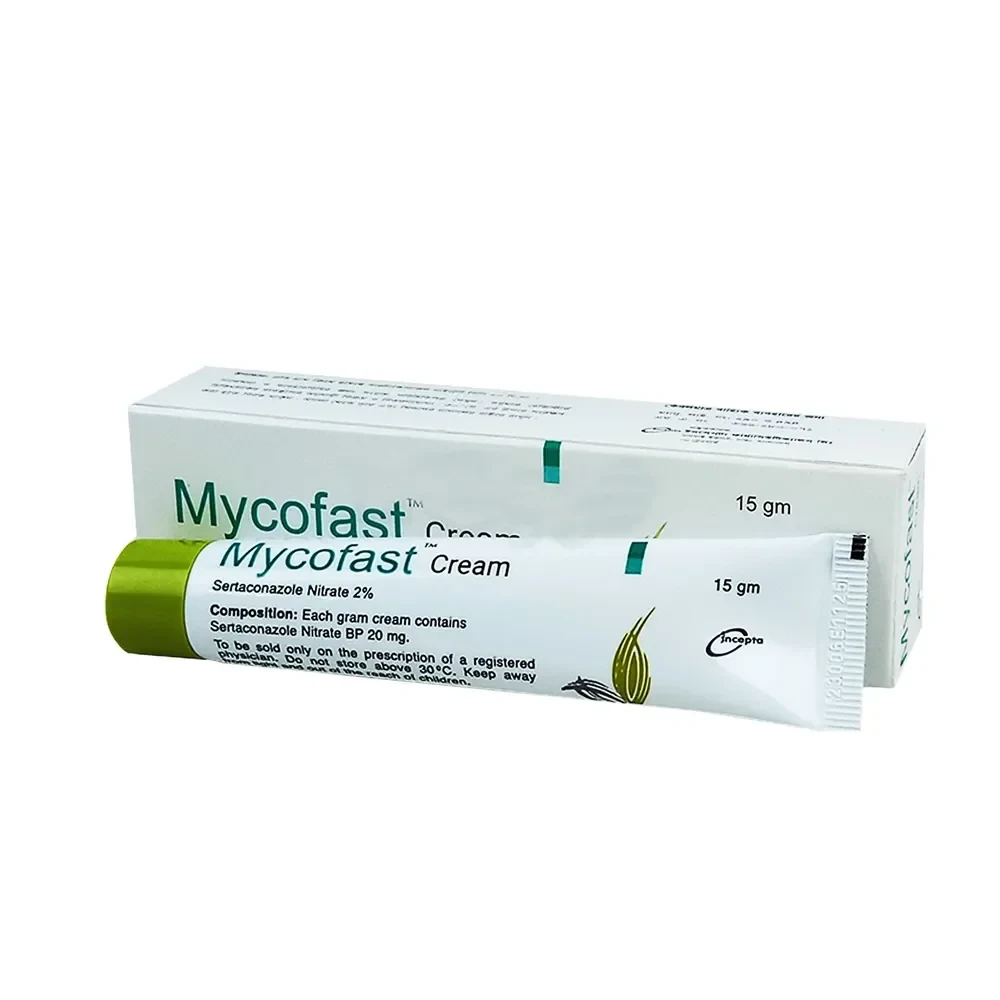
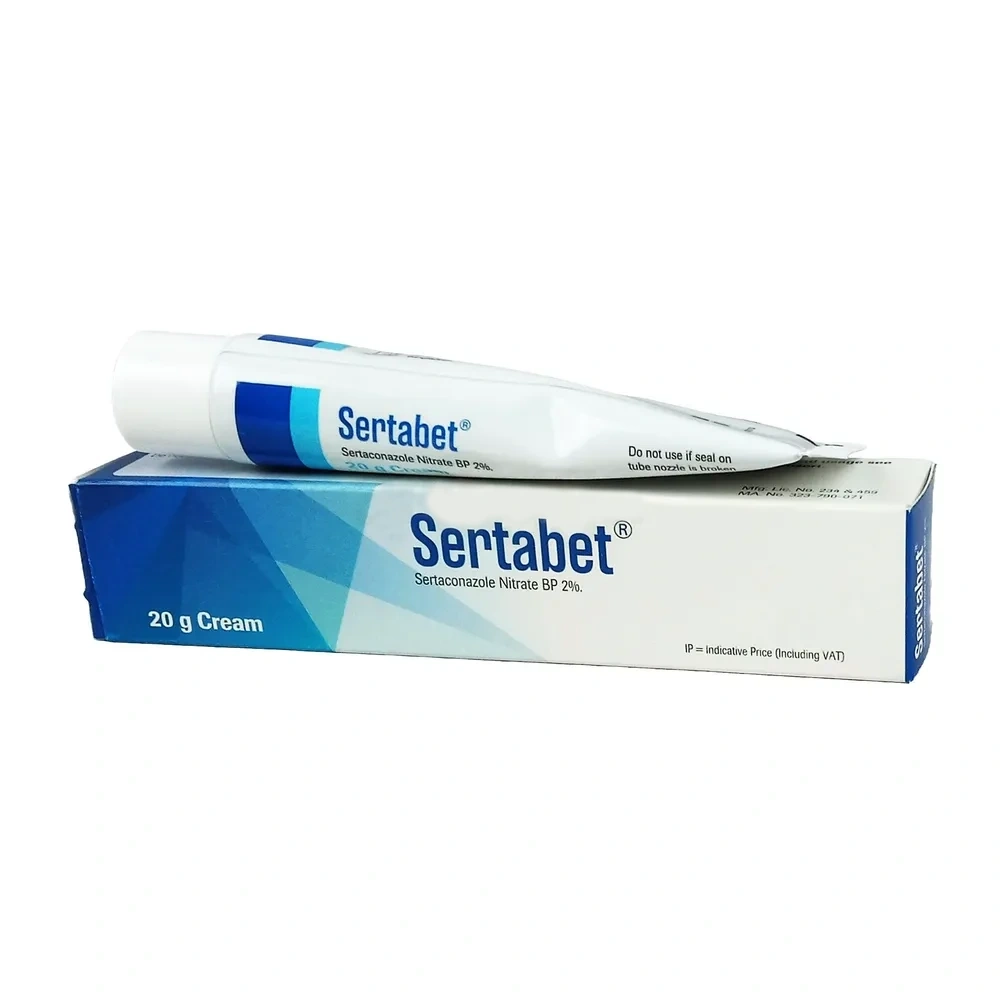
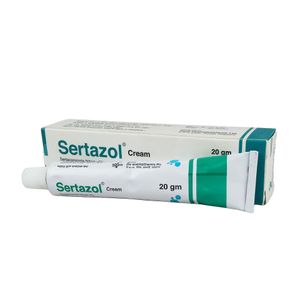
Sertaconazole nitrate is an antifungal medication of the imidazole class. It is available in topical formulations for the treatment of skin infections such as athlete's foot.
Uses
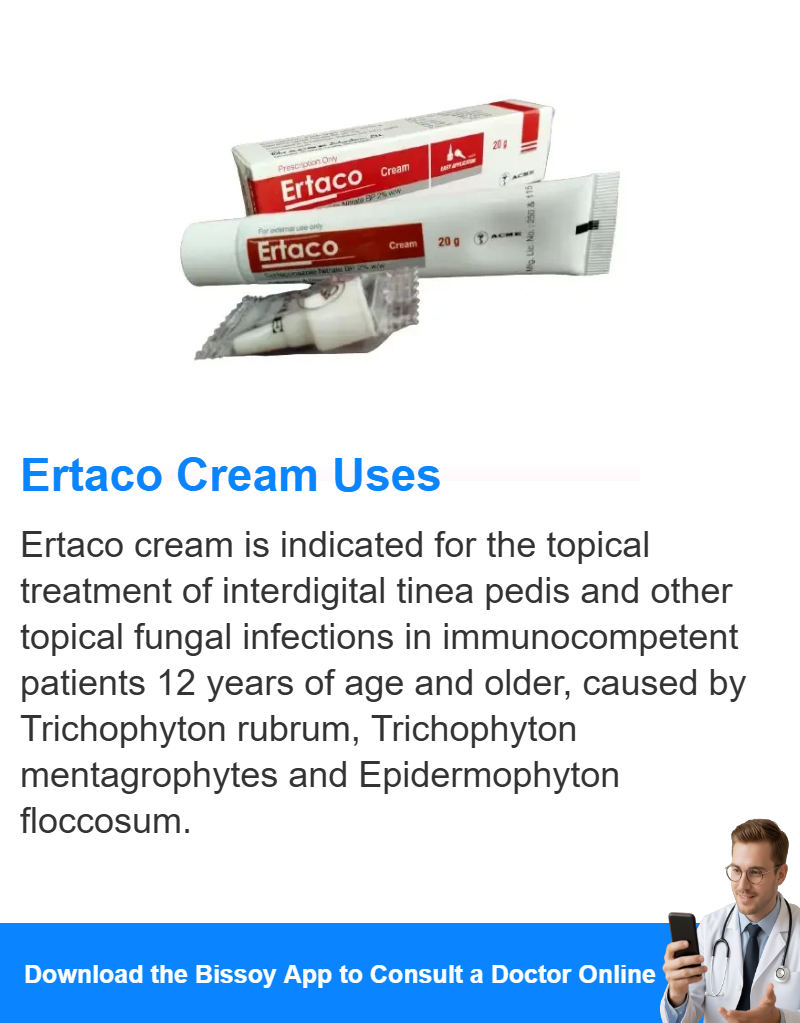
Sertaconazole is a topical antifungal agent used in the treatment of interdigital tinea pedis in immunocompetent patients.
For the topical treatment of interdigital tinea pedis in immunocompetent patients 12 years of age and older, caused by Trichophyton rubrum, Trichophyton mentagrophytes, and Epidermophyton floccosum.
Associated Conditions
Pharmacodynamics
Sertaconazole is an imidazole/triazole type antifungal agent. Sertaconazole is a highly selective inhibitor of fungal cytochrome P-450 sterol C-14 α-demethylation via the inhibition of the enzyme cytochrome P450 14α-demethylase. This enzyme converts lanosterol to ergosterol, and is required in fungal cell wall synthesis. The subsequent loss of normal sterols correlates with the accumulation of 14 α-methyl sterols in fungi and may be partly responsible for the fungistatic activity of fluconazole. Mammalian cell demethylation is much less sensitive to fluconazole inhibition. Sertaconazole exhibits in vitro activity against Cryptococcus neoformans and Candida spp. Fungistatic activity has also been demonstrated in normal and immunocompromised animal models for systemic and intracranial fungal infections due to Cryptococcus neoformans and for systemic infections due to Candida albicans.
Mechanism of Action
Sertaconazole interacts with 14-α demethylase, a cytochrome P-450 enzyme necessary to convert lanosterol to ergosterol. As ergosterol is an essential component of the fungal cell membrane, inhibition of its synthesis results in increased cellular permeability causing leakage of cellular contents. Sertaconazole may also inhibit endogenous respiration, interact with membrane phospholipids, inhibit the transformation of yeasts to mycelial forms, inhibit purine uptake, and impair triglyceride and/or phospholipid biosynthesis.
Absorption
Bioavailability is negligible.
Protein Binding
>99% to plasma
Food Interactions
No interactions found.
Dosage
Pediatric Use: The efficacy and safety of Fungitac cream 2% have not been established in pediatric patients below the age of 12 years.
Geriatric Use: Clinical trials of Fungitac cream 2% did not include sufficient numbers of subjects aged 65 and over to determine whether they respond differently from younger subjects.