Introduction

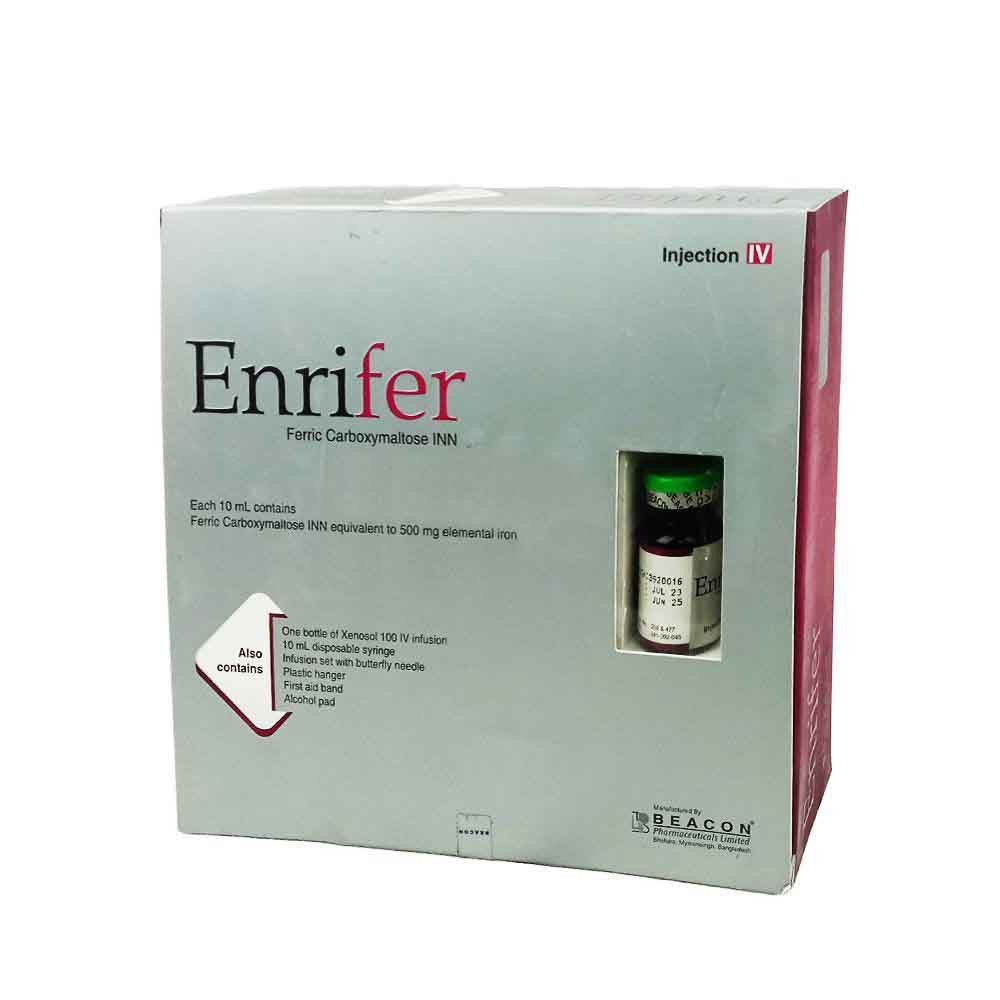
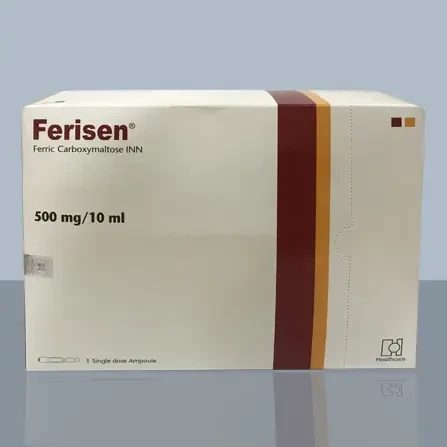
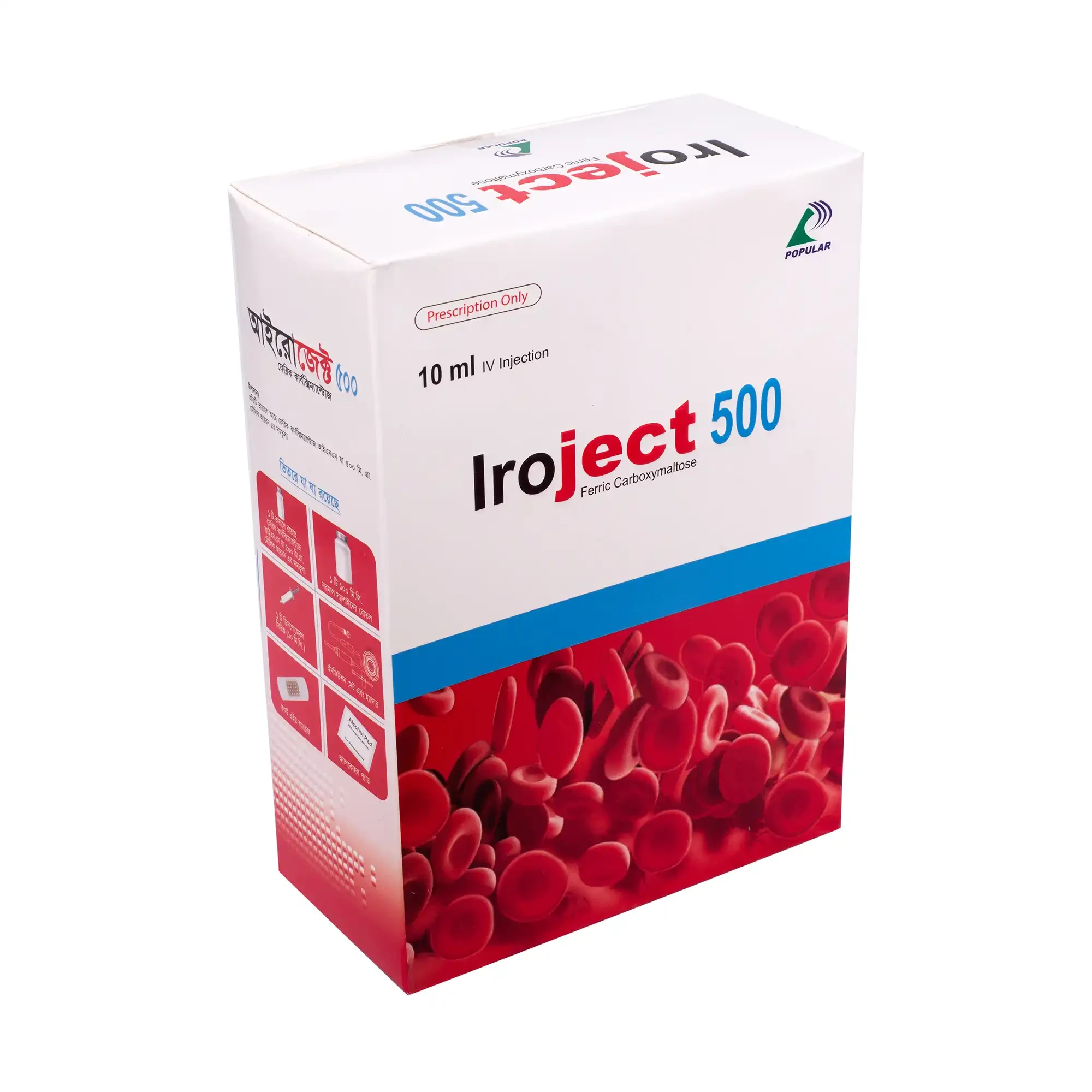
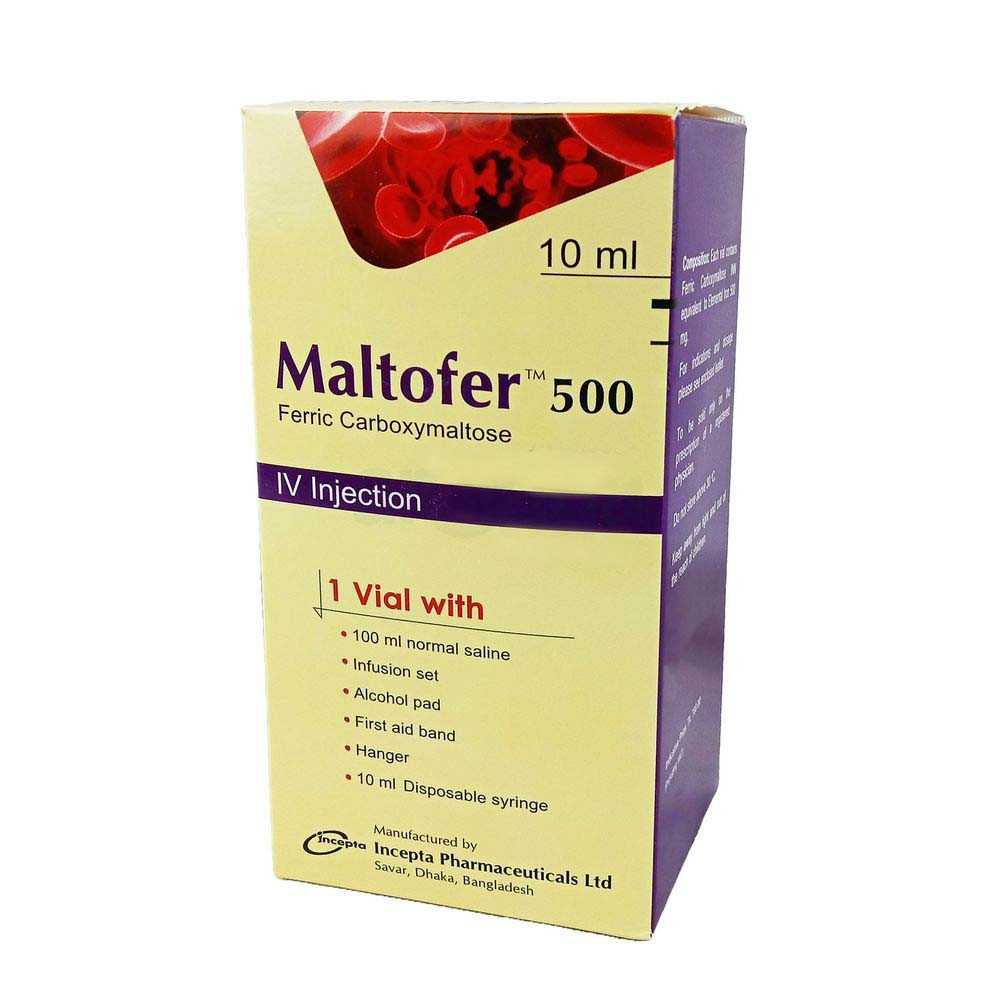
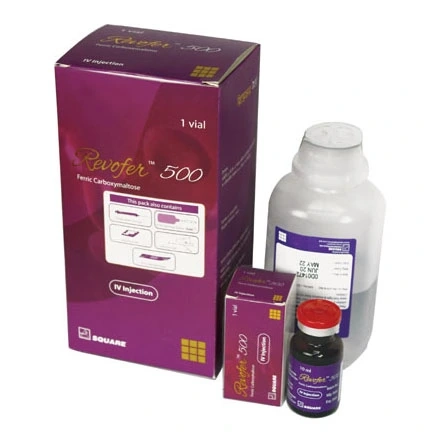
Enrifer IV Injection or Infusion 500 mg/10 ml is an intravenous iron replacement therapy used to treat iron deficiency anemia, particularly in patients who cannot tolerate oral iron supplements or have not responded adequately to them. It is a formulation of iron that is complexed with carboxymaltose, allowing for a high dose of iron to be delivered in a single infusion.

Uses

Enrifer IV Injection or Infusion 500 mg/10 ml is used to treat iron deficiency anemia in adults, including those with chronic kidney disease, inflammatory bowel disease, and other conditions that lead to iron deficiency. It is also used in patients with a high demand for iron, such as pregnant women or those undergoing surgery with significant blood loss.

Brand Name Enrifer
Type IV Injection or Infusion
Weight 500 mg/10 ml
Generic Ferric Carboxymaltose
Manufacturer Beacon Pharmaceuticals Ltd.
Available in English বাংলা

Mechanism of Action

Enrifer IV Injection or Infusion 500 mg/10 ml provides a source of iron that is readily available for incorporation into hemoglobin and other iron-containing proteins. Once infused, the iron is released from the carboxymaltose complex and taken up by transferrin, a protein that transports iron in the bloodstream. The iron is then utilized for erythropoiesis (red blood cell production) and other physiological processes requiring iron.

How Long Does It Take to Work?

Patients may start to see improvements in their symptoms of anemia within a few days to a week after receiving Enrifer IV Injection or Infusion 500 mg/10 ml. The full therapeutic effects, including increases in hemoglobin levels, are usually observed within a few weeks of treatment, depending on the severity of the anemia and the individual’s response to therapy.

Absorption

As an intravenous product, Enrifer IV Injection or Infusion 500 mg/10 ml does not require gastrointestinal absorption. The iron is delivered directly into the bloodstream, bypassing the digestive system and its potential for reduced absorption or gastrointestinal side effects associated with oral iron supplements.

Route of Elimination

The iron from Enrifer IV Injection or Infusion 500 mg/10 ml is eventually metabolized and incorporated into red blood cells or stored in the liver and spleen. Excess iron is slowly excreted via the feces, and a small amount may be lost through urine. The elimination of the carboxymaltose component is not well documented but is assumed to be minimal as it primarily serves as a carrier for the iron.

Dosage

The posology of Ferric Carboxymaltose follows a stepwise approach:
  1. determination of the individual iron need
  2. calculation and administration of the iron dose(s)
  3. post-iron repletion assessments.
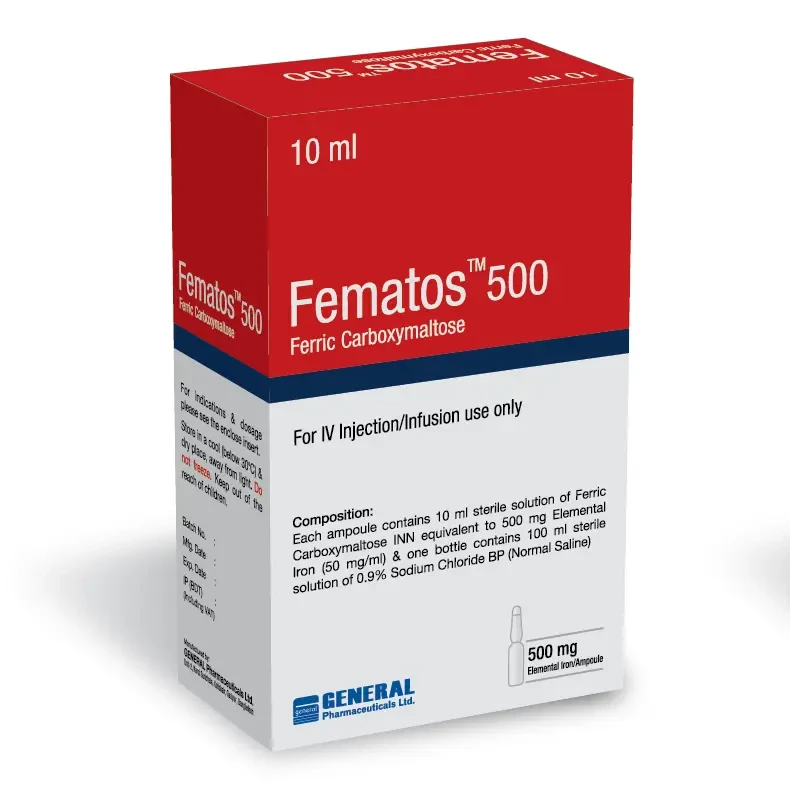
Step 1: Determination of the iron need: The individual iron need for repletion using Fematos is determined based on the patient's body weight and haemoglobin (Hb) level. The following list for determination of the iron need:

Hb <10 g/dl
  • below 35 kg: 500 mg
  • 35 kg to <70 kg: 1500 mg
  • 70 kg and over: 2000 mg
Hb 10 to 14 g/dl
  • below 35 kg: 500 mg
  • 35 kg to <70 kg: 1000 mg
  • 70 kg and over: 1500 mg
Hb >14 g/dl
  • below 35 kg: 500 mg
  • 35 kg to <70 kg: 500 mg
  • 70 kg and over: 500 mg
Step 2: Calculation and administration of the maximum individual iron dose(s): Based on the iron need determined above the appropriate dose(s) of Ferric Carboxymaltose should be administered taking into consideration the following:

A single Ferric Carboxymaltose administration should not exceed:
  • 15 mg iron/kg body weight (for administration by intravenous injection) or 20 mg iron/kg body weight (for administration by intravenous infusion)
  • 1,000 mg of iron (20 ml Ferric Carboxymaltose)
  • The maximum recommended cumulative dose of Ferric Carboxymaltose is 1000 mg of iron per week.
Step 3: Post-iron repletion assessments: Re-assessment should be performed by the clinician based on the individual patient's condition. The Hb level should be re-assessed no earlier than 4 weeks post final Ferric Carboxymaltose administration to allow adequate time for erythropoiesis and iron utilisation. In the event the patient requires further iron repletion, the iron need should be recalculated using above list.

The dosage of Enrifer IV Injection or Infusion 500 mg/10 ml is individualized based on the patient’s iron deficiency and hemoglobin levels. The typical dose ranges from 500 mg to 1,000 mg of iron administered as a single intravenous infusion or divided into multiple doses. The total dose may be adjusted according to the patient’s needs and response to treatment.

Administration

Enrifer IV Injection or Infusion 500 mg/10 ml is administered intravenously, usually in a healthcare setting. The infusion should be given slowly over a period of 15 to 60 minutes, depending on the dose and patient tolerance. Pre-treatment with a test dose may be recommended to assess for potential allergic reactions.

Side Effects

Common side effects of Enrifer IV Injection or Infusion 500 mg/10 ml include headache, dizziness, nausea, vomiting, and gastrointestinal discomfort. Some patients may experience allergic reactions, such as rash or itching. Infusion reactions, including fever and chills, may also occur.

Toxicity

Symptoms of iron toxicity can include abdominal pain, nausea, vomiting, and diarrhea. In severe cases, iron overload may lead to organ damage. Management of toxicity involves discontinuation of the infusion and supportive care. Chelating agents may be used to remove excess iron if necessary.

Precautions

Precautions should be taken in patients with a history of iron overload disorders (such as hemochromatosis) or active infections. Monitoring of iron levels and other blood parameters is important during treatment. Patients should be monitored for signs of allergic reactions or infusion-related side effects.

Interaction

Enrifer IV Injection or Infusion 500 mg/10 ml may interact with certain medications, including other intravenous iron products and medications that affect iron metabolism. It is important to review all concurrent medications to manage potential interactions and adjust treatment as needed.

Disease Interaction

Use with caution in patients with chronic infections, liver disease, or other conditions that may affect iron metabolism. Regular monitoring and dose adjustments may be necessary based on the patient’s underlying health conditions.

Drug Interaction

Drug interactions with Enrifer IV Injection or Infusion 500 mg/10 ml may include reduced efficacy of some medications due to the presence of iron. Patients should inform their healthcare provider of all medications they are taking to avoid potential interactions.

Food Interactions

Food interactions are not applicable as Enrifer IV Injection or Infusion 500 mg/10 ml is administered intravenously. The oral intake of iron supplements or dietary iron does not affect the efficacy of intravenous iron therapy.

Pregnancy Use

Enrifer IV Injection or Infusion 500 mg/10 ml is generally considered safe for use during pregnancy when iron deficiency is present. It should be used under the guidance of a healthcare provider, with careful monitoring of iron levels and fetal well-being.

Lactation Use

The safety of Enrifer IV Injection or Infusion 500 mg/10 ml during lactation is not fully established. However, it is generally considered to have a low risk of affecting breast milk. Consult a healthcare provider before use to assess the benefits and potential risks.

Acute Overdose

Acute overdose may lead to symptoms of iron toxicity, such as gastrointestinal distress, hypotension, and organ damage. Immediate medical attention is required, and treatment typically involves discontinuation of the infusion, supportive care, and potentially the use of iron chelators.

Contraindication

Enrifer IV Injection or Infusion 500 mg/10 ml is contraindicated in patients with known hypersensitivity to iron products or any component of the formulation. It should also be avoided in patients with active infections or iron overload conditions.

Use Direction

Enrifer IV Injection or Infusion 500 mg/10 ml should be administered exactly as prescribed by a healthcare provider. The dosage and infusion rate should be carefully followed to minimize the risk of side effects and ensure effective treatment of iron deficiency anemia.

Storage Conditions

Store Enrifer IV Injection or Infusion 500 mg/10 ml at room temperature, away from light and moisture. The product should be kept in its original container and used before the expiration date. Do not freeze or shake the solution.

Volume of Distribution

The volume of distribution for Enrifer IV Injection or Infusion 500 mg/10 ml is not well defined but is expected to be limited to the bloodstream and body tissues where the iron is utilized or stored.

Half Life

The half-life of Enrifer IV Injection or Infusion 500 mg/10 ml is influenced by the rate of iron release and utilization in the body. The iron from Enrifer IV Injection or Infusion 500 mg/10 ml has a half-life in the range of several hours, but its effects can last longer due to continued incorporation into hemoglobin and storage.

Clearance

The clearance of Enrifer IV Injection or Infusion 500 mg/10 ml involves the metabolism of the iron component and its excretion through the urine and feces. The carboxymaltose component is also gradually cleared from the body, with minimal impact on systemic circulation.

See in details version Enrifer IV Injection or Infusion 500 mg/10 ml also Enrifer IV Injection or Infusion 500 mg/10 ml in bangla

Social card

Uses

Some Frequently Asked Questions About Enrifer IV Injection or Infusion 500 mg/10 ml

*** Taking medicines without doctor's advice can cause long-term problems.
Dr. Ali Asgar Chowdhury

Dr. Ali Asgar Chowdhury

Cancer & Tumor Specialist

Call Doctor
Dr. Nayem Hasan

Dr. Nayem Hasan

Medicine Specialist

Call Doctor
Dr. Provati Pandit

Dr. Provati Pandit

Child & Child Neurology Specialist

Call Doctor
Related Medicines