Introduction
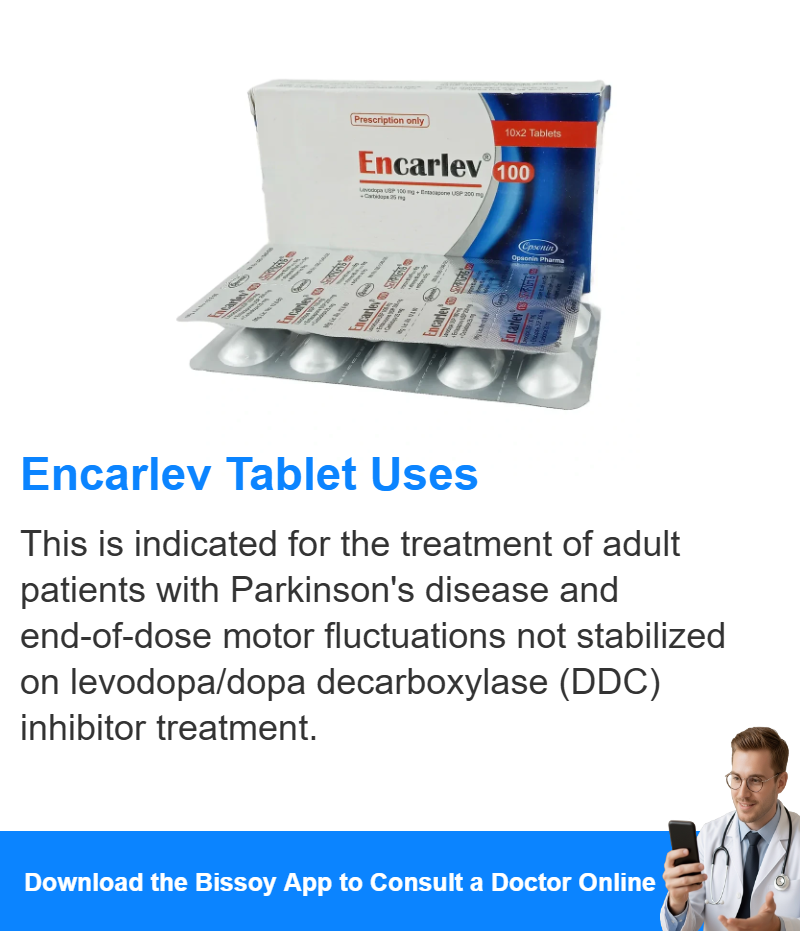
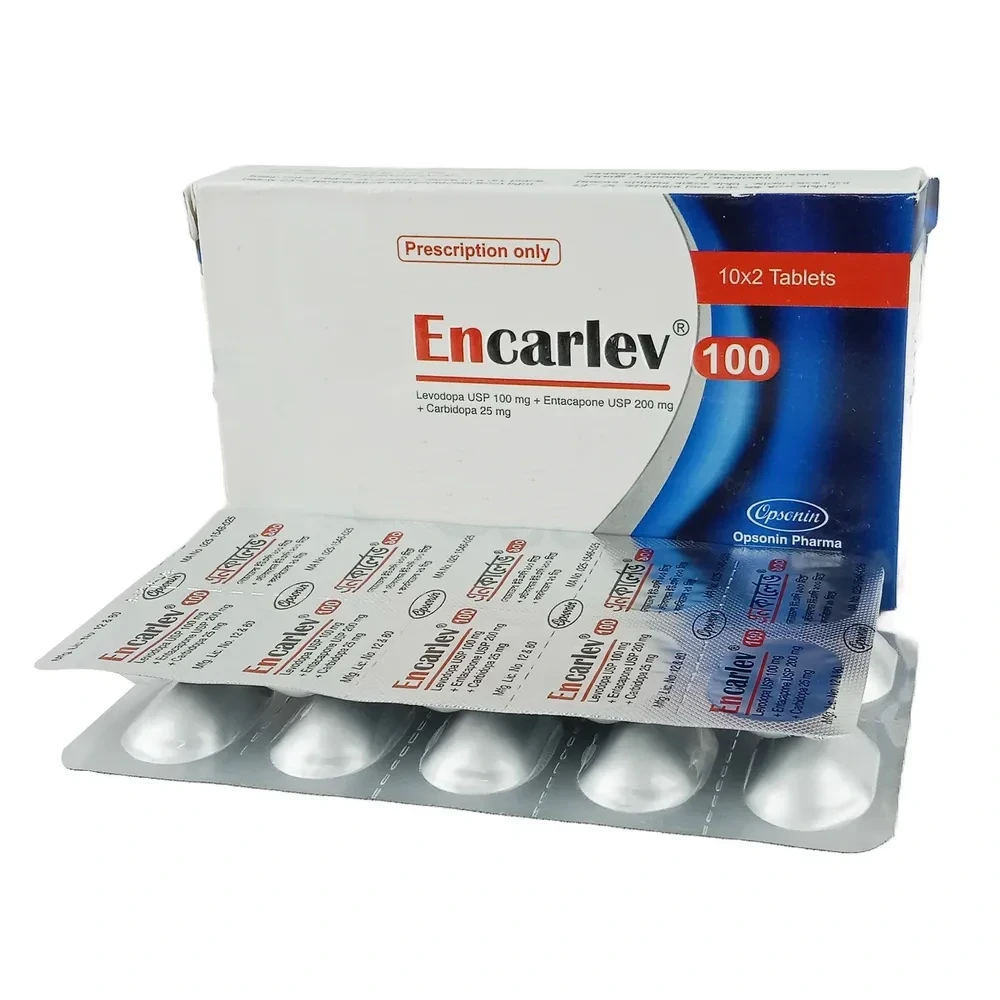
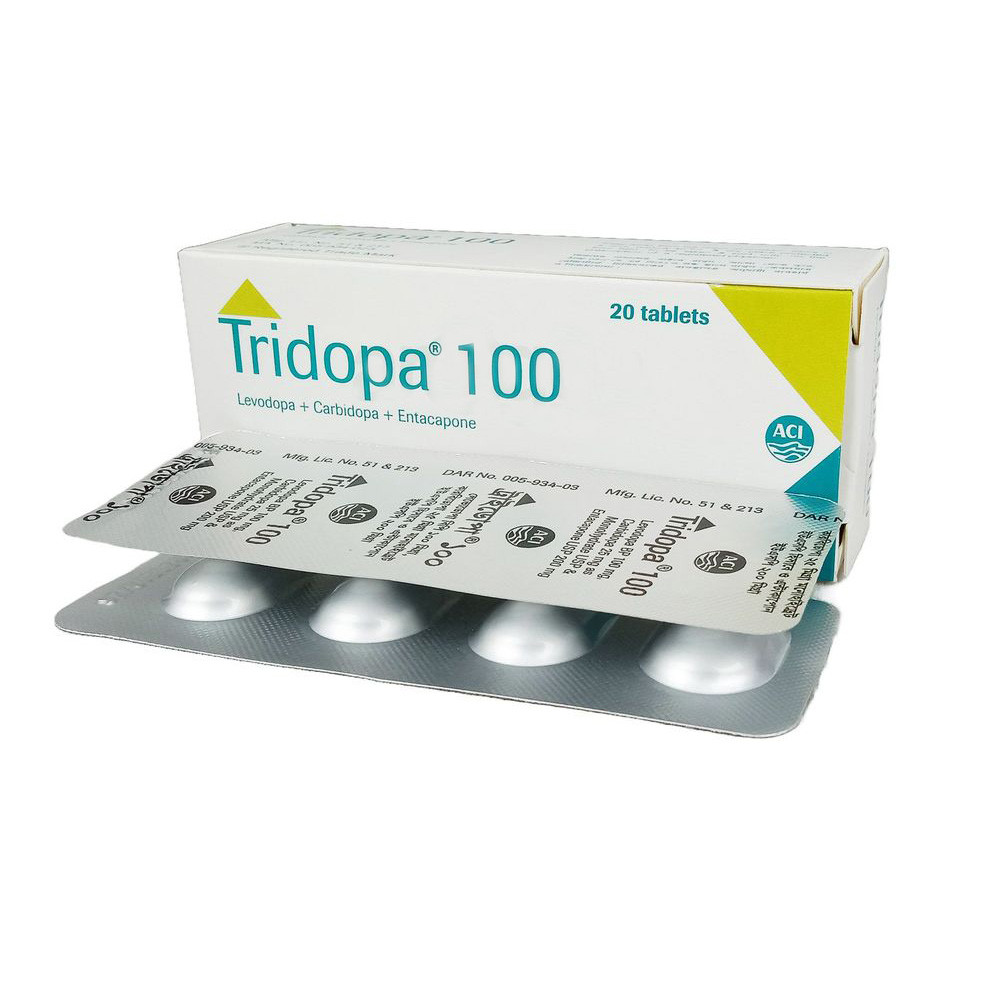
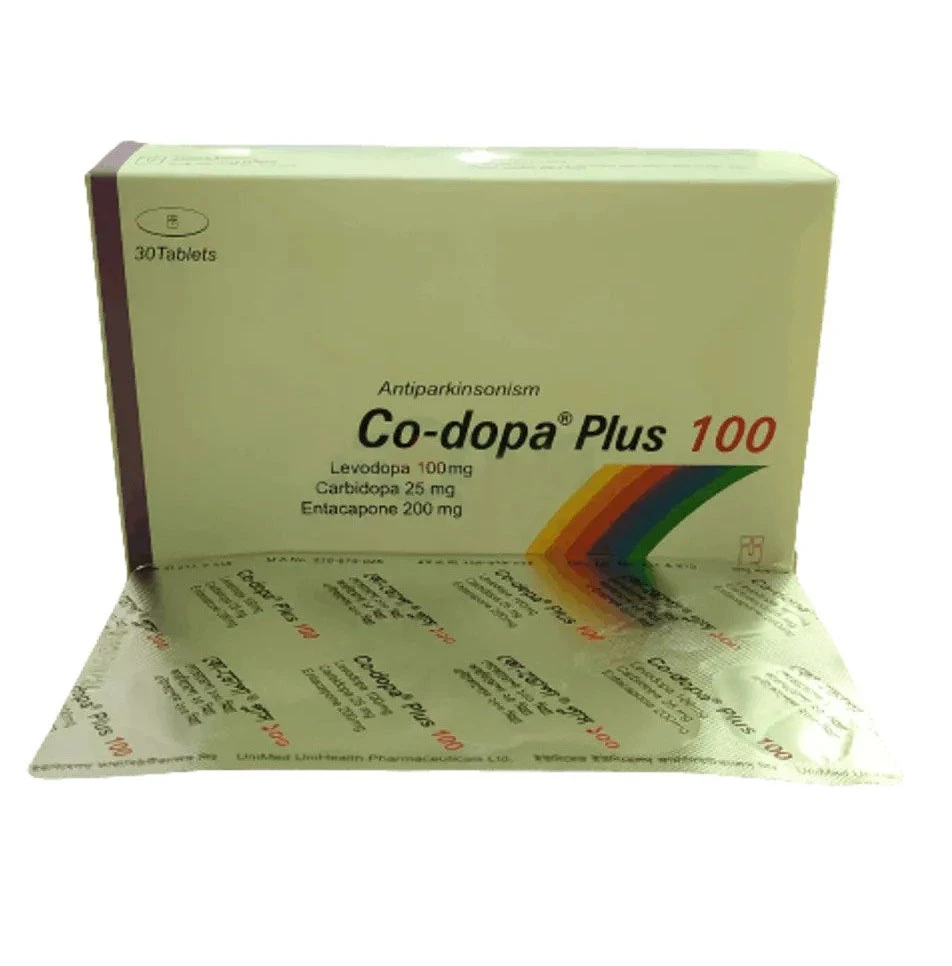
Encarlev Tablet 100 mg+25 mg+200 mg is a combination medication used to treat Parkinson's disease and Parkinson-like symptoms. It combines three active ingredients to improve the management of Parkinson’s symptoms by enhancing dopaminergic activity in the brain.
Uses
This combination is used for:
- Treating Parkinson’s disease, particularly in patients who have experienced a diminished response to levodopa alone or with carbidopa.
- Managing symptoms of Parkinsonism, such as tremors, rigidity, and bradykinesia (slowness of movement).
Mechanism of Action
Levodopa is a precursor to dopamine, which helps replenish the brain's dopamine levels. Carbidopa inhibits the peripheral conversion of levodopa to dopamine, ensuring more levodopa reaches the brain. Entacapone inhibits the enzyme catechol-O-methyltransferase (COMT), which prolongs the action of levodopa by preventing its breakdown in the periphery.
How Long Does It Take to Work?
Patients may begin to see improvements in symptoms within a few days to weeks of starting the medication. The full benefits might take several weeks to become evident, as the medication needs to be properly adjusted and optimized.
Absorption
Levodopa is rapidly absorbed from the gastrointestinal tract. Carbidopa and entacapone enhance the effectiveness of levodopa by preventing its premature conversion and degradation. The combination is typically taken in tablet form, with food aiding in the absorption of levodopa.
Route of Elimination
Levodopa is metabolized in the liver and kidneys, with a portion excreted unchanged in the urine. Entacapone is also metabolized in the liver, and its metabolites are excreted primarily in the urine.
Dosage
Adults: The optimum daily dose must be determined by careful titration of levodopa in each patient. Patients should be instructed to take only 1 tablet per dose administration. The maximum recommended daily dose of entacapone is 2,000 mg. Usually this tablet is to be used in patients who are currently treated with corresponding doses of standard release levodopa/DDC inhibitor and entacapone.Method of administration: Each tablet is to be taken orally either with or without food. One tablet contains one treatment dose and the tablet may only be administered as whole tablets.
How to transfer patients taking levodopa/DDC inhibitor (carbidopa or benserazide) preparations and entacapone tablets to this combination:
- Patients who are currently treated with entacapone and with standard release levodopa/carbidopa in doses equal to Tridopa tablet strengths can be directly transferred to corresponding Tridopa tablets. For example, a patient taking one tablet of 100 mg/25 mg of levodopa/carbidopa with one tablet of entacapone 200 mg four times daily can take one Tridopa 100 tablet four times daily in place of their usual levodopa/carbidopa and entacapone doses.
- When initiating Tridopa therapy for patients currently treated with entacapone and levodopa/carbidopa in doses not equal to Tridopa 100 (or Tridopa 50 or Tridopa 150 or Tridopa 200) tablets, Tridopa dosing should be carefully titrated for optimal clinical response. At the initiation, Tridopa should be adjusted to correspond as closely as possible to the total daily dose of levodopa currently used.
- When initiating Tridopa in patients currently treated with entacapone and levodopa/benserazide in a standard release formulation, the dosing of levodopa/benserazide should be discontinued in the previous night, and Tridopa should be started in the next morning. The starting dose of Tridopa should provide either the same amount of levodopa or slightly (5-10%) more.
- Initiation of Tridopa may be considered at corresponding doses to current treatment in some patients with Parkinson's disease and end-of-dose motor fluctuations, who are not stabilized on their current standard release levodopa/DDC inhibitor treatment. However, a direct switch from levodopa/DDC inhibitor to Tridopa is not recommended for patients who have dyskinesias or whose daily levodopa dose is above 800 mg. In such patients it is advisable to introduce entacapone treatment as a separate treatment (entacapone tablets) and adjust the levodopa dose if necessary, before switching to Tridopa.
- Entacapone enhances the effects of levodopa. It may therefore be necessary, particularly in patients with dyskinesia, to reduce levodopa dose by 10-30% within the first days to first weeks after initiating Tridopa treatment. The daily dose of levodopa can be reduced by extending the dosing intervals and/or by reducing the amount of levodopa per dose, according to the clinical condition of the patient.
Discontinuation of Tridopa therapy: If Tridopa treatment (levodopa/carbidopa/entacapone) is discontinued and the patient is transferred to levodopa/DDC inhibitor therapy without entacapone, it is necessary to adjust the dosing of other antiparkinsonian treatments, especially levodopa, to achieve a sufficient level of control of the parkinsonian symptoms.
The dosage of Encarlev Tablet 100 mg+25 mg+200 mg is individualized based on the patient's response and tolerance. The usual starting dose is:
- One tablet (containing 100 mg of levodopa, 25 mg of carbidopa, and 200 mg of entacapone) taken three to four times daily.
Administration
Administer the medication orally, with or without food. It is recommended to take the tablets at regular intervals to maintain stable levels of the medication in the body. Do not crush or chew the tablets.
Side Effects
Common side effects include:
- Nausea and vomiting.
- Dizziness and orthostatic hypotension.
- Insomnia.
- Dry mouth.
- Psychiatric symptoms (e.g., hallucinations, confusion).
- Severe dyskinesias (involuntary movements).
- Rhabdomyolysis (muscle breakdown).
Toxicity
Symptoms of toxicity may include severe nausea, confusion, and dyskinesias. In case of overdose, seek immediate medical attention. Treatment typically involves symptomatic care and dose adjustment.
Precautions
Precautions include:
- Monitor for signs of dyskinesia and mental changes.
- Use with caution in patients with cardiovascular disease or a history of peptic ulcers.
- Adjust dosage gradually to avoid sudden changes in symptom control.
Interaction
This medication may interact with other drugs, including:
- Antipsychotics, which may reduce the efficacy of levodopa.
- MAO inhibitors, which can lead to severe interactions and hypertensive crisis.
- Antihypertensives, which may have additive hypotensive effects.
Disease Interaction
Use this medication with caution in patients with:
- Severe liver or kidney impairment.
- History of melanoma or skin cancer, as levodopa may increase the risk.
- Glaucoma, due to potential changes in intraocular pressure.
Drug Interaction
Drug interactions can occur with:
- Iron supplements, which may reduce the absorption of levodopa.
- Probenecid, which can increase levodopa levels.
- Drugs affecting serotonin levels, which may increase the risk of serotonin syndrome.
Food Interactions
Protein-rich foods may reduce the absorption of levodopa. It is advisable to monitor dietary intake and maintain a balanced diet while on this medication. Avoid excessive intake of protein around the time of medication administration.
Pregnancy Use
Encarlev Tablet 100 mg+25 mg+200 mg is classified as Category C for pregnancy. This means that risk cannot be ruled out. The medication should be used during pregnancy only if the potential benefit justifies the potential risk to the fetus. Consult a healthcare provider for personalized advice.
Lactation Use
Levodopa is excreted in breast milk, and it is unknown if Carbidopa or Entacapone are. The medication should be used with caution during lactation, considering the benefits and potential risks to the nursing infant. Discuss with a healthcare provider to determine the best course of action.
Acute Overdose
In the event of acute overdose, symptoms may include severe nausea, confusion, and dyskinesias. Immediate medical attention is necessary. Treatment involves supportive care and potentially symptomatic management.
Contraindication
This combination medication is contraindicated in patients with:
- Hypersensitivity to levodopa, carbidopa, or entacapone.
- Angle-closure glaucoma.
- Severe hepatic impairment.
Use Direction
Follow the prescribed dosage instructions carefully. Take the medication consistently with or without food. Do not adjust the dosage or discontinue the medication without consulting your healthcare provider.
Storage Conditions
Store the medication at room temperature, away from moisture and heat. Keep out of reach of children and do not use after the expiration date on the packaging.
Volume of Distribution
The volume of distribution for the combined components varies. Levodopa has a volume of distribution of about 1.1 L/kg, while the volumes for Carbidopa and Entacapone are not well-characterized individually in the combination product.
Half Life
The half-life of levodopa is approximately 1.5 hours, but its effects are prolonged due to Carbidopa and Entacapone. Entacapone has a half-life of approximately 0.5 hours.
Clearance
Levodopa clearance is primarily through the liver and kidneys. Entacapone is cleared via hepatic metabolism, with metabolites excreted mainly in the urine. Carbidopa's clearance is not well-documented in combination but follows similar pathways.