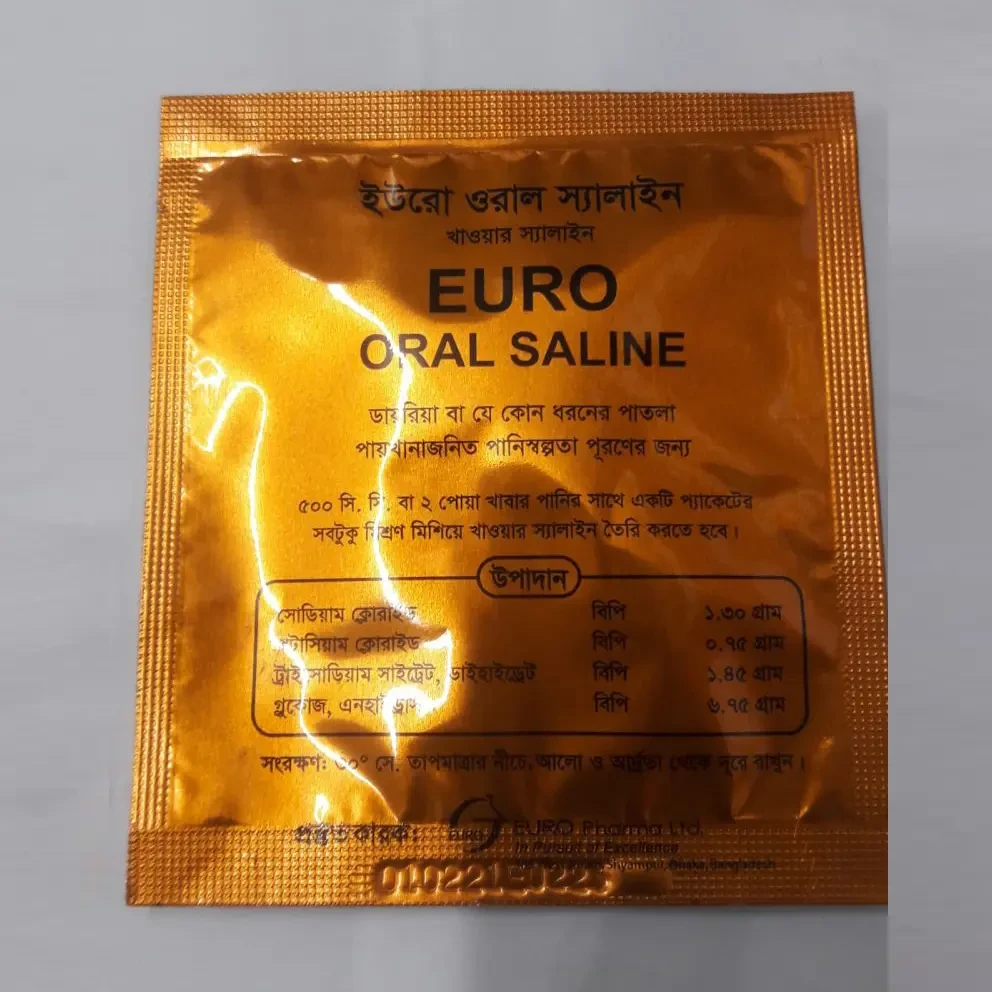
Introduction
Oral rehydration salts (ORS) are a type of oral electrolyte solution designed to treat and prevent dehydration, particularly in cases of diarrhea or vomiting. Glucose-based ORS solutions are commonly used to help restore fluid and electrolyte balance in the body.
Uses
ORS is primarily used to manage dehydration caused by gastrointestinal diseases such as diarrhea, vomiting, and other conditions that result in significant fluid loss. It is especially effective in treating dehydration in children and adults.
Mechanism of Action
ORS solutions work by providing a balance of electrolytes (sodium, potassium, and chloride) and glucose. The glucose facilitates the absorption of sodium and other electrolytes through the intestinal wall, which helps to replenish lost fluids and electrolytes efficiently.
How Long Does It Take to Work?
The effects of ORS are usually observed within a few hours of administration. Improvement in hydration status and reduction in symptoms of dehydration such as thirst and dry mouth typically occur quickly, depending on the severity of dehydration.
Absorption
ORS is absorbed primarily through the small intestine. The presence of glucose enhances the absorption of sodium and water via the sodium-glucose transport mechanism, which is crucial in rehydration.
Route of Elimination
The components of ORS are metabolized and excreted through the normal physiological processes. Sodium and potassium are excreted through urine, while glucose is utilized for energy or converted to glycogen and stored.
Dosage
Daily dose should be equivalent to patients' fluid requirement for maintenance and replenishment of losses. During this therapy, mother should not stop breastfeeding to their child and normal food should be continued in case of adults.Children less than 2 years: After each loose stool or vomiting 50-100 mL (10 to 20 teaspoonful) of prepared this.
Children 2 to 10 years: After each loose stool or vomiting 100-200 mL (1/2 to 1 glass) of prepared oral saline.
Adult and children above 10 years: After each loose stool or vomiting 200-400 mL (1 to 2 glass) of prepared this.
The dosage of ORS depends on the severity of dehydration and the individual's needs. For mild to moderate dehydration, the general recommendation is to consume about 50-100 mL/kg body weight of ORS solution over a 4-6 hour period. In severe cases, medical supervision is recommended for precise dosage and rehydration.
Administration
ORS is typically administered orally. It should be prepared according to the instructions on the package, usually by dissolving the contents in a specified amount of clean water. The solution should be consumed in small, frequent sips to improve absorption and tolerance.
Side Effects
ORS is generally well-tolerated with minimal side effects. However, some individuals may experience mild gastrointestinal symptoms such as nausea or bloating. In rare cases, excessive consumption may lead to imbalances in electrolytes.
Toxicity
ORS is not typically associated with toxicity when used as directed. Overuse or improper preparation can lead to electrolyte imbalances or gastrointestinal disturbances, but this is uncommon when proper guidelines are followed.
Precautions
ORS should be used with caution in individuals with pre-existing conditions affecting electrolyte balance, such as kidney disease. It is essential to follow the preparation instructions carefully and avoid using contaminated water.
Interaction
ORS does not generally interact with other medications. However, it is important to consider any underlying conditions or medications that might affect electrolyte levels or fluid balance.
Disease Interaction
ORS should be used with caution in individuals with renal impairment, cardiovascular conditions, or other diseases affecting fluid and electrolyte balance. It is important to monitor hydration status and adjust treatment as needed.
Drug Interaction
ORS does not have significant drug interactions. However, in cases of concurrent medication use, it is advisable to monitor for any potential effects on electrolyte levels and fluid balance.
Food Interactions
ORS can be used alongside food, but it is usually recommended to avoid giving ORS with very sugary or high-fat foods that may impair absorption. ORS should be administered separately from meals or snacks if possible.
Pregnancy Use
ORS is generally considered safe for use during pregnancy to manage dehydration. It is important to follow the recommended dosages and seek medical advice if there are any concerns about underlying health conditions.
Lactation Use
ORS can be used by lactating women to manage dehydration. It is generally safe, but proper hydration and nutrition should be monitored to ensure both maternal and infant health.
Acute Overdose
Acute overdose of ORS is unlikely, but excessive consumption can lead to gastrointestinal disturbances such as nausea or diarrhea. It is important to follow dosage recommendations and consult a healthcare provider if there are concerns.
Contraindication
ORS should not be used in cases of severe electrolyte imbalances or in individuals with certain medical conditions such as severe renal failure without medical supervision. It should be used according to guidelines to avoid complications.
Use Direction
Prepare ORS by dissolving the packet contents in the specified amount of clean water as directed on the package. Consume the solution in small, frequent sips, especially during episodes of dehydration. Follow specific dosage instructions based on the severity of dehydration.
Storage Conditions
ORS packets should be stored in a cool, dry place, away from moisture and heat. Prepared solutions should be used within 24 hours and kept in a clean container to prevent contamination.
Volume of Distribution
Volume of distribution is not typically applicable for ORS, as it is an electrolyte solution used for rehydration rather than a pharmacological drug.
Half Life
Half-life is not relevant for ORS, as it is not a drug but a solution used for fluid and electrolyte replacement.
Clearance
Clearance information is not applicable for ORS. The components are metabolized and excreted through normal physiological processes.