Introduction
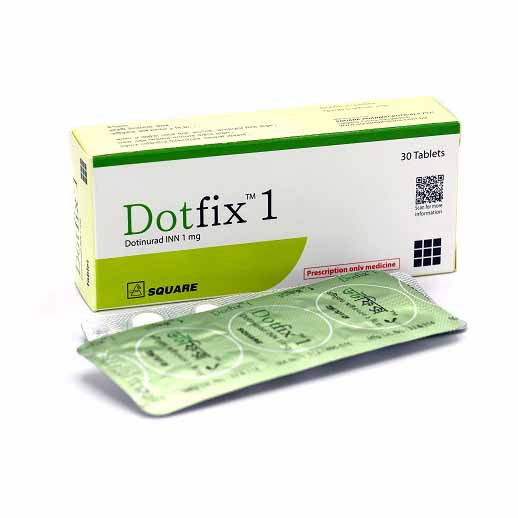
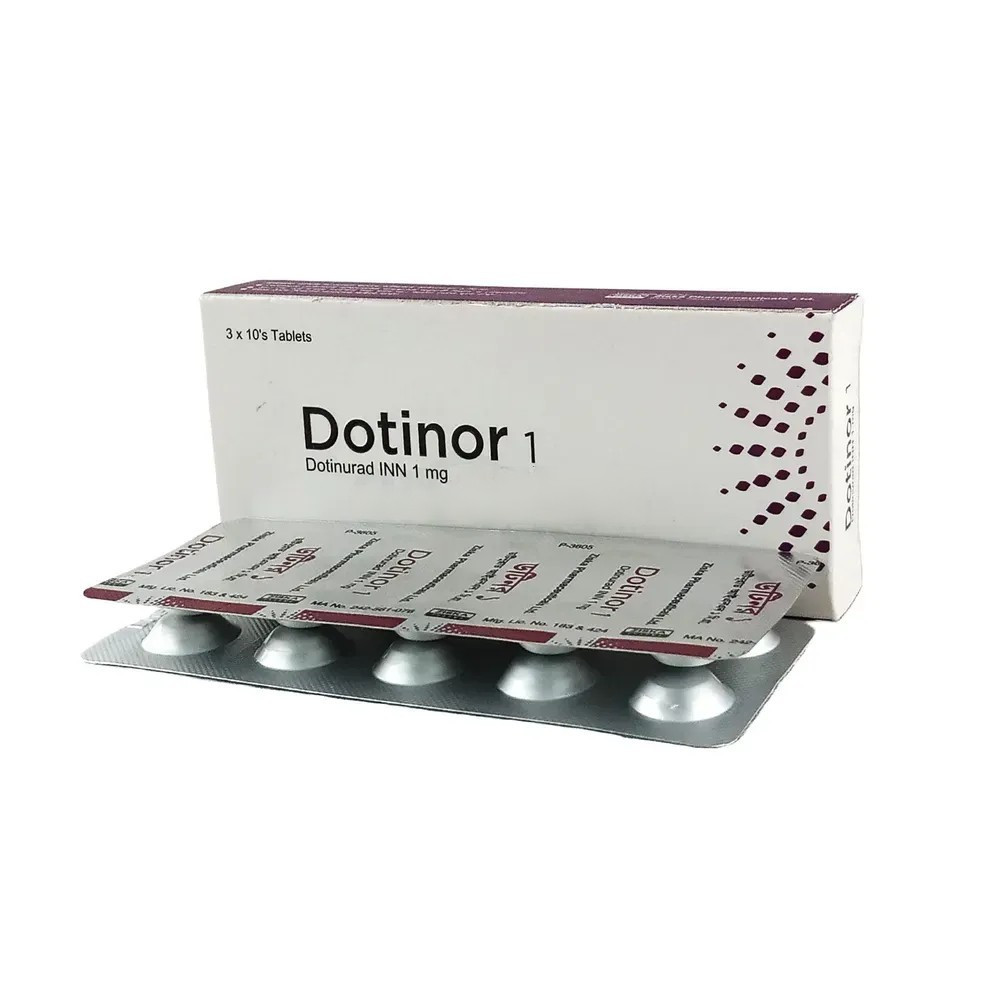
Dotiric Tablet 1 mg is a novel uric acid-lowering agent used in the management of hyperuricemia associated with gout. It works by targeting specific pathways involved in uric acid metabolism to reduce serum uric acid levels.
Uses
Dotiric Tablet 1 mg is primarily used for the treatment of hyperuricemia in patients with gout. It helps in lowering elevated uric acid levels in the blood, thereby reducing the risk of gout attacks and managing chronic gout symptoms.
| Brand Name | Dotiric |
|---|---|
| Type | Tablet |
| Weight | 1 mg |
| Generic | Dotinurad |
| Manufacturer | Everest Pharmaceuticals Ltd. |
| Available in | English বাংলা |
Mechanism of Action
Dotiric Tablet 1 mg functions by inhibiting uric acid reabsorption in the kidneys. It acts on the urate transporter proteins in the renal tubules, thereby increasing the excretion of uric acid and lowering serum uric acid levels.
How Long Does It Take to Work?
The onset of action for Dotiric Tablet 1 mg can vary, but significant reductions in serum uric acid levels are typically observed within a few weeks of starting treatment. Full therapeutic effects may take several weeks to achieve.
Absorption
Dotiric Tablet 1 mg is absorbed from the gastrointestinal tract following oral administration. Peak plasma concentrations are generally reached within a few hours after ingestion.
Route of Elimination
Dotiric Tablet 1 mg is primarily excreted via the urine. A portion of the drug is metabolized in the liver before being eliminated through the kidneys.
Dosage
The usual adult dosage is 0.5 mg of Dotinurad, administered orally once daily. After that, gradually increase the dose as necessary while checking the blood uric acid level. The maintenance dose is usually 2 mg once a day and the dose may be adjusted according to the patient's condition but the maximum dose should be 4 mg once a day.Precautions Related to Dosage and Administration: In the early stages of treatment with urate-lowering drugs, gouty arthritis (gout attack) may be induced by a rapid decrease in blood uric acid levels. The dose should be gradually increased to 1 mg once a day after 2 weeks and 2 mg once a day after 6 weeks. Patients should be carefully monitored after the dose is increased.
Missing dose: If you miss a dose, take the missed dose as soon as possible when you remember. However, if it is almost time for the next dose, skip the missed dose and continue your regular dosing schedule. Never take two doses at once. Do not stop taking this medicine without your doctor's advice.
Overdose: If you accidentally take too much, consult your doctor or pharmacist.
The usual dosage of Dotiric Tablet 1 mg for adults is 40 mg once daily. Dosage adjustments may be necessary based on individual response and tolerability. It is important to follow the specific dosage recommendations provided by a healthcare provider.
Administration
Dotiric Tablet 1 mg is administered orally, typically in tablet form. It should be taken with or without food, as directed by a healthcare provider. The medication should be swallowed whole, and not crushed or chewed.
Side Effects
Common side effects of Dotiric Tablet 1 mg may include:
- Headache
- Gastrointestinal disturbances (e.g., nausea, abdominal pain)
- Dizziness
Toxicity
Toxicity associated with Dotiric Tablet 1 mg is uncommon but can occur with excessive doses. Symptoms of overdose may include severe gastrointestinal symptoms and potential electrolyte imbalances. In case of overdose, seek medical help immediately.
Precautions
- Monitor kidney function regularly, as Dotiric Tablet 1 mg can affect renal function. - Use with caution in patients with a history of kidney disease or those on medications affecting renal function. - Adjust dosage in cases of severe renal impairment.
Interaction
Dotiric Tablet 1 mg may interact with other medications, particularly those affecting renal function or uric acid metabolism. Always inform your healthcare provider of all medications you are taking, including over-the-counter drugs and supplements.
Disease Interaction
Patients with severe renal impairment or liver dysfunction may require dosage adjustments. Monitor for any adverse effects and consult with a healthcare provider to ensure safe use.
Drug Interaction
Dotiric Tablet 1 mg may interact with drugs that are also metabolized by the liver or those that affect kidney function. Potential interactions include:
- Other uric acid-lowering agents
- Medications affecting renal clearance
Food Interactions
There are no significant food interactions with Dotiric Tablet 1 mg. It can be taken with or without food. However, maintaining a balanced diet and adequate hydration is recommended to support overall health.
Pregnancy Use
The safety of Dotiric Tablet 1 mg during pregnancy has not been well established. It should only be used during pregnancy if the potential benefits outweigh the risks. Consult with a healthcare provider for personalized advice.
Lactation Use
The excretion of Dotiric Tablet 1 mg in breast milk is unknown. Caution is advised when using Dotiric Tablet 1 mg during lactation. Discuss with a healthcare provider to evaluate the risks and benefits.
Acute Overdose
In the event of an acute overdose, seek immediate medical attention. Symptoms may include severe gastrointestinal disturbances and potential electrolyte imbalances. Management involves supportive care and symptomatic treatment.
Contraindication
Dotiric Tablet 1 mg is contraindicated in individuals with known hypersensitivity to the drug or its components. It should be used cautiously in patients with severe renal impairment.
Use Direction
Follow the prescribed dosage and administration instructions provided by your healthcare provider. Do not exceed the recommended dose and inform your provider of any other medications or health conditions.
Storage Conditions
Store Dotiric Tablet 1 mg at room temperature, away from moisture and heat. Keep the medication out of reach of children and follow any specific storage instructions provided.
Volume of Distribution
The volume of distribution of Dotiric Tablet 1 mg is not specifically well-defined, but it is distributed throughout the body tissues, primarily affecting the kidneys.
Half Life
The half-life of Dotiric Tablet 1 mg is approximately 7 to 10 hours. This allows for once-daily dosing, but individual half-life may vary based on renal function and other factors.
Clearance
Dotiric Tablet 1 mg is cleared predominantly through the kidneys. Clearance rates can be affected by renal function, requiring adjustments in patients with renal impairment.
See in details version Dotiric Tablet 1 mg also Dotiric Tablet 1 mg in bangla