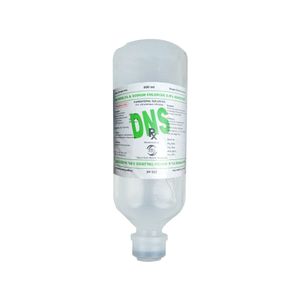
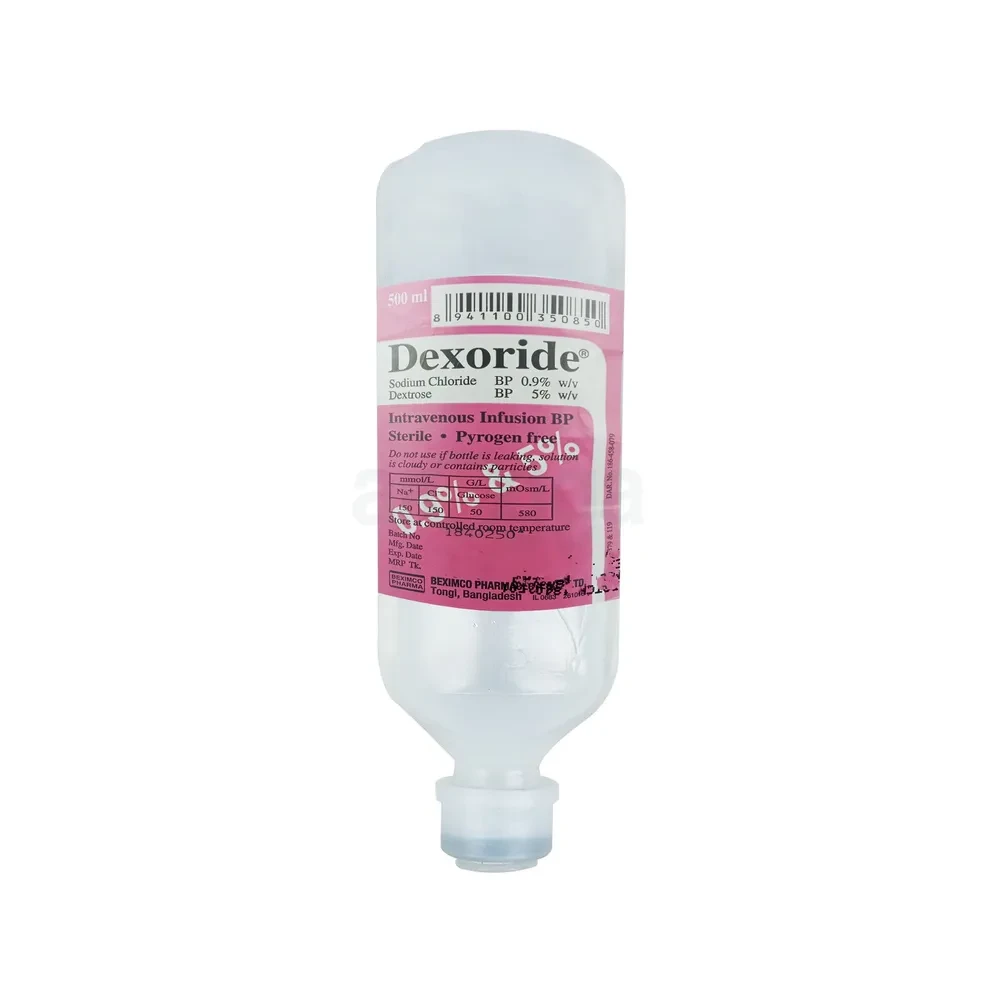
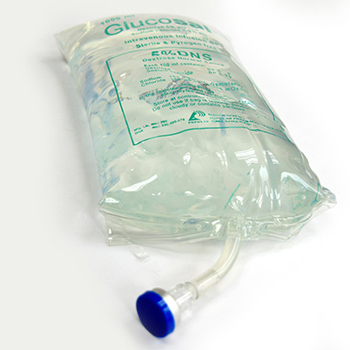
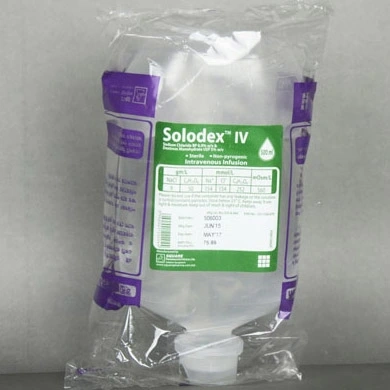
1. What is DNS IV Infusion 0.9%+5% used for in human medicine?
DNS IV Infusion 0.9%+5% is a combination of two substances often used in intravenous (IV) solutions. It is primarily used for hydration, restoring fluid balance, and providing energy in patients who are dehydrated, suffering from hypoglycemia, or need replenishment after surgery or illness.
2. How does DNS IV Infusion 0.9%+5% work in the body?
Sodium Chloride provides essential electrolytes (mainly sodium) that help maintain fluid balance and blood pressure. Dextrose is a form of glucose that provides immediate energy for cells, particularly for the brain and muscles. The combination helps rehydrate the body and restore glucose levels.
3. What is the typical concentration of DNS IV Infusion 0.9%+5% used in IV solutions?
The concentration of DNS IV Infusion 0.9%+5% can vary depending on the patient's needs. Common formulations include:
- 0.9% Sodium Chloride and 5% Dextrose (D5NS)
- 0.45% Sodium Chloride and 5% Dextrose (D5 1/2 NS)
- 3% Sodium Chloride and 5% Dextrose (D5 3% NaCl)
These solutions are used based on the degree of dehydration and electrolyte imbalance in the patient.
4. Can DNS IV Infusion 0.9%+5% be used for treating dehydration?
Yes, DNS IV Infusion 0.9%+5% is commonly used to treat dehydration. It helps replenish fluids and electrolytes in the body, particularly in patients who have lost fluids due to illness, vomiting, diarrhea, or surgery.
5. Is DNS IV Infusion 0.9%+5% safe for diabetic patients?
DNS IV Infusion 0.9%+5% should be used cautiously in diabetic patients because the dextrose component can raise blood glucose levels. Blood sugar levels need to be closely monitored, and the solution may be adjusted depending on the patient's needs and glucose levels.
6. Can DNS IV Infusion 0.9%+5% be used during surgery?
Yes, DNS IV Infusion 0.9%+5% is often used during surgery to maintain hydration and blood sugar levels. It helps provide the necessary fluids and energy for patients who are unable to consume food or fluids during surgery.
7. What are the side effects of DNS IV Infusion 0.9%+5%?
Some common side effects include:
- Fluid overload
- Hyperglycemia (high blood sugar)
- Electrolyte imbalances
- Infection at the injection site
- Vein irritation if administered too quickly
It is essential to monitor the patient for any adverse reactions during administration.
8. How quickly does DNS IV Infusion 0.9%+5% work?
DNS IV Infusion 0.9%+5% works relatively quickly, especially when administered intravenously. Dextrose is rapidly absorbed into the bloodstream, providing an immediate source of energy, while Sodium Chloride helps restore fluid balance and electrolyte levels.
9. Can DNS IV Infusion 0.9%+5% be used for hypoglycemia?
Yes, DNS IV Infusion 0.9%+5% can be used for treating hypoglycemia, particularly when a quick boost in blood sugar is needed. The Dextrose in the solution raises blood sugar levels, providing immediate energy to the body.
10. What conditions can be treated with DNS IV Infusion 0.9%+5%?
DNS IV Infusion 0.9%+5% can be used for:
- Dehydration
- Hypoglycemia
- Electrolyte imbalances
- Post-surgical recovery
- Severe fluid loss due to vomiting or diarrhea
It is often used in hospital settings to provide hydration and energy.
11. Can DNS IV Infusion 0.9%+5% be used in infants?
Yes, DNS IV Infusion 0.9%+5% can be used in infants, especially for conditions like dehydration, hypoglycemia, or when intravenous nutrition is necessary. The solution's concentration and volume are adjusted for the infant's weight and condition.
12. Is DNS IV Infusion 0.9%+5% used for weight loss?
DNS IV Infusion 0.9%+5% is not used for weight loss. It is primarily a hydration and energy replacement solution used for medical conditions that cause dehydration or low blood sugar. It may lead to weight gain if used excessively, especially due to the dextrose component.
13. How is DNS IV Infusion 0.9%+5% administered?
DNS IV Infusion 0.9%+5% is administered intravenously (IV) by healthcare professionals. The solution is typically infused slowly over a period of time, depending on the patient's condition and medical needs.
14. Can DNS IV Infusion 0.9%+5% be given orally?
DNS IV Infusion 0.9%+5% is not typically administered orally. It is primarily given intravenously, especially in cases where the patient is unable to consume fluids or when rapid hydration and glucose restoration are necessary.
15. Can DNS IV Infusion 0.9%+5% cause high blood pressure?
In some cases, DNS IV Infusion 0.9%+5% can contribute to fluid retention and increase blood pressure. This is particularly a concern in patients with pre-existing heart conditions, kidney problems, or high blood pressure. Close monitoring is required.
16. Can DNS IV Infusion 0.9%+5% be used for treating heatstroke?
Yes, DNS IV Infusion 0.9%+5% can be used in the treatment of heatstroke to help restore fluids and electrolytes and provide energy. It is typically administered intravenously for rapid effect.
17. Can DNS IV Infusion 0.9%+5% help with nausea?
DNS IV Infusion 0.9%+5% may help alleviate nausea caused by dehydration or low blood sugar. Restoring fluid balance and glucose levels can improve symptoms of nausea and vomiting in some patients.
18. Can DNS IV Infusion 0.9%+5% be used for sepsis?
DNS IV Infusion 0.9%+5% may be used in sepsis management to support hydration and maintain blood glucose levels. However, other medications, like antibiotics and vasopressors, are typically required to treat sepsis itself.
19. Can DNS IV Infusion 0.9%+5% be used in patients with liver disease?
DNS IV Infusion 0.9%+5% can be used in patients with liver disease, but caution is necessary. These patients may have difficulty metabolizing glucose, and their fluid and electrolyte levels need to be monitored closely to avoid complications.
20. Can DNS IV Infusion 0.9%+5% be used for pregnancy-related conditions?
Yes, DNS IV Infusion 0.9%+5% can be used during pregnancy for conditions such as dehydration, low blood sugar, or to restore fluid balance after vomiting. It should be administered under the supervision of a healthcare provider to ensure safe and appropriate use.
21. How does DNS IV Infusion 0.9%+5% compare to other IV fluids?
DNS IV Infusion 0.9%+5% is a balanced solution that provides both electrolytes and energy in the form of glucose. Other IV fluids, such as normal saline or lactated Ringer's solution, may focus solely on hydration without providing glucose. DNS IV Infusion 0.9%+5% is preferred when both fluid and energy replenishment are needed.
22. Can DNS IV Infusion 0.9%+5% cause kidney damage?
Excessive use of DNS IV Infusion 0.9%+5%, especially in patients with pre-existing kidney problems, can lead to fluid overload, which may stress the kidneys. Monitoring of kidney function and fluid balance is necessary to prevent potential complications.
23. Can DNS IV Infusion 0.9%+5% be used for post-operative recovery?
Yes, DNS IV Infusion 0.9%+5% is commonly used after surgery to provide hydration, restore electrolyte balance, and provide glucose for energy. It is especially helpful in patients who are unable to consume food or fluids orally.
24. Can DNS IV Infusion 0.9%+5% be used for managing chronic conditions?
DNS IV Infusion 0.9%+5% is not typically used for chronic conditions unless the patient is undergoing a medical procedure or experiencing acute dehydration or hypoglycemia. Chronic conditions like diabetes require specific treatments that address long-term glucose control.
25. Is DNS IV Infusion 0.9%+5% safe for elderly patients?
DNS IV Infusion 0.9%+5% can be used in elderly patients, but caution is needed, especially in those with kidney disease, heart conditions, or hypertension. Close monitoring of fluid balance, electrolytes, and glucose levels is essential in older adults.
26. Can DNS IV Infusion 0.9%+5% be used for gastrointestinal issues?
DNS IV Infusion 0.9%+5% can be used to restore hydration and glucose levels in patients with gastrointestinal issues like vomiting or diarrhea. It helps correct the fluid and electrolyte imbalances caused by these conditions.
27. Can DNS IV Infusion 0.9%+5% be used for migraines?
DNS IV Infusion 0.9%+5% may help alleviate migraines if dehydration or low blood sugar is contributing to the symptoms. However, other treatments, like pain relievers or specific migraine medications, are usually needed to manage migraines effectively.
28. Can DNS IV Infusion 0.9%+5% be used in cancer treatment?
DNS IV Infusion 0.9%+5% may be used in cancer treatment to maintain hydration and energy levels in patients undergoing chemotherapy or radiation therapy. These treatments often cause dehydration and low blood sugar, which can be supported by this IV solution.
29. Can DNS IV Infusion 0.9%+5% be used for drug overdose treatment?
DNS IV Infusion 0.9%+5% is not typically used for drug overdose treatment, unless the overdose has caused dehydration or hypoglycemia. The solution can help restore fluid balance and blood sugar levels but does not address the underlying cause of overdose.
30. Can DNS IV Infusion 0.9%+5% be used for managing blood pressure?
DNS IV Infusion 0.9%+5% may have an effect on blood pressure, particularly by increasing fluid volume. However, it is not typically used specifically for blood pressure management. Careful monitoring is needed, especially in patients with high blood pressure or heart conditions.
31. How is DNS IV Infusion 0.9%+5% stored?
DNS IV Infusion 0.9%+5% solutions should be stored at room temperature, away from direct sunlight and heat sources. The solution should not be used if it has been stored improperly or if the container is damaged.
32. Can DNS IV Infusion 0.9%+5% cause allergic reactions?
Allergic reactions to DNS IV Infusion 0.9%+5% are rare, but they can occur. Symptoms may include rash, itching, swelling, or difficulty breathing. If any of these symptoms occur, medical help should be sought immediately.
33. How should DNS IV Infusion 0.9%+5% be administered?
DNS IV Infusion 0.9%+5% should be administered intravenously by a healthcare professional. The dosage and infusion rate will vary depending on the patient's condition and needs.
34. Can DNS IV Infusion 0.9%+5% be used for children?
DNS IV Infusion 0.9%+5% can be used for children, but the concentration and dosage must be adjusted based on the child's weight and medical condition. Pediatric patients should be closely monitored during administration.
35. Can DNS IV Infusion 0.9%+5% be used for weight management?
DNS IV Infusion 0.9%+5% is not used for weight management. It is used to restore hydration and energy levels in patients who need fluid and glucose replenishment due to dehydration, illness, or surgery.
36. Can DNS IV Infusion 0.9%+5% be used for burns?
DNS IV Infusion 0.9%+5% may be used for burns to rehydrate the patient and provide glucose for energy. Burn victims often experience significant fluid loss, and IV fluids are essential for maintaining hydration and supporting healing.
37. Can DNS IV Infusion 0.9%+5% be used for managing shock?
DNS IV Infusion 0.9%+5% may be used in the management of shock, particularly hypovolemic shock, to restore circulating blood volume and stabilize glucose levels. However, other treatments like vasopressors or blood transfusions are usually required.
38. Is DNS IV Infusion 0.9%+5% compatible with other medications?
DNS IV Infusion 0.9%+5% is generally compatible with many other medications, but care should be taken when mixing it with certain drugs, particularly those that affect electrolytes or glucose levels. It is always best to consult with a healthcare provider.
39. Can DNS IV Infusion 0.9%+5% be used in emergency settings?
Yes, DNS IV Infusion 0.9%+5% is often used in emergency settings to provide rapid hydration and glucose restoration. It is especially useful in cases of hypoglycemia, dehydration, or following traumatic injuries.
40. What precautions should be taken when using DNS IV Infusion 0.9%+5%?
Precautions include:
- Careful monitoring of blood glucose levels, especially in diabetic patients.
- Monitoring of electrolyte levels and fluid balance.
- Adjusting dosage in patients with kidney or heart disease.
It should only be administered under the supervision of a healthcare professional.
41. What happens if DNS IV Infusion 0.9%+5% is administered too quickly?
If DNS IV Infusion 0.9%+5% is administered too quickly, it can lead to fluid overload, hyperglycemia, and vein irritation. It is important to infuse the solution at a controlled rate to prevent these complications.
42. Can DNS IV Infusion 0.9%+5% be used for managing electrolyte imbalances?
DNS IV Infusion 0.9%+5% can help manage some electrolyte imbalances, especially when combined with other electrolytes. It is useful for restoring sodium and glucose levels but may require additional supplements for potassium, calcium, or magnesium imbalances.
43. How long does it take for DNS IV Infusion 0.9%+5% to work?
DNS IV Infusion 0.9%+5% works quickly, especially when administered intravenously. Dextrose provides immediate energy to the body, while sodium helps restore fluid balance, often producing noticeable effects within minutes to hours.
44. Can DNS IV Infusion 0.9%+5% be used in case of heart failure?
In patients with heart failure, DNS IV Infusion 0.9%+5% should be used cautiously, as fluid overload can worsen symptoms. Careful monitoring of fluid balance and heart function is crucial during treatment.
45. How should DNS IV Infusion 0.9%+5% be administered in children?
The dosage of DNS IV Infusion 0.9%+5% in children must be adjusted based on their age, weight, and condition. Pediatric patients should be closely monitored for signs of fluid imbalance and glucose disturbances.
46. Can DNS IV Infusion 0.9%+5% cause fluid retention?
Yes, DNS IV Infusion 0.9%+5% can cause fluid retention, especially if administered too quickly or in large volumes. Patients with kidney or heart disease are particularly at risk for complications related to fluid retention.
47. Can DNS IV Infusion 0.9%+5% be used in cancer patients?
DNS IV Infusion 0.9%+5% is used in cancer patients to provide hydration and restore energy during chemotherapy or radiation therapy. However, it is typically used alongside other medications to treat cancer itself.
48. How often can DNS IV Infusion 0.9%+5% be administered?
The frequency of administration depends on the patient's medical condition and response to treatment. It should be used under medical supervision, with adjustments made based on the patient's hydration and glucose levels.
49. Can DNS IV Infusion 0.9%+5% be used for mental confusion?
If mental confusion is caused by dehydration or low blood sugar, DNS IV Infusion 0.9%+5% may help alleviate symptoms by rehydrating the patient and restoring glucose levels. However, underlying causes should also be addressed.
50. Is DNS IV Infusion 0.9%+5% effective for managing malnutrition?
DNS IV Infusion 0.9%+5% is not a primary treatment for malnutrition. While it can provide fluids and energy, patients with malnutrition often need a more comprehensive nutritional support plan, including proteins, vitamins, and minerals.