Introduction
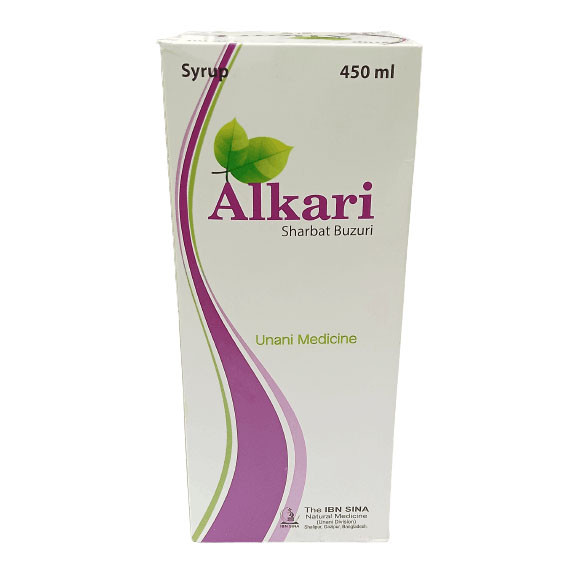
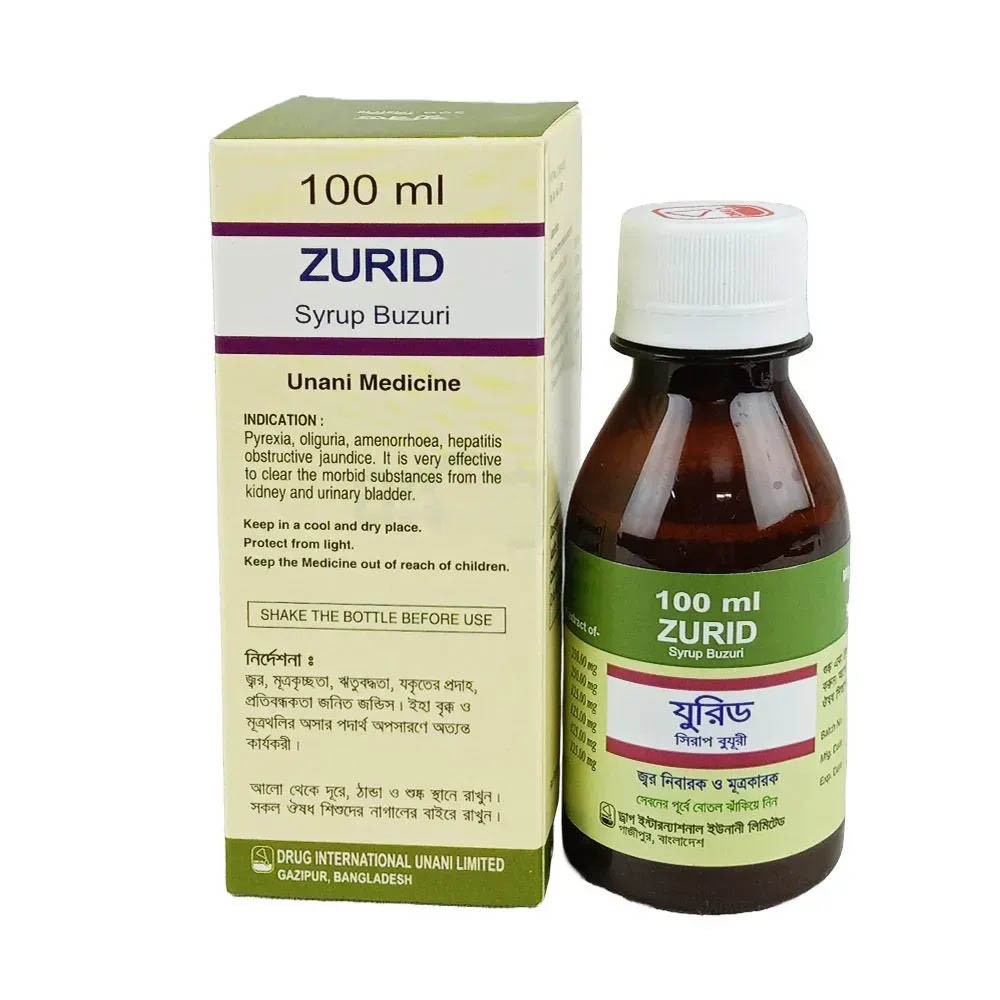
Diure-G Syrup is a traditional herbal remedy used in Unani medicine. It is a sweetened syrup formulation made from various medicinal herbs known for their therapeutic properties. It is traditionally used to support overall health and manage specific health conditions.
Uses
Diure-G Syrup is commonly used to support digestive health, improve appetite, and address issues related to indigestion. It is also used to relieve symptoms of fever and respiratory conditions. Its traditional use extends to general wellness and strengthening the immune system.
Mechanism of Action
The mechanism of action of Diure-G Syrup involves its herbal components, which may have anti-inflammatory, digestive, and immune-supporting properties. The exact mechanism is not fully understood but is believed to work through a combination of these effects.
How Long Does It Take to Work?
Users may begin to notice improvements in digestive function and general well-being within a few days to weeks of starting Diure-G Syrup. The time frame can vary based on individual health conditions and the specific symptoms being treated.
Absorption
As an oral syrup, Diure-G Syrup is absorbed through the gastrointestinal tract. The herbal ingredients are metabolized and utilized by the body after ingestion. The rate of absorption can vary depending on the individual’s digestive health.
Route of Elimination
The components of Diure-G Syrup are metabolized primarily in the liver and excreted through the kidneys and intestines. The exact routes of elimination depend on the specific herbs used in the formulation.
Dosage
Adults: 2-4 teaspoonfuls 2-4 times daily.Children: 1-2 teaspoonful(s) 2-4 times daily or as prescribed by the physician.
The dosage of Diure-G Syrup typically ranges from 10 to 20 ml, taken 2 to 3 times daily. The exact dosage may vary based on individual health needs and the formulation’s concentration. Always follow the dosage instructions provided by a healthcare professional or product label.
Administration
Diure-G Syrup is administered orally. It is usually taken in the recommended dosage, with or without water, based on personal preference. It is advised to take it after meals to enhance absorption and minimize gastrointestinal discomfort.
Side Effects
Side effects are generally rare with Diure-G Syrup but may include mild gastrointestinal discomfort such as nausea or diarrhea. Allergic reactions are possible but uncommon. If side effects occur, discontinue use and consult a healthcare provider.
Toxicity
Toxicity is unlikely when used at recommended doses. However, excessive use or ingestion of large amounts could potentially lead to gastrointestinal upset or allergic reactions. Adhere to recommended dosages to minimize risk.
Precautions
Precautions include avoiding use in individuals with known allergies to any of the herbal components. It is also important to consult with a healthcare provider before starting Diure-G Syrup, especially if you have underlying health conditions or are taking other medications.
Interaction
Interactions with other medications are not well-documented for Diure-G Syrup. However, it is advisable to use caution when taking it alongside other supplements or medications, particularly those affecting digestion or immune function.
Disease Interaction
Use with caution in individuals with severe gastrointestinal conditions, liver disorders, or kidney issues. The impact of Diure-G Syrup on these conditions has not been extensively studied.
Drug Interaction
Drug interactions are not well-documented for Diure-G Syrup. However, consult a healthcare provider before combining it with other drugs, especially those affecting digestive health or metabolism.
Food Interactions
There are no known significant food interactions with Diure-G Syrup. It is generally advised to take the syrup with or after meals to enhance absorption and reduce the risk of gastrointestinal discomfort.
Pregnancy Use
The safety of Diure-G Syrup during pregnancy is not well-established. It is recommended to avoid use during pregnancy unless prescribed by a healthcare provider due to potential risks to the developing fetus.
Lactation Use
The safety of Diure-G Syrup during lactation is not fully known. Consult a healthcare provider before using it while breastfeeding to ensure it does not affect milk production or the infant.
Acute Overdose
Acute overdose is unlikely but could potentially lead to gastrointestinal upset or allergic reactions. If overdose occurs, seek medical attention immediately and provide details about the amount ingested.
Contraindication
Diure-G Syrup is contraindicated in individuals with hypersensitivity to any of its herbal ingredients. Avoid use if you have severe gastrointestinal or liver conditions without consulting a healthcare provider.
Use Direction
Follow the recommended dosage instructions provided by a healthcare provider or the product label. Typically, it involves taking 10 to 20 ml of the syrup 2 to 3 times daily, preferably after meals.
Storage Conditions
Store Diure-G Syrup in a cool, dry place away from direct sunlight and moisture. Keep the syrup tightly closed and out of reach of children.
Volume of Distribution
The volume of distribution for Diure-G Syrup is not well-documented due to the variability of its herbal components and lack of extensive pharmacokinetic studies.
Half Life
The half-life of the components of Diure-G Syrup is not well-documented. The herbal ingredients are metabolized and excreted at varying rates depending on their individual properties.
Clearance
Clearance of Diure-G Syrup's components is primarily through liver metabolism and kidney excretion. Specific clearance rates are not well-defined in the literature.