Introduction
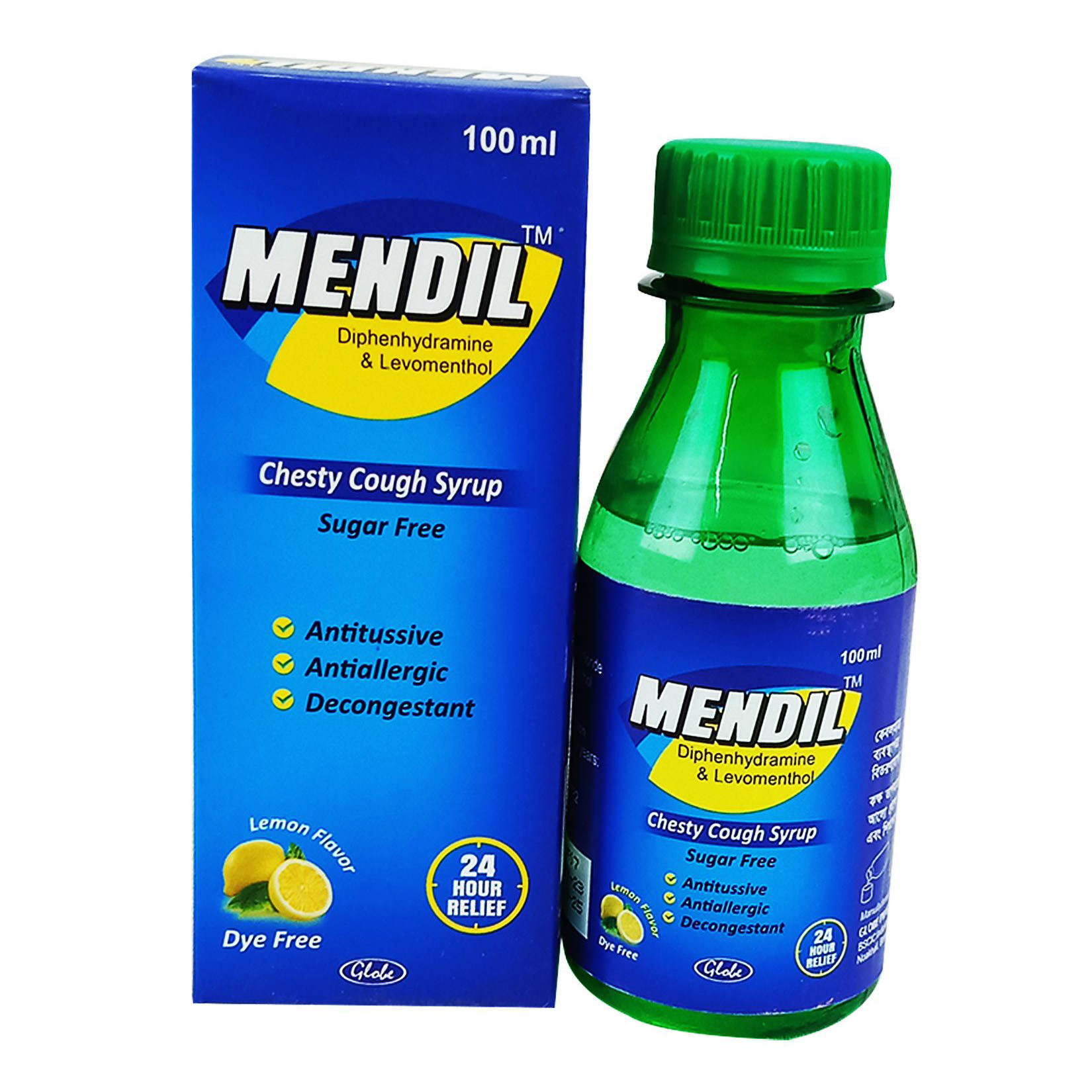
Diphenhydramine + Levomenthol is a combination of two active ingredients used in various over-the-counter medications. Diphenhydramine is an antihistamine that helps alleviate allergy symptoms, while Levomenthol provides a cooling sensation that can soothe irritated areas. This combination is commonly found in topical treatments, such as creams or gels, for relief of itching, minor pain, and discomfort caused by skin irritations.
Uses
This combination is used for:
- Relief of Itching: To reduce itching caused by minor skin irritations, insect bites, and rashes.
- Minor Pain Relief: To alleviate discomfort from minor aches and pains in the skin.
- Soothing Irritation: To provide a cooling effect that helps soothe irritated skin.
Mechanism of Action
The mechanism of action involves:
- Diphenhydramine: Works by blocking histamine H1 receptors, which reduces allergic reactions and itching by preventing histamine from binding to its receptors.
- Levomenthol: Provides a cooling sensation through activation of the TRPM8 receptors, which helps to soothe the affected area by creating a menthol-like effect.
How Long Does It Take to Work?
The onset of action is:
- Diphenhydramine: Typically starts to relieve symptoms within 15-30 minutes after application or ingestion, with effects lasting several hours.
- Levomenthol: Provides an immediate cooling sensation upon application, with soothing effects felt within minutes.
Absorption
Absorption details are:
- Topical Application: When applied topically, Diphenhydramine is absorbed through the skin to a limited extent, and Levomenthol is primarily absorbed at the site of application.
- Systemic Absorption: Minimal systemic absorption occurs with topical use, but significant absorption can occur if used extensively or in large amounts.
Route of Elimination
Elimination routes include:
- Diphenhydramine: Metabolized in the liver and excreted primarily through the urine.
- Levomenthol: Metabolized in the liver and excreted through the urine, with minimal systemic absorption from topical application.
Dosage
Adults and Children over 12 years: The recommended dose is 10 ml of syrup 4 times a day. Maximum daily dose is 40 ml syrup.Dosage recommendations are:
- Topical Application: Apply a thin layer of the cream or gel to the affected area 3-4 times daily or as directed by the product label or healthcare provider.
- Oral Diphenhydramine: For other forms of Diphenhydramine, such as tablets or capsules, typical adult doses are 25-50 mg every 4-6 hours, not exceeding 300 mg per day.
Administration
Administration guidelines are:
- Topical Use: Apply the medication to clean, dry skin. Avoid applying to broken or irritated skin, and wash hands after application.
- Oral Use: For oral forms of Diphenhydramine, take with or without food as directed by the product label or healthcare provider.
Side Effects
Common side effects include:
- Topical irritation, redness, or rash
- Drowsiness (more common with oral Diphenhydramine)
- Dizziness or lightheadedness
Toxicity
Toxicity can occur with:
- Topical Overuse: Rare but may cause severe local reactions if used excessively.
- Oral Overdose: Symptoms include severe drowsiness, confusion, and in extreme cases, hallucinations or seizures. Seek medical attention if overdose is suspected.
Precautions
Precautions include:
- Do not apply to large areas of the body or broken skin.
- Use with caution in individuals with known sensitivity to menthol or Diphenhydramine.
- Consult a healthcare provider if symptoms persist or worsen.
Interaction
Interactions include:
- Other Antihistamines: Combining with other antihistamines may enhance drowsiness and other side effects.
- Alcohol: Can increase the sedative effects of Diphenhydramine.
Disease Interaction
Disease interactions include:
- Chronic Skin Conditions: Consult a healthcare provider if you have chronic skin conditions or sensitivities.
- Liver Disorders: Individuals with liver disorders should use Diphenhydramine with caution due to potential altered metabolism.
Drug Interaction
Drug interactions include:
- Central Nervous System Depressants: Use with other CNS depressants (e.g., benzodiazepines) may enhance sedative effects.
- MAO Inhibitors: Avoid combining with MAO inhibitors as it may increase the risk of severe side effects.
Food Interactions
No specific food interactions are known for this combination, but taking oral Diphenhydramine with food may help reduce gastrointestinal discomfort.
Pregnancy Use
Pregnancy use recommendations:
- Topical application of Diphenhydramine is generally considered safe during pregnancy, but consult a healthcare provider before use.
- Oral Diphenhydramine should be used during pregnancy only if clearly needed and prescribed by a healthcare provider.
Lactation Use
Lactation use recommendations:
- Topical application is generally considered safe during lactation. Avoid applying to the breast area.
- Oral Diphenhydramine may pass into breast milk; consult a healthcare provider to assess risks and benefits.
Acute Overdose
Acute overdose symptoms include:
- Severe drowsiness, confusion, or hallucinations
- Seizures or irregular heartbeats
- Seek immediate medical attention if overdose is suspected.
Contraindication
Contraindications include:
- Known hypersensitivity to Diphenhydramine, Levomenthol, or any other ingredients in the product.
- Do not use on large areas of broken or irritated skin.
Use Direction
Use directions are:
- Apply a thin layer of the topical product to the affected area as needed. Do not exceed the recommended frequency of application.
- Follow dosing instructions for oral Diphenhydramine as provided by the product label or healthcare provider.
Storage Conditions
Storage conditions are:
- Store at room temperature, away from direct sunlight and moisture.
- Keep out of reach of children.
Volume of Distribution
The volume of distribution for topical applications is not typically specified. For oral Diphenhydramine, it is distributed widely throughout the body tissues.
Half Life
The half-life of Diphenhydramine is approximately 2.4 to 9.3 hours, while Levomenthol has a much shorter half-life due to its rapid metabolism and excretion.
Clearance
Clearance details include:
- Diphenhydramine is primarily cleared by the liver and excreted through the urine.
- Levomenthol is metabolized in the liver and excreted primarily through urine, with minimal systemic absorption from topical use.