Introduction
Dienogest and Estradiol Valerate is a combination hormone therapy used primarily for contraception and managing symptoms associated with hormonal imbalances such as heavy menstrual bleeding and endometriosis. Dienogest is a progestin that mimics the hormone progesterone, while Estradiol Valerate is a synthetic form of estrogen. Together, these hormones regulate the menstrual cycle, prevent ovulation, and reduce menstrual pain and bleeding.
Uses
The combination of Dienogest and Estradiol Valerate is primarily used for:
- Contraception: Preventing pregnancy by inhibiting ovulation and altering the uterine lining.
- Management of heavy menstrual bleeding: Reducing excessive menstrual flow.
- Treatment of endometriosis: Managing the pain and symptoms associated with endometriosis.
- Hormone replacement therapy (HRT): Used in postmenopausal women to manage menopausal symptoms like hot flashes and prevent osteoporosis.
Mechanism of Action
Dienogest works as a progestin by preventing ovulation, thickening cervical mucus to hinder sperm entry, and thinning the endometrial lining to prevent implantation. Estradiol Valerate, as an estrogen, helps regulate the menstrual cycle and maintain hormonal balance. Together, they prevent pregnancy, reduce menstrual pain, and manage hormonal imbalances.
How Long Does It Take to Work?
For contraception, the combination usually begins to take effect within the first cycle of use. However, when starting for the first time, additional contraceptive methods are often recommended for the first 7 days. For treating heavy bleeding or endometriosis, it may take 1 to 3 months of continuous use to see full benefits.
Absorption
Both Dienogest and Estradiol Valerate are rapidly absorbed after oral administration. Estradiol Valerate is converted to estradiol in the body. Peak plasma concentrations for Dienogest are typically achieved within 1 to 3 hours after ingestion, while Estradiol peaks within 6 to 12 hours.
Route of Elimination
Dienogest is metabolized by the liver and excreted through the kidneys, primarily in the urine. Estradiol Valerate is also metabolized in the liver and excreted via urine and feces as inactive metabolites.
Dosage
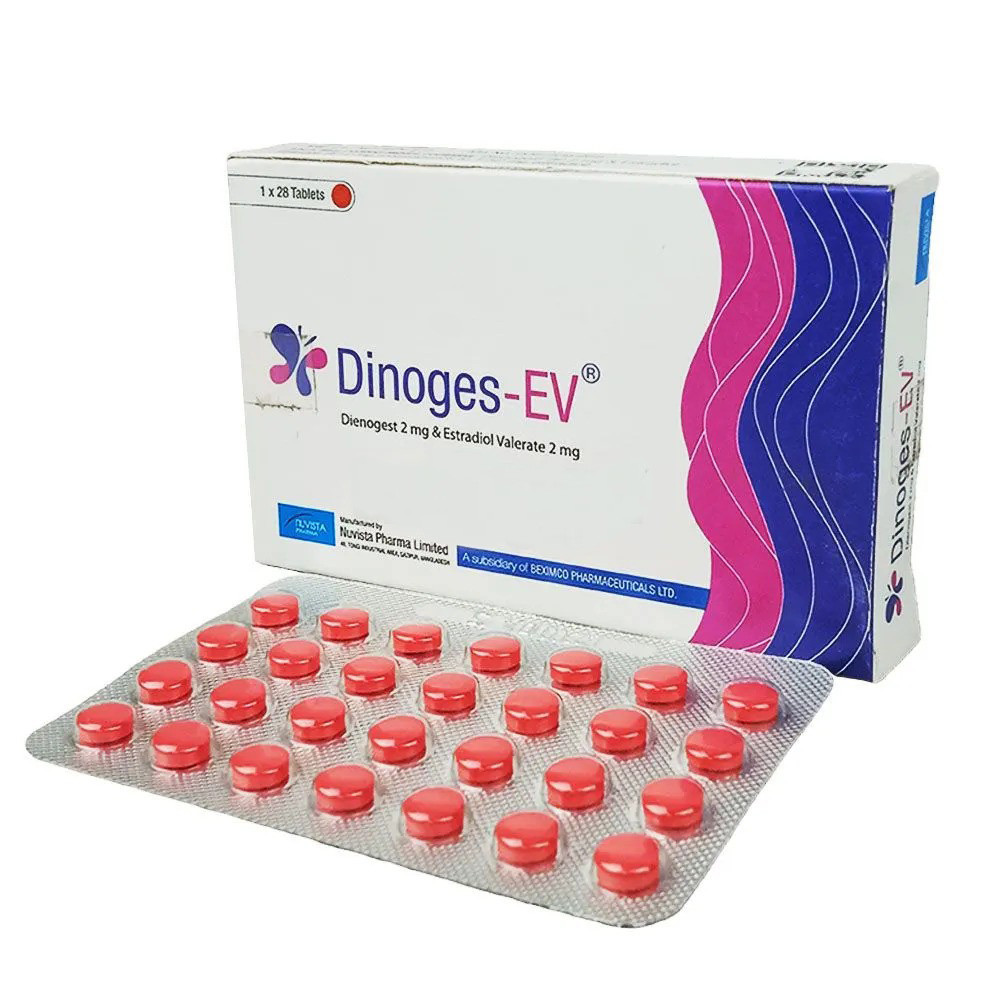
One tablet should be taken daily at the same time blister packet. blister packet. Each blister pack contains tablets for 28 days of treatment. This is for oral use only. The tablets are to be swallowed whole with some liquid. Treatment is continuous, which means that the next pack follows immediately without a break. The tablets should preferably be taken at the same time every day. In case a tablet is forgotten it should be taken as soon as possible. If more than 24 hours have elapsed no extra tablet needs to be taken. If several tablets are forgotten, bleeding may occur.The typical dosage for this combination therapy varies depending on the specific formulation and indication:
- For contraception: One tablet is taken orally each day at the same time for 21 consecutive days, followed by a 7-day break or placebo period.
- For managing heavy menstrual bleeding or endometriosis: Dosage varies, but it usually involves continuous daily intake of one tablet. The exact schedule should follow a doctor's recommendations.
Administration
This combination is taken orally, usually once daily at the same time each day. It is often started on the first day of menstruation for contraception. When used for other indications such as managing menstrual symptoms, the schedule may vary depending on the patient's medical condition and the physician's recommendations.
Side Effects
Common side effects may include:
- Headache
- Nausea
- Breast tenderness
- Mood swings or irritability
- Spotting or breakthrough bleeding
- Weight gain
Severe side effects, although rare, can include blood clots, stroke, and liver disorders. Seek immediate medical attention if symptoms such as chest pain, severe headaches, or vision changes occur.
Toxicity
Acute overdose of Dienogest and Estradiol Valerate may cause symptoms such as nausea, vomiting, and withdrawal bleeding. However, serious toxicity is rare. Treatment typically involves supportive care, as there is no specific antidote.
Precautions
Patients with a history of blood clotting disorders, cardiovascular disease, liver disease, or hormone-sensitive cancers (such as breast cancer) should use caution or avoid this medication. Regular monitoring is recommended for women with risk factors for cardiovascular disease, including hypertension, smoking, or obesity.
Interaction
This combination may interact with several other medications, including:
- Rifampin, phenytoin, and carbamazepine: These drugs can reduce the efficacy of hormonal contraceptives by increasing the metabolism of Dienogest and Estradiol.
- Antibiotics: Some antibiotics may reduce the effectiveness of hormonal contraception.
- Warfarin and other anticoagulants: Estrogen-containing medications may affect clotting factors, altering the effectiveness of anticoagulant therapy.
Disease Interaction
Use of Dienogest and Estradiol Valerate should be carefully considered in patients with cardiovascular disease, liver dysfunction, breast cancer, or a history of thromboembolic disorders. Women with migraines, diabetes, or hypertension should also be monitored regularly.
Drug Interaction
The effectiveness of Dienogest and Estradiol Valerate may be reduced when used with medications that induce liver enzymes, such as certain anticonvulsants, antiretrovirals, and antibiotics. Women should use additional forms of contraception if taking these drugs.
Food Interactions
There are no significant food interactions with Dienogest and Estradiol Valerate. However, it is recommended to take the medication at the same time each day to ensure consistent blood hormone levels.
Pregnancy Use
This combination is contraindicated during pregnancy and should not be used if pregnancy is confirmed or suspected. If pregnancy occurs while taking the medication, it should be discontinued immediately.
Lactation Use
Use of this combination is generally not recommended during breastfeeding as it may reduce milk production and pass into breast milk. Alternative methods of contraception or treatment should be considered during lactation.
Acute Overdose
An overdose of Dienogest and Estradiol Valerate is unlikely to cause serious harm but may lead to nausea, vomiting, and withdrawal bleeding. Medical attention should be sought in cases of accidental overdose.
Contraindication
Dienogest and Estradiol Valerate is contraindicated in individuals with a history of thromboembolic disorders, stroke, myocardial infarction, active liver disease, or known or suspected breast cancer. It is also contraindicated in pregnant women and women with undiagnosed abnormal vaginal bleeding.
Use Direction
The medication should be taken once daily at the same time each day. Follow the prescribed schedule, and in the case of missed doses, consult the product leaflet or a healthcare provider for instructions. Consistency in daily intake is crucial for contraceptive efficacy.
Storage Conditions
Store at room temperature, away from direct sunlight, moisture, and heat. Keep the medication out of reach of children and do not use it after the expiration date.
Volume of Distribution
The volume of distribution for Dienogest is approximately 40-50 L. Estradiol has a large volume of distribution as it is extensively bound to plasma proteins and distributed throughout the body.
Half Life
The half-life of Dienogest is approximately 9-10 hours, while the half-life of Estradiol Valerate varies but is typically around 12-14 hours after oral administration.
Clearance
Dienogest is primarily cleared via hepatic metabolism, with a clearance rate of around 3.5 L/hour. Estradiol is also metabolized by the liver and excreted through urine and feces.