Introduction
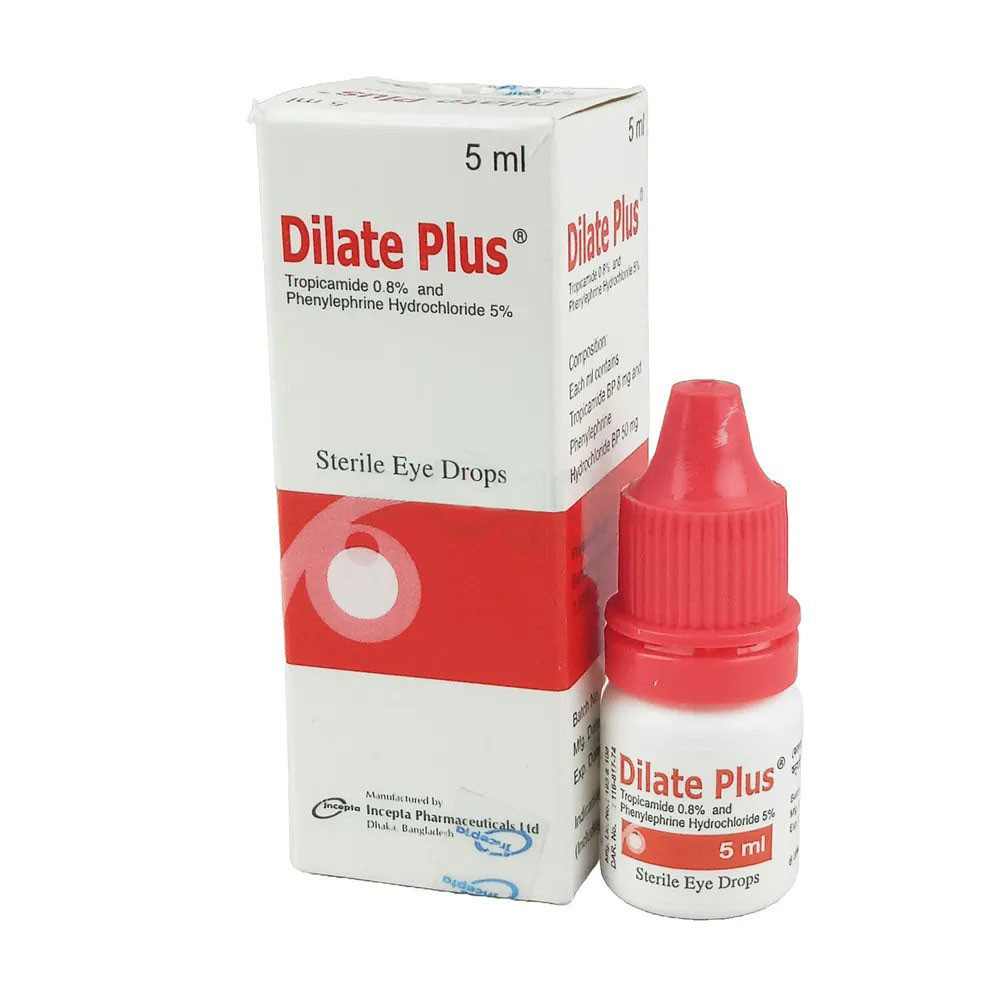
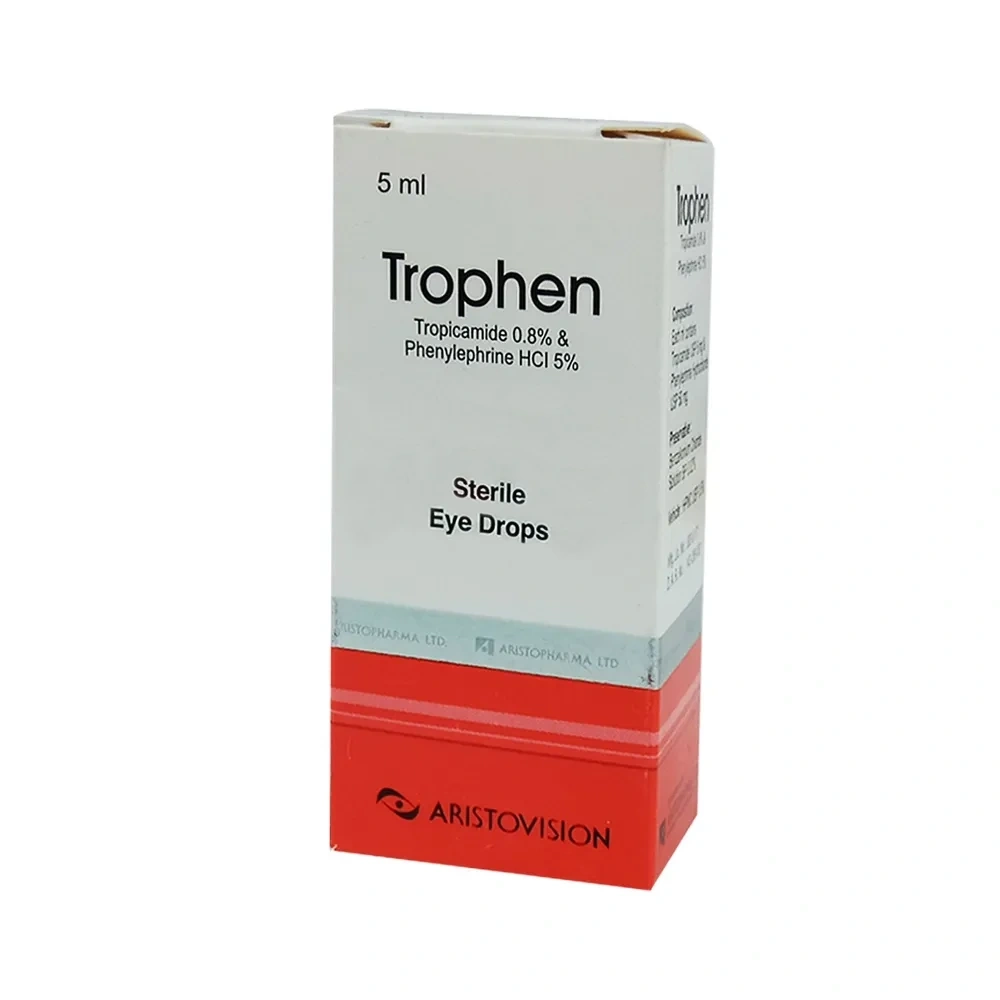
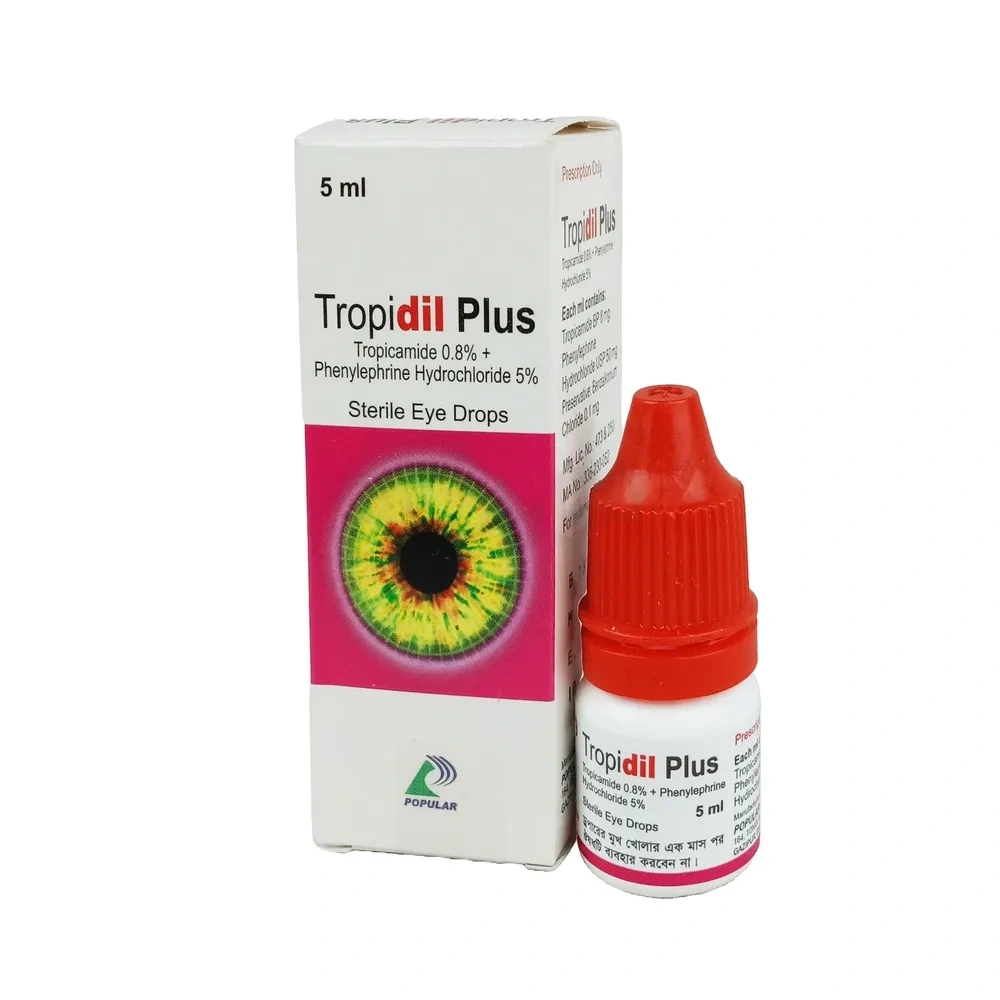
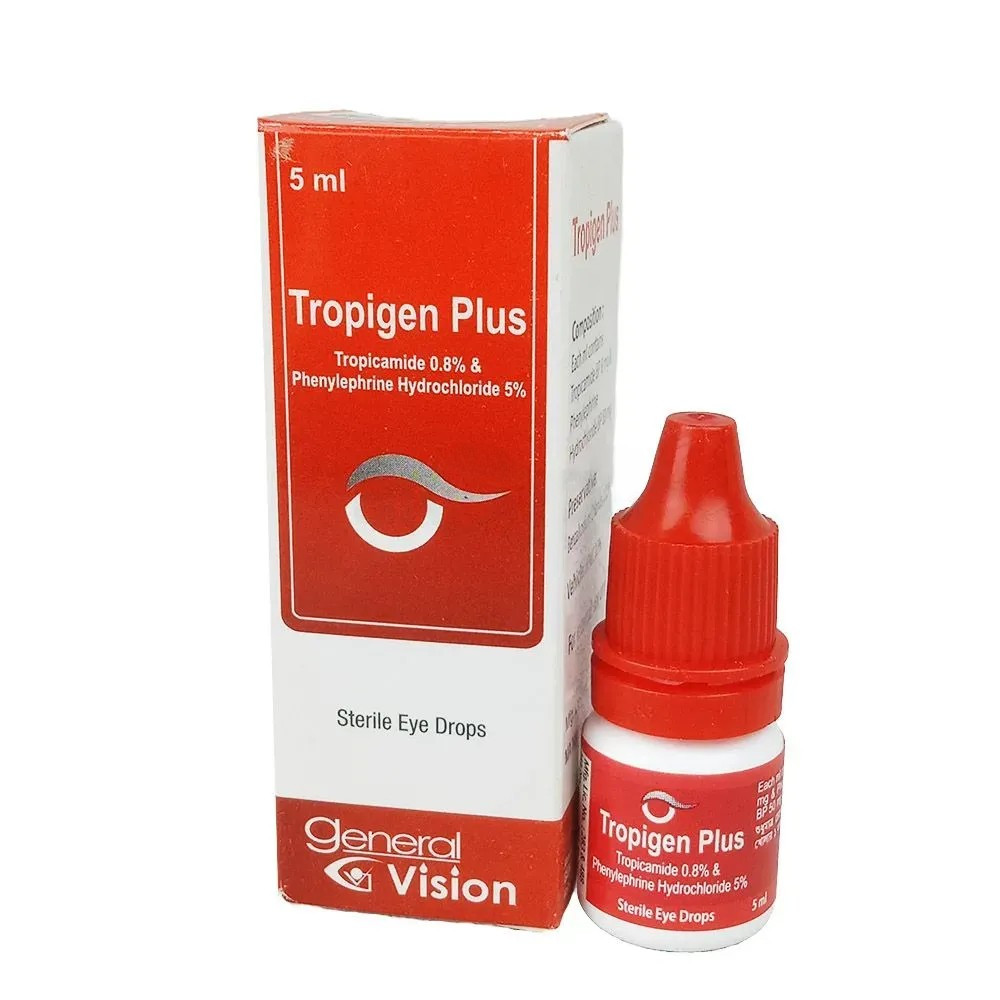
Tropicamide and Phenylephrine Hydrochloride are combined in eye drops used for ophthalmic examinations. Tropicamide is a mydriatic agent that dilates the pupil, while Phenylephrine is a sympathomimetic drug that also contributes to pupil dilation and improves the view of the retina and other parts of the eye during eye examinations.
Uses
The combination of Tropicamide and Phenylephrine Hydrochloride is primarily used for:
- Inducing mydriasis (dilated pupils) for retinal and anterior segment examinations
- Facilitating comprehensive eye examinations and diagnostic procedures
- Assessing the health of the retina and other parts of the eye
Mechanism of Action
Tropicamide acts as a muscarinic antagonist, blocking the muscarinic receptors in the iris sphincter and ciliary muscle, leading to pupil dilation and paralysis of accommodation (difficulty focusing on near objects). Phenylephrine acts as an alpha-1 adrenergic agonist, causing vasoconstriction in the iris dilator muscle, which further contributes to pupil dilation and enhances the overall effect of Tropicamide.
How Long Does It Take to Work?
The effects of Tropicamide and Phenylephrine Hydrochloride eye drops usually begin within 15 to 30 minutes after application. The maximum pupil dilation typically occurs within 30 to 60 minutes. The effects generally last for 4 to 6 hours, though the duration can vary based on the individual.
Absorption
When administered as eye drops, Tropicamide and Phenylephrine Hydrochloride are absorbed through the cornea and conjunctiva into the systemic circulation, though systemic absorption is minimal. Most of the drug remains localized in the eye.
Route of Elimination
Both Tropicamide and Phenylephrine are primarily metabolized in the liver. They are excreted through the urine as metabolites. Minimal amounts are excreted unchanged through the kidneys.
Dosage
Uveitis: 1-2 drops bid-qid or as required.Diagnostic purpose/Pre-operative purpose: Instill 1-2 drops in the eye(s) 15-20 minutes before examination. If examination is not conducted within 20–30 minutes, an additional drop may be placed in the eye(s) to prolong the effect.
The standard dosage for the combination eye drops is:
- 1 to 2 drops of the solution instilled into each eye.
- Typically administered 15 to 30 minutes before the eye examination.
Administration
The eye drops should be applied topically to the conjunctival sac of the eye. It is important to avoid touching the dropper tip to any surface to prevent contamination. Patients should close their eyes gently after application and may apply gentle pressure to the inner corner of the eye to reduce systemic absorption.
Side Effects
Common side effects may include:
- Transient stinging or burning sensation in the eye
- Blurred vision
- Increased sensitivity to light
- Temporary discomfort or redness
Toxicity
In case of overdose or excessive use, toxicity can manifest as severe ocular irritation, prolonged mydriasis, or systemic effects such as hypertension and tachycardia. Severe reactions require immediate medical attention and discontinuation of the medication.
Precautions
Precautions should be taken in patients with:
- History of glaucoma or increased intraocular pressure
- Cardiovascular conditions
- Pregnancy or breastfeeding (use only if clearly needed)
Interaction
Potential interactions include:
- Antihypertensives: Phenylephrine may interact with antihypertensive medications and may alter blood pressure control.
- Other mydriatics: Concurrent use with other mydriatic agents can enhance the mydriatic effect and increase the risk of side effects.
Disease Interaction
Caution is advised in patients with:
- History of cardiovascular disease
- Diabetes
- Thyroid disorders
Drug Interaction
Drug interactions can occur with:
- Monoamine oxidase inhibitors (MAOIs): Phenylephrine may cause a hypertensive crisis.
- Tricyclic antidepressants: May enhance the pressor effect of Phenylephrine.
Food Interactions
No significant food interactions have been reported with Tropicamide and Phenylephrine Hydrochloride. Food intake does not significantly affect the efficacy of the eye drops.
Pregnancy Use
The use of Tropicamide and Phenylephrine during pregnancy should be approached with caution. It should only be used if the potential benefits outweigh the risks. Limited data is available on the safety of these medications during pregnancy.
Lactation Use
It is not known if Tropicamide and Phenylephrine are excreted in breast milk. Use during lactation should be considered only if the benefits justify the potential risks to the infant.
Acute Overdose
In case of an acute overdose, symptoms may include severe ocular irritation, prolonged pupil dilation, and systemic effects such as hypertension. Immediate medical attention is required, and symptomatic treatment should be provided.
Contraindication
Contraindications include:
- Known hypersensitivity to Tropicamide, Phenylephrine, or any of the formulation components
- Patients with narrow-angle glaucoma or severe cardiovascular disorders
Use Direction
Apply 1 to 2 drops of the eye solution into the conjunctival sac of each eye 15 to 30 minutes before the examination. Avoid touching the dropper tip to any surface, and gently close the eyes after application. Follow the healthcare provider's instructions regarding the frequency and dosage of administration.
Storage Conditions
Store Tropicamide and Phenylephrine Hydrochloride eye drops at room temperature, away from light and moisture. Ensure the bottle is tightly closed and kept out of reach of children.
Volume of Distribution
The volume of distribution for Tropicamide and Phenylephrine Hydrochloride has not been extensively documented in ophthalmic formulations. Most of the drug action remains localized to the eye.
Half Life
The half-life of Tropicamide is approximately 2 to 4 hours, while Phenylephrine has a half-life of about 2.5 hours. The effects on pupil dilation may last longer than these half-lives due to the prolonged pharmacodynamic effects.
Clearance
Both Tropicamide and Phenylephrine are primarily cleared through hepatic metabolism, with metabolites excreted in the urine. Minimal amounts are eliminated unchanged through the kidneys.