Introduction
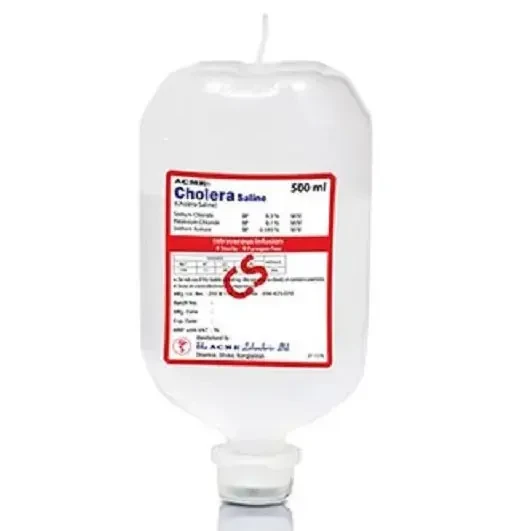
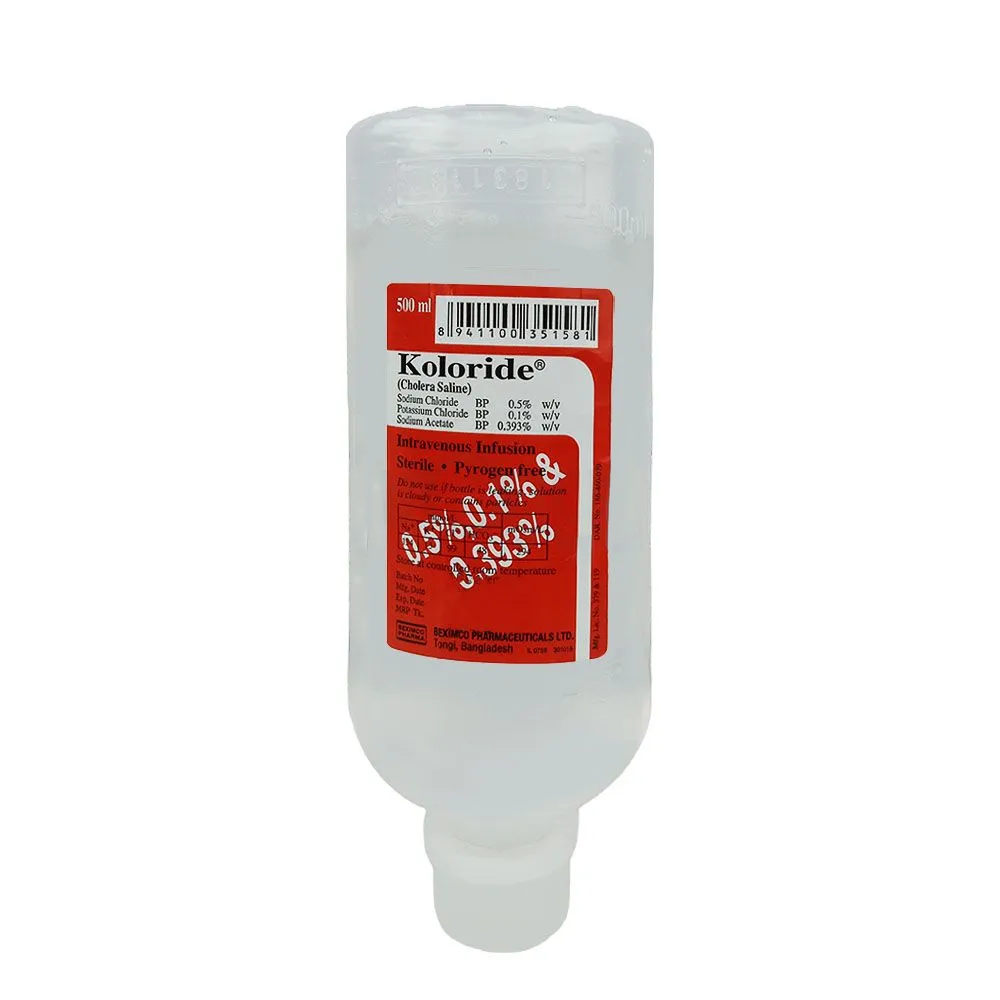
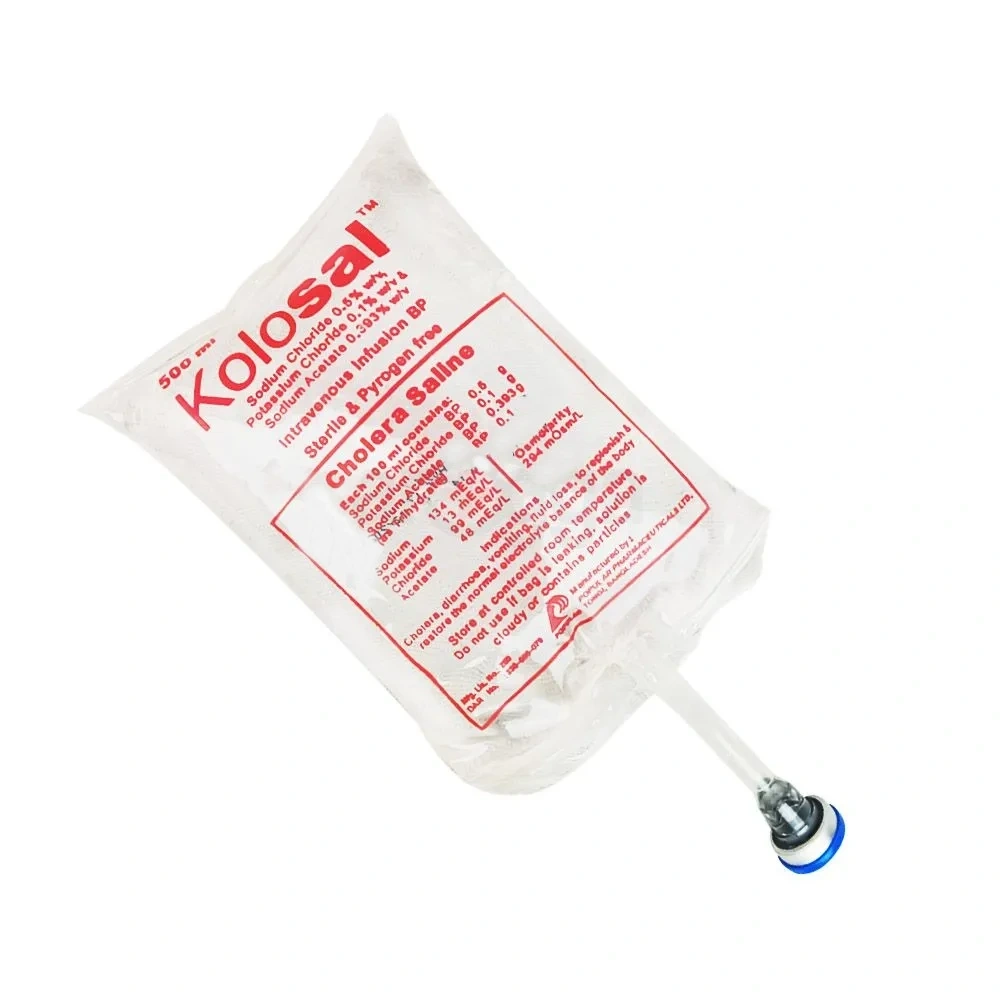
Cholera saline is a sterile, isotonic solution used primarily for the rehydration of patients suffering from severe diarrhea, such as that caused by cholera. It contains a balanced mixture of salts and electrolytes to replace lost fluids and maintain electrolyte balance in the body. It is critical in managing dehydration and electrolyte imbalances resulting from acute gastrointestinal conditions.
Uses
Cholera saline is used for:
- Rehydration therapy in patients with severe dehydration due to cholera or other forms of acute diarrhea.
- Replacing lost fluids and electrolytes to prevent or treat dehydration and electrolyte imbalances.
Mechanism of Action
Cholera saline works by providing an isotonic solution that closely matches the body's electrolyte composition. The balanced salts and electrolytes in the solution help to quickly replenish fluids lost through diarrhea, restore electrolyte balance, and support normal cellular function. By maintaining proper hydration and electrolyte levels, the solution aids in stabilizing the patient’s condition and promoting recovery.
How Long Does It Take to Work?
The effects of cholera saline are generally observed within minutes of administration. Patients often start to feel improvement in their symptoms, such as increased energy levels and reduced signs of dehydration, shortly after receiving the solution. The exact response time can vary depending on the severity of dehydration and the patient's overall health condition.
Absorption
Cholera saline is administered intravenously, and thus, it is directly introduced into the bloodstream. The electrolytes and fluids are rapidly absorbed into the circulatory system, where they are distributed throughout the body to address fluid and electrolyte imbalances.
Route of Elimination
The components of cholera saline, primarily sodium, potassium, and chloride ions, are eventually eliminated from the body through the kidneys in the urine. Any excess fluids are also excreted via urine, while the electrolytes are processed and reabsorbed by the kidneys as needed.
Dosage
The volume and rate of infusion of Dianak IV Infusion depends upon the requirements of the patient and the judgement of the physician. It usually varies with age, weight and clinical condition of the patient.The dosage of cholera saline depends on the patient’s degree of dehydration, age, and overall health. Typical dosing involves administering the solution intravenously. The volume and rate of administration are determined based on the clinical condition of the patient and may be adjusted as needed:
- For adults, the typical initial dose ranges from 500 mL to 1 liter, followed by additional doses as required.
- For children, the volume is adjusted based on weight and clinical needs.
Administration
Cholera saline is administered intravenously. The solution is typically delivered through an intravenous (IV) drip or infusion, which allows for continuous and controlled delivery of fluids. Proper sterile technique is essential to prevent infection and ensure effective treatment.
Side Effects
Side effects of cholera saline are generally minimal when administered correctly. However, potential side effects may include:
- Fluid overload or swelling if administered too rapidly or in excessive amounts.
- Electrolyte imbalances if not properly monitored and adjusted.
Toxicity
Toxicity is rare with cholera saline but can occur if there is excessive administration or if the patient has underlying kidney or cardiovascular conditions. Symptoms of toxicity might include:
- Signs of fluid overload such as shortness of breath, swelling, or rapid weight gain.
- Electrolyte disturbances such as hypernatremia or hyperkalemia.
Precautions
Precautions include:
- Monitoring the patient’s fluid balance and electrolyte levels closely during and after administration.
- Adjusting dosage based on patient weight, age, and specific medical conditions.
- Ensuring sterile techniques to prevent infection at the IV site.
Interaction
Interactions with cholera saline are generally limited due to its nature as a simple electrolyte solution. However, it is important to be aware of:
- Other medications or treatments that affect fluid or electrolyte balance, as they may require dose adjustments.
- Potential interactions with concurrent intravenous solutions or medications being administered.
Disease Interaction
Caution should be exercised in patients with:
- Kidney disease or dysfunction, as their ability to handle fluid and electrolyte imbalances may be impaired.
- Cardiovascular conditions, where fluid overload could exacerbate symptoms or complications.
Drug Interaction
Cholera saline may interact with medications that affect fluid or electrolyte balance, including:
- Diuretics or other drugs that alter fluid volume or electrolyte levels.
- Medications that influence kidney function or cardiovascular status.
Food Interactions
There are no specific food interactions with cholera saline. However, maintaining a balanced diet and adequate hydration is important for overall health and effective treatment of dehydration.
Pregnancy Use
Cholera saline is generally considered safe for use during pregnancy when administered under medical supervision. It is important to monitor fluid and electrolyte levels closely to avoid potential complications. Consult a healthcare provider for personalized guidance.
Lactation Use
Cholera saline is safe for use during lactation as it does not have systemic effects that would impact breastfeeding. However, it is important to ensure that the treatment does not cause any fluid or electrolyte imbalances that could affect overall health.
Acute Overdose
Acute overdose of cholera saline can lead to symptoms such as:
- Fluid overload with potential swelling, difficulty breathing, or rapid weight gain.
- Electrolyte imbalances, which may manifest as muscle cramps, confusion, or abnormal heart rhythms.
Contraindication
Cholera saline is contraindicated in patients with:
- Severe renal impairment or conditions where fluid balance cannot be safely managed.
- Known hypersensitivity to any component of the saline solution.
Use Direction
Follow the prescribed dosage and administration instructions provided by healthcare professionals. The solution should be administered by trained personnel to ensure proper technique and monitoring. Report any adverse effects or concerns promptly.
Storage Conditions
Cholera saline should be stored at room temperature, away from light and heat. It should be kept in its original, sealed container until use. Do not freeze or use the solution if it appears discolored or contains particles.
Volume of Distribution
The volume of distribution for cholera saline is not applicable as it is administered directly into the bloodstream. Its primary function is to replace fluids and electrolytes rather than distribute throughout body tissues.
Half Life
The concept of half-life does not directly apply to cholera saline, as it is an intravenous fluid that is rapidly absorbed and distributed. The components of the solution are processed and excreted by the body according to normal physiological processes.
Clearance
The clearance of cholera saline components, such as sodium, potassium, and chloride, occurs through renal excretion. The rate of clearance is dependent on kidney function and overall fluid balance, with these electrolytes being filtered and excreted in the urine.