Introduction

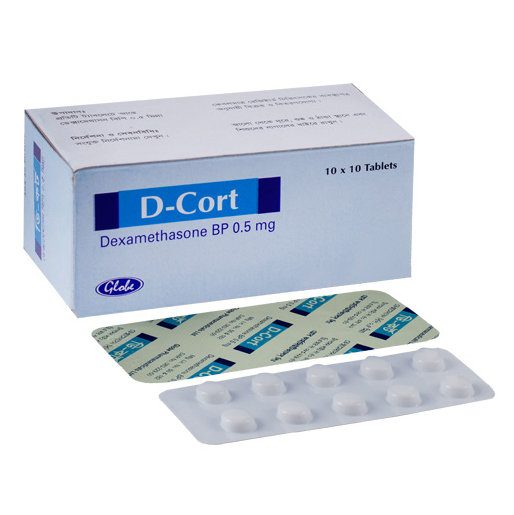
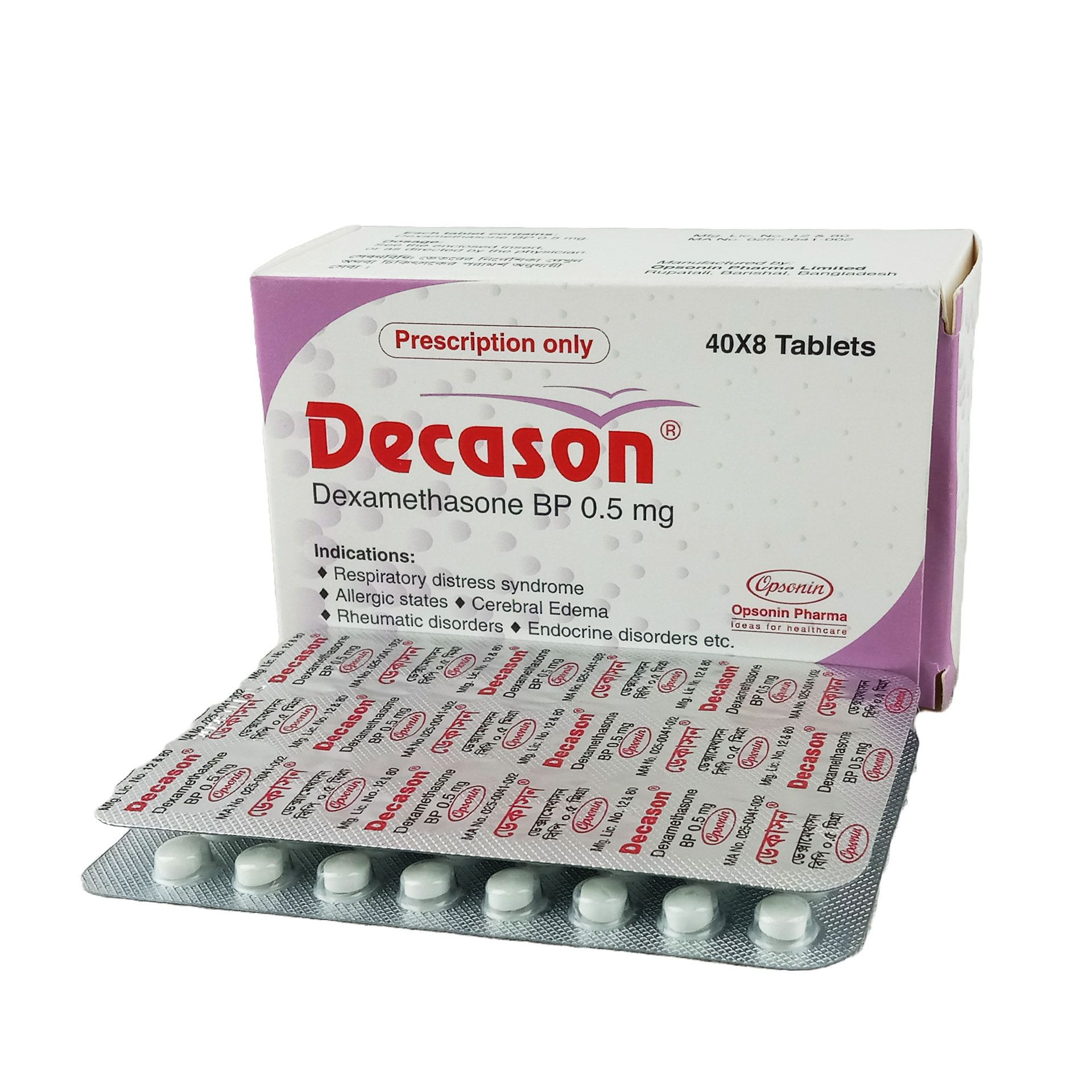
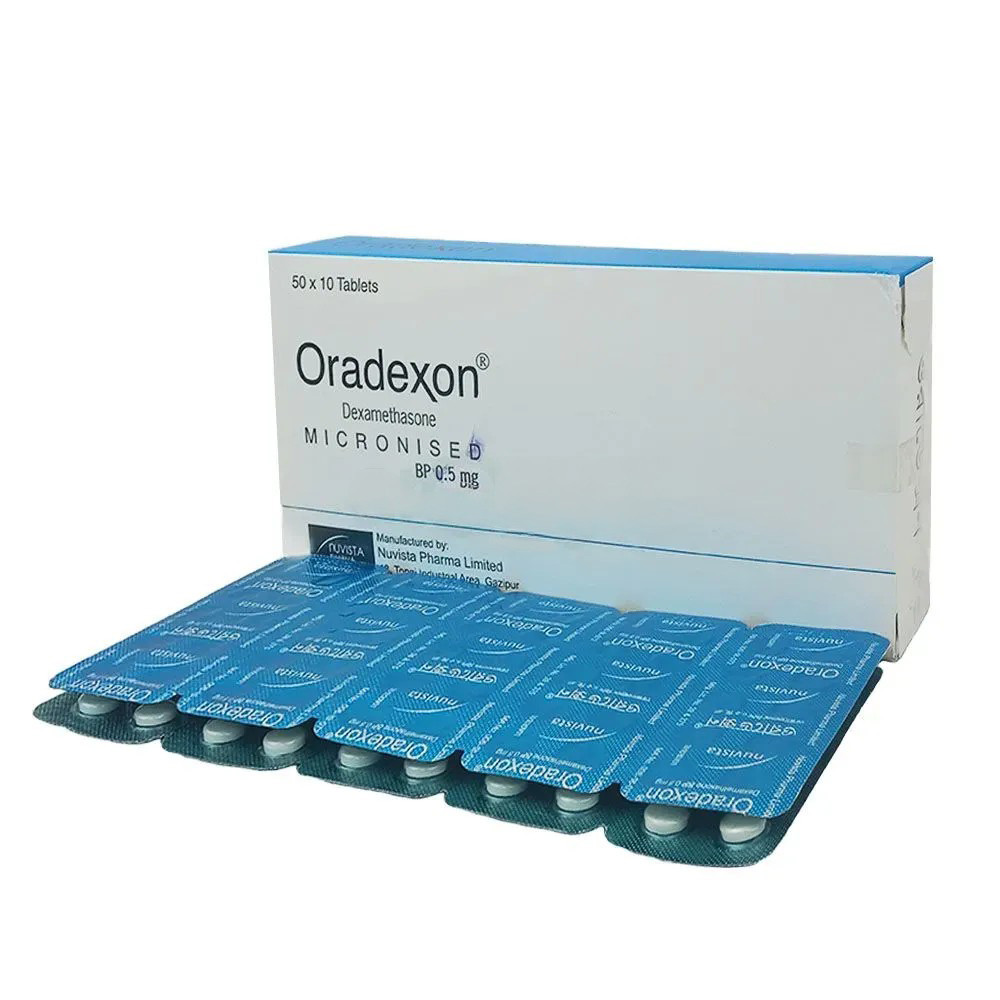
Dexan Tablet 0.5 mg is a corticosteroid used to treat a variety of conditions due to its anti-inflammatory, immunosuppressive, and anti-allergic properties. It is a water-soluble form of dexamethasone, a potent synthetic glucocorticoid. This formulation is often used in emergency situations or when a rapid onset of action is required.

Uses

Dexan Tablet 0.5 mg is used for:

  • Treating acute allergic reactions and severe asthma exacerbations.
  • Managing inflammatory conditions such as arthritis, dermatitis, and colitis.
  • Reducing swelling and inflammation in conditions like cerebral edema and certain types of cancers.
  • Used in diagnostic procedures, such as the dexamethasone suppression test, to assess adrenal function.
Brand Name Dexan
Type Tablet
Weight 0.5 mg
Generic Dexamethasone Sodium Phosphate
Manufacturer Chemist Laboratories Ltd.
Available in English বাংলা

Mechanism of Action

Dexan Tablet 0.5 mg exerts its effects by binding to glucocorticoid receptors in target tissues. This receptor binding leads to modulation of gene expression, resulting in a decrease in the production of pro-inflammatory cytokines and an increase in the production of anti-inflammatory proteins. This mechanism helps reduce inflammation and suppresses immune responses.

How Long Does It Take to Work?

The onset of action for Dexan Tablet 0.5 mg is typically within 1 to 2 hours after administration. The effects can be observed relatively quickly compared to other forms of corticosteroids due to its water-soluble nature, which facilitates faster absorption and action.

Absorption

Dexan Tablet 0.5 mg is rapidly absorbed into the bloodstream after intravenous administration. When administered intramuscularly or orally, it is absorbed through the gastrointestinal tract. The water-soluble nature of this formulation enhances its bioavailability and speed of action compared to other forms of dexamethasone.

Route of Elimination

Dexamethasone is metabolized primarily in the liver and then excreted by the kidneys. The drug undergoes hepatic metabolism where it is converted into inactive metabolites, which are then eliminated through the urine.

Dosage

Adults:

  • The dosage varies based on the condition being treated. For acute conditions, intravenous or intramuscular doses of 4 to 10 mg are commonly used, depending on severity.
  • For chronic conditions, a lower dose of 0.75 to 9 mg per day is typical, adjusted based on response and side effects.

Children:

  • The dosage for children is weight-based and should be adjusted according to age and condition. Commonly, doses range from 0.1 to 0.6 mg/kg per day, not exceeding 10 mg per day.

Administration

Dexan Tablet 0.5 mg can be administered intravenously, intramuscularly, or orally. The choice of administration route depends on the urgency of the situation and the clinical condition of the patient. Intravenous administration is typically used for rapid action, while oral administration is used for long-term management.

Side Effects

Common side effects include:

  • Increased appetite and weight gain
  • Insomnia and mood changes
  • Gastrointestinal disturbances such as nausea and indigestion
  • Increased blood glucose levels

Serious side effects can include:

  • Osteoporosis
  • Hypertension
  • Increased susceptibility to infections
  • Adrenal suppression

Toxicity

Chronic or high-dose use of Dexan Tablet 0.5 mg can lead to glucocorticoid-induced toxicity, including adrenal insufficiency, Cushing's syndrome, and severe gastrointestinal issues. In case of overdose, symptoms may include severe hypertension, hyperglycemia, and psychosis. Immediate medical intervention is required, and supportive care along with monitoring of vital signs and electrolyte levels is crucial.

Precautions

Precautions include:

  • Use with caution in patients with a history of diabetes, hypertension, or peptic ulcer disease.
  • Monitor for signs of adrenal suppression or insufficiency, especially with prolonged use.
  • Be cautious in patients with infections, as corticosteroids can mask symptoms or exacerbate existing infections.

Interaction

Dexan Tablet 0.5 mg can interact with various medications, including:

  • Anticoagulants (e.g., warfarin) – may alter the effectiveness of anticoagulation therapy.
  • Antidiabetic medications – may affect blood glucose levels, requiring dose adjustments.
  • Other corticosteroids – may enhance side effects and increase the risk of adrenal suppression.

Disease Interaction

Use with caution in patients with:

  • Cardiovascular diseases – may worsen hypertension and heart failure.
  • Gastrointestinal conditions – may exacerbate peptic ulcers or cause gastrointestinal bleeding.
  • Infectious diseases – can suppress the immune system and exacerbate infections.

Drug Interaction

Potential drug interactions include:

  • Cytochrome P450 enzyme inducers (e.g., rifampin) – may decrease dexamethasone levels.
  • Cytochrome P450 enzyme inhibitors (e.g., ketoconazole) – may increase dexamethasone levels.

Food Interactions

Food does not significantly affect the absorption of Dexan Tablet 0.5 mg. However, it is recommended to take the medication with food to minimize gastrointestinal irritation. Avoid grapefruit juice as it may interact with the metabolism of dexamethasone.

Pregnancy Use

Dexan Tablet 0.5 mg is classified as Category C for pregnancy. It should be used only if the potential benefits outweigh the risks. Prolonged use during pregnancy can lead to fetal adrenal suppression or other complications. Consult a healthcare provider for risk assessment and management strategies.

Lactation Use

Dexamethasone is excreted in breast milk, and its use during lactation should be done with caution. The medication should be used only if the benefits to the mother outweigh the potential risks to the infant. Monitor the infant for any signs of adverse effects, such as poor weight gain or developmental issues.

Acute Overdose

Acute overdose may cause symptoms such as severe hypertension, hyperglycemia, and psychological effects. Treatment involves supportive care, monitoring of vital signs, and management of symptoms. In severe cases, corticosteroid antagonists or specific antidotes may be considered, along with appropriate monitoring and treatment adjustments.

Contraindication

Dexan Tablet 0.5 mg is contraindicated in patients with:

  • Systemic fungal infections – corticosteroids can exacerbate fungal infections.
  • Known hypersensitivity to dexamethasone or any components of the formulation.

Use Direction

Follow the prescribed dosage and administration instructions carefully. The medication should be administered as directed by a healthcare professional. For acute conditions, intravenous administration may be preferred for rapid onset, while for chronic management, oral forms may be used. Adherence to dosing schedules and monitoring for side effects is crucial for effective treatment.

Storage Conditions

Dexan Tablet 0.5 mg should be stored at room temperature, between 20°C to 25°C (68°F to 77°F). Protect from light and moisture. For solutions, check for any particulate matter or discoloration before use. Keep out of reach of children.

Volume of Distribution

The volume of distribution for Dexan Tablet 0.5 mg is approximately 0.5 to 1 L/kg, indicating its distribution into body tissues and fluids.

Half Life

The half-life of Dexan Tablet 0.5 mg is approximately 3 to 4 hours. However, the duration of action can be longer due to its effects on the body’s physiological processes.

Clearance

Dexamethasone is cleared from the body primarily through hepatic metabolism, with subsequent renal excretion. The clearance rate may vary based on liver function and other factors affecting drug metabolism.

See in details version Dexan Tablet 0.5 mg also Dexan Tablet 0.5 mg in bangla

Some Frequently Asked Questions About Dexan Tablet 0.5 mg

1. What is Dexan Tablet 0.5 mg?

Dexan Tablet 0.5 mg is a corticosteroid medication used to treat inflammation, allergies, autoimmune diseases, and certain types of cancer. It works by suppressing the immune system and reducing inflammation.

2. What conditions is Dexan Tablet 0.5 mg used to treat?

This medication is used for:

- Severe allergies and asthma

- Rheumatoid arthritis and lupus

- Skin disorders

- Brain swelling (cerebral edema)

- Certain cancers, such as leukemia

- COVID-19 and severe respiratory illnesses

- Adrenal insufficiency

3. How does Dexan Tablet 0.5 mg work?

It mimics natural corticosteroids produced by the adrenal glands, reducing inflammation and suppressing immune system activity.

4. What are the available forms of Dexan Tablet 0.5 mg?

It is available as:

- Injectable solution (IV/IM use)

- Eye drops

- Oral tablets

5. How is the injectable form administered?

It is administered intramuscularly (IM), intravenously (IV), or via intra-articular injection (into a joint) by a healthcare professional.

6. What is the usual dosage of Dexan Tablet 0.5 mg?

The dosage varies based on the condition being treated. Common doses:

- IV for severe inflammation: 4-10 mg every 6-12 hours

- Asthma: 0.6 mg/kg once

- Cerebral edema: 10 mg IV, then 4 mg every 6 hours

7. Can Dexan Tablet 0.5 mg be used for COVID-19?

Yes, it is used in hospitalized COVID-19 patients requiring oxygen support to reduce inflammation and improve outcomes.

8. How long does Dexamethasone stay in the body?

The half-life is 36-72 hours, meaning effects can last several days after stopping the medication.

9. What are the common side effects?

Possible side effects include:

- Increased appetite

- Weight gain

- Insomnia

- High blood sugar levels

- Stomach irritation

- Mood changes

10. What are the serious side effects?

- Osteoporosis (bone thinning)

- High blood pressure

- Glaucoma

- Increased risk of infections

- Adrenal suppression

11. Can this medication be used long-term?

Long-term use should be monitored due to risks like osteoporosis, adrenal suppression, and high blood sugar.

12. How does Dexamethasone affect blood sugar?

It can increase blood sugar levels, which may require dose adjustments in diabetic patients.

13. Can Dexan Tablet 0.5 mg be used in pregnancy?

It should be used only if necessary, as it may affect fetal development.

14. Is it safe for breastfeeding mothers?

It passes into breast milk, so consult a doctor before use.

15. Can Dexamethasone cause withdrawal symptoms?

Yes, stopping it suddenly can cause fatigue, nausea, low blood pressure, and muscle pain.

16. How should I stop taking Dexamethasone?

Gradually reduce the dose under medical supervision to prevent withdrawal effects.

17. Can it be used in children?

Yes, but long-term use may affect growth and development.

18. Can it be used for allergies?

Yes, it is effective for severe allergic reactions and anaphylaxis.

19. Does Dexamethasone interact with other medications?

Yes, it may interact with:

- NSAIDs (increased ulcer risk)

- Diuretics (low potassium)

- Blood thinners (increased bleeding risk)

- Diabetes medications (increased blood sugar)

20. Can I take it with alcohol?

Alcohol can increase stomach irritation and the risk of ulcers, so it should be avoided.

21. Can it be used for asthma?

Yes, it is used in severe asthma attacks to reduce airway inflammation.

22. Can it cause mood changes?

Yes, it may cause mood swings, irritability, and depression in some patients.

23. How does it affect the immune system?

It suppresses the immune response, reducing inflammation but increasing infection risk.

24. Can it be used for arthritis?

Yes, it reduces joint inflammation in rheumatoid and osteoarthritis.

25. Is it available over-the-counter?

No, it requires a prescription.

26. How does it affect the digestive system?

It may cause ulcers, indigestion, and stomach irritation.

27. Can it cause osteoporosis?

Yes, long-term use can weaken bones, increasing fracture risk.

28. Does it affect sleep?

Yes, it can cause insomnia or restlessness.

29. Can it be used for ear infections?

Yes, it is sometimes used in combination with antibiotics.

30. Can it be used for sinus infections?

Yes, it helps reduce sinus inflammation.

31. Is it safe for heart patients?

It should be used cautiously in patients with high blood pressure or heart disease.

32. Can it be used for migraines?

Yes, it can help relieve severe migraine headaches.

33. Does it increase blood pressure?

Yes, it can raise blood pressure, especially with long-term use.

34. Can it cause eye problems?

Yes, prolonged use may cause cataracts or glaucoma.

35. Can it be taken with painkillers?

Use caution with NSAIDs, as they can increase ulcer risk.

36. Can it be used for eczema?

Yes, it reduces inflammation in severe eczema cases.

37. Can it be used for cancer treatment?

Yes, it helps manage symptoms in some cancers like leukemia.

38. Can it be used for brain swelling?

Yes, it is used to reduce cerebral edema.

39. Does it affect kidney function?

It can cause fluid retention and electrolyte imbalances.

40. Can it be used for skin rashes?

Yes, for severe allergic rashes.

41. Can it cause weight gain?

Yes, due to increased appetite and fluid retention.

42. Can it cause Cushing’s syndrome?

Yes, prolonged use can lead to Cushing’s syndrome (moon face, obesity, and high blood pressure).

43. Can it cause fatigue?

Yes, especially if stopped suddenly.

44. Can it be used for liver disease?

Yes, but with caution.

45. Can it be used for pneumonia?

Yes, in severe cases.

46. Can it be used for nerve pain?

Yes, it reduces inflammation in nerve-related conditions.

47. Can it be used for colds?

No, it is not recommended for common colds.

48. Can it cause dizziness?

Yes, in some patients.

49. Can it be used for autoimmune diseases?

Yes, it is commonly used in conditions like lupus.

50. Can it be taken for emergency allergic reactions?

Yes, it is used for severe allergic reactions, including anaphylaxis.

*** Taking medicines without doctor's advice can cause long-term problems.
Related Medicines