Introduction
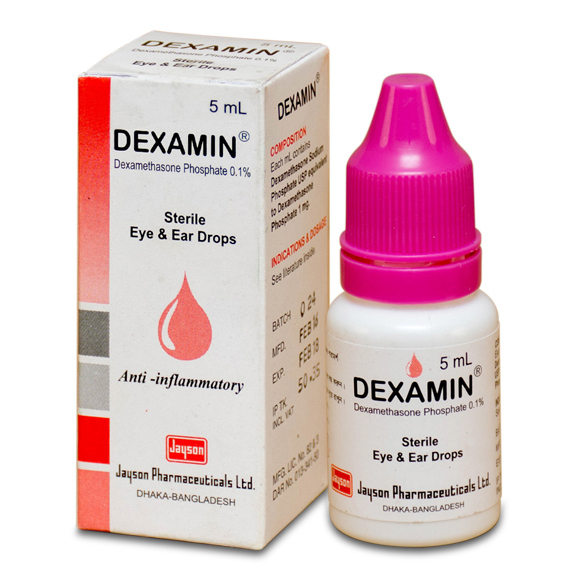
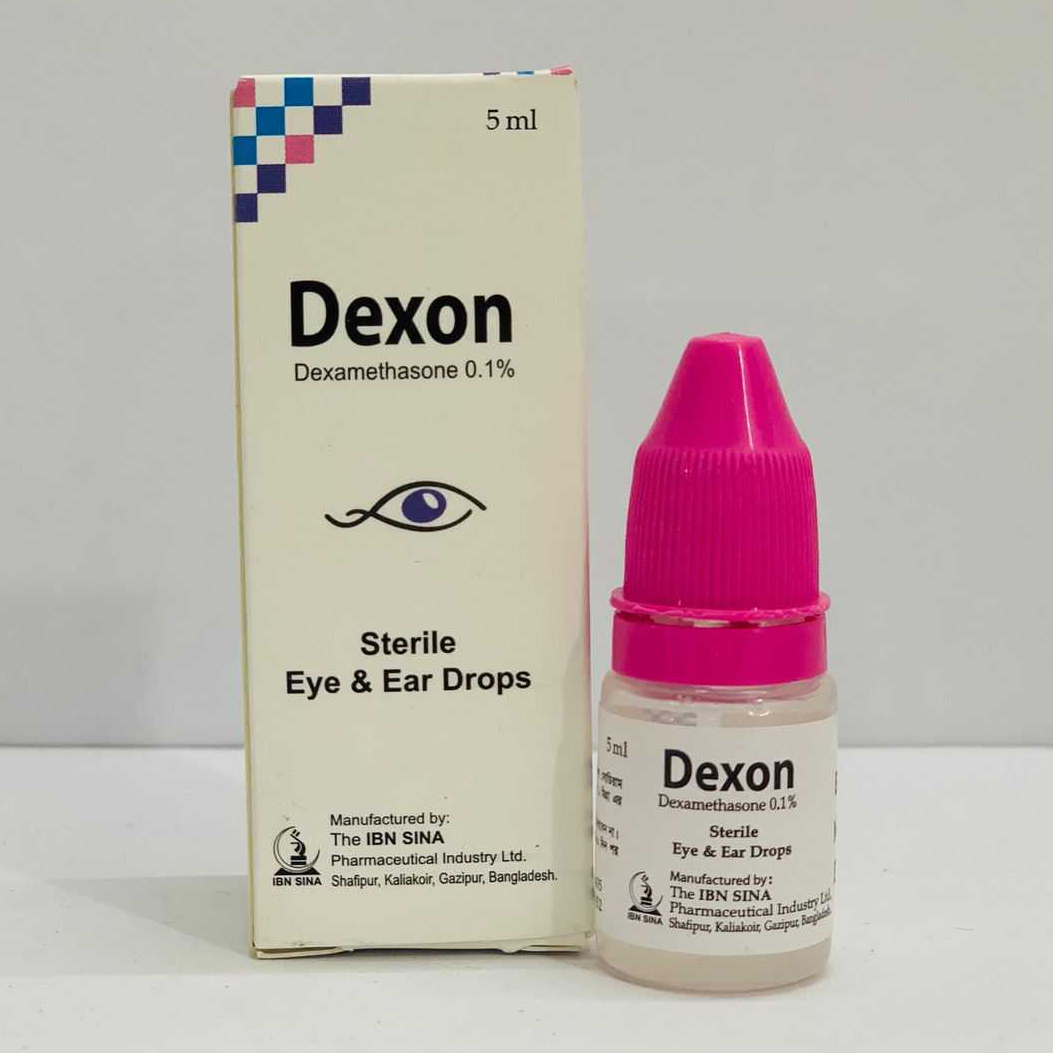
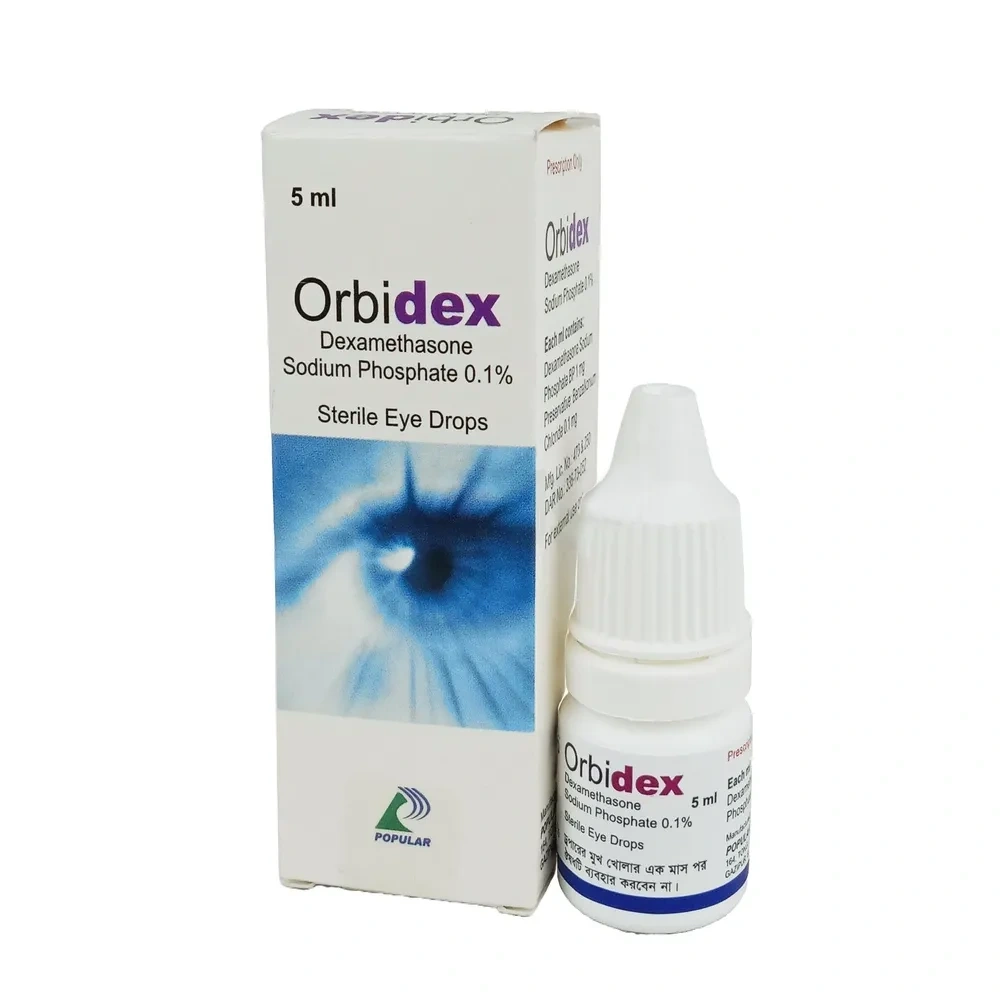
Dexamethasone, or MK-125, is a corticosteroid fluorinated at position 9 used to treat endocrine, rheumatic, collagen, dermatologic, allergic, ophthalmic, gastrointestinal, respiratory, hematologic, neoplastic, edematous, and other conditions. It is structurally similar to other corticosteroids like hydrocortisone and prednisolone.
Dexamethasone reduced deaths by approximately one third in patients requiring ventilation and by one fifth in those requiring oxygen.
Uses
Dexamethasone is a glucocorticoid available in various modes of administration that is used for the treatment of various inflammatory conditions, including bronchial asthma, as well as endocrine and rheumatic disorders.
Dexamethasone and ciprofloxacin otic suspension is indicated for bacterial infections with inflammation in acute otitis media and acute otitis externa. Intramuscular and intravenous injections are indicated for a number of endocrine, rheumatic, collagen, dermatologic, allergic, ophthalmic, gastrointestinal, respiratory, hematologic, neoplastic, edematous, and other conditions. Oral tablets are indicated for the treatment of multiple myeloma. An intravitreal implant is indicated for some forms of macular edema and non-infectious posterior uveitis affecting the posterior of the eye. Various ophthalmic formulations are indicated for inflammatory conditions of the eye.
Associated Conditions
Pharmacodynamics
Corticosteroids bind to the glucocorticoid receptor, inhibiting pro-inflammatory signals, and promoting anti-inflammatory signals. Dexamethasone's duration of action varies depending on the route. Corticosteroids have a wide therapeutic window as patients may require doses that are multiples of what the body naturally produces. Patients taking corticosteroids should be counselled regarding the risk of hypothalamic-pituitary-adrenal axis suppression and increased susceptibility to infections.
Mechanism of Action
The short term effects of corticosteroids are decreased vasodilation and permeability of capillaries, as well as decreased leukocyte migration to sites of inflammation. Corticosteroids binding to the glucocorticoid receptor mediates changes in gene expression that lead to multiple downstream effects over hours to days.
Glucocorticoids inhibit neutrophil apoptosis and demargination; they inhibit phospholipase A2, which decreases the formation of arachidonic acid derivatives; they inhibit NF-Kappa B and other inflammatory transcription factors; they promote anti-inflammatory genes like interleukin-10.
Lower doses of corticosteroids provide an anti-inflammatory effect, while higher doses are immunosuppressive. High doses of glucocorticoids for an extended period bind to the mineralocorticoid receptor, raising sodium levels and decreasing potassium levels.
Absorption
Absorption via the intramuscular route is slower than via the intravenous route. A 3mg intramuscular dose reaches a Cmax of 34.6±6.0ng/mL with a Tmax of 2.0±1.2h and an AUC of 113±38ng*h/mL. A 1.5mg oral dose reaches a Cmax of 13.9±6.8ng/mL with a Tmax of 2.0±0.5h and an AUC of 331±50ng*h/mL. Oral dexamethasone is approximately 70-78% bioavailable in healthy subjects.
Volume of Distribution
A 1.5mg oral dose of dexamethasone has a volume of distribution of 51.0L, while a 3mg intramuscular dose has a volume of distribution of 96.0L.
Protein Binding
Dexamethasone is approximately 77% protein bound in plasma. The majority of protein binding is with serum albumin.[A188559] Dexamethasone does not significantly bind to corticosteroid binding protein.[A188559]
Route of Elimination
Corticosteroids are generally eliminated predominantly in the urine. However, dexamethasone is 15
Half Life
The mean terminal half life of a 20mg oral tablet is 4 hours. A 1.5mg oral dose of dexamethasone has a half life of 6.6±4.3h, while a 3mg intramuscular dose has a half life of 4.2±1.2h.
Clearance
A 20mg oral tablet has a clearance of 15.7L/h. A 1.5mg oral dose of dexamethasone has a clearance of 15.6±4.9L/h while a 3.0mg intramuscular dose has a clearance of 9.9±1.4L/h.
Toxicity
The oral LD50 in female mice was 6.5g/kg and 794mg/kg via the intravenous route.
Overdoses are not expected with otic formulations. Chronic high doses of glucocorticoids can lead to the development of cataract, glaucoma, hypertension, water retention, hyperlipidemia, peptic ulcer, pancreatitis, myopathy, osteoporosis, mood changes, psychosis, dermal atrophy, allergy, acne, hypertrichosis, immune suppression, decreased resistance to infection, moon face, hyperglycemia, hypocalcemia, hypophosphatemia, metabolic acidosis, growth suppression, and secondary adrenal insufficiency. Overdose may be treated by adjusting the dose or stopping the corticosteroid as well as initiating symptomatic and supportive treatment.
Food Interactions
- Avoid alcohol.
- Take with food. Food reduces irritation.