Introduction
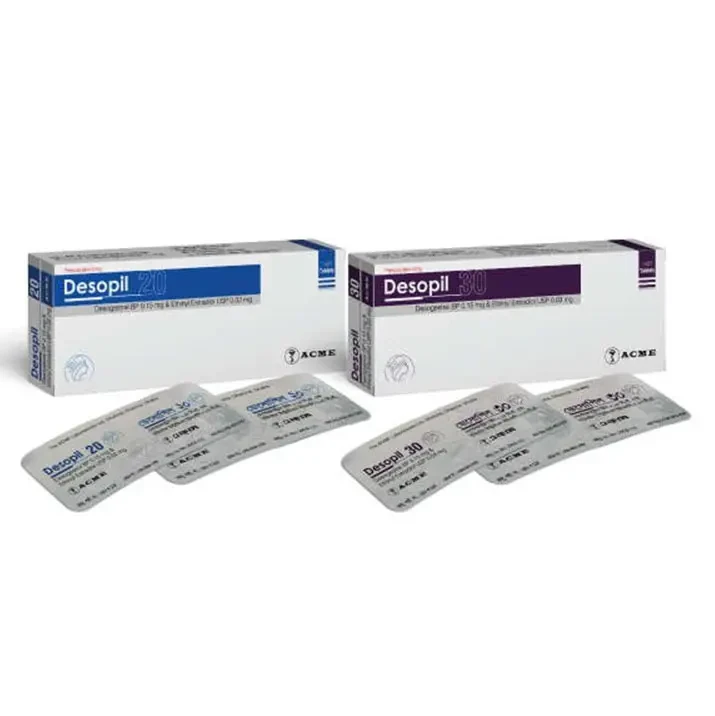
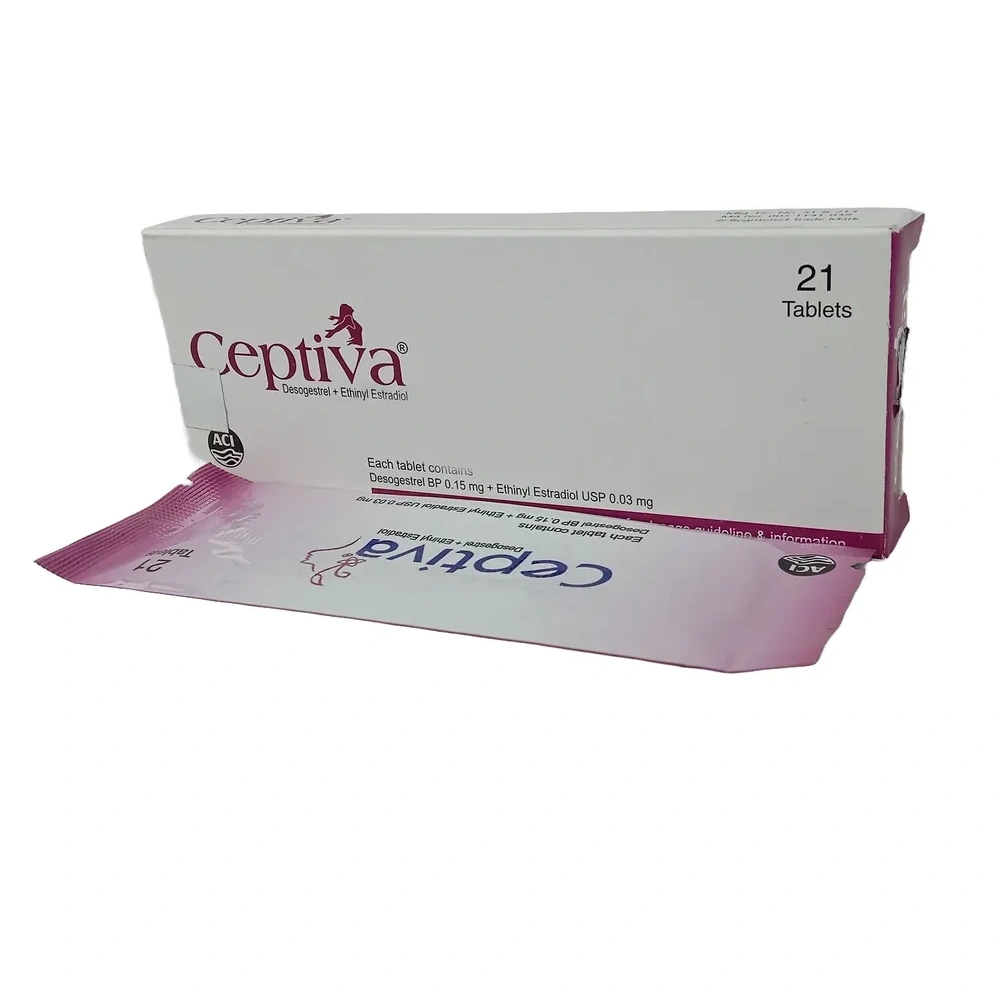
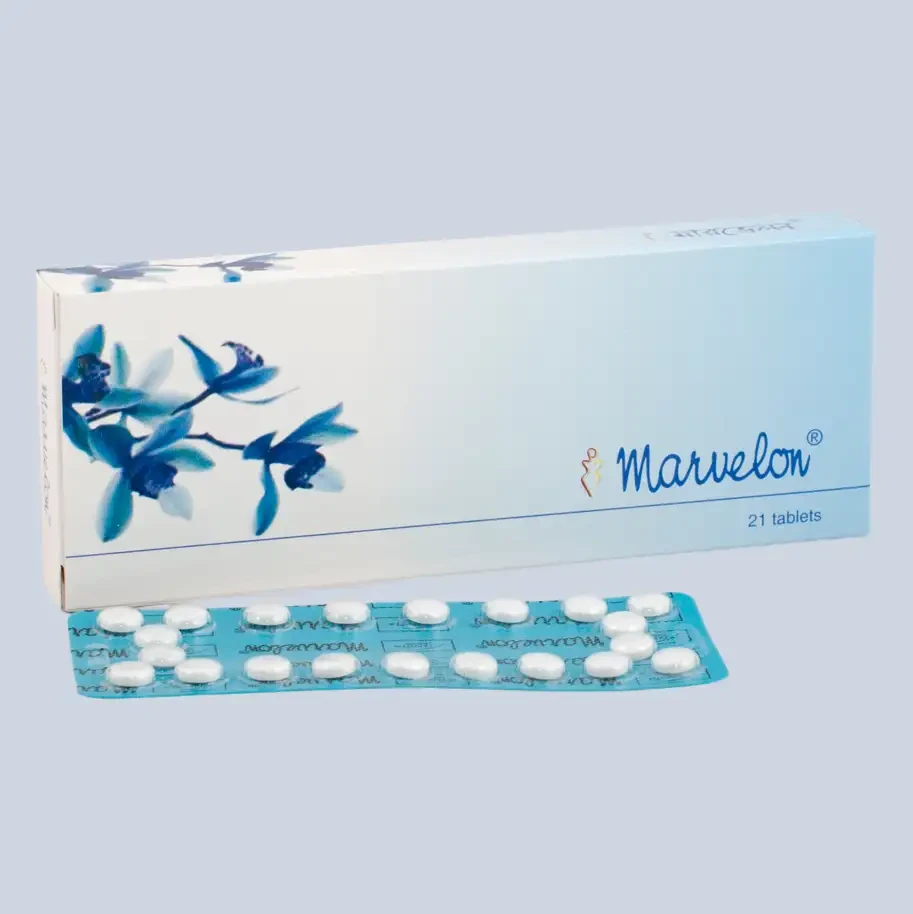
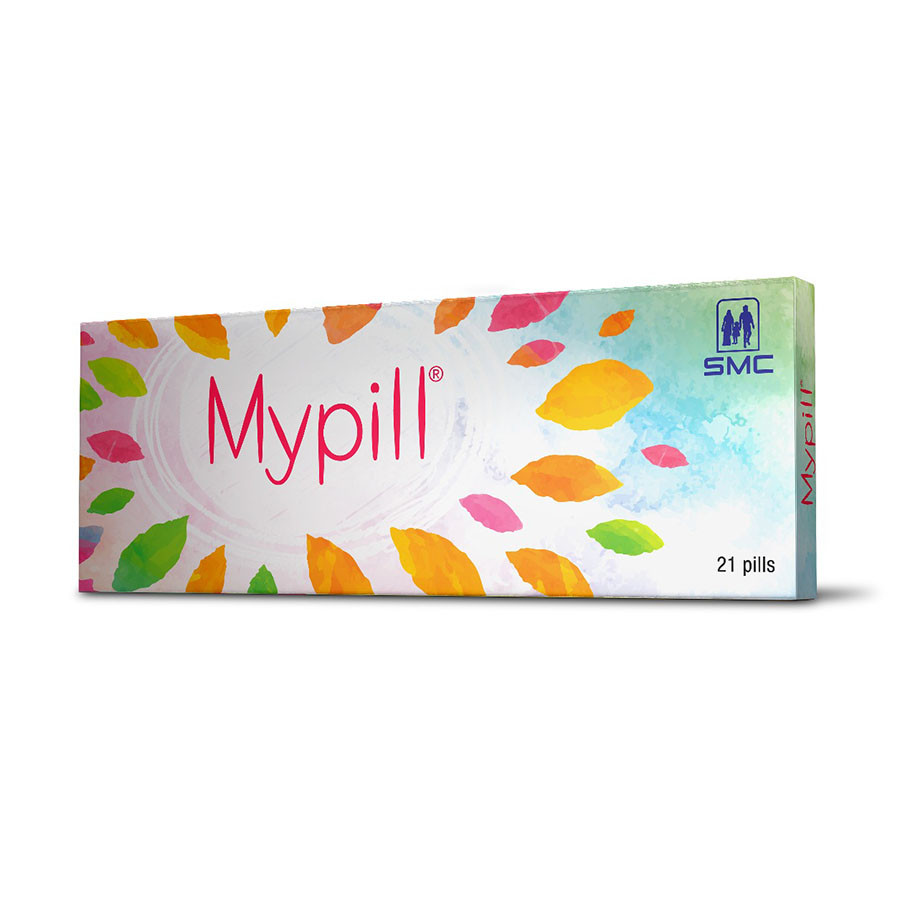
Ethinyl estradiol and desogestrel are combined in a contraceptive pill used to prevent pregnancy. This combination is a form of hormonal contraception that works by altering the natural hormonal regulation of the menstrual cycle.
Uses
Ethinyl estradiol + desogestrel is used primarily for:
- Contraception to prevent unwanted pregnancy.
- Regulation of menstrual cycles in women with irregular periods.
- Treatment of certain hormonal imbalances or disorders as prescribed by a healthcare provider.
Mechanism of Action
Ethinyl estradiol and desogestrel work together to prevent pregnancy through multiple mechanisms:
- Ethinyl estradiol, an estrogen, suppresses the release of follicle-stimulating hormone (FSH) and luteinizing hormone (LH), preventing ovulation.
- Desogestrel, a progestin, thickens cervical mucus to impede sperm entry and alters the endometrial lining to reduce the likelihood of implantation.
How Long Does It Take to Work?
The contraceptive effect of Ethinyl estradiol + desogestrel typically begins within 7 days of starting the medication if taken as directed. For maximum effectiveness, it is recommended to use an additional form of contraception during the first 7 days of use.
Absorption
Ethinyl estradiol and desogestrel are absorbed through the gastrointestinal tract. Ethinyl estradiol is well absorbed with peak plasma levels occurring about 1 to 2 hours after ingestion. Desogestrel is converted to its active form, etonogestrel, which is then absorbed into the bloodstream.
Route of Elimination
Both Ethinyl estradiol and desogestrel are metabolized in the liver. They are primarily eliminated through the urine. Ethinyl estradiol is also excreted in the feces. The drugs are broken down into various metabolites before being excreted.
Dosage
The typical dosage regimen for Ethinyl estradiol + desogestrel is:
- One tablet daily for 21 days, followed by a 7-day break during which a withdrawal bleed occurs.
- Some regimens may include continuous use with no break, depending on specific medical guidelines or conditions.
Administration
Ethinyl estradiol + desogestrel is administered orally in the form of tablets. It should be taken at the same time each day to maintain consistent hormone levels and effectiveness. For missed doses, follow the specific instructions provided with your medication.
Side Effects
Common side effects include:
- Nausea and vomiting.
- Headaches and migraines.
- Breast tenderness.
- Weight gain or fluid retention.
- Changes in menstrual bleeding patterns.
Toxicity
Toxicity is rare but can occur with overdose or misuse. Symptoms may include:
- Severe nausea and vomiting.
- Unusual bleeding or spotting.
- Signs of an allergic reaction.
Precautions
Precautions include:
- Regular monitoring of blood pressure and cardiovascular health, especially in individuals with risk factors.
- Assessment for risk factors of thrombosis or embolism.
- Consideration of potential interactions with other medications and health conditions.
Interaction
Ethinyl estradiol + desogestrel may interact with:
- Certain antibiotics, which may reduce the effectiveness of the contraceptive.
- Anticonvulsants and other medications that may impact hormone levels or metabolism.
Disease Interaction
Considerations for patients with:
- Cardiovascular disease, due to an increased risk of thromboembolic events.
- Liver disease, as it may affect drug metabolism and increase side effects.
- History of hormone-sensitive cancers, as hormonal contraceptives may affect these conditions.
Drug Interaction
Drug interactions may occur with:
- Antibiotics like rifampin, which can reduce the effectiveness of Ethinyl estradiol + desogestrel.
- Anticonvulsants such as phenytoin and carbamazepine, which may alter hormone metabolism.
Food Interactions
Food interactions are generally minimal with Ethinyl estradiol + desogestrel. However, maintaining a consistent diet and avoiding significant changes in dietary habits can help manage potential effects on drug absorption and efficacy.
Pregnancy Use
Ethinyl estradiol + desogestrel is contraindicated during pregnancy. It is not intended for use during pregnancy and may cause harm to the developing fetus. Use alternative contraceptive methods if pregnancy is suspected or confirmed.
Lactation Use
Ethinyl estradiol + desogestrel is excreted in breast milk in small amounts. It is generally considered safe for use during lactation, but consult your healthcare provider to discuss potential effects on the infant and ensure appropriate use.
Acute Overdose
Acute overdose symptoms may include:
- Severe nausea and vomiting.
- Abnormal bleeding.
- Signs of an allergic reaction.
Contraindication
Ethinyl estradiol + desogestrel is contraindicated in:
- Pregnancy.
- Women with a history of thromboembolic disorders or certain hormone-sensitive cancers.
- Severe liver disease or active liver tumors.
Use Direction
Follow the prescribed dosage and administration schedule. Take one tablet daily at the same time each day. For missed doses, refer to the specific instructions provided with your medication to ensure continued contraceptive efficacy.
Storage Conditions
Store Ethinyl estradiol + desogestrel tablets at room temperature, away from light, moisture, and heat. Keep the medication in its original packaging and out of reach of children.
Volume of Distribution
The volume of distribution for Ethinyl estradiol and desogestrel varies, but both hormones are distributed throughout body tissues, including the reproductive organs and blood. This distribution ensures the effective regulation of the menstrual cycle and prevention of ovulation.
Half Life
The half-life of Ethinyl estradiol is approximately 13 to 27 hours, while desogestrel has a half-life of about 30 hours. These pharmacokinetic properties support the need for daily dosing to maintain effective hormone levels.
Clearance
Ethinyl estradiol and desogestrel are primarily cleared by hepatic metabolism, followed by excretion through the urine. Clearance rates may be influenced by liver function and other metabolic factors, which may require adjustments in dosing or administration.