Introduction
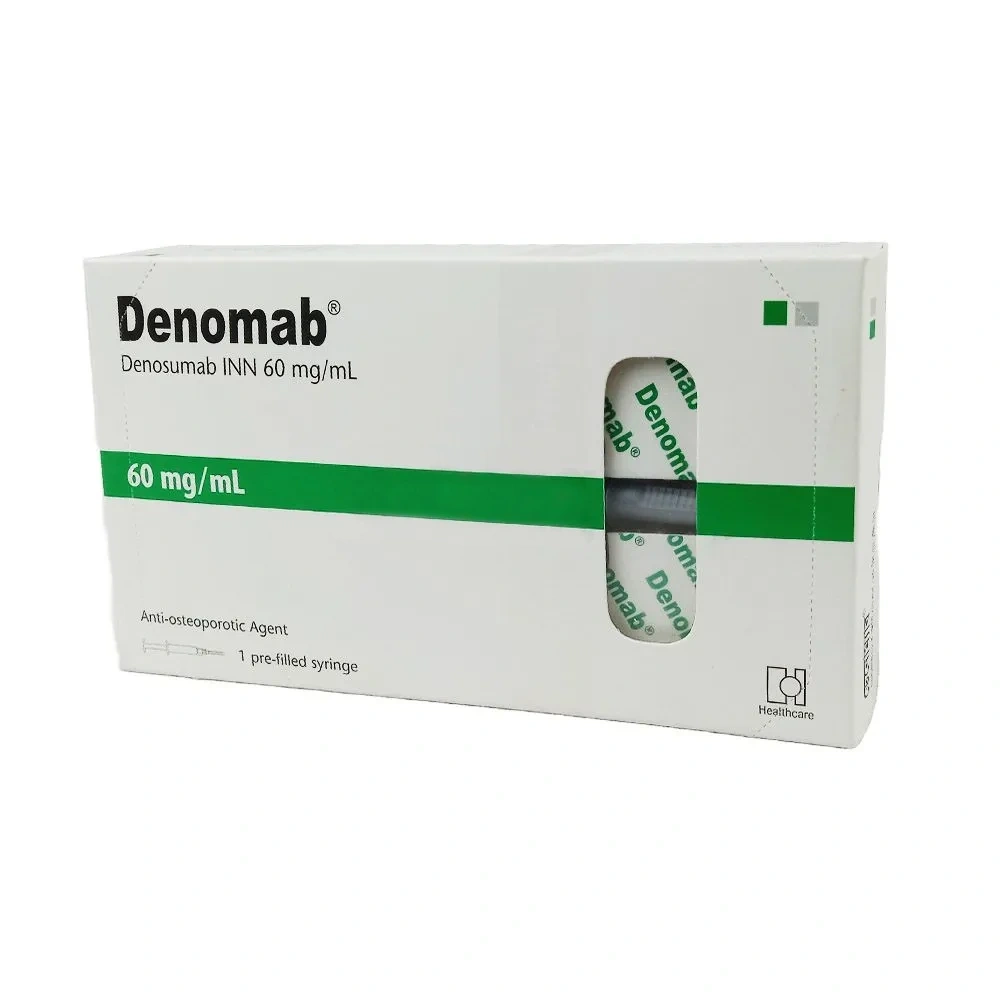
Denomab SC Injection 60 mg/ml is a monoclonal antibody used in the treatment of various bone-related conditions. It is primarily used to manage osteoporosis in postmenopausal women and men at high risk of fractures, as well as other conditions characterized by excessive bone resorption, such as bone metastases from solid tumors.
Uses
Denomab SC Injection 60 mg/ml is used for:
- Treatment of osteoporosis in postmenopausal women and men at high risk of fractures.
- Treatment of bone loss associated with hormone ablation in cancer patients.
- Prevention of skeletal-related events in patients with bone metastases from solid tumors.
| Brand Name | Denomab |
|---|---|
| Type | SC Injection |
| Weight | 60 mg/ml |
| Generic | Denosumab |
| Manufacturer | Healthcare Pharmaceuticals Ltd. |
| Available in | English বাংলা |
Mechanism of Action
Denomab SC Injection 60 mg/ml works by inhibiting the receptor activator of nuclear factor kappa-B ligand (RANKL). RANKL is a protein that is crucial for the formation, function, and survival of osteoclasts, the cells responsible for bone resorption. By binding to RANKL, denosumab prevents it from interacting with its receptor RANK on osteoclasts, thereby reducing bone resorption and increasing bone mass.
How Long Does It Take to Work?
The effects of denosumab on bone mineral density and bone turnover markers are typically observed within 3 to 6 months of starting treatment. Full therapeutic benefits may take longer, and continuous administration is usually required to maintain these effects.
Absorption
Denomab SC Injection 60 mg/ml is administered via subcutaneous injection and has a bioavailability of nearly 100% when given this way. It is not significantly affected by the presence of food or other substances in the gastrointestinal tract.
Route of Elimination
Denomab SC Injection 60 mg/ml is primarily eliminated through the reticuloendothelial system. It does not undergo significant metabolism in the liver or kidneys, and its clearance is not significantly affected by renal or hepatic function.
Dosage
Denosumab should be administered by a healthcare professional. Denosumab is intended for subcutaneous route only and should not be administered intravenously, intramuscularly, or intradermally.Treatment of Osteoporosis and Bone Loss: Administer 60 mg every 6 months as a subcutaneous injection in the upper arm, upper thigh, or abdomen. Instruct patients to take calcium 1000 mg daily and at least 400 IU vitamin D daily. If a dose of Denosumab is missed, administer the injection as soon as the patient is available. Thereafter, schedule injections every 6 months from the date of the last injection.
Multiple Myeloma and Bone Metastasis from Solid Tumors: Administer 120 mg every 4 weeks as a subcutaneous injection in the upper arm, upper thigh, or abdomen
Giant Cell Tumor of Bone: Administer 120 mg every 4 weeks with additional 120 mg doses on Days 8 and 15 of the first month of therapy. Administer subcutaneously in the upper arm, upper thigh, or abdomen. Administer calcium and vitamin D as necessary to treat or prevent hypocalcemia.
Hypercalcemia of Malignancy: Administer 120 mg every 4 weeks with additional 120 mg doses on Days 8 and 15 of the first month of therapy. Administer subcutaneously in the upper arm, upper thigh, or abdomen.
The recommended dosage of denosumab varies based on the condition being treated:
- For osteoporosis: 60 mg administered subcutaneously every 6 months.
- For bone loss associated with hormone ablation: 60 mg administered subcutaneously every 6 months.
- For bone metastases: 120 mg administered subcutaneously every 4 weeks.
Administration
Denomab SC Injection 60 mg/ml is administered by subcutaneous injection into the upper arm, thigh, or abdomen. It is important to follow the prescribed schedule and site rotation to minimize the risk of local reactions.
Side Effects
Common side effects of denosumab include:
- Back pain
- Pain in the extremities
- Muscle pain
- Infections of the urinary tract or upper respiratory tract
- Skin rash
Toxicity
Denomab SC Injection 60 mg/ml toxicity is rare but can occur. Symptoms may include severe hypocalcemia or severe infections. Regular monitoring of calcium levels and overall health is recommended during treatment.
Precautions
Precautions for denosumab include:
- Monitoring calcium levels prior to and during treatment, especially in patients at risk for hypocalcemia.
- Dental evaluations and care, as there is a risk of osteonecrosis of the jaw.
- Assessing for signs of atypical femur fractures.
Interaction
Denomab SC Injection 60 mg/ml does not have significant interactions with most other drugs. However, it is important to use it cautiously with other medications that affect calcium levels or bone metabolism.
Disease Interaction
Denomab SC Injection 60 mg/ml should be used with caution in patients with:
- Severe renal impairment
- Pre-existing hypocalcemia or other metabolic bone diseases
- History of jawbone problems or poor dental health
Drug Interaction
There are no known significant drug interactions with denosumab. However, patients should inform their healthcare provider of all medications they are taking, including over-the-counter drugs and supplements.
Food Interactions
Denomab SC Injection 60 mg/ml is not significantly affected by food intake. It can be administered regardless of food consumption.
Pregnancy Use
Denomab SC Injection 60 mg/ml is classified as a Category X drug for pregnancy. It should not be used during pregnancy due to the potential risk to the fetus. Effective contraception is recommended during treatment.
Lactation Use
It is not known whether denosumab is excreted in breast milk. Due to the potential for serious adverse effects, it is recommended to avoid breastfeeding during denosumab treatment.
Acute Overdose
In case of acute overdose, symptomatic treatment and supportive care should be provided. Monitoring of calcium levels is essential, as severe hypocalcemia may occur.
Contraindication
Denomab SC Injection 60 mg/ml is contraindicated in individuals with:
- Hypocalcemia
- Severe renal impairment or end-stage renal disease
- Known hypersensitivity to denosumab or any component of the formulation
Use Direction
Denomab SC Injection 60 mg/ml should be administered exactly as prescribed. Follow the injection schedule carefully and consult your healthcare provider if you miss a dose or have any concerns.
Storage Conditions
Denomab SC Injection 60 mg/ml should be stored in the refrigerator at 2°C to 8°C (36°F to 46°F). Do not freeze or shake the medication. It can be stored at room temperature for up to 30 days if needed.
Volume of Distribution
Denomab SC Injection 60 mg/ml has a large volume of distribution, which allows it to effectively reach its target tissues. The exact volume of distribution is not well-documented but is understood to be extensive.
Half Life
The half-life of denosumab is approximately 26 days. This allows for the extended dosing intervals of every 6 months for osteoporosis or every 4 weeks for bone metastases.
Clearance
Denomab SC Injection 60 mg/ml is primarily cleared through the reticuloendothelial system, with minimal renal or hepatic clearance. Clearance rates can be influenced by factors such as body weight and overall health.
See in details version Denomab SC Injection 60 mg/ml also Denomab SC Injection 60 mg/ml in bangla
Social card