Introduction

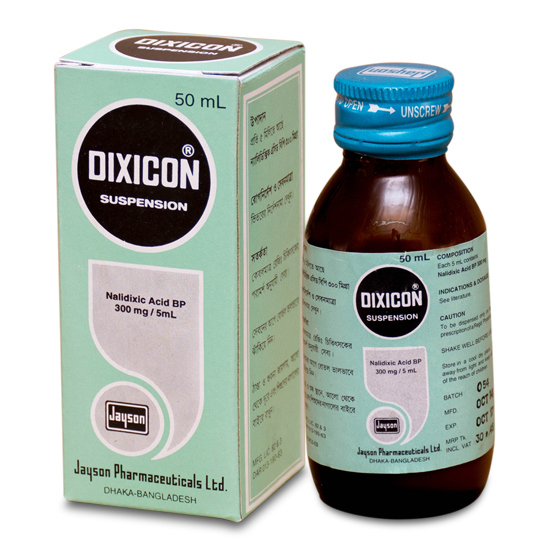
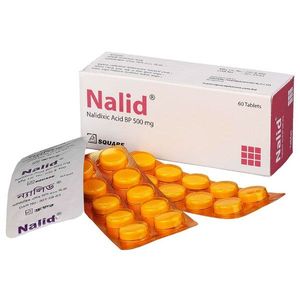
Degram Oral Suspension 300 mg/5 ml is a synthetic antibacterial agent belonging to the class of quinolone antibiotics. It is used to treat infections of the urinary tract and certain types of bacterial infections. This medication is known for its effectiveness against gram-negative bacteria and is a precursor to more advanced quinolones.

Uses

Degram Oral Suspension 300 mg/5 ml is primarily used to treat:

  • Urinary Tract Infections (UTIs): It is effective against various strains of bacteria that cause UTIs.
  • Certain Bacterial Infections: It can be used for infections caused by susceptible strains of bacteria, including some gram-negative organisms.
It may also be used in the treatment of other infections as determined by a healthcare provider based on susceptibility testing.

Brand Name Degram
Type Oral Suspension
Weight 300 mg/5 ml
Generic Nalidixic Acid
Manufacturer Doctor’s Chemical Works Ltd.
Available in English বাংলা

Mechanism of Action

Degram Oral Suspension 300 mg/5 ml works by inhibiting bacterial DNA gyrase, an enzyme crucial for bacterial DNA replication and repair. This inhibition leads to the death of the bacteria by preventing the proper replication and transcription of bacterial DNA.

How Long Does It Take to Work?

Therapeutic effects of Degram Oral Suspension 300 mg/5 ml may be observed within 24 to 48 hours of starting treatment. However, the full resolution of symptoms may take longer, depending on the severity of the infection and the patient's overall health.

Absorption

Degram Oral Suspension 300 mg/5 ml is well absorbed from the gastrointestinal tract after oral administration. Peak plasma concentrations are typically reached within 1 to 2 hours following ingestion.

Route of Elimination

Degram Oral Suspension 300 mg/5 ml is primarily excreted through the kidneys. Approximately 70-80% of the administered dose is eliminated in the urine as unchanged drug, with a smaller fraction excreted in the feces.

Dosage

Adult: initially is 1 g every 6 hours for 7 days reducing to 500 mg every 6 hours.

Children: Infants and children 3 month of age and over Initial: Oral 13.75 mg per kg body weight every six hours for one or two weeks. Maintenance: Oral 8.25 mg per kg body weight every six hours or as prescribed by the physician.


The typical dosage for Degram Oral Suspension 300 mg/5 ml varies based on the infection being treated:

  • For adults: 1,000 to 2,000 mg per day, divided into two or four doses, depending on the severity of the infection.
  • For pediatric use: Dosage is adjusted based on body weight and the specific infection. Always follow dosing recommendations provided by a healthcare provider.
Dosage adjustments may be necessary for patients with impaired renal function.

Administration

Degram Oral Suspension 300 mg/5 ml is administered orally in the form of tablets. It is typically taken with a full glass of water to enhance absorption and minimize gastrointestinal irritation. It is recommended to take the medication at evenly spaced intervals to maintain effective drug levels.

Side Effects

Common side effects of Degram Oral Suspension 300 mg/5 ml may include:

  • Nausea, vomiting, or diarrhea.
  • Abdominal pain or discomfort.
  • Headache or dizziness.
Severe reactions, though rare, can include allergic reactions, severe gastrointestinal disturbances, or central nervous system effects. Seek medical attention if severe or persistent side effects occur.

Toxicity

Symptoms of Degram Oral Suspension 300 mg/5 ml toxicity may include:

  • Severe nausea, vomiting, or diarrhea.
  • Central nervous system effects such as seizures or confusion.
In case of suspected overdose, seek immediate medical attention. Treatment generally involves supportive care and symptom management.

Precautions

Precautions include:

  • Use with caution in patients with renal impairment, as dosage adjustments may be necessary.
  • Monitor for potential allergic reactions or gastrointestinal disturbances.
  • Avoid excessive sun exposure, as Degram Oral Suspension 300 mg/5 ml can increase sensitivity to sunlight.
Regular monitoring by a healthcare provider is recommended during treatment.

Interaction

Degram Oral Suspension 300 mg/5 ml may interact with:

  • Antacids or other medications containing aluminum, magnesium, or calcium, which can reduce its absorption.
  • Other antibiotics or medications affecting bacterial flora or renal function.
Inform your healthcare provider of all medications and supplements being used to manage potential interactions.

Disease Interaction

Use with caution in:

  • Patients with renal impairment or other kidney-related conditions, as dosage adjustments may be needed.
  • Individuals with a history of seizures or central nervous system disorders.
Regular monitoring and consultation with a healthcare provider are advised for patients with these conditions.

Drug Interaction

Drug interactions may include:

  • Interactions with drugs that affect renal function or alter urinary pH.
  • Potential interactions with other antibiotics, which may alter effectiveness or side effects.
Always inform your healthcare provider of all medications and supplements being taken.

Food Interactions

There are minimal direct food interactions with Degram Oral Suspension 300 mg/5 ml, but taking it with food may help reduce gastrointestinal irritation. Avoid consuming dairy products or calcium-rich foods around the time of taking the medication, as they can impair absorption.

Pregnancy Use

Degram Oral Suspension 300 mg/5 ml is classified as a Category C drug during pregnancy, meaning risk cannot be ruled out. It should be used during pregnancy only if clearly needed and if the benefits outweigh the risks. Consult a healthcare provider for personalized advice during pregnancy.

Lactation Use

Degram Oral Suspension 300 mg/5 ml is excreted in breast milk. Use during lactation should be carefully evaluated by a healthcare provider. The medication should be used only if the benefits justify the potential risk to the infant.

Acute Overdose

Acute overdose symptoms may include severe gastrointestinal distress, central nervous system effects such as seizures, and potential renal toxicity. In case of overdose, seek immediate medical attention for supportive care and symptom management.

Contraindication

Contraindications include:

  • Known hypersensitivity to Degram Oral Suspension 300 mg/5 ml or other quinolone antibiotics.
  • Severe renal impairment without appropriate dosage adjustment.
Avoid use in these conditions to prevent adverse effects.

Use Direction

Follow the dosage instructions provided by a healthcare provider. Typically, the medication should be taken as prescribed, with or without food. Maintain consistent dosing intervals and complete the full course of treatment to ensure effectiveness.

Storage Conditions

Store Degram Oral Suspension 300 mg/5 ml at room temperature, away from moisture and heat. Keep the medication in its original container with the lid tightly closed. Store out of reach of children and follow any additional storage instructions on the label.

Volume of Distribution

The volume of distribution for Degram Oral Suspension 300 mg/5 ml is relatively high, indicating good tissue penetration. It is distributed widely throughout the body, including the kidneys, liver, and urinary tract.

Half Life

The half-life of Degram Oral Suspension 300 mg/5 ml is approximately 1.5 to 2 hours. This relatively short half-life necessitates multiple doses per day to maintain effective drug levels in the body.

Clearance

Degram Oral Suspension 300 mg/5 ml is primarily cleared through the kidneys. The clearance rate can be influenced by renal function, and dosage adjustments may be necessary in patients with renal impairment.

See in details version Degram Oral Suspension 300 mg/5 ml also Degram Oral Suspension 300 mg/5 ml in bangla

Some Frequently Asked Questions About Degram Oral Suspension 300 mg/5 ml

*** Taking medicines without doctor's advice can cause long-term problems.
Brig. Gen. Prof. Dr. AFM Shamsul Haque

Brig. Gen. Prof. Dr. AFM Shamsul Haque

Cardiology, Hypertension & Medicine Specialist

Call Doctor
Prof. Dr. M. Kamal Uddin

Prof. Dr. M. Kamal Uddin

Cancer & Tumor Specialist

Call Doctor
Dr. Md. O.F.G Kibria

Dr. Md. O.F.G Kibria

Orthopedics, Trauma, Hip & Knee Replacements Surgeon

Call Doctor
Related Medicines