Introduction
Salicylic Acid and Lactic Acid are commonly used together in dermatological treatments. This combination is primarily applied in topical formulations for the treatment of various skin conditions such as acne, warts, and hyperkeratosis. Each component contributes to the effectiveness of the treatment through its distinct properties.
Uses
The combination of Salicylic Acid and Lactic Acid is used for:
- Acne Treatment: Both acids work together to exfoliate the skin, unclog pores, and reduce acne lesions.
- Wart Removal: Salicylic Acid helps to break down the keratin in warts, while Lactic Acid enhances skin shedding and regeneration.
- Hyperkeratosis Management: It is effective in treating conditions where there is excessive thickening of the skin, such as calluses or corns.
Mechanism of Action
Salicylic Acid is a keratolytic agent that works by dissolving the bonds between keratinocytes, thereby promoting the shedding of the outer layer of skin and reducing inflammation. Lactic Acid is an alpha hydroxy acid (AHA) that exfoliates the skin by breaking down the bonds between dead skin cells, enhancing skin hydration, and improving skin texture. Together, they provide a synergistic effect in exfoliating and smoothing the skin.
How Long Does It Take to Work?
The effects of Salicylic Acid and Lactic Acid can vary depending on the condition being treated. Typically, improvement in acne and skin texture may be observed within 2 to 4 weeks of consistent use. For warts and hyperkeratosis, visible results can take several weeks to months, depending on the severity of the condition and the frequency of application.
Absorption
When applied topically, Salicylic Acid and Lactic Acid are absorbed into the upper layers of the skin. The penetration depth can vary based on the formulation, concentration, and skin condition. These acids work primarily on the surface layers and are not significantly absorbed into systemic circulation in typical therapeutic doses.
Route of Elimination
As topical agents, Salicylic Acid and Lactic Acid are minimally absorbed into the bloodstream, and their elimination is not a primary concern with normal use. Any systemic absorption of Salicylic Acid is metabolized in the liver and excreted via the urine. Lactic Acid is metabolized primarily in the liver and converted into glucose, which is then utilized or excreted in the urine.
Dosage
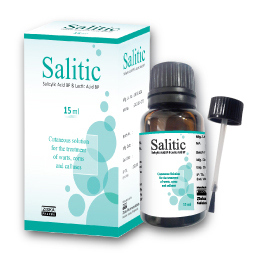
Unscrew bottle cap and with the help of brush applicator, apply to the affected areas. ‘Before starting to use this topical solution, unscrew the fitted cap, discard it. Carefully remove the plug away from your body to avoid splashing into eyes/ face and discard it, replace with the brush applicator cap provided inthe sealed polybag given in the carton. This topical solution should be applied to the affected areas once daily, according to the following instructions:
- Soak affected site in hot water for five minutes.
- Rub surface carefully with pumice stone or emeryboard to remove any hard skin. Dry with your own towel.
- Apply this topical solution using the brush applicator supplied, taking care to avoid contact with normal skin.
- Allow to dry thoroughly and cover with plaster if lesion is large or on the foot to help penetration of active ingredients.
- Continue treatment once daily until the lesion is completely cleared and the ridge lines of the skin have been restored or when the corn can be removed.
- The usual treatment period is 6 to 12 weeks.
The dosage and concentration of Salicylic Acid and Lactic Acid depend on the formulation and the condition being treated. Typical concentrations are:
- Salicylic Acid: 0.5% to 30%, depending on the product and intended use (e.g., acne treatment, wart removal).
- Lactic Acid: 5% to 12% in combination products.
Administration
Salicylic Acid and Lactic Acid are administered topically in the form of creams, gels, pads, or solutions. The application should be done as directed by the product label or healthcare provider. Typically, the product is applied to the affected area once or twice daily. Avoid applying to broken or irritated skin.
Side Effects
Common side effects may include:
- Skin irritation or redness
- Dryness or peeling
- Burning or stinging sensation
Toxicity
Topical use of Salicylic Acid and Lactic Acid at recommended concentrations is generally safe. However, excessive use or application to large areas can lead to systemic absorption, particularly with Salicylic Acid, which may cause toxicity symptoms such as tinnitus, headache, or gastrointestinal disturbances. If signs of toxicity are observed, seek medical attention immediately.
Precautions
Precautions include:
- Avoid use on broken or irritated skin.
- Limit sun exposure and use sunscreen, as the acids can increase skin sensitivity to sunlight.
- Use with caution in patients with sensitive skin or those with a history of allergic reactions to similar products.
Interaction
Salicylic Acid and Lactic Acid may interact with other topical treatments or skincare products, particularly those with exfoliating properties or containing alcohol. Combining these products can increase the risk of skin irritation or excessive dryness. Avoid using other strong exfoliants or astringents in conjunction with these acids.
Disease Interaction
Use with caution in individuals with:
- Active skin infections or inflammatory conditions
- Pre-existing skin sensitivity or eczema
Drug Interaction
There are no significant systemic drug interactions associated with topical use of Salicylic Acid and Lactic Acid. However, interactions with other topical products should be considered to prevent excessive irritation. Consult a healthcare provider if using multiple topical treatments.
Food Interactions
There are no known food interactions with the topical application of Salicylic Acid and Lactic Acid. However, maintaining a healthy diet can support overall skin health and potentially enhance the effectiveness of topical treatments.
Pregnancy Use
Topical use of Salicylic Acid and Lactic Acid is generally considered safe during pregnancy, especially at lower concentrations. However, avoid excessive use and consult a healthcare provider to evaluate the risk versus benefit for individual circumstances. High systemic absorption of Salicylic Acid should be avoided.
Lactation Use
Topical application of Salicylic Acid and Lactic Acid is considered safe during lactation. Minimal systemic absorption reduces the risk to a breastfeeding infant. However, avoid applying to the breast area and consult a healthcare provider if there are concerns or unusual reactions.
Acute Overdose
Acute overdose from topical application is unlikely but could occur if large amounts are ingested or applied to extensive areas. Symptoms might include severe skin irritation or systemic effects such as nausea or headache. Seek medical attention if significant exposure occurs.
Contraindication
Salicylic Acid and Lactic Acid are contraindicated in:
- Individuals with hypersensitivity or known allergy to either component.
- Areas of broken or inflamed skin where irritation could be exacerbated.
Use Direction
Apply the product as directed on the affected area. Avoid using on broken skin and limit application to the recommended frequency. Follow the instructions on the product label or as directed by a healthcare provider to maximize effectiveness and minimize side effects.
Storage Conditions
Store Salicylic Acid and Lactic Acid products at room temperature, away from moisture and direct sunlight. Ensure the product is kept out of reach of children. Avoid storing in extreme temperatures or conditions that could affect the stability of the formulation.
Volume of Distribution
The volume of distribution for topical Salicylic Acid and Lactic Acid is minimal since these substances are primarily used on the skin and have limited systemic absorption. The primary effect occurs at the site of application.
Half Life
For topical use, the half-life of Salicylic Acid and Lactic Acid is not typically relevant since systemic absorption is minimal. The primary focus is on the duration of local effects and the persistence of the product on the skin.
Clearance
Systemic clearance is not a major consideration for topical formulations of Salicylic Acid and Lactic Acid due to their limited absorption. The primary route of action is local, with minimal systemic effects expected under normal use conditions.