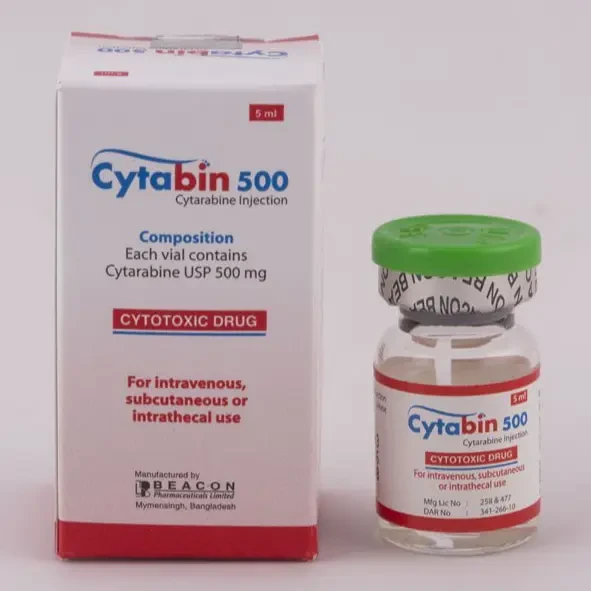
Cybine IV Infusion 500 mg/vial Introduction

Cybine IV Infusion 500 mg/vial is an anti-cancer chemotherapy drug. It is classified as an antimetabolite, as it works by preventing cells from producing new DNA strands that are needed for reproduction and division. It is most commonly used in the treatment of acute leukemias. It is a cytotoxic drug, meaning it begins to kill rapidly dividing cells such as cancer cells. While it is used to treat cancer, it could also potentially be used to treat other conditions that involve abnormal divisions, such as skin disorders or viral infections.

Uses for Cybine IV Infusion 500 mg/vial

Cybine IV Infusion 500 mg/vial is primarily used to treat acute leukemias, such as acute myeloid leukemia (AML) and acute lymphoblastic leukemia (ALL). It can also be used to treat certain types of myelodysplastic syndromes, non-Hodgkin’s lymphoma, and other types of cancer. Cybine IV Infusion 500 mg/vial may also be used in other cases where cells are rapidly dividing, such as viral infections or skin disorders.

Brand Name Cybine
Type IV Infusion
Weight 500 mg/vial
Generic Cytarabine
Manufacturer Renata PLC
Available in English বাংলা

Mechanism of Action

Cybine IV Infusion 500 mg/vial works by inhibiting the enzymes that are responsible for producing DNA strands, which are required for cells to replicate and divide. This prevents the cancer cells from dividing, which eventually leads to their death. Cybine IV Infusion 500 mg/vial is also able to penetrate into healthy cells, which allows it to treat multiple types of cancer and other conditions.

How Long Does It Take to Work?

The effectiveness of cytarabine depends largely on its dosage and the type of cancer being treated. In most cases, it takes several weeks for the drug to start having an effect. In some cases, it may take up to several months for the drug to reach its full potential.

Absorption

Cybine IV Infusion 500 mg/vial is mainly metabolized in the liver and absorbed by small intestine. There is no significant difference in absorption between oral and intravenous administration.

Route of Elimination

Cybine IV Infusion 500 mg/vial is eliminated from the body primarily through urine. About 15-25% of the drug is metabolized by the liver and eliminated through feces.

Dosage

Cytarabine Injection is not active orally. The schedule and method of administration varies with the program of therapy to be used. Cytarabine Injection may be given by intravenous infusion or injection, subcutaneously, or intrathecally (preservative free preparation only). In the induction therapy of acute non-lymphocytic leukemia, the usual cytarabine dose in combination with other anticancer drugs is 100 mg/m2/day by continuous IV infusion (1 to 7 Days) or 100 mg/m2 IV every 12 hours 1 to 7 Days). The literature should be consulted for the current recommendations for use in acute lymphocytic leukemia.

Intrathecal Use in Meningeal Leukemia: Cytarabine injection has been used intrathecally in acute leukemia in doses ranging from 5 mg/m2 to 75 mg/m2 of body surface area.

Use in Children: Appropriate studies with cytarabine have not been performed in the paediatric population. However, paediatric specific problems that would limit the usefulness of this medication in children are not expected.

Use in the Elderly: Although studies with cytarabine have not been performed in the geriatric population, geriatric specific problems that would limit the usefulness of this medication in the elderly are not expected. Elderly patients are, however, more likely to have age related renal function impairment, which may require reduction of dosage in patients receiving cytarabine.


The dosage of cytarabine depends on the type of cancer being treated, the severity of the condition, and weight of the patient. Generally, the recommended dosage for adults is 10-30 mg/m2 daily, divided into two dose administrations over 24 hours.

Administration

Cybine IV Infusion 500 mg/vial is available in both oral and intravenous forms. It can be taken orally or injected intravenously. Generally, the intravenous form is preferred over the oral form, as it is more potent and has a faster onset of action.

Side Effect

Common side effects of cytarabine include nausea, vomiting, diarrhea, hair loss, fatigue, and headache. More serious side effects include bone marrow suppression, increased risk of infection, and anemia.

Toxicity

High doses of cytarabine can be toxic, potentially causing serious side effects. These side effects can include anemia, kidney failure, abnormal heart rhythms, and seizures. If any of these symptoms occur, the patient should seek medical attention immediately.

Precaution

Patients with a history of kidney or liver disease, anemia, or bleeding disorders should be monitored closely while taking cytarabine. Patients should also be monitored for signs of infection, as cytarabine can lower the body’s count of white blood cells. As with any medication, patients should seek medical attention if any unusual symptoms occur.

Interaction

Cybine IV Infusion 500 mg/vial can interact with many medications and cause serious side effects. It should not be taken with any medications that lowers the body’s counts of white blood cells, such as antifungals or antibiotics. Patients should always inform their healthcare provider about all medications they are taking before taking cytarabine.

Disease Interaction

Cybine IV Infusion 500 mg/vial can interact with other diseases or medical conditions and cause serious side effects. Patients with kidney or liver diseases, anemia, or bleeding disorders should be monitored closely while taking cytarabine. Patients with any type of infection should also be monitored, as cytarabine can lower the body’s white blood cell count.

Drug Interaction

Cybine IV Infusion 500 mg/vial should not be taken with any medications that lowers the body’s white blood cell counts, such as antibiotics or antifungals. It should also not be taken with warfarin or other blood thinners, as this may increase the risk of bleeding. Patients should always inform their healthcare provider of all medications they are taking before taking cytarabine.

Food Interactions

Cybine IV Infusion 500 mg/vial should not be taken with grapefruit juice as it can increase the risk of side effects. Patients should also avoid caffeine, alcohol, and any other substances that can interfere with the metabolism of the drug. If any unusual symptoms occur, the patient should seek medical attention.

Pregnancy Use

Cybine IV Infusion 500 mg/vial should not be taken during pregnancy, as there is potential for fetal damage. Women who are pregnant or may become pregnant should inform their healthcare provider before taking cytarabine.

Lactation Use

Cybine IV Infusion 500 mg/vial, as a chemotherapeutic agent, is not approved for use in breast-feeding women. It could potentially pass through breast milk and cause serious side effects to a nursing baby.

Acute Overdose

Any overdose of cytarabine should be treated as a medical emergency. Symptoms of an overdose may include headache, fever, chills, and/or confusion. A patient should seek medical attention immediately if any unusual symptoms occur.

Contraindication

Cybine IV Infusion 500 mg/vial should not be taken in patients with serious kidney or liver disease, anemia, or bleeding disorders, as it may exacerbate symptoms and cause serious side effects. Patients should also avoid taking cytarabine if they are pregnant or breastfeeding.

Use Direction

Cybine IV Infusion 500 mg/vial should be taken exactly as prescribed by a healthcare provider. The dosage will depend on the type of cancer being treated, the severity of the condition, and weight of the patient. The drug should not be taken with any medications that lowers the white blood cell counts, such as antibiotics or antifungals. Patients should also avoid grapefruit juice while taking cytarabine.

Storage Condition

Cybine IV Infusion 500 mg/vial should be stored at room temperature, away from heat and moisture. It should also be kept away from children and pets.

Volume of Distribution

The volume of distribution of cytarabine is 2.2-2.9 L/kg.

Half Life

The half life of cytarabine is 1-2 hours.

Clearance

The urinary clearance of cytarabine is 0.45-0.65 ml/min/kg.

See in details version Cybine IV Infusion 500 mg/vial also Cybine IV Infusion 500 mg/vial in bangla

Some Frequently Asked Questions About Cybine IV Infusion 500 mg/vial

*** Taking medicines without doctor's advice can cause long-term problems.
Dr. Fahmida Islam Chowdhury

Dr. Fahmida Islam Chowdhury

Gynecology, Obstetrics Specialist & Surgeon

Call Doctor
Related Medicines