Introduction
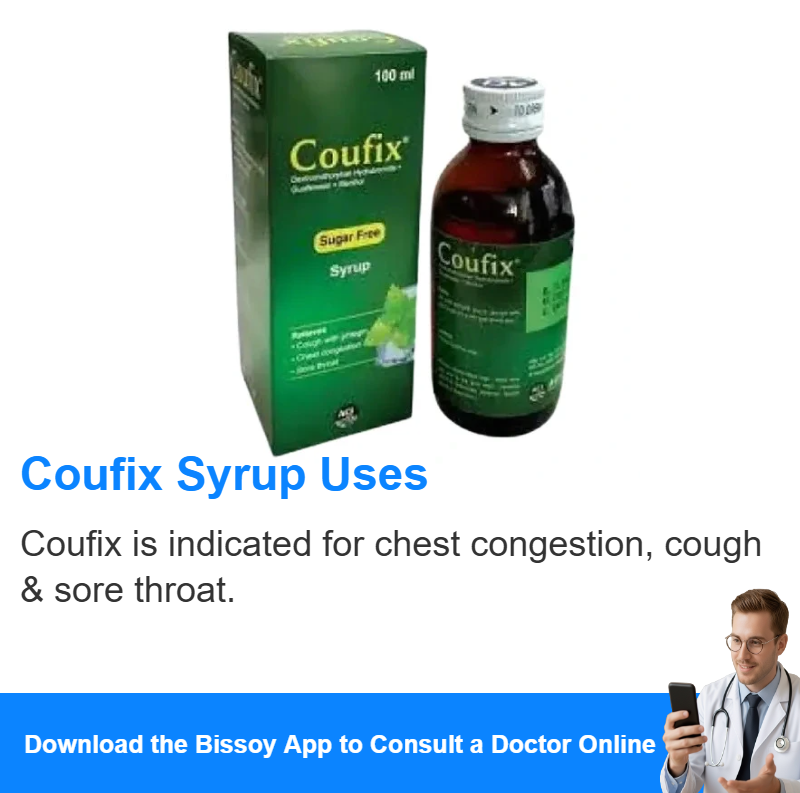
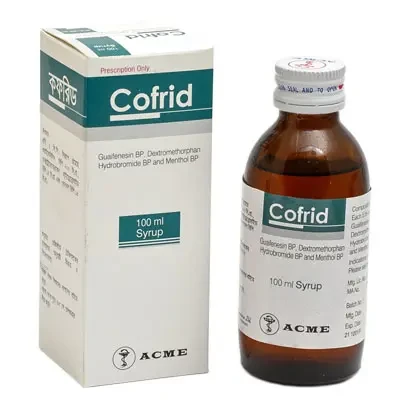
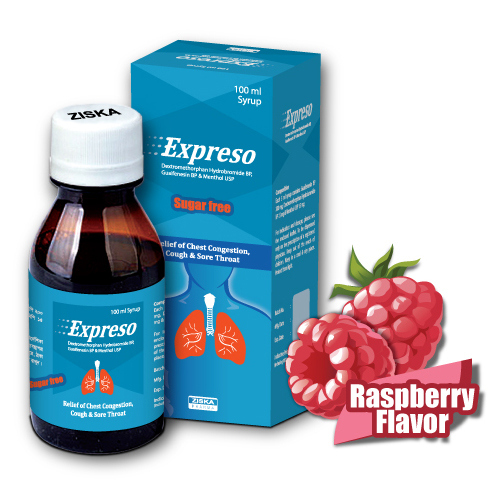
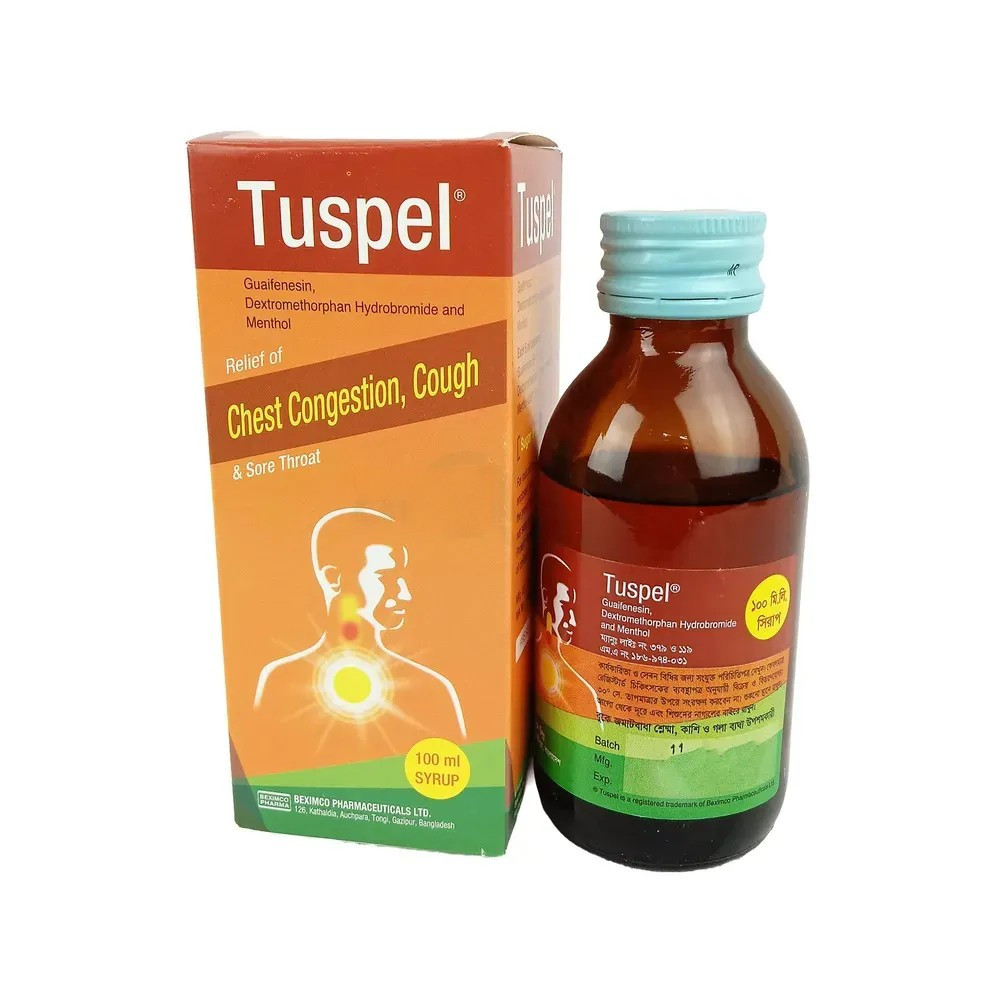
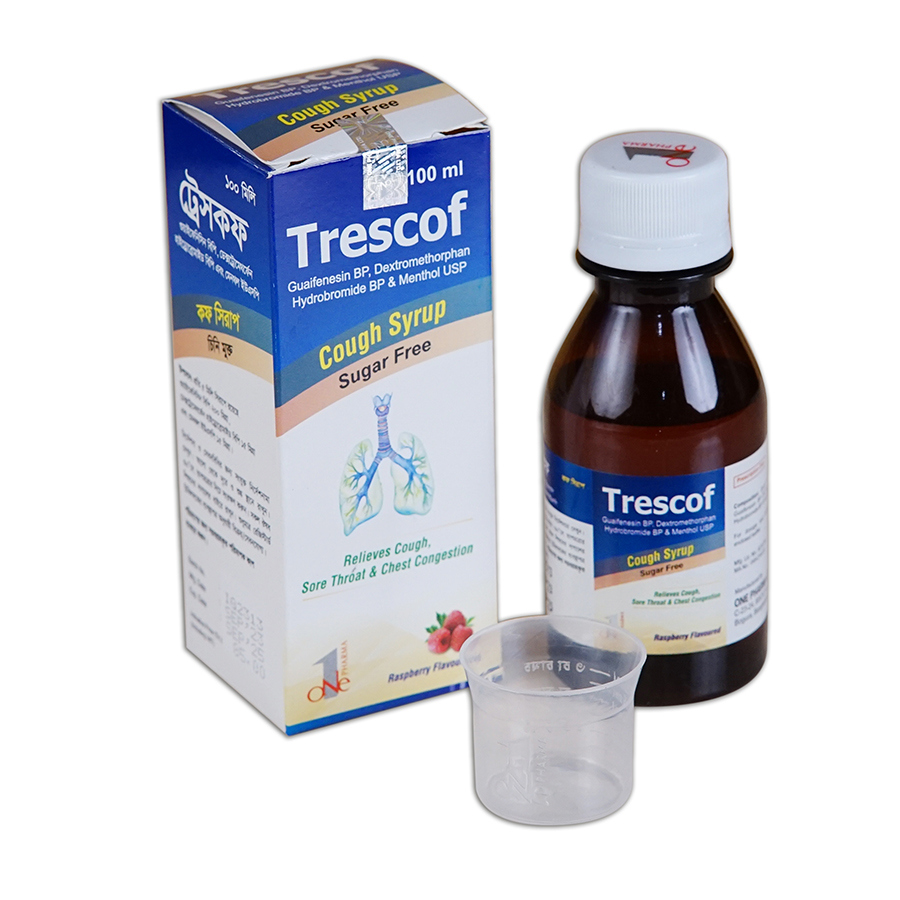
Guaifenesin, dextromethorphan, and menthol are combined in a formulation to provide relief from cough and congestion associated with upper respiratory tract infections and conditions. This combination is often found in over-the-counter cough and cold medications.
Uses
The combination of guaifenesin, dextromethorphan, and menthol is used to treat:
- Productive coughs associated with bronchitis and other respiratory conditions by helping to clear mucus from the airways.
- Non-productive coughs by suppressing the cough reflex.
- Congestion and discomfort associated with colds or respiratory infections.
Mechanism of Action
Each component works in different ways:
- Guaifenesin: Acts as an expectorant, increasing the volume and reducing the viscosity of mucus, making it easier to expel from the respiratory tract.
- Dextromethorphan: Acts as a cough suppressant by directly affecting the cough center in the brain to reduce the urge to cough.
- Menthol: Provides a cooling sensation and mild local anesthetic effect that can help soothe throat irritation and improve breathing.
How Long Does It Take to Work?
The onset of action can vary:
- Guaifenesin: Typically starts working within 30 minutes to 1 hour to help loosen mucus.
- Dextromethorphan: May take 1 to 2 hours to provide effective cough suppression.
- Menthol: Provides immediate soothing relief upon application.
Absorption
Guaifenesin, dextromethorphan, and menthol are absorbed through the gastrointestinal tract after oral administration. Guaifenesin is rapidly absorbed, with peak plasma concentrations occurring within 1 to 2 hours. Dextromethorphan is also well-absorbed and reaches peak plasma levels within 2 hours. Menthol's absorption can vary but generally provides local relief upon reaching the mucous membranes.
Route of Elimination
Each component is eliminated as follows:
- Guaifenesin: Metabolized in the liver and excreted primarily through the urine.
- Dextromethorphan: Metabolized in the liver, primarily by cytochrome P450 enzymes, and excreted in the urine.
- Menthol: Metabolized in the liver and excreted in urine and feces.
Dosage
Adult use: Only (12 years and over) 2 tea spoonful syrup (10 ml) every 6 hours.Maximum dose: 8 tea spoonful syrup (40 ml)/day.
Pediatric use: Do not use for children less than 12 years of age.
The dosage of the combination will depend on the specific formulation and concentration of each component. Typical dosages for an oral liquid might be:
- Guaifenesin: 200-400 mg every 4-6 hours, not to exceed 2400 mg per day.
- Dextromethorphan: 10-20 mg every 4-6 hours, not to exceed 120 mg per day.
- Menthol: Typically included in sufficient amounts to provide symptomatic relief.
Administration
This combination is usually administered orally in the form of a syrup, tablet, or lozenge. It is important to follow the product label instructions for correct dosing and administration. For syrups, measure the dose using the provided measuring cup or spoon. For tablets or lozenges, follow the instructions for swallowing or allowing them to dissolve slowly in the mouth.
Side Effects
Possible side effects include:
- Guaifenesin: Gastrointestinal discomfort, nausea, dizziness, headache.
- Dextromethorphan: Drowsiness, dizziness, gastrointestinal disturbances, potential for abuse or addiction with high doses.
- Menthol: Local irritation or allergic reactions, especially with sensitive skin or mucous membranes.
Toxicity
Toxicity can occur if excessive amounts are ingested:
- Guaifenesin: High doses can cause gastrointestinal upset and nausea.
- Dextromethorphan: Overdose can lead to hallucinations, extreme drowsiness, and nausea.
- Menthol: Excessive use can cause irritation or adverse reactions.
Precautions
Precautions include:
- Consult a healthcare provider before use if you have a chronic cough, asthma, or any underlying respiratory conditions.
- Avoid use with other cough and cold medications to prevent overdose.
- Use with caution in individuals with liver or kidney disease.
Interaction
Interactions may occur with:
- Other cough suppressants or expectorants, increasing the risk of side effects.
- Alcohol or sedatives, which may enhance drowsiness and dizziness from dextromethorphan.
Disease Interaction
Individuals with:
- Chronic respiratory conditions should use with caution and under medical supervision.
- Liver or kidney impairment should monitor for potential side effects and adjust dosing as necessary.
Drug Interaction
Drug interactions can include:
- Increased risk of sedation with other central nervous system depressants.
- Potential for interactions with medications affecting liver enzymes (e.g., CYP3A4 inhibitors).
Food Interactions
There are no specific food interactions for this combination. However, taking the medication with food may help reduce gastrointestinal discomfort. Avoid consuming large amounts of alcohol, which can enhance the sedative effects of dextromethorphan.
Pregnancy Use
Use during pregnancy should be approached with caution. The safety of this combination in pregnant women has not been well-established. Consult a healthcare provider before use to weigh the potential benefits and risks.
Lactation Use
Consult a healthcare provider before using this combination while breastfeeding. The components of this medication can pass into breast milk, and their effects on a nursing infant are not well-studied.
Acute Overdose
In the case of acute overdose:
- Seek medical attention immediately.
- Symptoms of overdose may include severe drowsiness, hallucinations, nausea, vomiting, or respiratory issues.
Contraindication
This combination should be avoided in:
- Individuals with a history of hypersensitivity to any of the components.
- Patients with certain chronic respiratory conditions unless directed by a healthcare provider.
Use Direction
Follow the specific directions provided on the product label or by your healthcare provider. Ensure accurate dosing and avoid taking multiple products that contain similar ingredients to prevent overdose.
Storage Conditions
Store the medication in a cool, dry place away from direct sunlight. Keep out of reach of children. Liquid formulations should be tightly closed and may need to be refrigerated based on the product instructions.
Volume of Distribution
The volume of distribution for each component is not typically measured for this combination. Generally, the active ingredients are distributed throughout the body, with guaifenesin and dextromethorphan primarily affecting the respiratory system and menthol providing localized relief.
Half Life
The half-lives of the components are as follows:
- Guaifenesin: Approximately 1 hour.
- Dextromethorphan: Approximately 2-4 hours.
- Menthol: The half-life is not well-documented but is generally short due to its rapid absorption and local effects.
Clearance
The clearance of the components occurs through metabolism in the liver and excretion via urine. Guaifenesin and dextromethorphan are primarily cleared through the kidneys, while menthol is also cleared through both urine and feces.