Introduction
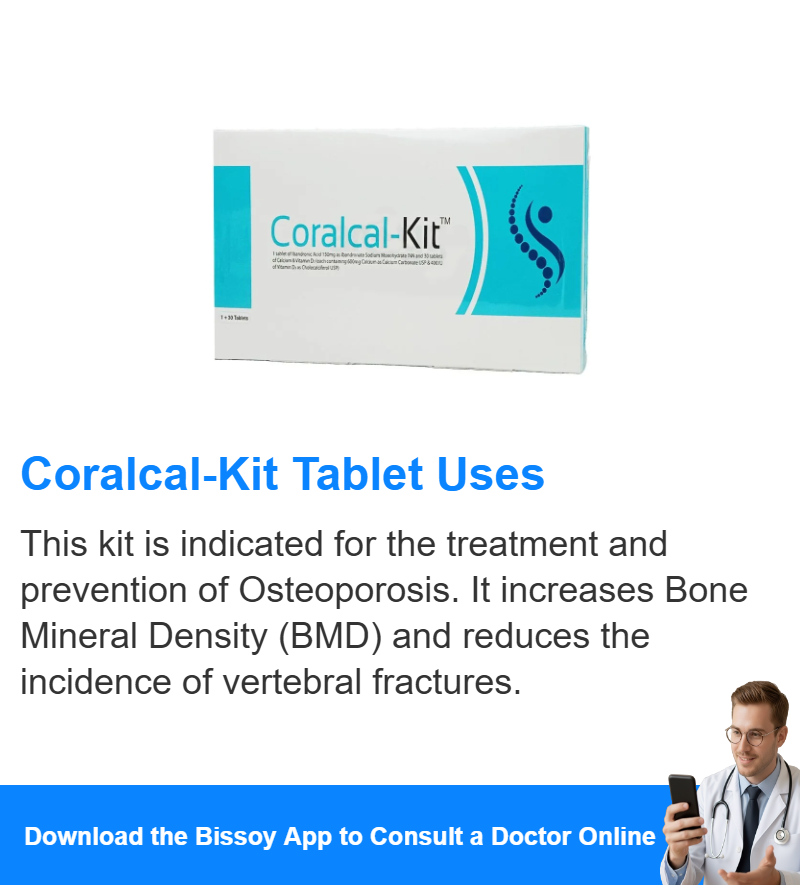
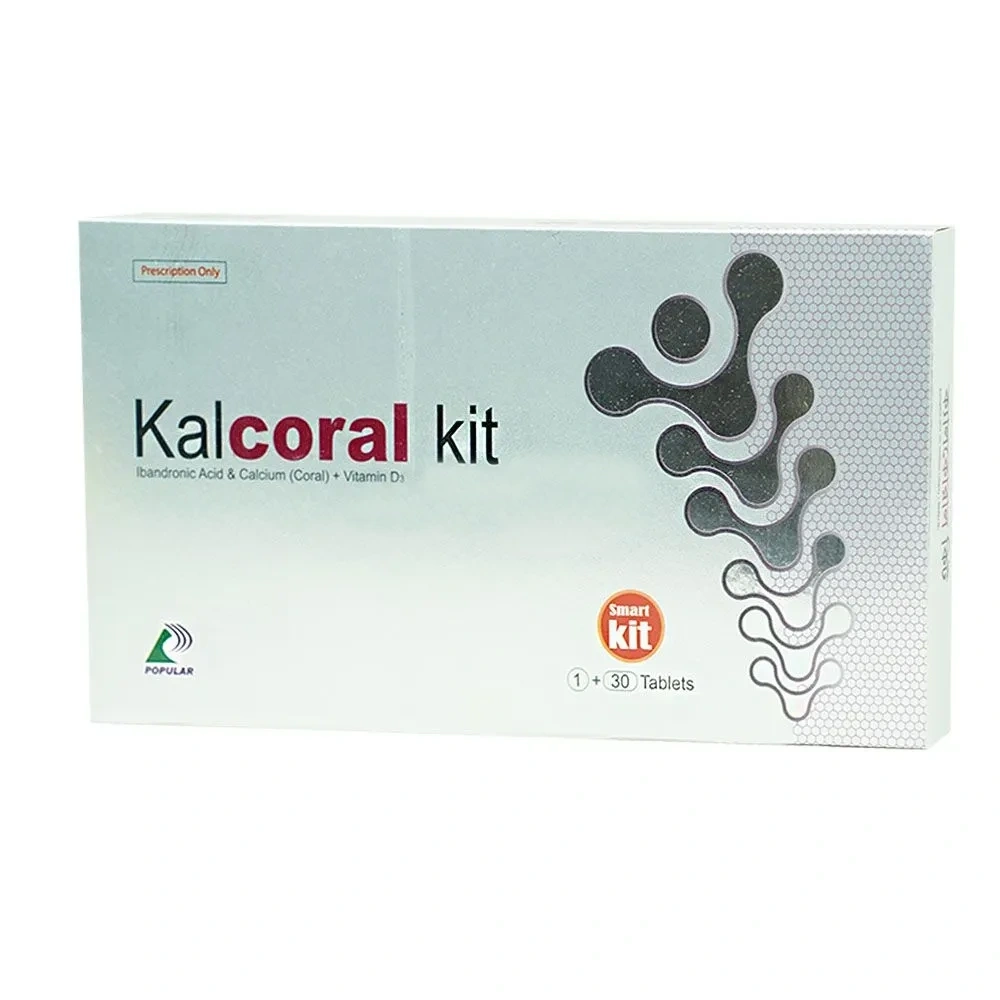
The combination of Ibandronic Acid, Calcium Carbonate, and Vitamin D3 is used primarily for the management of osteoporosis and related bone disorders. Ibandronic Acid is a bisphosphonate that helps to prevent bone loss, while Calcium Carbonate and Vitamin D3 are essential for maintaining bone health and improving calcium absorption.
Uses
This combination is used for:
- Preventing and treating osteoporosis in postmenopausal women.
- Reducing the risk of bone fractures and enhancing bone density.
- Supporting overall bone health by providing necessary nutrients for bone formation and maintenance.
Mechanism of Action
The mechanisms of action for each component are:
- Ibandronic Acid: Inhibits osteoclast-mediated bone resorption, reducing bone turnover and increasing bone mineral density.
- Calcium Carbonate: Provides a source of calcium which is essential for bone formation and maintenance.
- Vitamin D3: Enhances calcium absorption in the gut and maintains adequate serum calcium and phosphate concentrations for bone mineralization.
How Long Does It Take to Work?
The onset of action for each component varies:
- Ibandronic Acid: Effects on bone mineral density and reduced risk of fractures may be observed after 3-6 months of treatment.
- Calcium Carbonate: Helps maintain bone health relatively quickly, but optimal bone mineralization may take several months.
- Vitamin D3: Enhances calcium absorption within 2-3 weeks, but bone health improvements may take longer.
Absorption
Absorption details are:
- Ibandronic Acid: Poorly absorbed from the gastrointestinal tract; absorption is less than 1% when taken orally. Bioavailability improves when taken on an empty stomach.
- Calcium Carbonate: Absorbed in the stomach and upper intestine; absorption is enhanced when taken with food.
- Vitamin D3: Well absorbed in the intestines, especially when taken with dietary fat.
Route of Elimination
Elimination routes for each component are:
- Ibandronic Acid: Primarily excreted unchanged in the urine. Little to no metabolism occurs in the liver.
- Calcium Carbonate: Calcium is excreted primarily through the urine and feces. Excessive calcium is removed via the kidneys.
- Vitamin D3: Metabolized in the liver and kidneys to active forms, with excretion occurring via bile and urine.
Dosage
Typical dosage recommendations are:
- Ibandronic Acid: 150 mg once monthly, taken on an empty stomach with a full glass of water.
- Calcium Carbonate: 500-1000 mg daily, depending on dietary intake and individual needs.
- Vitamin D3: 400-800 IU daily, or as recommended by a healthcare provider based on serum levels.
Administration
Administration methods include:
- Ibandronic Acid: Oral tablet taken once a month, ideally in the morning before food or other medications.
- Calcium Carbonate: Oral tablets or chewable forms, taken with meals to enhance absorption.
- Vitamin D3: Oral tablets, capsules, or liquid form, taken with or without food.
Side Effects
Possible side effects include:
- Ibandronic Acid: Gastrointestinal issues such as nausea, abdominal pain, or esophageal irritation. Rarely, osteonecrosis of the jaw or atypical femoral fractures.
- Calcium Carbonate: Constipation, gas, or bloating. Excessive use may lead to hypercalcemia or kidney stones.
- Vitamin D3: High doses may cause hypercalcemia, nausea, vomiting, or renal issues.
Toxicity
Toxicity concerns include:
- Ibandronic Acid: Overdose may lead to severe gastrointestinal irritation. Rare cases of acute renal failure reported.
- Calcium Carbonate: Excessive intake can lead to hypercalcemia, which may cause confusion, kidney stones, or cardiac arrhythmias.
- Vitamin D3: Excessive doses can result in hypervitaminosis D, leading to hypercalcemia and potential kidney damage.
Precautions
Precautions include:
- Monitor renal function regularly, especially when using ibandronic acid.
- Avoid excessive calcium intake to prevent hypercalcemia.
- Ensure adequate hydration and avoid lying down immediately after taking ibandronic acid to minimize esophageal irritation.
Interaction
Interactions include:
- Ibandronic Acid: May interact with other medications affecting calcium metabolism, such as diuretics or other bisphosphonates.
- Calcium Carbonate: Can interact with certain antibiotics and other medications by affecting their absorption.
- Vitamin D3: May interact with steroids, certain antiepileptics, and medications that affect calcium levels.
Disease Interaction
Use with caution in patients with:
- Renal impairment, due to the risk of calcium or ibandronic acid accumulation.
- Peptic ulcer disease or esophageal disorders, especially with ibandronic acid.
Drug Interaction
Drug interactions include:
- Ibandronic Acid: May interact with drugs that affect calcium levels or gastrointestinal medications.
- Calcium Carbonate: May reduce the absorption of certain medications, including bisphosphonates and some antibiotics.
- Vitamin D3: May interact with medications affecting vitamin D metabolism or calcium levels.
Food Interactions
Food interactions include:
- Ibandronic Acid: Food can impair absorption; take on an empty stomach.
- Calcium Carbonate: Absorption is enhanced when taken with food.
- Vitamin D3: Absorption is improved when taken with fatty foods.
Pregnancy Use
Consult a healthcare provider before use during pregnancy. Ibandronic acid is not recommended during pregnancy. Calcium and vitamin D3 can be used but should be dosed appropriately to avoid excessive intake.
Lactation Use
Consult a healthcare provider before use during lactation. Calcium and vitamin D3 are generally considered safe, but ibandronic acid is not recommended during breastfeeding.
Acute Overdose
In case of acute overdose:
- Ibandronic Acid: Discontinue use and consult a healthcare provider. Symptoms may include severe gastrointestinal upset.
- Calcium Carbonate: Discontinue use and seek medical attention. Monitor for signs of hypercalcemia.
- Vitamin D3: Discontinue use and consult a healthcare provider. Monitor for hypercalcemia and related symptoms.
Contraindication
Contraindications include:
- Severe renal impairment, especially for ibandronic acid.
- Known hypersensitivity to any component.
- Pregnancy and lactation considerations for ibandronic acid.
Use Direction
Follow the specific instructions provided by the healthcare provider or the product label. Typically, ibandronic acid is taken once monthly, while calcium carbonate and vitamin D3 are taken daily.
Storage Conditions
Store in a cool, dry place away from direct sunlight. Keep out of reach of children. Ensure containers are tightly closed to prevent moisture and contamination.
Volume of Distribution
Volume of distribution details are:
- Ibandronic Acid: Low volume of distribution; primarily stays in the bone and the systemic circulation.
- Calcium Carbonate: Limited systemic distribution; mostly stays in the gastrointestinal tract and bone.
- Vitamin D3: Widely distributed in body tissues; substantial amount stored in fat and liver.
Half Life
The half-life of each component is:
- Ibandronic Acid: Approximately 10 years due to its strong binding to bone.
- Calcium Carbonate: The calcium itself has a half-life of several hours; the effects are sustained by ongoing intake.
- Vitamin D3: Approximately 15-25 hours in circulation, but effects may last longer due to storage in tissues.
Clearance
Clearance details are:
- Ibandronic Acid: Primarily cleared by the kidneys.
- Calcium Carbonate: Calcium is cleared through the urine and feces.
- Vitamin D3: Metabolized in the liver and kidneys; cleared through bile and urine.