Introduction
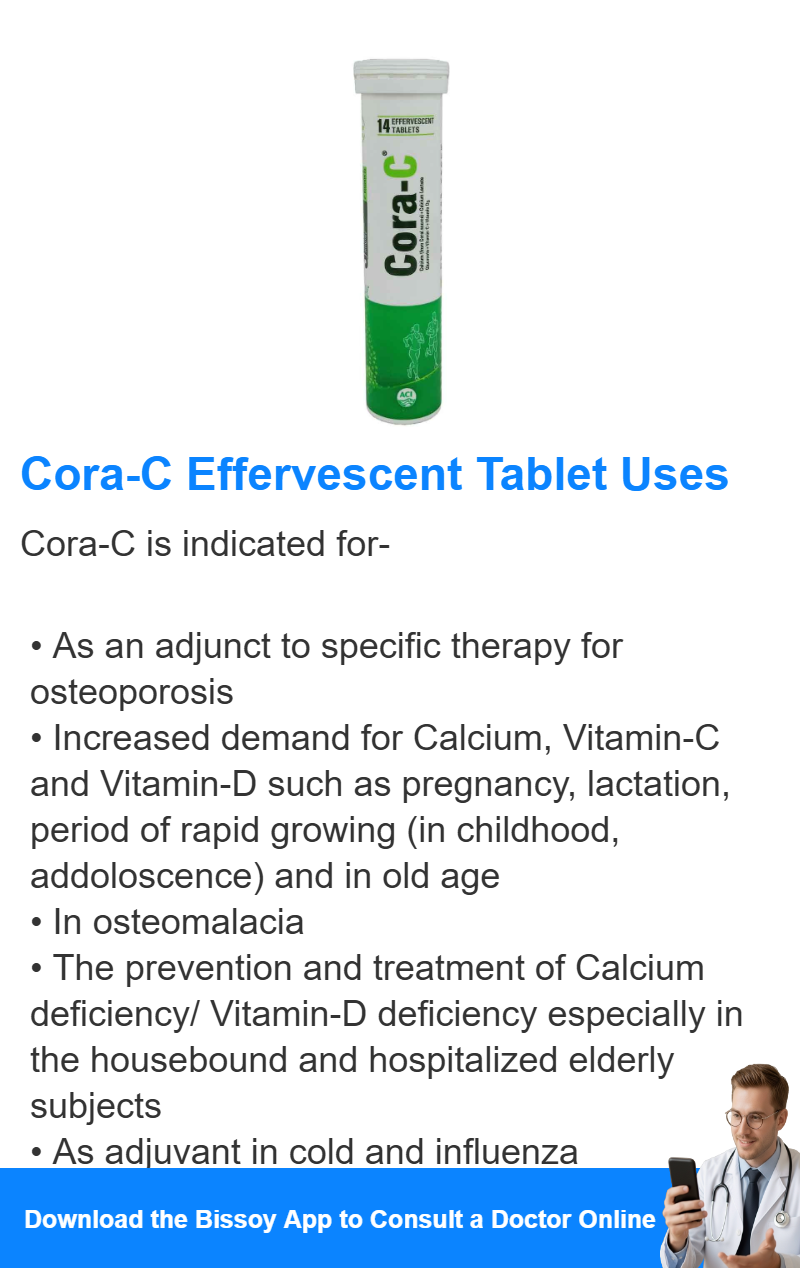
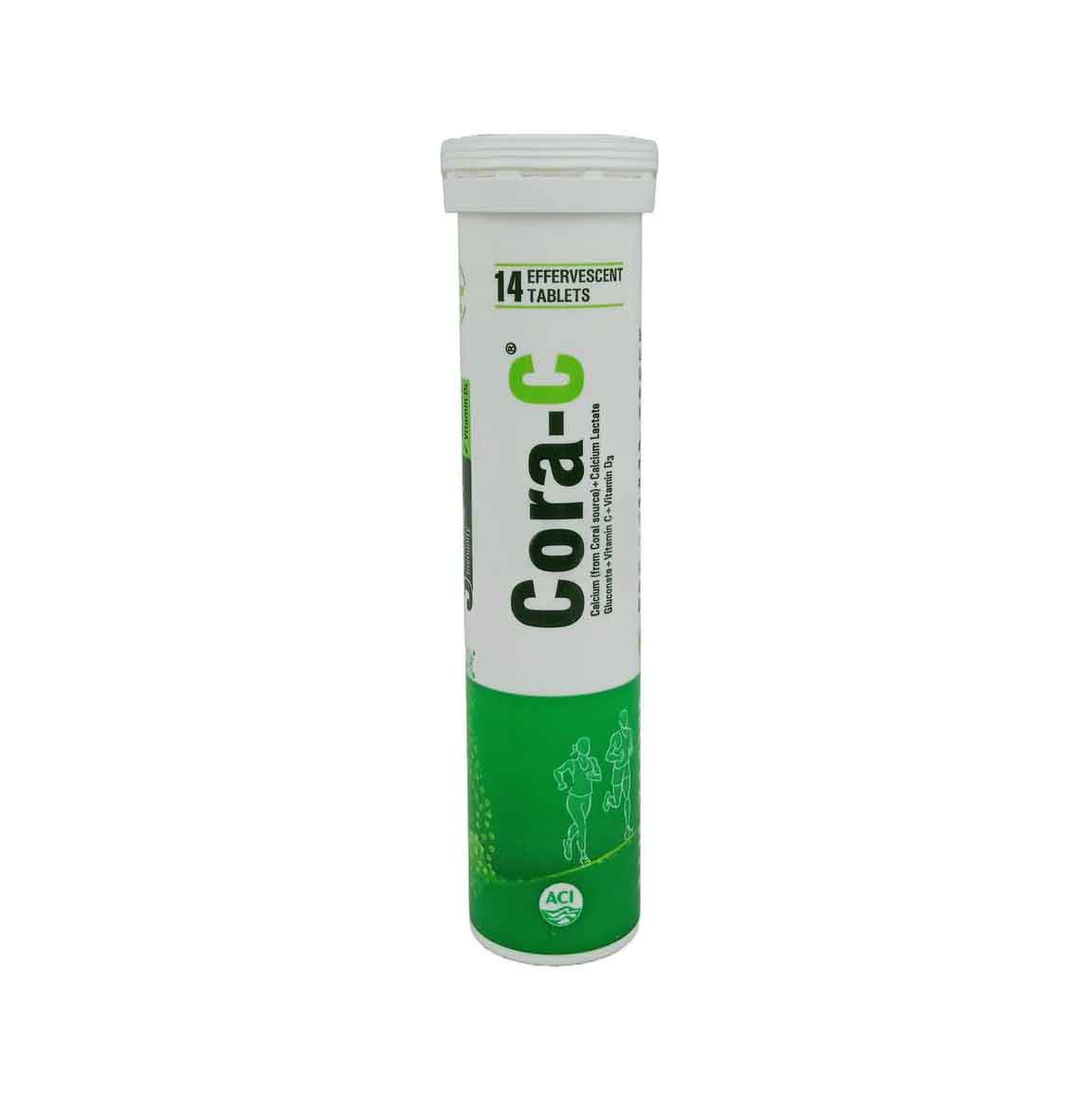
Calcium lactate gluconate, calcium carbonate, vitamin C, and vitamin D3 are combined in dietary supplements to support bone health and overall nutritional balance. This combination is designed to provide a comprehensive approach to maintaining and improving bone density, supporting immune function, and enhancing overall well-being.
Uses
The combination of calcium lactate gluconate, calcium carbonate, vitamin C, and vitamin D3 is used for:
- Enhancing bone health and preventing or treating osteoporosis.
- Supporting the immune system and overall health through adequate vitamin C and D3 intake.
- Addressing calcium deficiencies and supporting bone and dental health.
Mechanism of Action
Calcium lactate gluconate and calcium carbonate provide essential calcium needed for bone formation and maintenance. Vitamin D3 enhances calcium absorption in the gut and helps maintain adequate serum calcium levels. Vitamin C supports collagen formation, which is crucial for bone health and repair. Together, these ingredients work synergistically to support bone density and overall health.
How Long Does It Take to Work?
The time it takes to notice benefits can vary:
- Bone health improvements may take several months of consistent use to become evident.
- Enhanced immune function and overall well-being may be noticed more quickly, within a few weeks of regular supplementation.
Absorption
Calcium is absorbed primarily in the small intestine. Calcium carbonate requires stomach acid for optimal absorption, while calcium lactate gluconate is more easily absorbed in less acidic environments. Vitamin D3 enhances the absorption of calcium in the gut, while vitamin C aids in the absorption and utilization of calcium and supports general health.
Route of Elimination
Calcium and vitamin D3 are primarily eliminated through urine, with a small amount excreted in the feces. Vitamin C is metabolized in the liver and excreted mainly via urine. The combined supplement has minimal systemic elimination concerns when used as directed.
Dosage
Adolescents & Adults: 1 effervescent tablet per day.Children: ½ effervescent tablet per day.
Infants: As prescribed by the physician.
Dissolve one tablet in a glass of water.
The dosage can vary based on specific product formulations and individual needs. Typical recommended dosages might be:
- Calcium lactate gluconate: 1,000 to 1,200 mg daily.
- Calcium carbonate: 500 to 1,000 mg daily.
- Vitamin C: 60 to 90 mg daily for adults.
- Vitamin D3: 600 to 800 IU daily for adults.
Administration
Take the supplement as directed, usually in the form of tablets or capsules. It is often recommended to take calcium supplements with meals to enhance absorption. Vitamin C and D3 can be taken with or without food. Follow the product-specific instructions for best results.
Side Effects
Common side effects may include:
- Gastrointestinal issues such as constipation, bloating, or gas (especially with calcium carbonate).
- Minor allergic reactions such as rash or itching.
Toxicity
Toxicity is rare when the supplement is used according to recommended dosages. Excessive intake of calcium and vitamin D3 can lead to hypercalcemia, kidney stones, or impaired kidney function. High doses of vitamin C may cause gastrointestinal discomfort. Always adhere to recommended dosages and consult a healthcare provider if uncertain.
Precautions
Precautions include:
- Avoid excessive use of supplements, which can lead to adverse effects.
- Consult a healthcare provider before starting if you have kidney disease, hypercalcemia, or other medical conditions.
- Do not use as a substitute for a balanced diet and healthy lifestyle.
Interaction
Interactions with other medications or supplements may occur:
- Calcium can interfere with the absorption of certain antibiotics and other medications. Take calcium supplements at a different time from these medications.
- High doses of vitamin D can interact with other medications, including steroids and certain weight loss drugs.
Disease Interaction
Use with caution in individuals with:
- Kidney disease or kidney stones, as excessive calcium may exacerbate these conditions.
- Hyperparathyroidism or other conditions affecting calcium metabolism.
Drug Interaction
Drug interactions include:
- Calcium can interfere with the absorption of certain medications, such as tetracycline antibiotics.
- Vitamin D3 can enhance the effects of other medications that increase calcium levels, such as certain diuretics.
Food Interactions
Food interactions are minimal. However, calcium absorption can be enhanced when taken with meals. Avoid high-fiber meals or foods rich in oxalates (such as spinach) shortly before or after taking the supplement, as they may interfere with calcium absorption.
Pregnancy Use
Calcium and vitamin D3 are generally considered safe during pregnancy and are important for fetal bone development. Vitamin C is also safe in recommended amounts. Always consult a healthcare provider before starting any new supplements during pregnancy to ensure safety and appropriate dosing.
Lactation Use
Calcium, vitamin C, and vitamin D3 are safe and beneficial during lactation, supporting both maternal and infant health. Ensure to follow recommended dosages and consult a healthcare provider for personalized advice during breastfeeding.
Acute Overdose
Acute overdose symptoms can include:
- Hypercalcemia symptoms such as nausea, vomiting, confusion, or kidney stones.
- Gastrointestinal upset from excessive vitamin C.
Contraindication
Contraindications include:
- Individuals with severe kidney impairment or hypercalcemia.
- Allergic reactions to any component of the supplement.
Use Direction
Take the supplement according to the product-specific instructions or as directed by a healthcare provider. Adhere to recommended dosages and timing for optimal benefits.
Storage Conditions
Store in a cool, dry place, away from direct sunlight and moisture. Keep out of reach of children and ensure the container is tightly closed. Follow any additional storage instructions provided on the product label.
Volume of Distribution
The volume of distribution for this combination is not applicable, as the primary action occurs at the site of absorption and is systemic. The key concern is ensuring proper absorption and utilization of nutrients.
Half Life
The half-life of calcium and vitamin D3 is relevant in systemic contexts, but in topical or dietary supplement form, the focus is on the effectiveness and maintenance of adequate levels rather than a specific half-life.
Clearance
Clearance of calcium, vitamin D3, and vitamin C is primarily through renal excretion. Ensure proper hydration and follow recommended dosages to avoid excessive accumulation and potential adverse effects.