Introduction
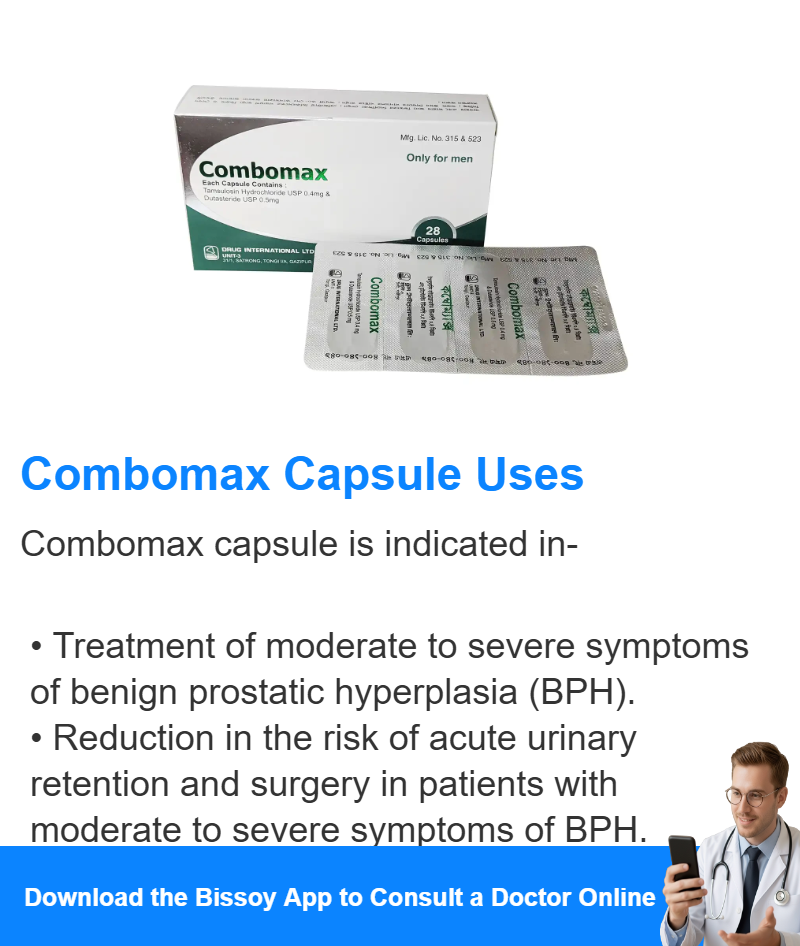
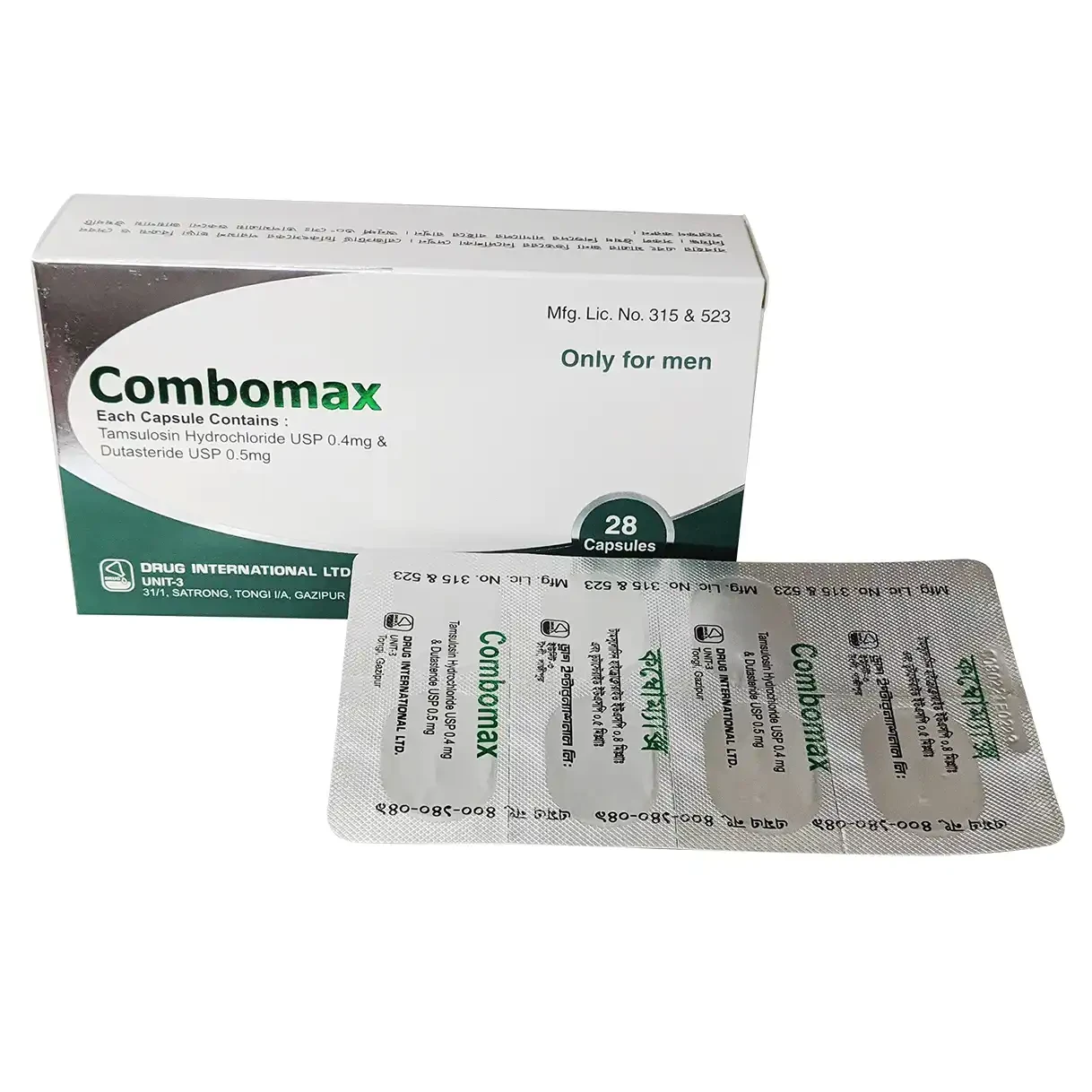
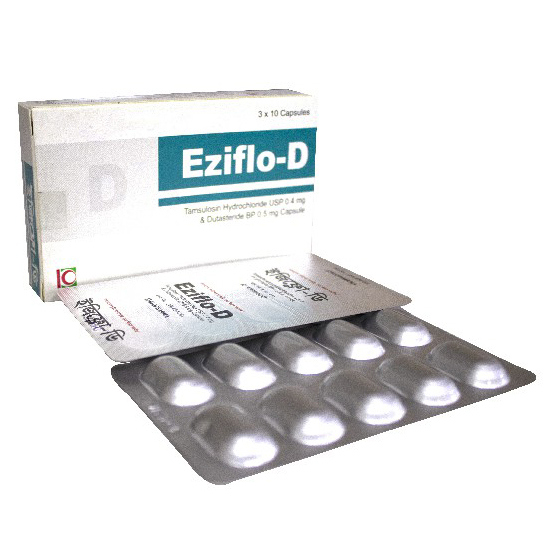
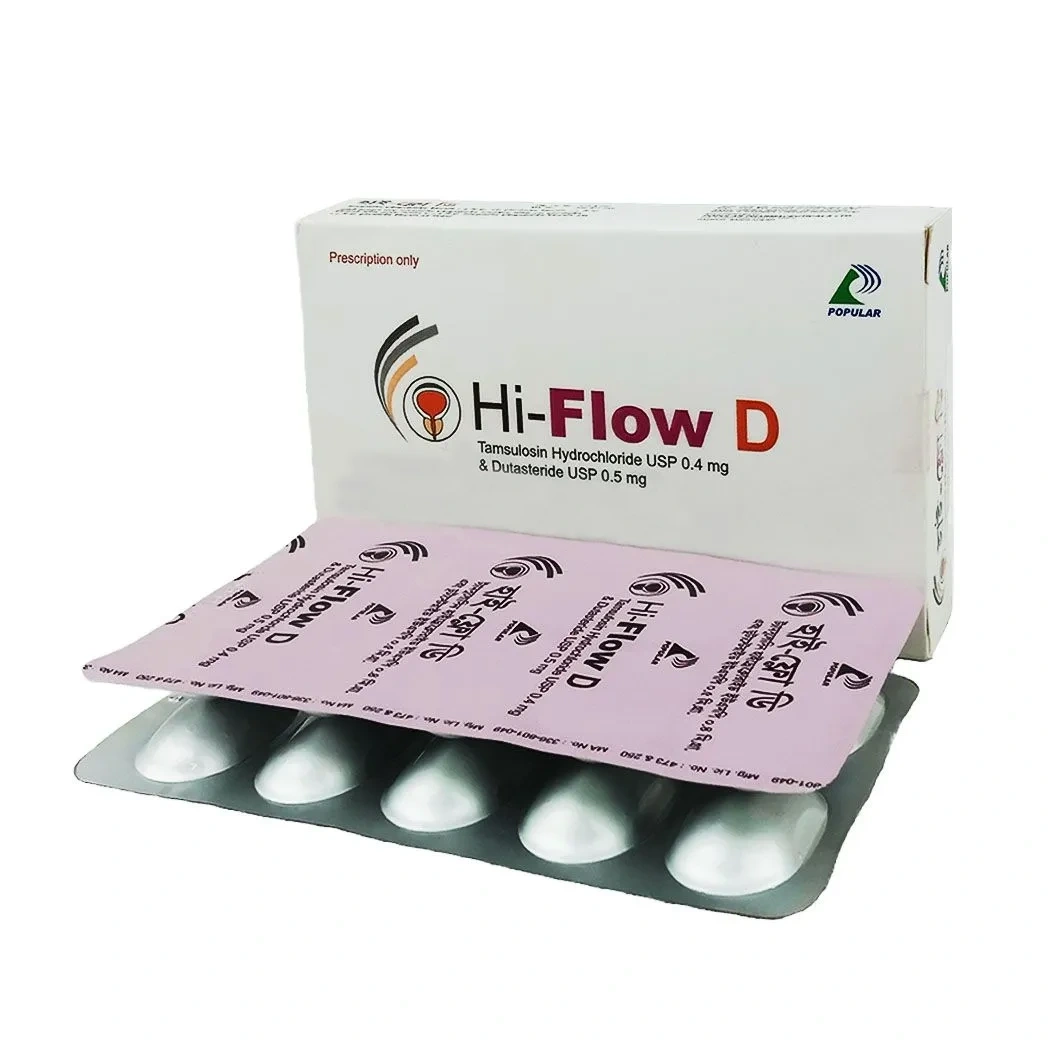
Tamsulosin hydrochloride and dutasteride are combined in a medication to treat symptoms of benign prostatic hyperplasia (BPH), a condition in which the prostate gland is enlarged, leading to urinary difficulties. This combination therapy addresses both the symptoms and the underlying causes of BPH.
Uses
This combination is primarily used for:
- Benign Prostatic Hyperplasia (BPH): It helps to relieve symptoms such as frequent urination, urgency, and difficulty in urination due to prostate enlargement. Tamsulosin is an alpha-1 adrenergic antagonist that helps relax the muscles in the prostate and bladder neck, while dutasteride is a 5-alpha-reductase inhibitor that reduces the size of the prostate.
Mechanism of Action
The two components act through different mechanisms:
- Tamsulosin Hydrochloride: Selectively inhibits alpha-1 adrenergic receptors in the smooth muscle of the prostate and bladder neck, leading to relaxation of these muscles and improved urine flow.
- Dutasteride: Inhibits both type I and type II forms of the enzyme 5-alpha-reductase, which is responsible for converting testosterone to dihydrotestosterone (DHT). Lower levels of DHT lead to reduced prostate size.
How Long Does It Take to Work?
Initial relief of urinary symptoms from tamsulosin can often be seen within a few days to weeks. The effects of dutasteride typically take longer, with noticeable improvement usually occurring within 3 to 6 months of treatment as it works to reduce the size of the prostate over time.
Absorption
When administered:
- Tamsulosin Hydrochloride: Rapidly absorbed with peak plasma concentrations reached within 6 hours. Its absorption can be affected by food, so it is recommended to take it consistently with or without food.
- Dutasteride: Well-absorbed, with peak plasma concentrations reached within 1-2 hours. It has a high degree of bioavailability and is not significantly affected by food.
Route of Elimination
Elimination routes for the components are:
- Tamsulosin Hydrochloride: Metabolized primarily in the liver by cytochrome P450 enzymes and excreted in the urine.
- Dutasteride: Metabolized in the liver and excreted primarily in the feces, with some excretion in the urine.
Dosage
Adults (including elderly): The recommended dose is one capsule (Tamsulosin Hydrochloride 0.4 mg & Dutasteride 0.5 mg) taken orally approximately 30 minutes after the same meal each day. The capsules should be swallowed whole and not chewed or opened. Where appropriate, this capsule may be used to substitute concomitant Tamsulosin Hydrochloride and Dutasteride in existing dual therapy to simplify treatment. Where clinically appropriate, direct change from Tamsulosin Hydrochloride or Dutasteride monotherapy to this capsule may be considered.Renal impairment: The effect of renal impairment on Tamsulosin-Dutasteride pharmacokinetics has not been studied. No adjustment in dosage is anticipated for patients with renal impairment.
Hepatic impairment: The effect of hepatic impairment on Tamsulosin-Dutasteride pharmacokinetics has not been studied so caution should be used in patients with mild to moderate hepatic impairment. In patients with severe hepatic impairment, the use of this capsule is contra-indicated.
Standard dosages are:
- Tamsulosin Hydrochloride: Typically, 0.4 mg once daily, taken approximately 30 minutes after the same meal each day.
- Dutasteride: Generally, 0.5 mg once daily, with or without food.
Administration
Both medications are taken orally:
- Tamsulosin Hydrochloride: Taken as a capsule once daily with food. Swallow the capsule whole; do not crush or chew.
- Dutasteride: Also taken as a capsule once daily, with or without food. Swallow the capsule whole; do not crush or chew.
Side Effects
Possible side effects include:
- Tamsulosin Hydrochloride: Dizziness, headache, fatigue, ejaculatory dysfunction, and rhinitis.
- Dutasteride: Decreased libido, erectile dysfunction, ejaculation disorders, and gynecomastia (breast tissue development).
Toxicity
Acute toxicity from overdose is rare, but excessive doses may lead to severe side effects:
- Tamsulosin Hydrochloride: May cause hypotension and tachycardia.
- Dutasteride: May exacerbate side effects such as sexual dysfunction and liver enzyme abnormalities.
Precautions
Precautions include:
- Monitor for signs of orthostatic hypotension, especially in the initial stages of treatment.
- Regular prostate exams are recommended during therapy.
- Consider alternative treatments if liver impairment is present.
Interaction
Interactions may occur with:
- Tamsulosin Hydrochloride: Other antihypertensives, which may increase the risk of hypotension.
- Dutasteride: Other medications metabolized by the liver, which may alter drug levels.
Disease Interaction
Use with caution in:
- Patients with severe hepatic impairment, as this can affect the metabolism of both drugs.
- Patients with a history of prostate cancer, as dutasteride may influence PSA levels.
Drug Interaction
Drug interactions may include:
- Tamsulosin Hydrochloride: Potential interactions with CYP3A4 inhibitors, which may increase tamsulosin levels.
- Dutasteride: Potential interactions with other CYP3A4 substrates and inhibitors, which may affect drug levels and efficacy.
Food Interactions
Food interactions are minimal with dutasteride but can influence tamsulosin absorption. Consistent administration with or without food is recommended based on individual response.
Pregnancy Use
This combination is not recommended during pregnancy. Dutasteride, in particular, can cause harm to a developing fetus and should be avoided. Use effective contraception to prevent pregnancy during treatment.
Lactation Use
The safety of this combination during lactation is not well established. It is recommended to avoid breastfeeding while on this medication or to discuss with a healthcare provider about the risks and benefits.
Acute Overdose
In case of overdose, symptoms may include severe hypotension or adverse effects related to excessive drug levels. Seek immediate medical attention if an overdose is suspected.
Contraindication
Contraindications include:
- Hypersensitivity to any component of the combination.
- Severe liver impairment, which can affect drug metabolism.
- Pregnancy and breastfeeding, due to potential risks.
Use Direction
Follow the prescribed dosage and administration instructions. Take tamsulosin with food and dutasteride with or without food, maintaining a consistent routine to maximize efficacy. Consult with a healthcare provider for personalized instructions and adjustments.
Storage Conditions
Store both medications at room temperature, away from direct sunlight and moisture. Keep the containers tightly closed and out of reach of children. Follow specific storage instructions provided with the medications.
Volume of Distribution
The volume of distribution for each component varies:
- Tamsulosin Hydrochloride: Approximately 0.16 L/kg, indicating moderate tissue distribution.
- Dutasteride: Approximately 0.8 L/kg, indicating widespread tissue distribution.
Half Life
The half-life of the components is:
- Tamsulosin Hydrochloride: Approximately 15 hours.
- Dutasteride: Approximately 5 weeks, indicating long-term effects.
Clearance
Clearance rates for the components are:
- Tamsulosin Hydrochloride: Primarily renal clearance, with some hepatic metabolism.
- Dutasteride: Hepatic metabolism with primarily fecal excretion.