Introduction
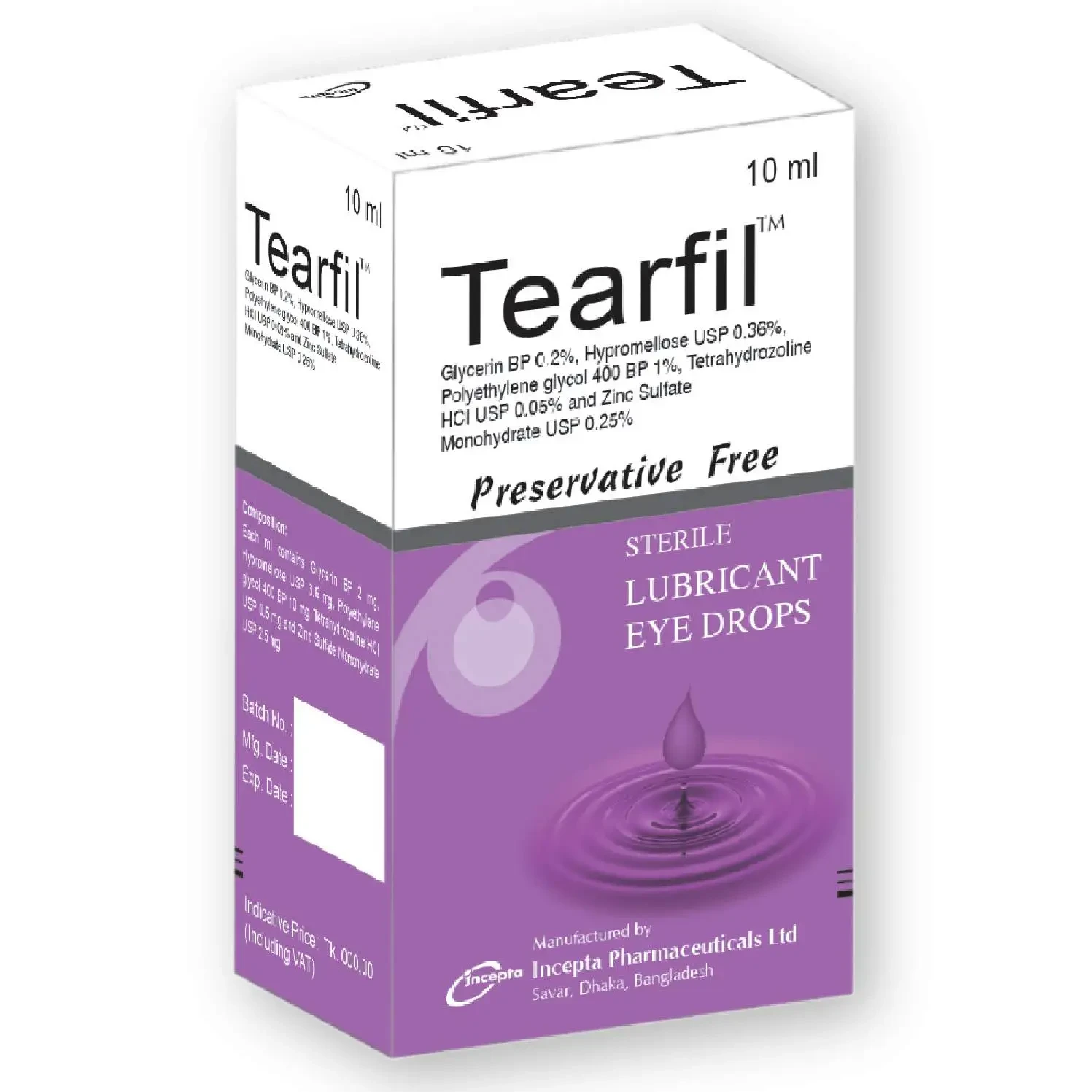
The combination of Glycerin, Hypromellose, Polyethylene Glycol, Tetrahydrozoline, and Zinc Sulfate is used in ophthalmic solutions for the treatment of dry eye symptoms and irritation. This formulation provides a multi-faceted approach to relieve dryness, lubricate the eye, reduce redness, and provide a protective barrier to enhance overall eye comfort.
Uses
This combination is primarily used for:
- Relieving symptoms of dry eye, such as irritation, burning, and discomfort.
- Providing lubrication to the ocular surface to protect against environmental irritants.
- Reducing redness in the eyes caused by minor irritants.
Mechanism of Action
The components work together to address multiple aspects of eye discomfort:
- Glycerin and Polyethylene Glycol act as lubricants, forming a protective film on the eye's surface to alleviate dryness and provide moisture.
- Hypromellose (a type of cellulose) also provides lubrication and acts as a viscosity-increasing agent to enhance the duration of the moisture effect.
- Tetrahydrozoline is a vasoconstrictor that reduces redness by constricting blood vessels in the eye.
- Zinc Sulfate provides mild astringent properties, which can help with the soothing of minor eye irritations.
How Long Does It Take to Work?
The onset of relief from dryness and irritation is typically within a few minutes after application. The soothing effect from Tetrahydrozoline for redness may also be noticeable shortly after use. However, the duration of relief can vary depending on the individual and the severity of the symptoms.
Absorption
When applied topically to the eye, the active ingredients are absorbed primarily by the ocular surface. Glycerin, Polyethylene Glycol, and Hypromellose remain on the eye's surface, providing lubrication and protection. Tetrahydrozoline and Zinc Sulfate are absorbed into the conjunctival tissue, with systemic absorption being minimal.
Route of Elimination
Most of the formulation is removed from the ocular surface through natural blinking and tear drainage. Any small amount absorbed into the conjunctiva is typically metabolized and excreted through the renal system. Systemic elimination of Tetrahydrozoline and Zinc Sulfate is through urine.
Dosage
Adult: 1 to 2 drops in the affected eye(s) up to 4 times daily or as directed by the physician.Children under 6 years of age: As per suggestion of physician or as directed by the physician.
The typical dosage involves applying 1 to 2 drops into the affected eye(s) as needed, usually up to 4 times a day or as directed by a healthcare provider. Dosage may vary based on the severity of symptoms and specific product instructions.
Administration
To administer the solution, tilt your head back, pull down the lower eyelid to create a small pocket, and place 1 to 2 drops into the pocket. Avoid touching the dropper tip to the eye or any other surface to prevent contamination. Blink a few times to spread the solution evenly. Close the eye for a few moments to ensure proper distribution.
Side Effects
Possible side effects may include:
- Temporary stinging or burning sensation upon application.
- Redness or irritation in the eye.
- Blurred vision immediately after application.
Rarely, more severe reactions may occur, including allergic responses.
Toxicity
Toxicity is unlikely when used as directed. Overuse or accidental ingestion of the solution could potentially cause systemic effects such as dizziness or gastrointestinal symptoms. In case of overdose or ingestion, seek medical attention immediately.
Precautions
Precautions include:
- Avoid using the product if you have a known allergy to any of its ingredients.
- Do not use if the seal is broken or the solution is discolored.
- If symptoms persist or worsen, consult a healthcare provider.
Interaction
Interactions with other medications are minimal with topical ophthalmic solutions. However, inform your healthcare provider of any other eye drops or medications you are using to avoid potential interactions.
Disease Interaction
Use with caution in individuals with:
- Severe eye conditions, such as glaucoma or other serious ocular diseases.
- Pre-existing conditions that could be exacerbated by any of the ingredients, such as severe hypertension or systemic infections.
Drug Interaction
There are no significant drug interactions reported with this combination when used as an eye drop. However, consult your healthcare provider if you are using other topical or systemic medications.
Food Interactions
No specific food interactions are known for this combination. Maintaining general good health and hydration can support overall eye health.
Pregnancy Use
The safety of this combination during pregnancy has not been well established. Use during pregnancy should only be if clearly needed and prescribed by a healthcare provider, considering the benefits versus potential risks.
Lactation Use
Limited data is available on the excretion of these components into breast milk. Use during lactation should be cautious and only if prescribed by a healthcare provider. Ensure that any medication used does not adversely affect the nursing infant.
Acute Overdose
In the event of an acute overdose or accidental ingestion, symptoms may include nausea, vomiting, or systemic effects such as dizziness. Seek immediate medical attention if an overdose is suspected.
Contraindication
Contraindications include:
- Known hypersensitivity to any component of the formulation.
- Use in patients with a history of severe allergic reactions to similar eye drops.
Use Direction
Follow the prescribed dosage and administration instructions. Avoid using the product if the container is damaged or the solution appears contaminated. Discard any unused or expired solution according to local disposal regulations.
Storage Conditions
Store the ophthalmic solution at room temperature, away from direct sunlight and heat. Ensure the container is tightly closed when not in use to prevent contamination. Do not freeze.
Volume of Distribution
The volume of distribution for this topical solution is primarily localized to the ocular surface. Systemic absorption is minimal, with most of the formulation remaining at the site of application.
Half Life
The half-life of the components is not typically measured for topical ophthalmic formulations. The effects are generally short-term, with the duration of action depending on the specific formulation and individual response.
Clearance
The clearance of the components from the ocular surface occurs through natural blinking and tear drainage. Systemic clearance of any absorbed components is primarily through the renal system.