Introduction
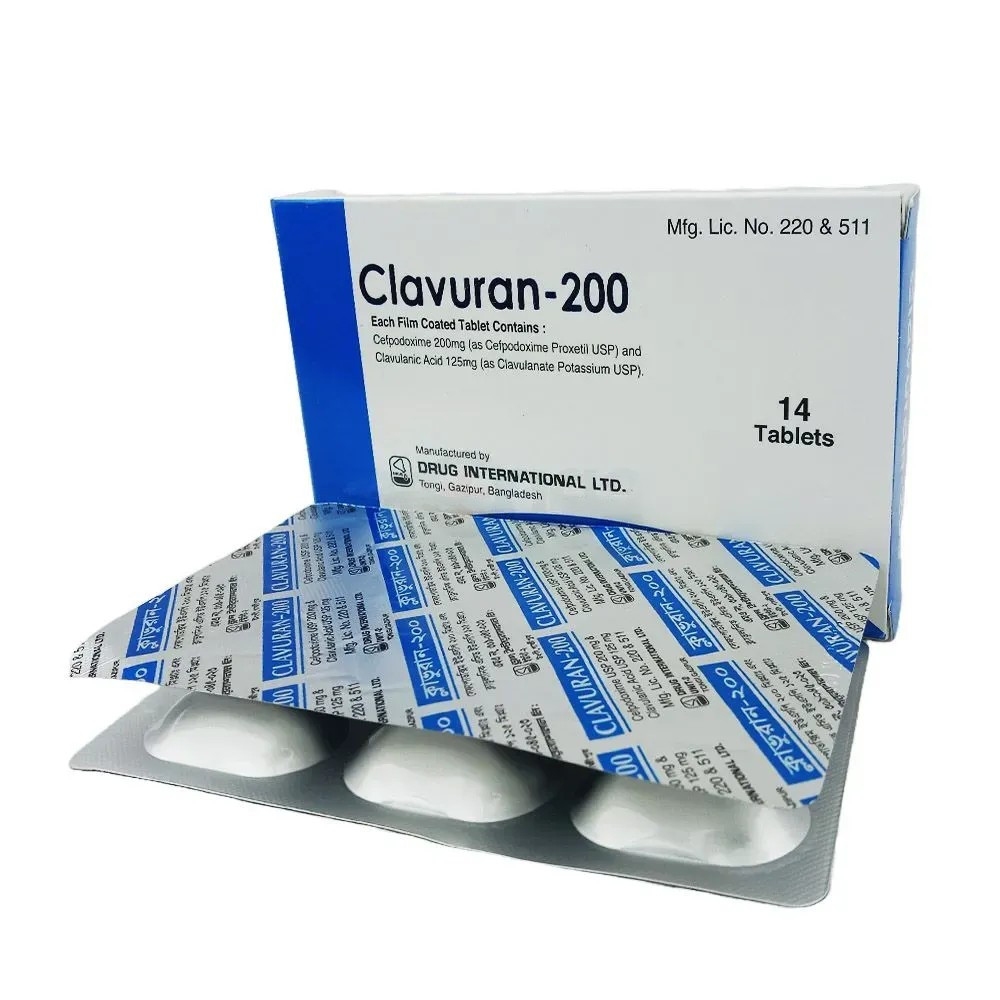
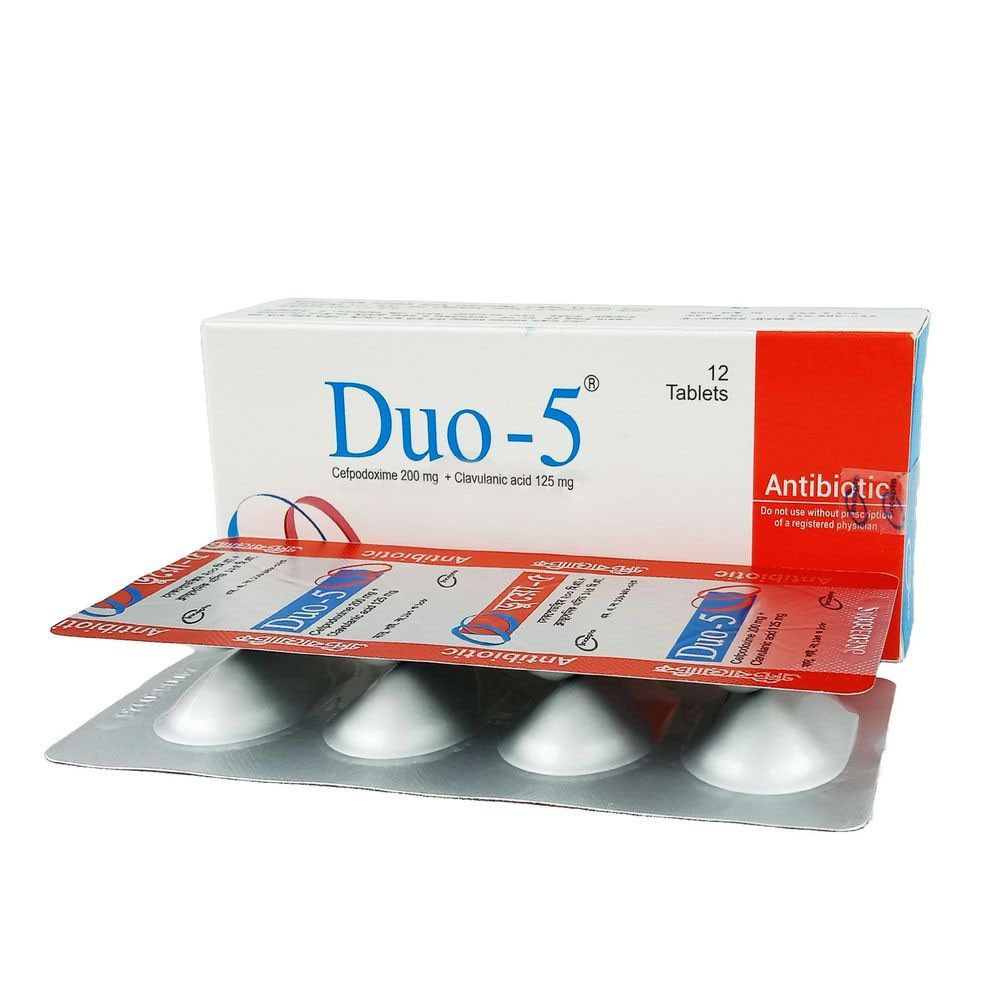
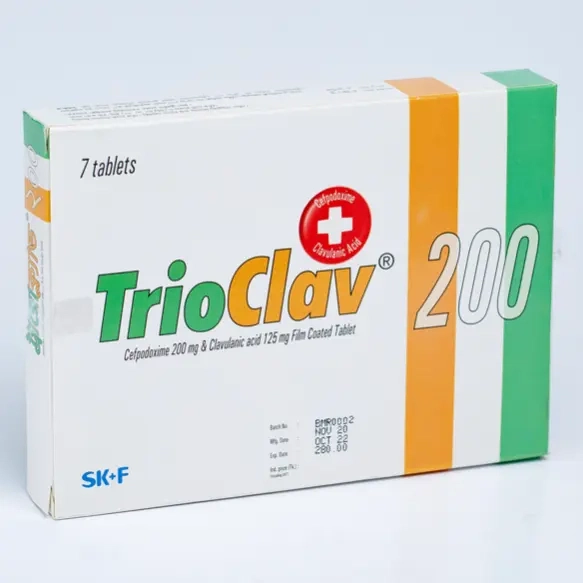
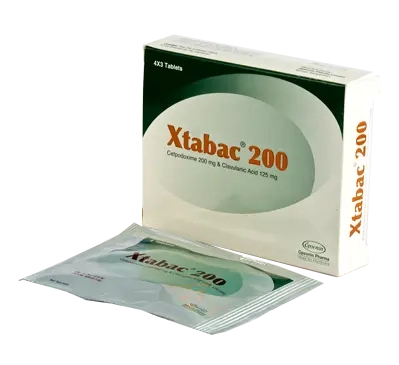
Combocef Tablet 200 mg+125 mg is a combination medication used to treat a variety of bacterial infections. Cefpodoxime Proxetil is a cephalosporin antibiotic that inhibits bacterial cell wall synthesis, while Clavulanic Acid is a beta-lactamase inhibitor that helps prevent the breakdown of cefpodoxime by bacterial enzymes, enhancing its effectiveness against resistant strains.
Uses
This combination is used for treating infections such as:
- Respiratory tract infections (e.g., pneumonia, bronchitis)
- Urinary tract infections
- Skin and soft tissue infections
- Sinusitis
Mechanism of Action
Cefpodoxime Proxetil works by binding to penicillin-binding proteins (PBPs) in bacterial cell walls, inhibiting cell wall synthesis, which leads to bacterial cell death. Clavulanic Acid inhibits beta-lactamase enzymes produced by bacteria that would otherwise destroy cefpodoxime, thereby extending its spectrum of activity and making it effective against a broader range of bacteria.
How Long Does It Take to Work?
Improvements in symptoms are often seen within 48-72 hours of starting treatment. Full resolution of symptoms may take a few days longer, depending on the severity of the infection and the patient's response to the medication.
Absorption
Cefpodoxime Proxetil is absorbed from the gastrointestinal tract and is converted to its active form, cefpodoxime, after absorption. The presence of Clavulanic Acid does not significantly alter the absorption of cefpodoxime. The bioavailability of cefpodoxime is approximately 50% when administered orally.
Route of Elimination
Cefpodoxime is primarily eliminated through the urine, with about 50-70% of the dose excreted as unchanged drug. Clavulanic Acid is also excreted primarily through the urine, with a significant portion of the dose being eliminated as unchanged drug.
Dosage
For adults (Age 12 years and older):- Acute bacterial exacerbation of chronic bronchitis: 1 tablet 12 hourly for 10 days
- Acute community acquired pneumonia: 1 tablet 12 hourly for 14 days
- Pharyngitis or tonsillitis: ½ tablet 12 hourly for 5 to 10 days
- Skin and soft tissue infections: 2 tablet 12 hourly for 7 to 14 days
- Urinary tract infections: ½ tablet 12 hourly for 7 days
- Uncomplicated gonorrhea: Single dose
- Acute maxillary sinusitis: 1 tablet 12 hourly for 10 days
The dosage of Combocef Tablet 200 mg+125 mg varies based on the type and severity of the infection, as well as the patient’s age and renal function. Typical dosing regimens include:
- Adults: 200-400 mg of Cefpodoxime Proxetil and 125-250 mg of Clavulanic Acid every 12 hours.
- Children: Dosage should be adjusted based on body weight and specific infection.
Administration
The medication is usually taken orally, with or without food. It is important to follow the prescribed dosing schedule and to complete the entire course of therapy to ensure the infection is fully eradicated.
Side Effects
Common side effects may include:
- Nausea and vomiting
- Diarrhea
- Abdominal pain
- Headache
Toxicity
In cases of overdose or severe toxicity, symptoms may include gastrointestinal disturbances, renal impairment, and central nervous system effects such as seizures. Immediate medical attention is required in such cases.
Precautions
Precautions include:
- Monitor for signs of allergic reactions, especially in patients with a history of penicillin or cephalosporin allergies.
- Use with caution in patients with renal impairment, as dosage adjustments may be necessary.
- Monitor for signs of gastrointestinal issues, including severe diarrhea or colitis.
Interaction
Combocef Tablet 200 mg+125 mg may interact with other medications, including:
- Anticoagulants (e.g., warfarin) - may increase bleeding risk.
- Other antibiotics - potential for altered efficacy or increased risk of side effects.
- Probenecid - may increase levels of cefpodoxime in the blood.
Disease Interaction
Use with caution in patients with:
- Renal impairment - dose adjustments may be needed.
- Gastrointestinal conditions - may exacerbate conditions like colitis.
Drug Interaction
Drug interactions may include:
- Antacids or iron supplements - may reduce the absorption of cefpodoxime.
- Live vaccines - reduced effectiveness when used concurrently with antibiotics.
Food Interactions
Food interactions are minimal, but taking the medication with food may help reduce gastrointestinal discomfort. Avoiding high-fat meals may help optimize absorption.
Pregnancy Use
The use of Combocef Tablet 200 mg+125 mg during pregnancy should be based on a risk-benefit assessment by a healthcare provider. It is generally considered safe when prescribed for a specific infection, but caution is advised.
Lactation Use
Combocef Tablet 200 mg+125 mg is excreted in breast milk in small amounts. It is usually considered safe for use during lactation, but the healthcare provider should be informed of the medication to monitor for potential effects on the infant.
Acute Overdose
In the event of an acute overdose, symptoms may include gastrointestinal distress, renal impairment, or central nervous system effects. Immediate medical attention is necessary for appropriate management and treatment.
Contraindication
Contraindications include:
- Known hypersensitivity to cefpodoxime, clavulanic acid, or any other component of the medication.
- Severe renal impairment (with appropriate adjustments or alternative treatments based on healthcare provider guidance).
Use Direction
Follow the prescribed dosage and administration instructions carefully. Do not skip doses or discontinue the medication prematurely. If a dose is missed, take it as soon as remembered, but skip it if the next dose is approaching. Do not double the dose to make up for missed doses.
Storage Conditions
Store Combocef Tablet 200 mg+125 mg at room temperature, away from direct sunlight and moisture. Keep out of reach of children and ensure the container is tightly closed.
Volume of Distribution
The volume of distribution of cefpodoxime is approximately 0.3 L/kg, indicating moderate tissue distribution. Clavulanic acid has a similar volume of distribution, allowing effective distribution in body tissues and fluids.
Half Life
The half-life of cefpodoxime is approximately 2.4 hours, while the half-life of clavulanic acid is approximately 1 hour. These pharmacokinetic properties support effective dosing intervals.
Clearance
Both cefpodoxime and clavulanic acid are primarily cleared through the kidneys. The clearance rates may be reduced in patients with renal impairment, requiring dosage adjustments to avoid accumulation and toxicity.