Introduction
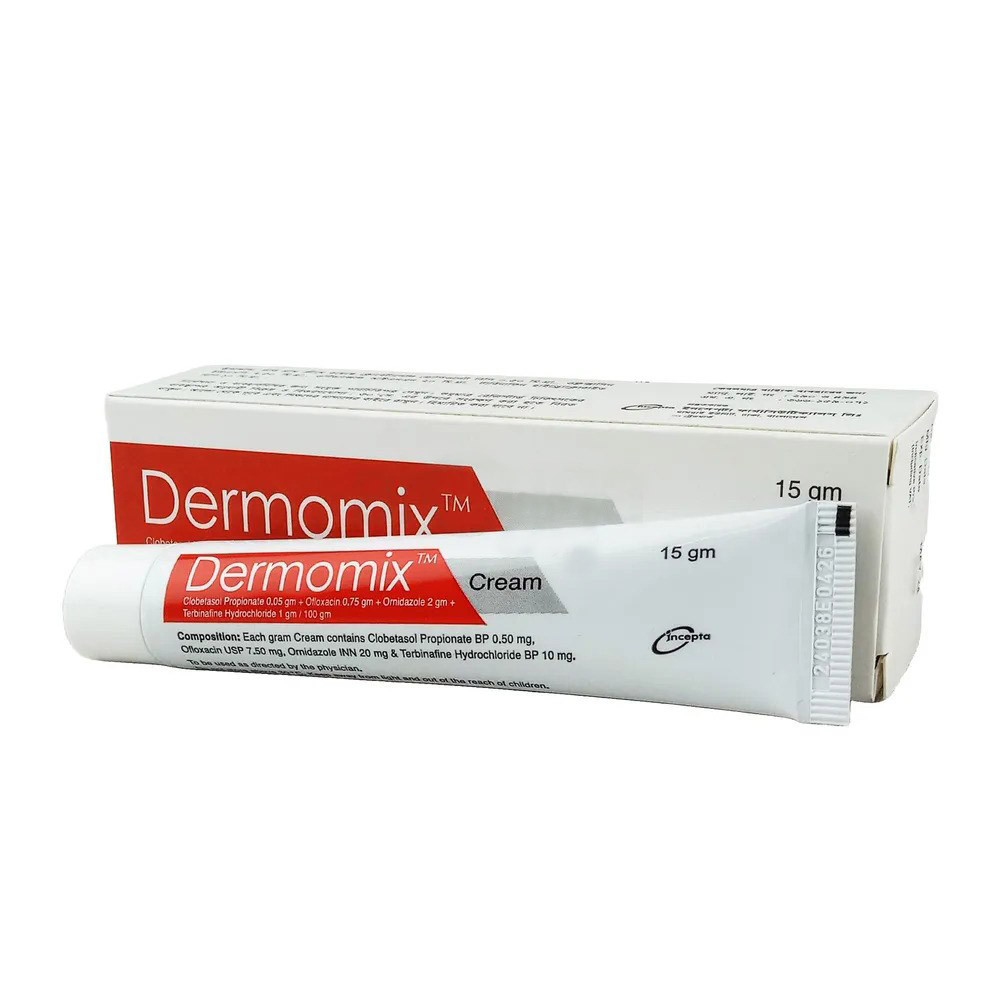
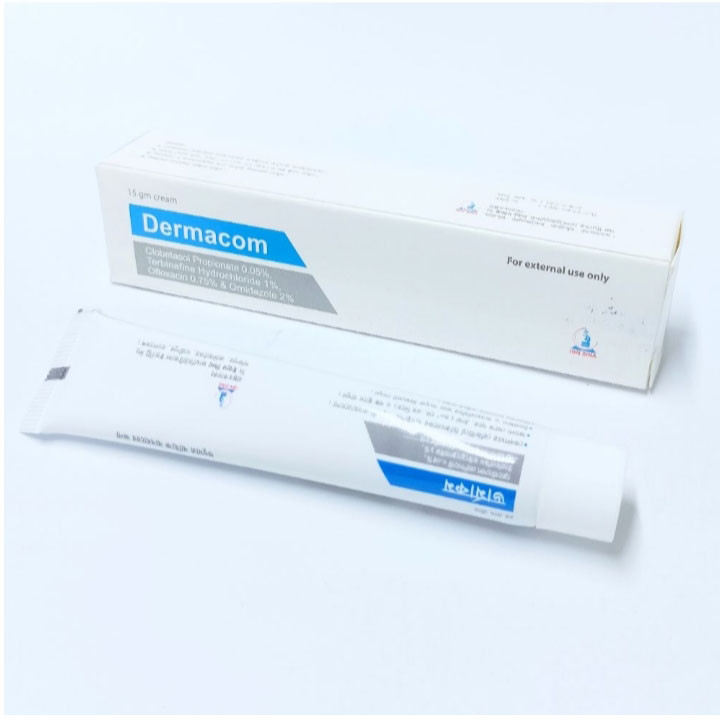
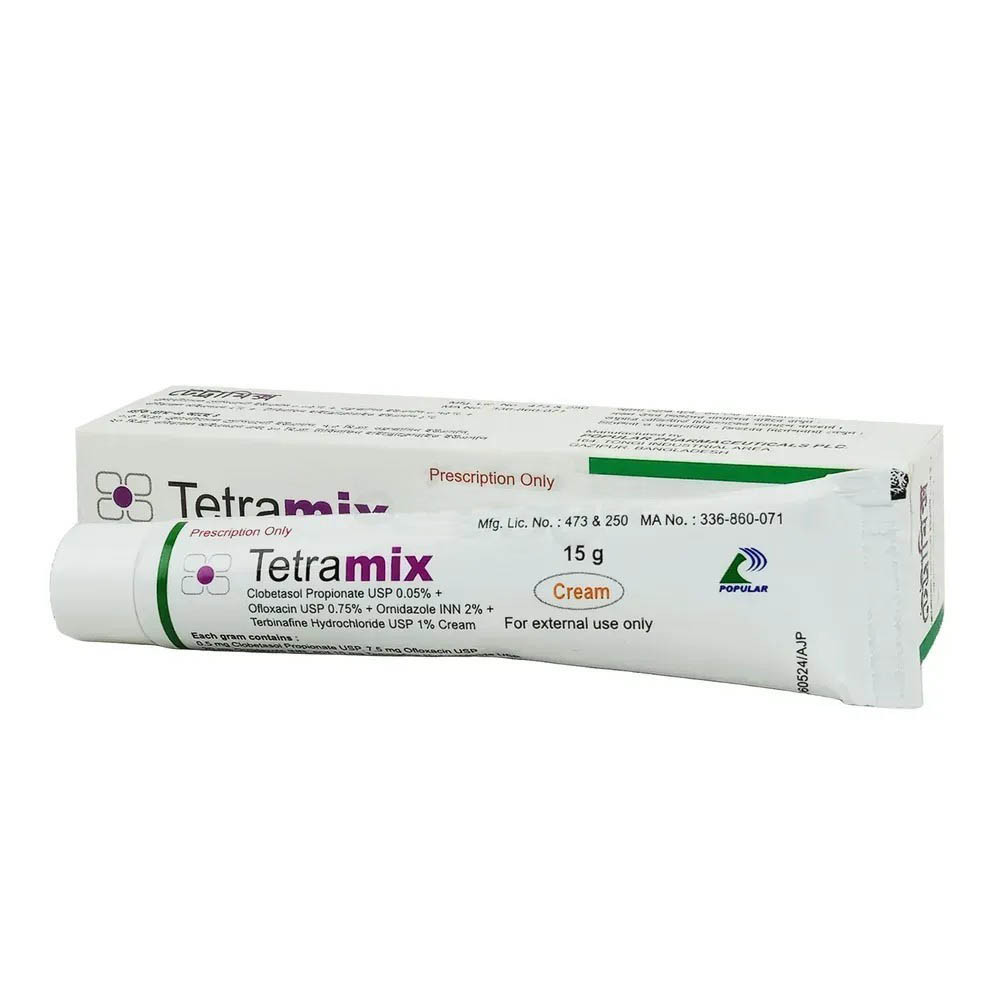
Clobetasol propionate, ofloxacin, ornidazole, and terbinafine are combined in a topical formulation to address a range of dermatological and infectious conditions. This combination leverages the distinct properties of each agent to provide comprehensive treatment for conditions involving inflammation, bacterial and fungal infections, and parasitic infections.
Uses
This combination is typically used to treat:
- Inflammatory Skin Conditions: Clobetasol propionate is a potent corticosteroid used to reduce inflammation, itching, and redness associated with various skin conditions.
- Bacterial Infections: Ofloxacin is a fluoroquinolone antibiotic effective against a broad spectrum of bacterial infections.
- Parasitic Infections: Ornidazole is an antiprotozoal and antibacterial agent used to treat infections caused by protozoa and anaerobic bacteria.
- Fungal Infections: Terbinafine is an antifungal that targets dermatophytes responsible for skin infections.
Mechanism of Action
The components of this combination work through different mechanisms:
- Clobetasol Propionate: Reduces inflammation by suppressing the immune response and inhibiting the release of inflammatory mediators.
- Ofloxacin: Inhibits bacterial DNA gyrase and topoisomerase IV, enzymes essential for bacterial DNA replication and transcription.
- Ornidazole: Disrupts DNA synthesis in protozoa and anaerobic bacteria by forming toxic free radicals.
- Terbinafine: Interferes with the synthesis of ergosterol, an essential component of fungal cell membranes, leading to fungal cell death.
How Long Does It Take to Work?
Onset of action varies depending on the component:
- Clobetasol Propionate: Relief from inflammation and itching may be observed within a few days of topical application.
- Ofloxacin: Improvement in bacterial infections typically occurs within a few days of starting treatment.
- Ornidazole: Parasite-related symptoms often improve within a few days to a week after initiating treatment.
- Terbinafine: Fungal infections may start to show improvement within a week, but complete resolution can take several weeks.
Absorption
When applied topically:
- Clobetasol Propionate: Absorbed through the skin, with systemic absorption being minimal if used as directed.
- Ofloxacin: Minimal systemic absorption from topical application; primarily acts locally.
- Ornidazole: Minimal systemic absorption from topical application; mainly acts locally.
- Terbinafine: Absorbed through the skin, with systemic absorption being minimal.
Route of Elimination
The elimination routes for these components are:
- Clobetasol Propionate: Primarily metabolized in the liver and excreted in the urine.
- Ofloxacin: Metabolized in the liver and excreted primarily via the kidneys in the urine.
- Ornidazole: Metabolized in the liver and excreted via the urine and feces.
- Terbinafine: Metabolized in the liver and excreted in the urine and feces.
Dosage
Apply by gently rubbing onto the affected area twice daily.The dosage and frequency of application depend on the specific formulation and condition being treated. General guidelines include:
- Clobetasol Propionate: Apply a thin layer to the affected area once or twice daily.
- Ofloxacin: Applied topically as prescribed, typically once or twice daily.
- Ornidazole: Applied topically as prescribed, generally once or twice daily.
- Terbinafine: Applied topically once or twice daily.
Administration
For topical administration:
- Clobetasol Propionate: Apply a thin layer to the affected area and gently rub in.
- Ofloxacin: Apply as directed, ensuring it covers the affected area adequately.
- Ornidazole: Apply as directed, usually to affected skin areas.
- Terbinafine: Apply a thin layer to the affected skin and rub in gently.
Side Effects
Possible side effects include:
- Clobetasol Propionate: Skin thinning, striae, and local irritation.
- Ofloxacin: Local irritation, itching, or rash at the application site.
- Ornidazole: Local irritation, dryness, or rash.
- Terbinafine: Local irritation, burning, or redness at the application site.
Toxicity
Excessive use or misuse can lead to:
- Clobetasol Propionate: Systemic absorption leading to adrenal suppression and other systemic side effects.
- Ofloxacin: Potential systemic effects if applied excessively.
- Ornidazole: Minimal systemic toxicity with topical use; high doses can cause systemic effects.
- Terbinafine: Minimal systemic toxicity with topical use; excessive use can lead to systemic side effects.
Precautions
Precautions include:
- Avoid use on broken or irritated skin unless directed by a healthcare provider.
- Do not use in or around the eyes or mucous membranes.
- Consult a healthcare provider before use in sensitive areas or for prolonged periods.
Interaction
Interactions are generally minimal with topical use, but consider:
- Potential interactions with systemic medications if used extensively.
- Consult with a healthcare provider about possible interactions with other topical treatments.
Disease Interaction
Use with caution in:
- Individuals with a history of skin infections or compromised skin integrity.
- Patients with liver or renal impairment, as systemic absorption could be altered.
Drug Interaction
Interactions with systemic medications may occur:
- Be aware of potential interactions with other topical or systemic treatments.
- Consult a healthcare provider to avoid adverse interactions with other medications.
Food Interactions
Food interactions are minimal with topical use. However, consider:
- Some ingredients in topical formulations may have interactions when used with oral medications.
Pregnancy Use
The safety of this combination during pregnancy is not well-established. It is typically recommended to use only if the benefits outweigh potential risks and under the guidance of a healthcare provider. Avoid prolonged use and high doses during pregnancy.
Lactation Use
Use with caution while breastfeeding. Ensure that the area of application does not come into direct contact with the infant. Consult a healthcare provider before use to evaluate the potential risks and benefits.
Acute Overdose
Acute overdose is unlikely with topical use, but excessive application can lead to systemic absorption and adverse effects. If symptoms of overdose occur, discontinue use and seek medical advice. Follow prescribed doses to avoid overdose risks.
Contraindication
Contraindications include:
- Known hypersensitivity to any component of the formulation.
- Active viral, fungal, or tuberculous skin infections without appropriate treatment.
- Use in children without proper medical guidance.
Use Direction
Apply a thin layer to the affected area as directed by a healthcare provider. Avoid applying to large areas or broken skin unless instructed. Use the formulation as prescribed and do not exceed the recommended duration or dose.
Storage Conditions
Store the product in a cool, dry place away from direct sunlight and heat. Keep the container tightly closed and out of reach of children. Follow any specific storage instructions provided on the product label.
Volume of Distribution
The volume of distribution for each component varies, but topical use generally limits systemic distribution. Each agent distributes locally at the site of application, with minimal systemic distribution when used correctly.
Half Life
The half-life of the components varies:
- Clobetasol Propionate: Short half-life with rapid metabolism and clearance.
- Ofloxacin: Approximately 4-6 hours when administered systemically; minimal data for topical use.
- Ornidazole: Approximately 8-12 hours for systemic use; minimal data for topical use.
- Terbinafine: Approximately 17 hours for systemic use; minimal data for topical use.
Clearance
Clearance of each component varies:
- Clobetasol Propionate: Metabolized in the liver and excreted in the urine.
- Ofloxacin: Metabolized in the liver and excreted in the urine.
- Ornidazole: Metabolized in the liver and excreted in the urine and feces.
- Terbinafine: Metabolized in the liver and excreted in the urine and feces.