Introduction
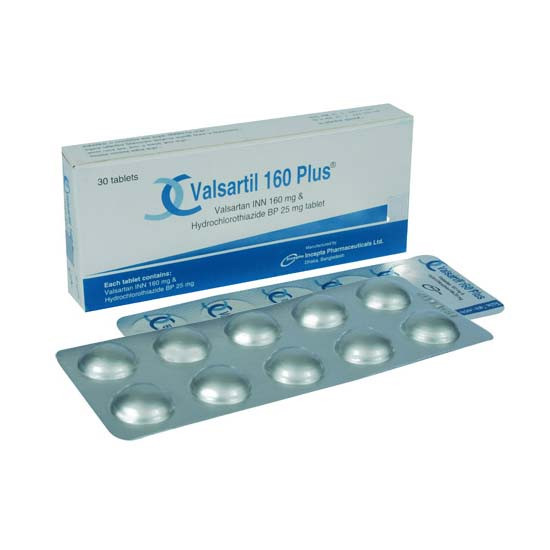
Co-Diovan Tablet 160 mg+25 mg is a combination medication used primarily for managing high blood pressure (hypertension). Valsartan is an angiotensin II receptor blocker (ARB), while Hydrochlorothiazide is a thiazide diuretic. The combination helps to control blood pressure by targeting different pathways involved in regulating blood pressure and fluid balance.
Uses
This combination is used for:
- Managing hypertension in adults and children (ages 6 and older).
- Reducing the risk of stroke in patients with high blood pressure and heart disease.
- Improving overall cardiovascular health by controlling blood pressure.
Mechanism of Action
Valsartan works by blocking the action of angiotensin II, a hormone that causes blood vessels to constrict. By inhibiting this action, Valsartan causes blood vessels to relax and widen, thereby lowering blood pressure. Hydrochlorothiazide works by increasing the excretion of sodium and water through the kidneys, which helps to reduce fluid overload and lower blood pressure.
How Long Does It Take to Work?
Initial effects on blood pressure may be observed within a few hours of taking Co-Diovan Tablet 160 mg+25 mg. However, optimal blood pressure control typically requires several weeks of consistent use. Regular monitoring is necessary to assess the effectiveness and adjust dosage as needed.
Absorption
Valsartan is well-absorbed in the gastrointestinal tract, with peak plasma levels occurring approximately 2-4 hours after ingestion. Hydrochlorothiazide is also absorbed well, with peak plasma concentrations usually occurring within 1-2 hours. The presence of food does not significantly affect the absorption of Valsartan, but it can affect Hydrochlorothiazide absorption slightly.
Route of Elimination
Valsartan is primarily eliminated through the liver via bile, with a smaller amount excreted in the urine. Hydrochlorothiazide is predominantly eliminated through the kidneys. Both drugs are metabolized and excreted at different rates, influencing their combined therapeutic effects.
Dosage
Hypertension: A patient whose blood pressure is not controlled with Valsartan and Hydrochlorothiazide monotherapy, should switch to Valsartan and Hydrochlorothiazide combination once daily. Highest allowed dose of Valsartan should not be greater than 320 mg in combination with hydrochlorothiazide 25 mg.For Elderly: No initial dosage adjustment is necessary for elderly patients.
Pediatric use: Safety and effectiveness in pediatric patients have not been established.
Dosage depends on the specific needs of the patient and the severity of their hypertension. Common starting doses include:
- Valsartan: 80-160 mg once daily.
- Hydrochlorothiazide: 12.5-25 mg once daily.
Administration
Co-Diovan Tablet 160 mg+25 mg is typically administered orally in the form of tablets. It should be taken with a full glass of water. The medication can be taken with or without food, but consistent timing and adherence to the prescribed regimen are important for effective blood pressure management.
Side Effects
Potential side effects include:
- Dizziness or lightheadedness, particularly when standing up quickly.
- Headache, fatigue, or nausea.
- Electrolyte imbalances such as low potassium or sodium levels.
- Potential allergic reactions, including rash or swelling.
Toxicity
Toxicity may arise from excessive doses of either component:
- Valsartan toxicity may present as severe hypotension or electrolyte imbalances.
- Hydrochlorothiazide overdose can cause significant electrolyte disturbances, dehydration, or kidney issues.
Precautions
Precautions include:
- Monitoring blood pressure and electrolyte levels regularly.
- Use with caution in patients with renal impairment, liver disease, or heart conditions.
- Adjustments may be necessary for elderly patients or those with comorbid conditions.
Interaction
Interactions with other medications may include:
- Potassium-sparing diuretics or potassium supplements can lead to hyperkalemia.
- Other antihypertensive agents may enhance the effects and potentially cause hypotension.
- Nonsteroidal anti-inflammatory drugs (NSAIDs) may reduce the effectiveness of Valsartan.
Disease Interaction
Considerations for patients with:
- Renal or hepatic impairment, as adjustments to dosage may be necessary.
- Cardiac conditions, to ensure the combination does not exacerbate symptoms.
Drug Interaction
Drug interactions can affect the efficacy and safety of Co-Diovan Tablet 160 mg+25 mg:
- Interactions with other blood pressure medications may require dose adjustments.
- Drugs affecting electrolyte balance or renal function may impact the effectiveness and safety of this combination.
Food Interactions
Food interactions are minimal, but:
- High salt intake may reduce the effectiveness of Hydrochlorothiazide.
- Consistent dietary habits should be maintained to avoid impacting blood pressure control.
Pregnancy Use
Co-Diovan Tablet 160 mg+25 mg is generally not recommended during pregnancy, especially in the second and third trimesters, due to potential risks to the fetus. Alternative medications should be discussed with a healthcare provider if pregnancy is planned or occurs during treatment.
Lactation Use
Both Valsartan and Hydrochlorothiazide can pass into breast milk. If breastfeeding, consult a healthcare provider to evaluate the risks and benefits and consider alternative treatments if necessary.
Acute Overdose
In case of acute overdose, symptoms may include severe hypotension, electrolyte imbalances, and dehydration. Immediate medical attention is required to manage symptoms and prevent complications.
Contraindication
Contraindications include:
- Hypersensitivity to Valsartan, Hydrochlorothiazide, or any component of the formulation.
- Pregnancy or severe renal impairment.
Use Direction
Follow the prescribed dosage and administration instructions. Do not exceed the recommended dose, and take the medication consistently as directed to effectively manage blood pressure.
Storage Conditions
Store in a cool, dry place away from direct sunlight and moisture. Keep out of reach of children and do not use past the expiration date. Proper storage helps maintain the medication’s effectiveness.
Volume of Distribution
The volume of distribution for Valsartan is approximately 17 liters, indicating that it is distributed throughout the body. Hydrochlorothiazide has a volume of distribution of approximately 0.8 liters/kg, reflecting its distribution in the body’s fluids.
Half Life
The half-life of Valsartan is about 9-12 hours, while Hydrochlorothiazide has a half-life of approximately 6-15 hours. The half-lives of these drugs contribute to the duration of their effects and influence dosing frequency.
Clearance
Valsartan is primarily cleared through the liver and biliary excretion, with a smaller amount excreted in the urine. Hydrochlorothiazide is predominantly cleared through the kidneys. The clearance rates of both components are important for managing dosage and efficacy.