Introduction
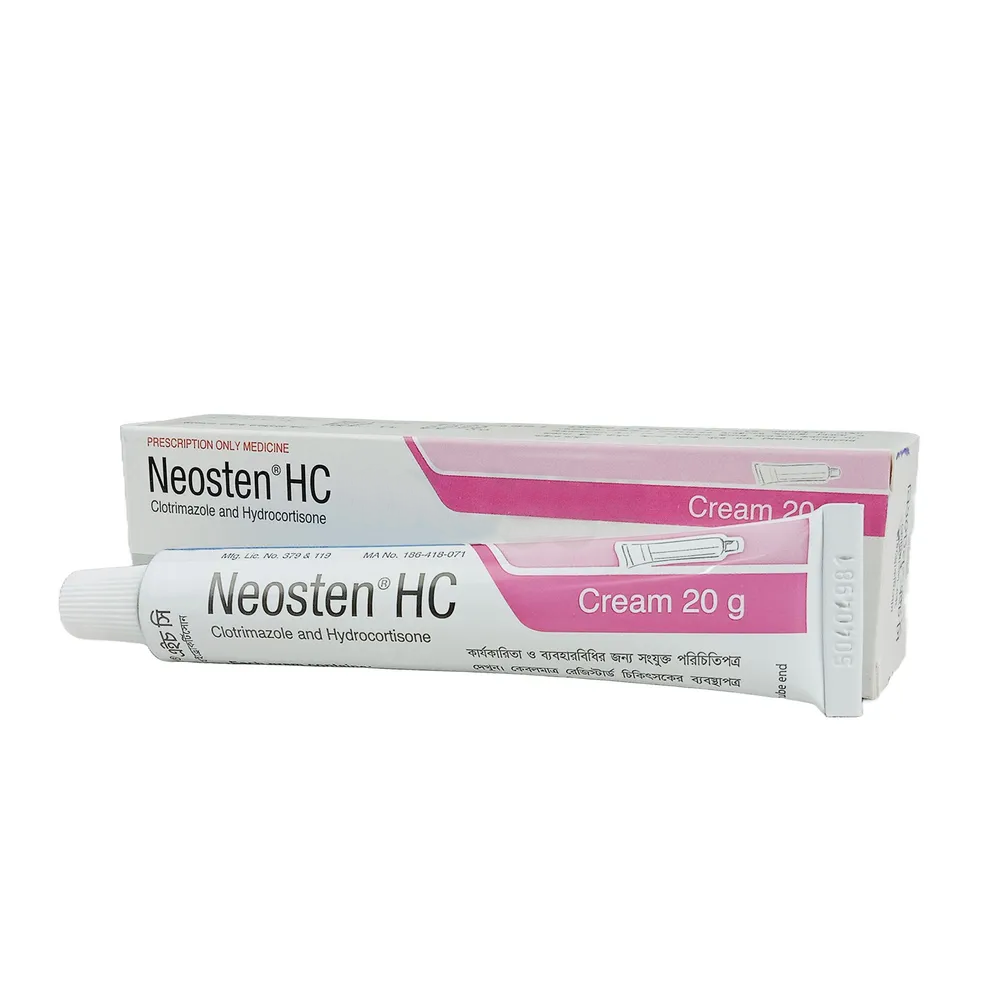
Clotrimazole and Hydrocortisone are combined in topical formulations to treat various dermatological conditions. Clotrimazole is an antifungal agent effective against a broad spectrum of fungi, while Hydrocortisone is a corticosteroid that reduces inflammation and itching. This combination is often used to manage fungal infections with accompanying inflammatory reactions.
Uses
The combination of Clotrimazole and Hydrocortisone is used for:
- Treating fungal skin infections such as athlete's foot, ringworm, and jock itch.
- Managing inflammatory skin conditions associated with fungal infections, such as eczema or dermatitis.
- Relieving symptoms like itching, redness, and swelling caused by both fungal infections and inflammatory conditions.
Mechanism of Action
The mechanism of action involves:
- Clotrimazole: Inhibits the synthesis of ergosterol, an essential component of fungal cell membranes, leading to cell membrane damage and death of the fungus.
- Hydrocortisone: Reduces inflammation by suppressing the release of inflammatory mediators and decreasing the immune response in the affected area.
How Long Does It Take to Work?
Improvement in symptoms is typically seen within a few days of starting treatment. Complete resolution of symptoms may take 1-2 weeks, depending on the severity of the infection and the response to treatment.
Absorption
Clotrimazole and Hydrocortisone are absorbed through the skin when applied topically. Clotrimazole is minimally absorbed systemically, while Hydrocortisone can be absorbed in larger amounts, especially if used over extensive areas or for prolonged periods.
Route of Elimination
Clotrimazole is primarily eliminated through fecal excretion, with a small amount excreted in the urine. Hydrocortisone is metabolized in the liver and excreted primarily in the urine as conjugated metabolites.
Dosage
Apply thinly and evenly to the affected area twice daily.The typical dosage involves applying a thin layer of the combined formulation to the affected area 2-3 times daily. The exact dosage and duration depend on the severity of the condition and the area of application. Follow the specific instructions provided by a healthcare provider.
Administration
Apply the topical formulation directly to the affected area of the skin. Avoid application to the face, groin, or underarms unless directed by a healthcare provider. Wash hands thoroughly after application to prevent spreading the medication to other areas.
Side Effects
Possible side effects include:
- Skin irritation, such as burning, itching, or redness.
- Dryness or peeling of the skin.
- Systemic effects if absorbed in significant amounts, such as adrenal suppression or Cushing's syndrome (especially with prolonged use of Hydrocortisone).
Toxicity
Topical toxicity is rare but can occur if the product is used excessively or on large areas. Symptoms may include severe skin irritation or systemic effects. Seek medical advice if overdose or significant side effects are suspected.
Precautions
Use with caution in:
- Patients with a history of allergic reactions to Clotrimazole, Hydrocortisone, or any component of the formulation.
- Areas of broken or infected skin, as this may increase systemic absorption and risk of side effects.
- Prolonged use or application to large areas, as it can increase the risk of systemic absorption and adverse effects.
Interaction
Interactions with other topical medications are possible, particularly those that may increase skin absorption or alter the efficacy of the treatment. Inform your healthcare provider of all other topical or systemic medications you are using.
Disease Interaction
Use with caution in patients with:
- Diabetes or other conditions affecting glucose metabolism, as corticosteroids may affect blood sugar levels.
- History of liver or kidney disease, which may alter the metabolism and excretion of the medication.
Drug Interaction
There are generally no significant interactions with systemic medications when used topically. However, inform your healthcare provider of all medications being used to avoid potential interactions and side effects.
Food Interactions
No specific food interactions have been identified with Clotrimazole and Hydrocortisone. Maintaining a balanced diet supports overall health and the efficacy of the treatment.
Pregnancy Use
Use during pregnancy should be avoided unless absolutely necessary and prescribed by a healthcare provider. The potential risks to the fetus should be weighed against the benefits of treatment. Consult a healthcare provider for alternative options if pregnancy is confirmed or suspected.
Lactation Use
Topical use during lactation should be approached with caution. Avoid applying to the breast area to prevent accidental ingestion by the infant. Consult with a healthcare provider to evaluate the risks and benefits and to consider alternative treatments if necessary.
Acute Overdose
Acute overdose is unlikely with topical use but may occur if large amounts are applied or if used excessively. Symptoms may include severe skin irritation or systemic effects. Seek medical attention if overdose is suspected.
Contraindication
Contraindications include:
- Known hypersensitivity to Clotrimazole, Hydrocortisone, or any component of the formulation.
- Active infections of the skin unless treated with appropriate antimicrobial therapy.
- Conditions that may be aggravated by corticosteroids or antifungals, such as certain types of fungal infections.
Use Direction
Apply a thin layer to the affected areas of the skin as directed by a healthcare provider. Avoid using on the face, groin, or underarms unless specifically instructed. Adhere to the recommended duration of treatment and frequency of application.
Storage Conditions
Store in a cool, dry place, away from direct sunlight and moisture. Keep out of reach of children and ensure the container is tightly closed when not in use.
Volume of Distribution
The volume of distribution for topical Clotrimazole and Hydrocortisone is not well-documented but can be affected by factors such as the area of application and skin condition. Systemic absorption is minimal but can occur, particularly with Hydrocortisone.
Half Life
The half-lives are:
- Clotrimazole: Approximately 2-3 hours after systemic absorption, with longer effects due to tissue binding.
- Hydrocortisone: Approximately 1-2 hours after systemic absorption, with longer effects due to tissue binding and systemic action.
Clearance
Both Clotrimazole and Hydrocortisone are cleared from the body primarily through hepatic metabolism and renal excretion. The rate of clearance can be influenced by the extent of systemic absorption and individual metabolic factors.