Introduction

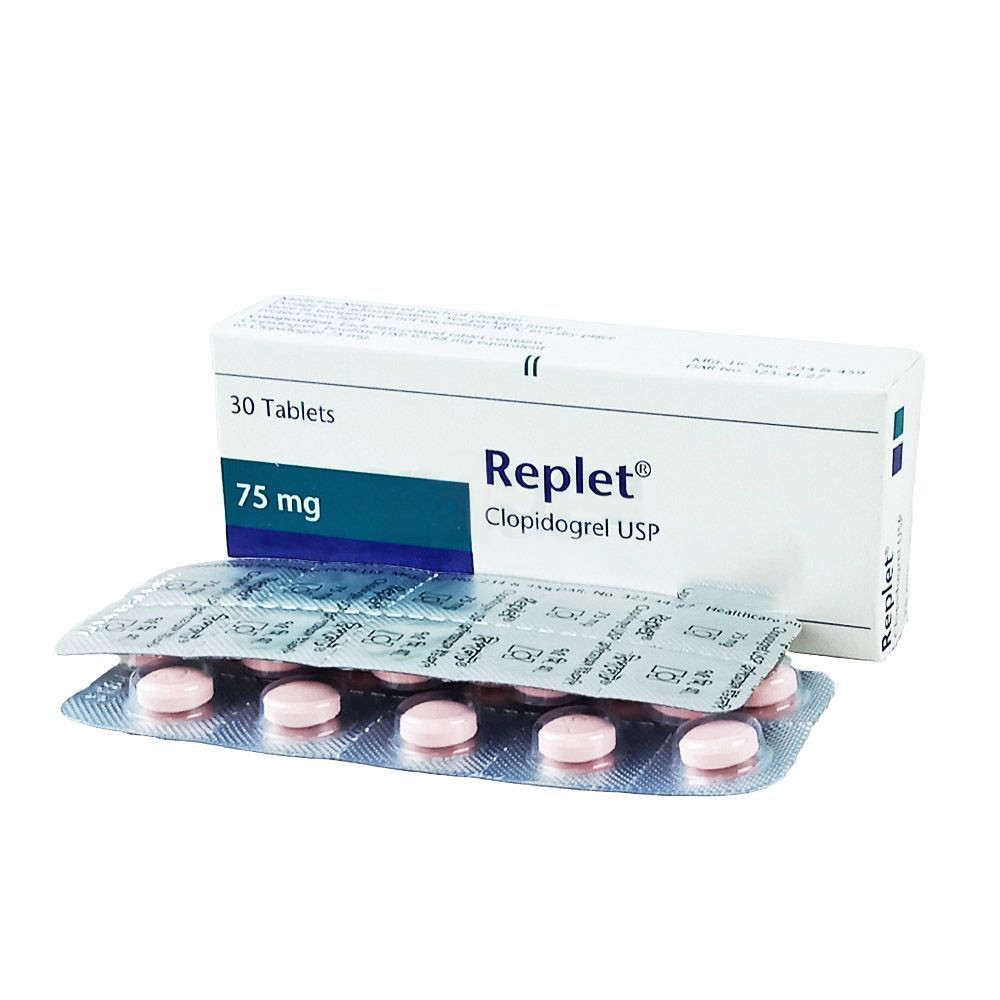
Clopirel Tablet 75 mg is an antiplatelet medication used to prevent blood clots in individuals at high risk of cardiovascular events such as heart attacks and strokes. It belongs to a class of drugs called P2Y12 platelet inhibitors. By inhibiting platelet aggregation, it helps reduce the chances of clot formation in arteries, thus reducing the risk of acute coronary events.

Uses

Clopidogrel is used in the following conditions:

  • Acute coronary syndrome (ACS)
  • Prevention of myocardial infarction (heart attack)
  • Prevention of ischemic stroke
  • Peripheral artery disease
  • Following percutaneous coronary intervention (PCI) or stenting
It is often prescribed alongside aspirin for dual antiplatelet therapy (DAPT) in some cases.

Brand Name Clopirel
Type Tablet
Weight 75 mg
Generic Clopidogrel Bisulphate
Manufacturer Novo Healthcare and Pharma Ltd.
Available in English বাংলা

Mechanism of Action

Clopidogrel irreversibly inhibits the P2Y12 adenosine diphosphate (ADP) receptor on platelets, preventing the binding of ADP to its platelet receptor. This inhibition disrupts the activation of the GPIIb/IIIa receptor complex, thus inhibiting platelet aggregation. The effect persists for the lifespan of the platelet (7-10 days).

How Long Does It Take to Work?

Clopidogrel starts to work within 2 hours after oral administration, but the maximum inhibition of platelet aggregation is reached after 3 to 5 days of consistent dosing. Its antiplatelet effect lasts for the life of the platelet.

Absorption

Clopidogrel is rapidly absorbed after oral administration, with bioavailability of about 50%. Peak plasma concentrations are reached approximately 1 hour after dosing. However, it is a prodrug that requires hepatic activation to exert its effects.

Route of Elimination

Clopidogrel and its metabolites are primarily excreted through the kidneys (about 50%) and feces (46%). The active metabolite has a short half-life, while the inactive metabolites are excreted over several days.

Dosage

Acute Coronary Syndrome: In patients who need an antiplatelet effect within hours, initiate clopidogrel with a single 300 mg (4 tablets) oral loading dose and then continue at 75 mg once daily. Initiating it without a loading dose will delay establishment of an antiplatelet effect by several days.

Recent MI, Recent Stroke, or Established Peripheral Arterial Disease: 75 mg once daily orally without a loading dose.

It is given orally with or without food.

The typical dosage of Clopidogrel is:

  • Acute Coronary Syndrome: Initial loading dose of 300 mg followed by 75 mg daily.
  • For stroke or myocardial infarction prevention: 75 mg once daily.
The duration of therapy may vary depending on the patient's condition and treatment plan, often lasting several months to years.

Administration

Clopidogrel is administered orally as a tablet and can be taken with or without food. It should be taken consistently at the same time each day for optimal effect. Patients should not discontinue the medication abruptly without consulting their healthcare provider.

Side Effects

Common side effects include:

  • Bruising
  • Bleeding (e.g., nosebleeds, gastrointestinal bleeding)
  • Diarrhea
  • Indigestion
Serious side effects may include:
  • Severe bleeding
  • Thrombocytopenia
  • Hypersensitivity reactions
  • Rare cases of thrombotic thrombocytopenic purpura (TTP)

Toxicity

Overdose of Clopidogrel may result in prolonged bleeding time and increased risk of hemorrhage. In the case of overdose, standard supportive measures are indicated. Due to its irreversible binding to platelets, the effects of Clopidogrel overdose persist for several days.

Precautions

  • Clopidogrel should be used cautiously in patients with a history of bleeding disorders or active bleeding.
  • Patients undergoing surgery or dental procedures should inform their healthcare provider, as the medication may need to be temporarily stopped.
  • Liver function should be monitored, especially in patients with hepatic impairment.

Interaction

  • Proton Pump Inhibitors (PPIs): Drugs like omeprazole and esomeprazole may reduce the effectiveness of Clopidogrel by inhibiting its activation in the liver.
  • Anticoagulants (e.g., Warfarin): Increased risk of bleeding.
  • Aspirin: Increased bleeding risk when used as dual antiplatelet therapy.

Disease Interaction

  • Use cautiously in patients with a history of gastrointestinal bleeding or ulcers, as Clopidogrel increases bleeding risk.
  • Patients with liver dysfunction may have impaired activation of the drug, reducing its efficacy.

Drug Interaction

Clopidogrel interacts with:

  • Anticoagulants and antiplatelets: Increased bleeding risk.
  • Proton pump inhibitors: May reduce the activation of Clopidogrel.
  • CYP2C19 inhibitors: Drugs like fluoxetine, fluvoxamine, and voriconazole may reduce Clopidogrel’s effectiveness by inhibiting its activation.

Food Interactions

There are no significant food interactions with Clopidogrel. However, it is advised to maintain consistency in dietary habits and avoid alcohol, as it may increase the risk of gastrointestinal bleeding.

Pregnancy Use

Clopidogrel is classified as a pregnancy category B drug. While animal studies have not shown harm to the fetus, there are no well-controlled studies in pregnant women. Use only if clearly needed and prescribed by a healthcare provider.

Lactation Use

It is unknown whether Clopidogrel is excreted in human milk. Due to the potential for adverse effects in nursing infants, caution is advised, and breastfeeding mothers should consult their healthcare provider.

Acute Overdose

In cases of overdose, symptoms primarily include prolonged bleeding. Activated charcoal may be used in cases of acute ingestion, and supportive treatment is provided. Platelet transfusion may be considered if there is life-threatening bleeding.

Contraindication

Clopidogrel is contraindicated in patients with:

  • Active bleeding (e.g., peptic ulcer, intracranial hemorrhage)
  • Hypersensitivity to Clopidogrel or any of its components
  • Severe liver impairment

Use Direction

Clopidogrel should be taken once daily, with or without food. Do not crush or split the tablet. Patients should follow the prescribed dosage and not discontinue use without consulting a healthcare provider. Regular monitoring of blood counts and liver function may be required during long-term use.

Storage Conditions

Store Clopidogrel at room temperature, between 20°C and 25°C (68°F to 77°F). Keep it in its original packaging, away from moisture and light. Keep out of reach of children.

Volume of Distribution

Clopidogrel has a moderate volume of distribution, approximately 39–41 liters, indicating its distribution in body tissues, including blood cells.

Half Life

The half-life of Clopidogrel's active metabolite is short, around 0.5-1 hour. However, the antiplatelet effect lasts for the lifespan of the affected platelets (7–10 days).

Clearance

Clopidogrel's active metabolite is rapidly cleared, primarily by the liver. It is excreted through urine and feces, with total body clearance approximately 47.5 L/h.

See in details version Clopirel Tablet 75 mg also Clopirel Tablet 75 mg in bangla

Some Frequently Asked Questions About Clopirel Tablet 75 mg

*** Taking medicines without doctor's advice can cause long-term problems.
Dr. Tahsina Shamim Tasu

Dr. Tahsina Shamim Tasu

Gynecology, Maternity Diseases Specialist & Surgeon

Gynecologist in Rajshahi
Call Doctor
Prof. Dr. Khabiruddin Ahmed

Prof. Dr. Khabiruddin Ahmed

ENT (Ear, Nose, Throat) Specialist & Head Neck Surgeon

ENT Doctor in Dhaka
Call Doctor
Related Medicines