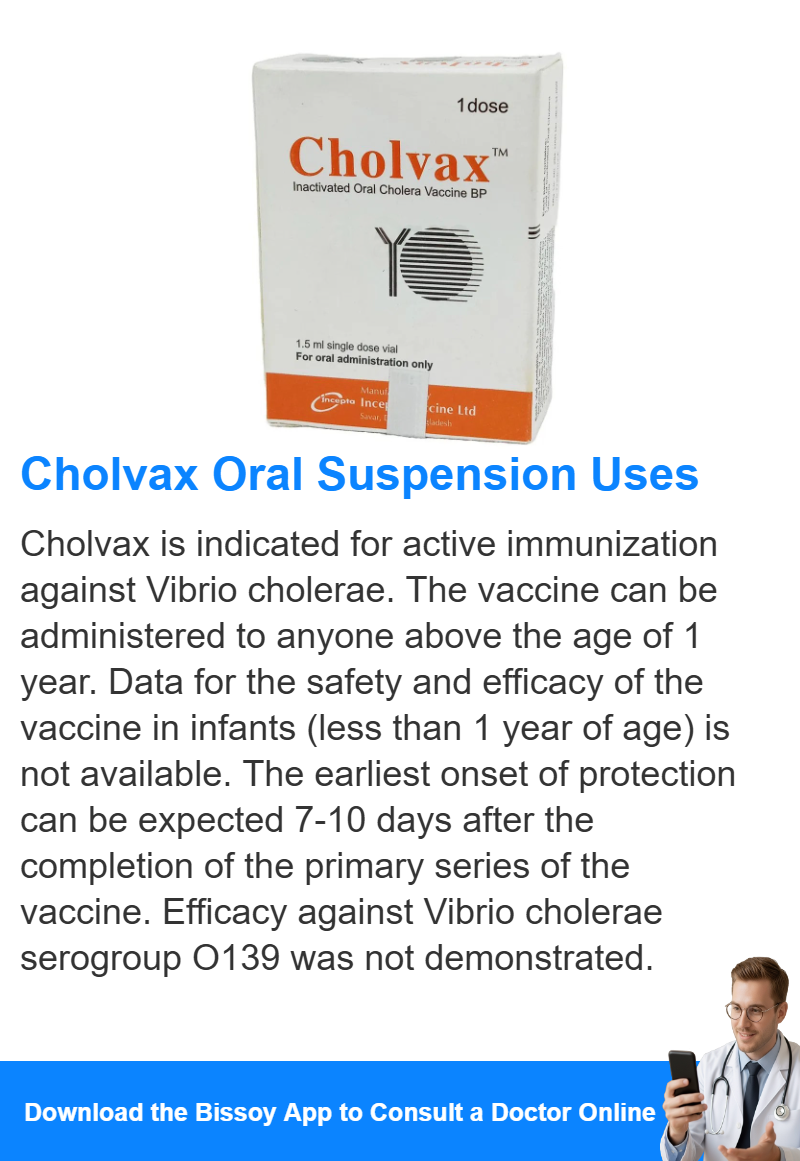
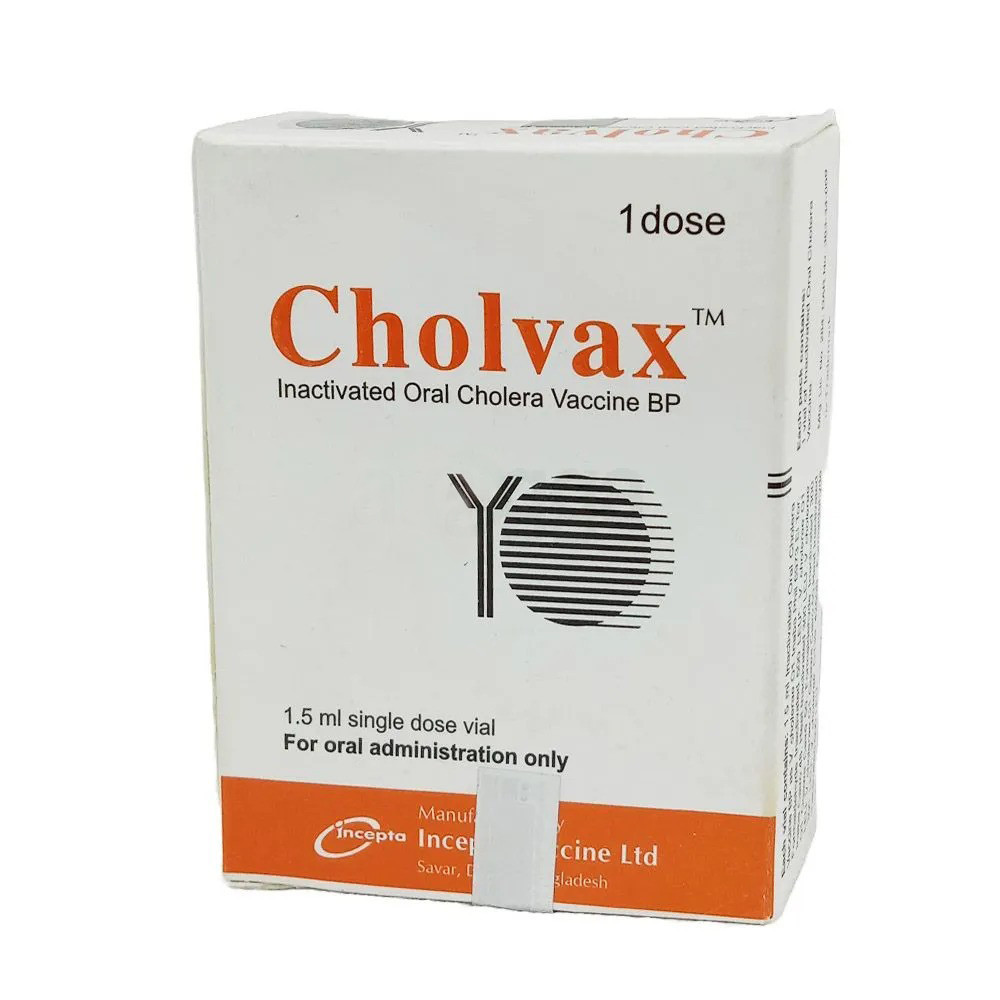
Introduction
The oral cholera vaccine is a live attenuated vaccine used to protect against cholera, a severe bacterial infection caused by Vibrio cholerae. The vaccine is designed to provide immunity to individuals at risk of contracting cholera, particularly in areas with outbreaks or where the disease is endemic.
Uses
The oral cholera vaccine is primarily used for:
- Preventing cholera in individuals traveling to or living in areas where cholera is common.
- Controlling outbreaks in areas with high incidence of cholera.
- Providing short-term protection for high-risk groups, such as aid workers or military personnel deployed in cholera-endemic regions.
Mechanism of Action
The oral cholera vaccine contains attenuated (weakened) strains of Vibrio cholerae. When ingested, these weakened bacteria stimulate the immune system to produce a protective immune response. This response includes the production of antibodies against the bacteria, which helps to prevent the disease if the individual is later exposed to the virulent strain of Vibrio cholerae.
How Long Does It Take to Work?
Immunity from the oral cholera vaccine typically begins to develop within one to two weeks after vaccination. The vaccine provides protection for approximately two years, though this can vary based on individual health and exposure risk. Booster doses may be recommended for prolonged protection or during outbreaks.
Absorption
The vaccine is administered orally, and the live attenuated bacteria are absorbed in the gastrointestinal tract. The bacteria then stimulate an immune response locally in the gut as well as systemically, leading to the production of protective antibodies.
Route of Elimination
The live attenuated bacteria from the vaccine are eventually excreted from the body through the feces. The vaccine does not have significant systemic effects and does not require special elimination processes beyond normal gastrointestinal excretion.
Dosage
The recommended dose of the vaccine (1.5 ml) is to be administered orally. The primary immunization schedule consists of two doses given at an interval of at least two weeks. Cholera vaccine should not be administered parenterally (intramuscular, subcutaneous or intravenously). The vaccine is only recommended for oral administration.Method of administration: The vaccine is presented as a suspension. After vigorous shaking of the vial, 1.5 ml should be poured into the mouth of the recipient. The vaccine administration may be optionally followed by water to facilitate ingestion, if needed. The vaccine can alternatively be administered with a disposable syringe (without needle) after removing the contents from the vial and squirted into the mouth of the recipient. The vaccine should not be administered parenterally (intramuscular, subcutaneous or intravenously). The vaccine is only recommended for oral administration.
The dosage of the oral cholera vaccine depends on the specific product used. Generally:
- For adults and children aged 6 years and older, the standard dose is usually two doses taken orally, with the second dose administered 1 to 6 weeks after the first dose.
- For children aged 2 to 5 years, a different dosing schedule may apply based on the specific vaccine used.
Administration
The vaccine is administered orally in the form of a liquid suspension or as powder mixed with water. The administration should be done in accordance with the manufacturer's instructions. Ensure proper dosing and follow-up if additional doses are required.
Side Effects
Common side effects of the oral cholera vaccine are generally mild and may include:
- Gastrointestinal symptoms such as nausea, vomiting, or diarrhea.
- Abdominal pain or discomfort.
Toxicity
Toxicity from the oral cholera vaccine is rare due to its nature as a live attenuated vaccine. However, improper handling or administration could lead to complications. If overdose or adverse reactions are suspected, seek medical attention promptly.
Precautions
Precautions include:
- Ensuring the vaccine is administered according to recommended guidelines and dosage.
- Not administering the vaccine to individuals with a history of severe allergic reactions to components of the vaccine.
- Consulting with a healthcare provider if the individual has a weakened immune system or underlying health conditions.
Interaction
The oral cholera vaccine is generally safe to use with other vaccines. However, it is advisable to discuss all vaccinations and health conditions with a healthcare provider to avoid potential interactions or issues.
Disease Interaction
Special consideration should be given to:
- Individuals with weakened immune systems or chronic diseases, as they may have a reduced response to the vaccine.
- Those with gastrointestinal disorders that may affect vaccine absorption or effectiveness.
Drug Interaction
The oral cholera vaccine generally has no significant interactions with medications. However, inform healthcare providers of any medications being taken to ensure there are no specific contraindications or adjustments needed.
Food Interactions
There are no specific food interactions with the oral cholera vaccine. It can be administered with or without food, though taking it on an empty stomach may be recommended based on specific vaccine guidelines.
Pregnancy Use
The oral cholera vaccine is typically not recommended during pregnancy due to the lack of sufficient safety data. It is important to consult a healthcare provider to assess risks and benefits if pregnancy is a consideration.
Lactation Use
The vaccine is generally considered safe for use during lactation. It does not appear to have adverse effects on breastfeeding infants. However, consult with a healthcare provider to ensure it aligns with specific health needs.
Acute Overdose
Acute overdose of the oral cholera vaccine is not a common concern as the vaccine is administered in prescribed doses. If there is a concern about overdose or adverse effects, seek medical advice immediately.
Contraindication
The oral cholera vaccine is contraindicated in:
- Individuals with a known hypersensitivity to any component of the vaccine.
- Patients with severe immunodeficiency or active, untreated gastrointestinal disease.
Use Direction
Follow the manufacturer’s instructions for the correct dosage and administration schedule. Ensure proper storage and handling of the vaccine. Consult with healthcare professionals for any specific considerations or adjustments needed based on individual health conditions.
Storage Conditions
The oral cholera vaccine should be stored according to the manufacturer’s guidelines, typically at refrigeration temperatures (2°C to 8°C). Avoid freezing and protect the vaccine from light. Ensure proper handling to maintain vaccine efficacy.
Volume of Distribution
The concept of volume of distribution does not apply to the oral cholera vaccine as it is a vaccine rather than a pharmacological drug distributed throughout the body. The vaccine’s action is localized in the gastrointestinal tract and immune system.
Half Life
The concept of half-life does not apply to the oral cholera vaccine. The vaccine's effects are related to the development of immunity rather than a drug's duration in the body.
Clearance
The clearance of the oral cholera vaccine is not applicable as it is not a drug with pharmacokinetic properties. The vaccine components are processed and cleared naturally through normal gastrointestinal and immune system functions.