Introduction
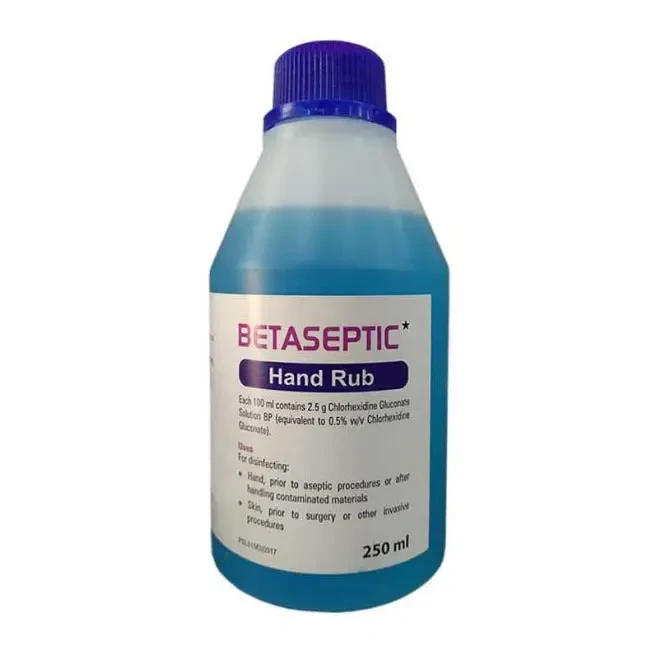
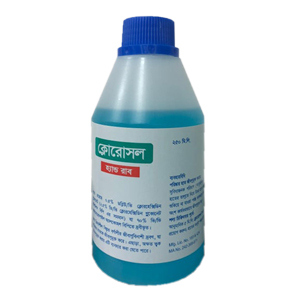
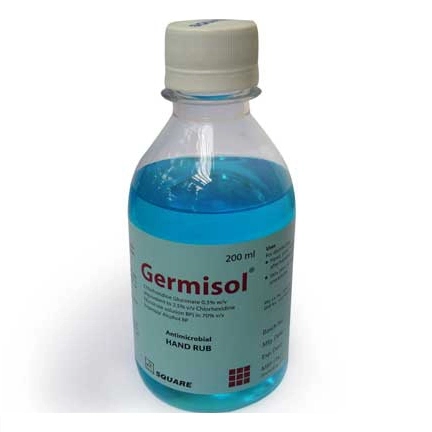
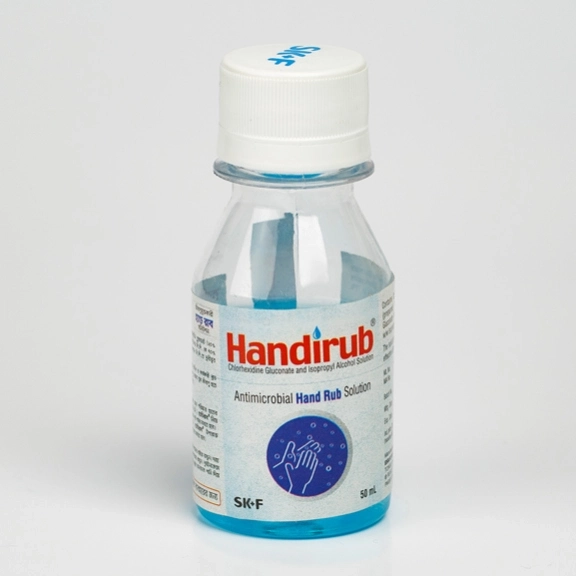
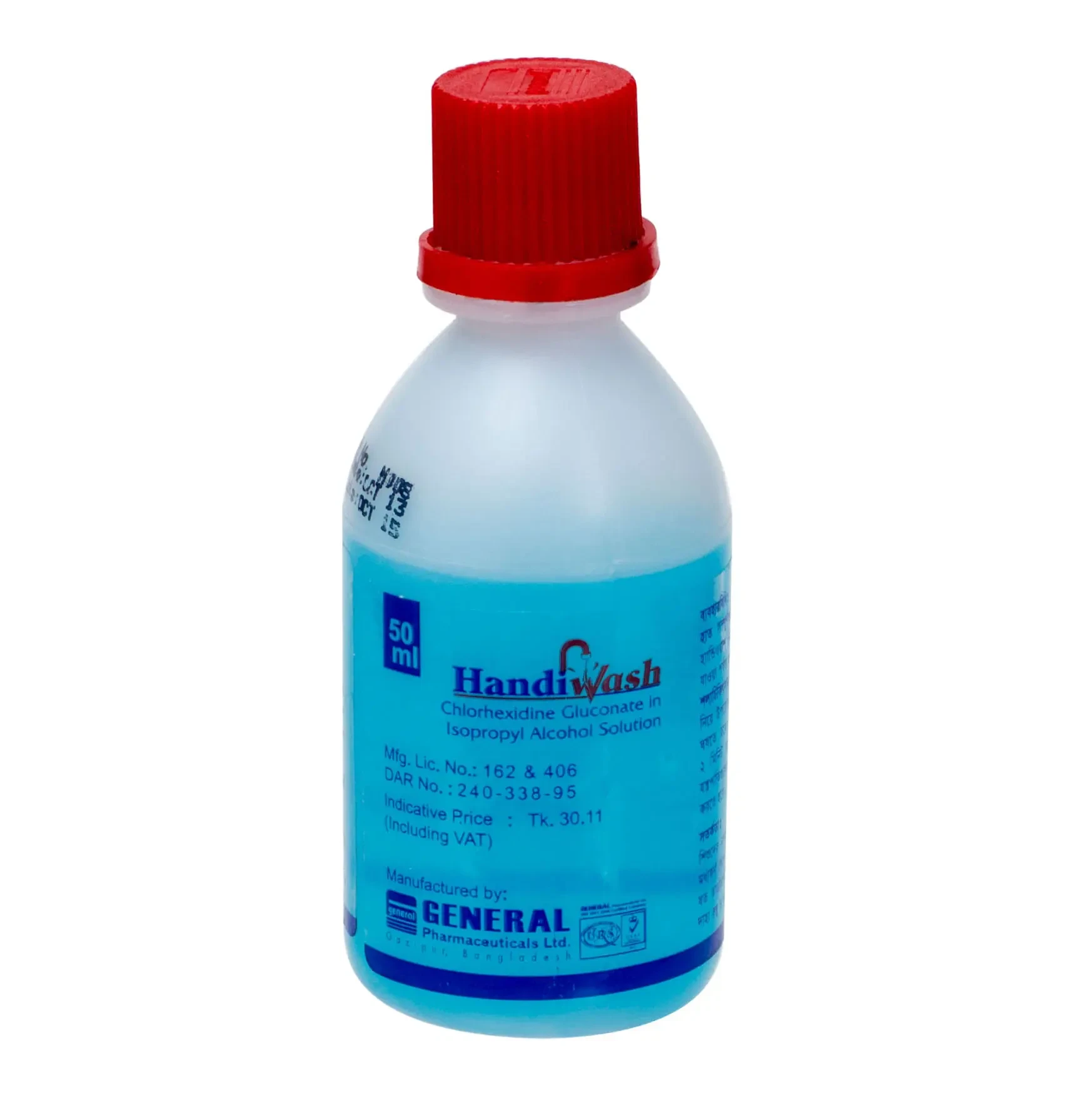
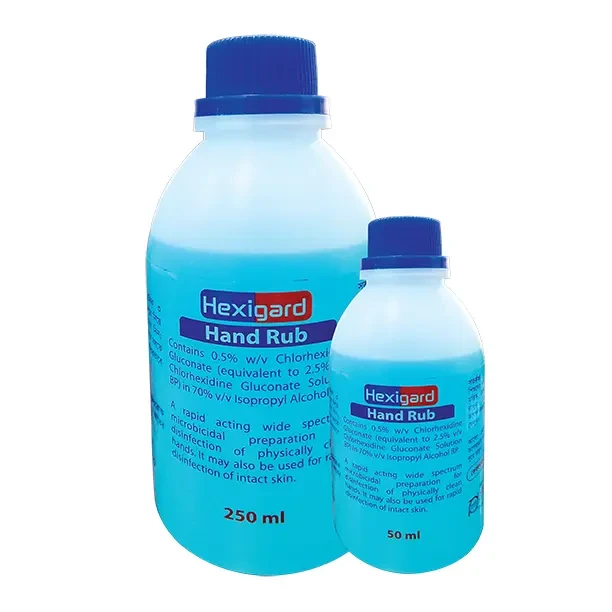
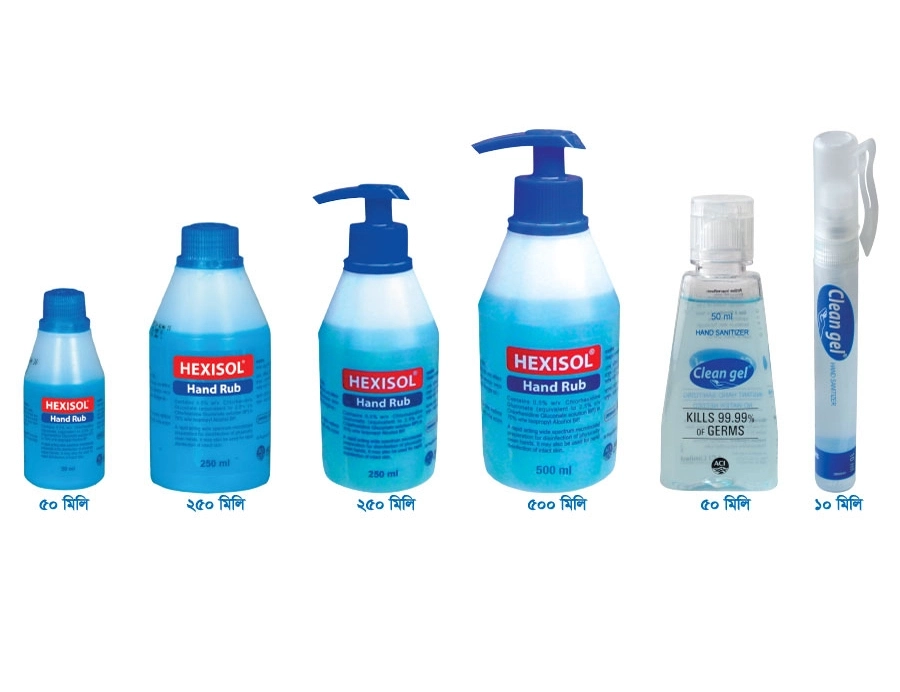
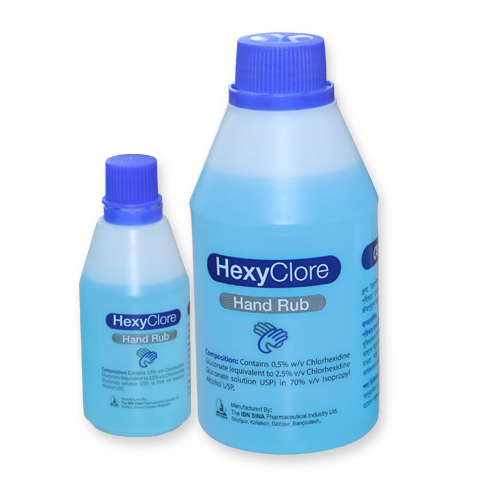
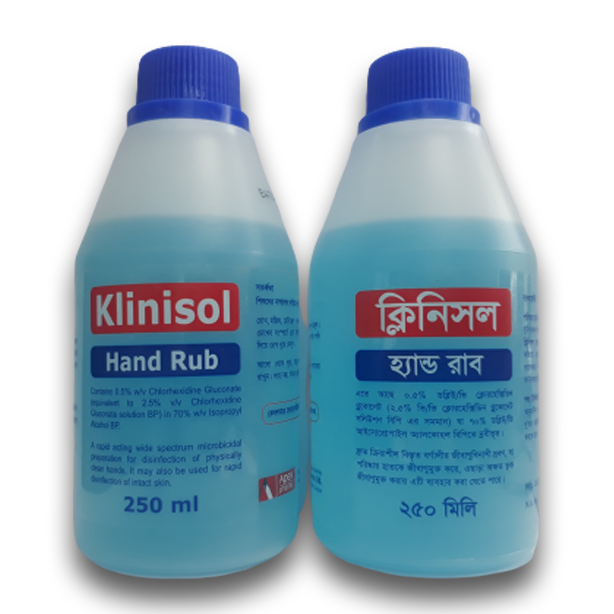
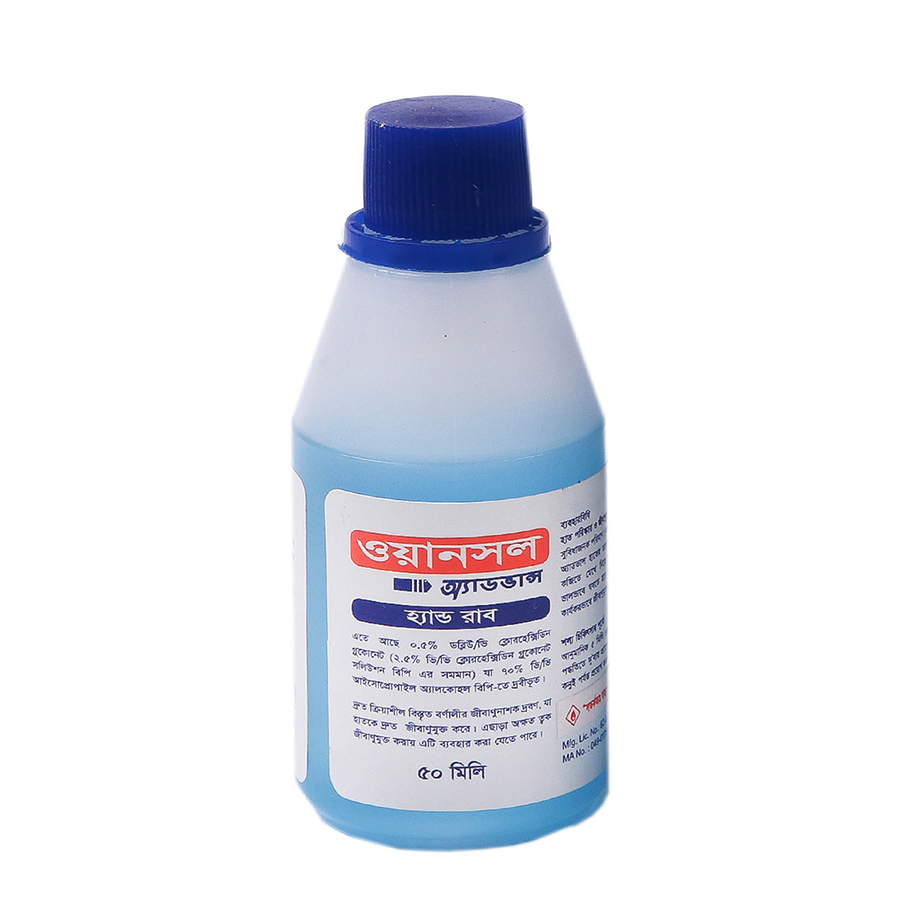
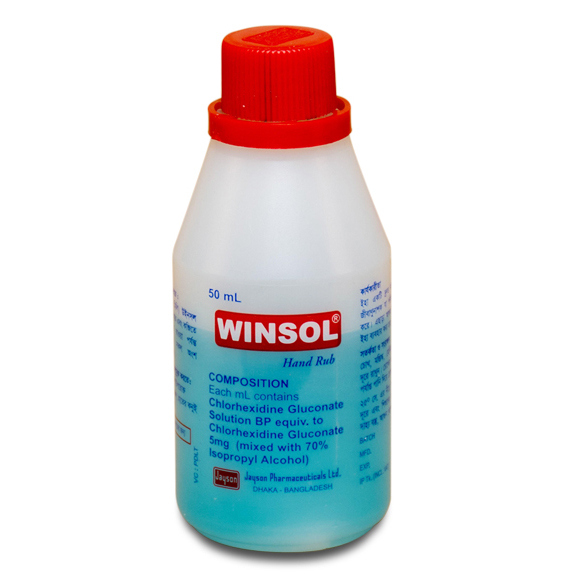
Chlorhexidine gluconate and isopropyl alcohol are combined in topical antiseptic solutions used for disinfection and infection control. Chlorhexidine gluconate is an antimicrobial agent effective against a wide range of bacteria, while isopropyl alcohol is a solvent and disinfectant with potent antimicrobial properties.
Uses
This combination is used for:
- Preoperative skin antisepsis to reduce the risk of infection during surgical procedures.
- Hand hygiene in healthcare settings to prevent the spread of pathogens.
- Disinfection of skin and surfaces in medical environments.
- Preparation of the skin before injections or minor surgical procedures.
Mechanism of Action
Chlorhexidine gluconate works by disrupting the cell membrane of bacteria, leading to their death. It has broad-spectrum antimicrobial activity. Isopropyl alcohol acts by denaturing proteins and dissolving lipids, which disrupts the cell membrane and leads to bacterial cell death. The combination enhances overall antimicrobial effectiveness.
How Long Does It Take to Work?
The antimicrobial effects of this combination are typically observed within seconds to minutes after application. Chlorhexidine gluconate provides a persistent antimicrobial effect, while isopropyl alcohol acts quickly to reduce microbial load.
Absorption
When used topically, chlorhexidine gluconate and isopropyl alcohol are minimally absorbed into the systemic circulation. Chlorhexidine is poorly absorbed through intact skin, while isopropyl alcohol may be absorbed in small amounts but is generally not significant with topical use.
Route of Elimination
Chlorhexidine gluconate is primarily eliminated through feces with minimal systemic absorption. Isopropyl alcohol is metabolized in the liver and excreted mainly through the urine. Minimal systemic exposure is expected when used topically.
Dosage
To disinfect clean hand; contaminated materials: Take essential amount (Almost 3 ml) on hand and scrub both hands' full surface area until it is dried.To disinfect surgical instruments: Take essential amount (Almost 5 ml) in a clean pot and immerse instruments in it for 2 minutes.
To disinfect skin prior to surgery or other invasive procedures: Take essential amount (Almost 3 ml) with cotton and scrub it on the skin until it is dried.
To disinfect wound/wound dressing: Take essential amount (Almost 3 ml) with cotton and scrub it on the wound until it is dried.
The dosage and concentration vary based on the specific product and its intended use. Common concentrations are:
- Chlorhexidine gluconate: 0.5% to 4% solutions
- Isopropyl alcohol: 70% solutions
Administration
Apply the solution topically to the skin or surface as directed. For preoperative skin antisepsis, apply to the area to be disinfected and allow it to dry before proceeding with the procedure. For hand hygiene, rub the solution onto hands until dry.
Side Effects
Common side effects may include:
- Skin irritation or redness
- Dryness or peeling of the skin
- Allergic reactions (e.g., rash, swelling)
- Severe skin reactions
Toxicity
Topical use generally does not result in significant toxicity. Ingestion or excessive exposure may lead to systemic effects such as gastrointestinal upset or central nervous system symptoms. Immediate medical attention is required in cases of ingestion or severe reactions.
Precautions
Precautions include:
- Avoid contact with the eyes, ears, and mucous membranes.
- Do not use on open wounds or broken skin without medical supervision.
- Discontinue use if irritation or allergic reactions occur.
Interaction
Interactions are generally minimal with other topical agents. Avoid using with other antiseptics or disinfectants without consulting a healthcare provider to prevent potential adverse effects or reduced efficacy.
Disease Interaction
Use with caution in individuals with:
- Known hypersensitivity to chlorhexidine or isopropyl alcohol
- Skin conditions that may be aggravated by topical antiseptics
Drug Interaction
Interactions with other drugs are minimal when used topically. However, ensure that any additional medications applied to the skin do not interfere with the antiseptic properties of the solution.
Food Interactions
There are no known food interactions with topical use of chlorhexidine gluconate and isopropyl alcohol.
Pregnancy Use
Topical use of chlorhexidine gluconate and isopropyl alcohol is generally considered safe during pregnancy. However, avoid extensive use and consult a healthcare provider for advice on specific situations or concerns.
Lactation Use
Topical use is generally safe during lactation, but avoid applying the solution to areas close to the breast or nipples. Consult a healthcare provider for advice if there are concerns about exposure to the infant.
Acute Overdose
Acute overdose from topical application is unlikely but may cause severe irritation or systemic effects if ingested or applied excessively. Seek immediate medical attention in cases of ingestion or severe adverse reactions.
Contraindication
Contraindications include:
- Hypersensitivity to chlorhexidine gluconate or isopropyl alcohol
- Use on large areas of damaged or broken skin without medical supervision
Use Direction
Follow the specific instructions provided with the product for application. Ensure proper coverage of the intended area and allow the solution to dry before contact or further use. Consult a healthcare provider for any deviations from the recommended usage.
Storage Conditions
Store the solution at room temperature, between 15°C and 30°C (59°F and 86°F). Keep in a dry place away from direct sunlight and moisture. Ensure the product is kept out of reach of children and used within its expiration date.
Volume of Distribution
For topical applications, the volume of distribution is localized to the site of application and does not apply in the traditional sense as with systemic medications.
Half Life
Half-life is not typically measured for topical agents. For systemic absorption, chlorhexidine has a plasma half-life of approximately 2-5 hours, while isopropyl alcohol has a half-life of approximately 2-3 hours.
Clearance
Topical application results in minimal systemic clearance. For systemic absorption, chlorhexidine is primarily cleared via fecal elimination, and isopropyl alcohol is metabolized in the liver and excreted via urine.