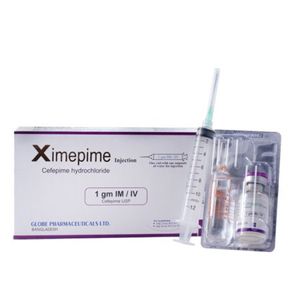
Introduction
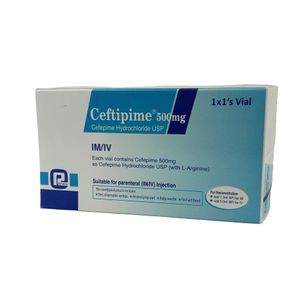
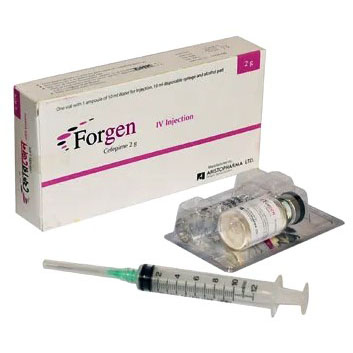
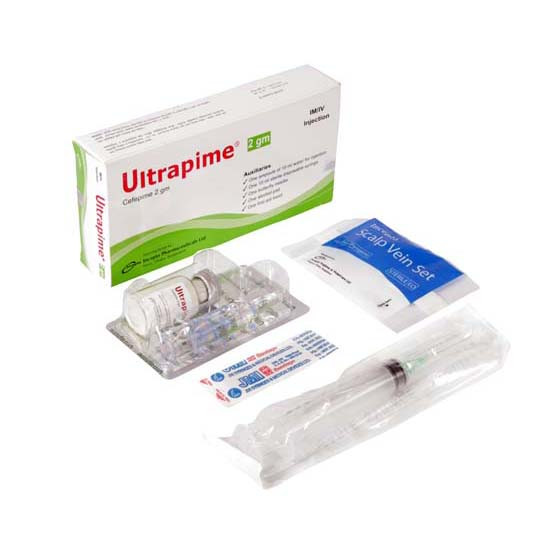
Cefepime is a fourth-generation cephalosporin antibiotic developed in 1994. Cefepime is active against Gram-positive and Gram-negative bacteria, with greater activity against both than third-generation antibiotics. Cefepime is usually reserved to treat severe nosocomial pneumonia, infections caused by multi-resistant microorganisms (e.g. Pseudomonas aeruginosa) and empirical treatment of febrile neutropenia.
Uses
Cefepime is a fourth-generation cephalosporin antibiotic used in the treatment of various bacterial infections caused by susceptible bacteria, such as pneumonia, urinary tract infections, and skin infections.
For the treatment of pneumonia (moderate to severe) caused by Streptococcus pneumoniae, including cases associated with concurrent bacteremia, Pseudomonas aeruginosa, Klebsiella pneumoniae, or Enterobacter species. Also for empiric treatment of febrile neutropenic patients and uncomplicated and complicated urinary tract infections (including pyelonephritis) caused by Escherichia coli or Klebsiella pneumoniae, when the infection is severe, or caused by Escherichia coli, Klebsiella pneumoniae, or Proteus mirabilis, when the infection is mild to moderate, including cases associated with concurrent bacteremia with these microorganisms. Also for the treatment of uncomplicated skin and skin structure infections caused by Staphylococcus aureus (methicillin-susceptible strains only) or Streptococcus pyogenes and complicated intra-abdominal infections (used in combination with metronidazole) caused by Escherichia coli, viridans group streptococci, Pseudomonas aeruginosa, Klebsiella pneumoniae, Enterobacter species, or Bacteroides fragilis.
Associated Conditions
Pharmacodynamics
Cefepime is a fourth-generation cephalosporin antibiotic developed in 1994. Cefepime is active against Gram-positive and Gram-negative bacteria, with greater activity against both than third-generation antibiotics. Cefepime has good activity against important pathogens including Pseudomonas aeruginosa, Staphylococcus aureus, Enterobacteriaceae, and multiple drug resistant Streptococcus pneumoniae. Whereas other cephalosporins are degraded by many plasmid- and chromosome-mediated beta-lactamases, cefepime is stable and is a front line agent when infection with Enterobacteriaceae is known or suspected
Mechanism of Action
Cephalosporins are bactericidal and have the same mode of action as other beta-lactam antibiotics (such as penicillins). Cephalosporins disrupt the synthesis of the peptidoglycan layer of bacterial cell walls. The peptidoglycan layer is important for cell wall structural integrity, especially in Gram-positive organisms. The final transpeptidation step in the synthesis of the peptidoglycan is facilitated by transpeptidases known as penicillin binding proteins (PBPs).
Absorption
The absolute bioavailability of cefepime after an IM dose of 50 mg/kg was 82.3 (±15)% in eight patients.
Volume of Distribution
- 18.0 ±2.0 L
- 0.3 ±0.1 L/kg [Pediatric]
Protein Binding
The serum protein binding of cefepime is approximately 20% and is independent of its concentration in serum.
Route of Elimination
Elimination of cefepime is principally via renal excretion with an average (±SD) half-life of 2 (±0.3) hours and total body clearance of 120 (±8) mL/min in healthy volunteers. Cefepime is excreted in human milk.
Half Life
2.0 (± 0.3) hours in normal patients. The average half-life in patients requiring hemodialysis was 13.5 (± 2.7) hours and in patients requiring continuous peritoneal dialysis was 19.0 (± 2.0) hours.
Clearance
- 120 mL/min [Healthy adult male receiving a single 30-minute IV infusions of cefepime]
- 3.3 +/-1.0 mL/min/kg [Petriatic patients (2 months – 11 years of age) receiving a single IV dose]
Toxicity
Symptoms of overdose include seizures, encephalopathy, and neuromuscular excitability.
Food Interactions
No interactions found.