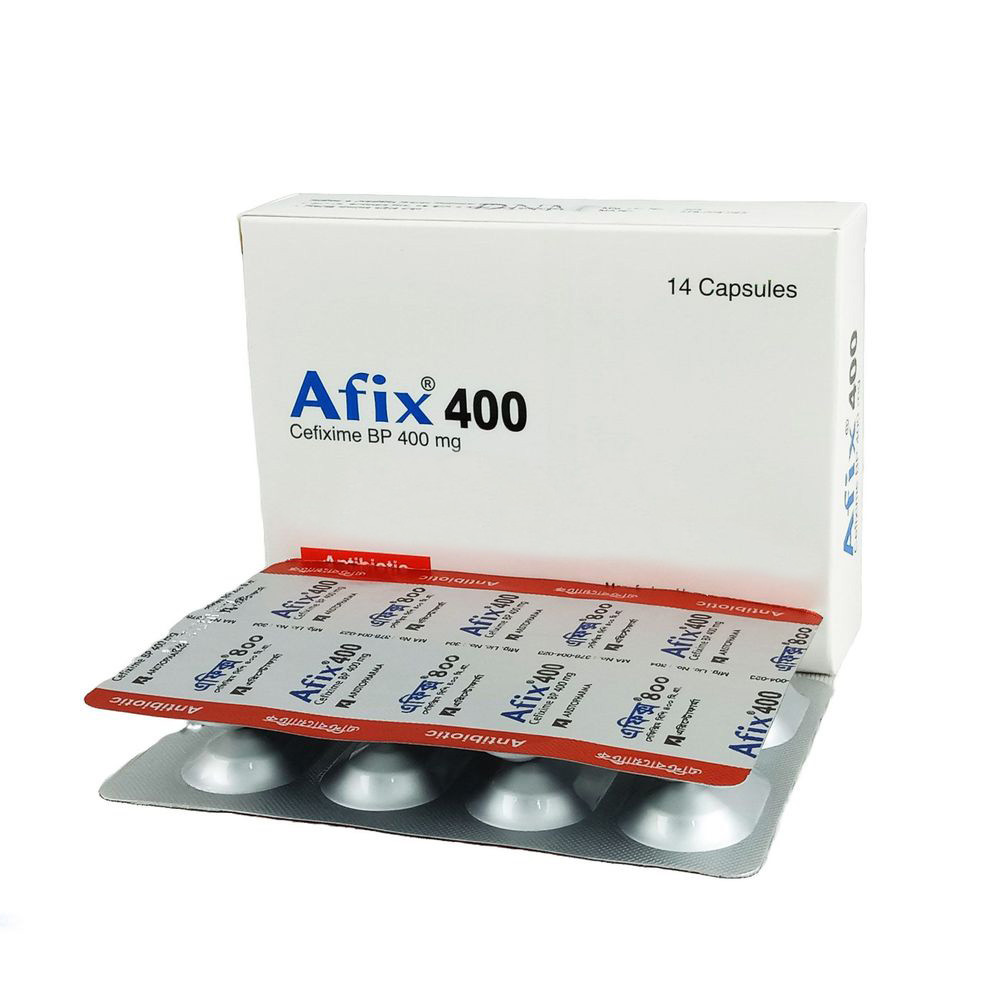
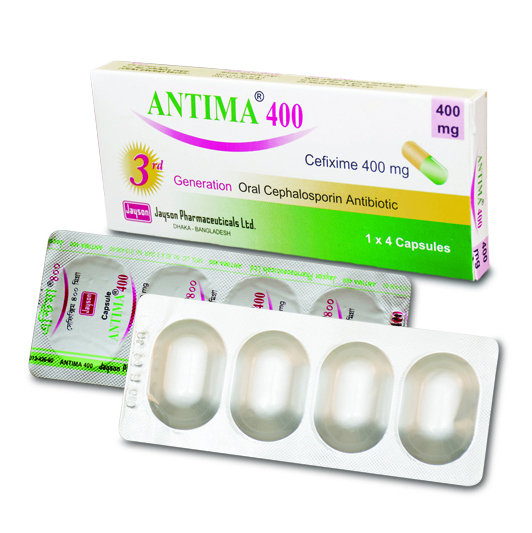
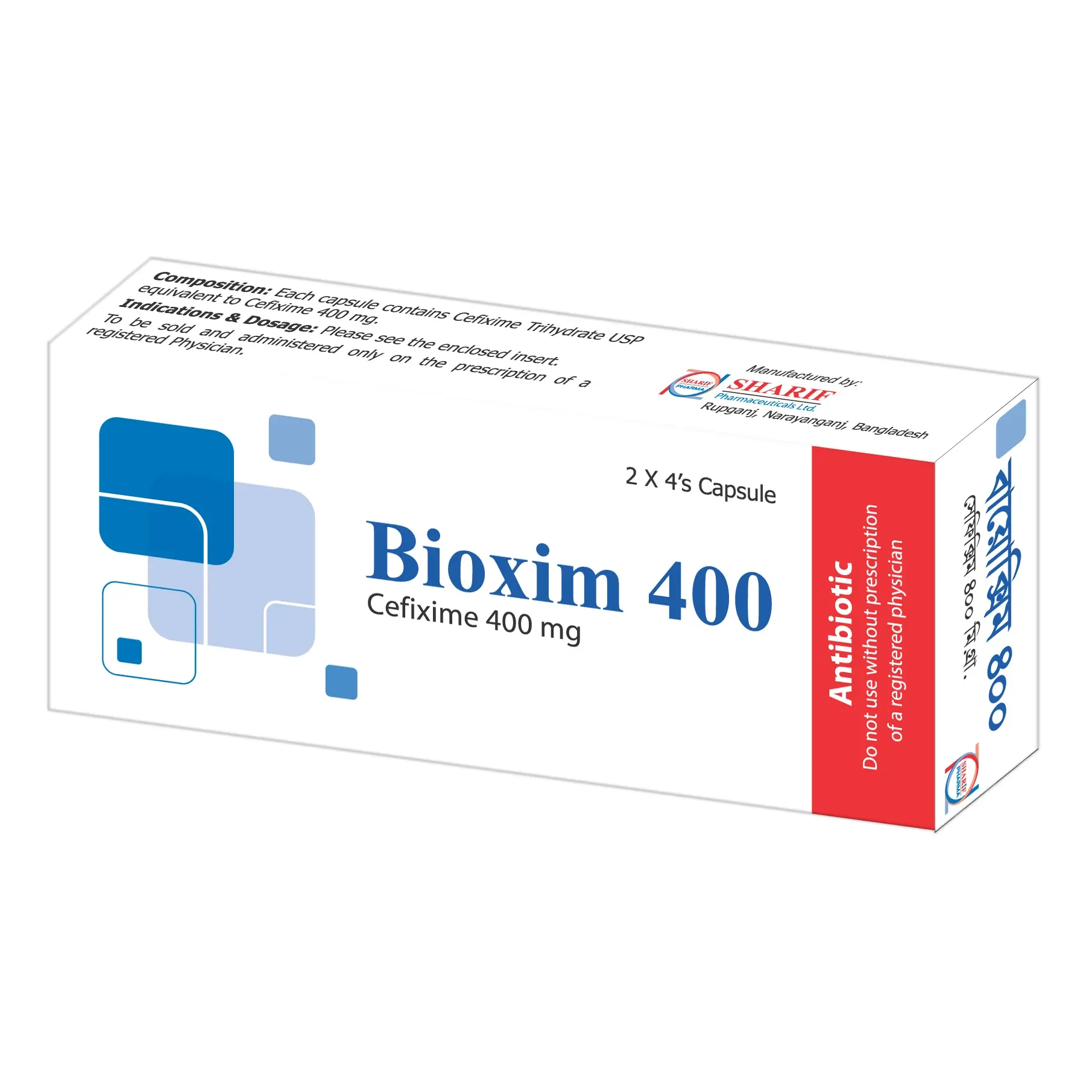
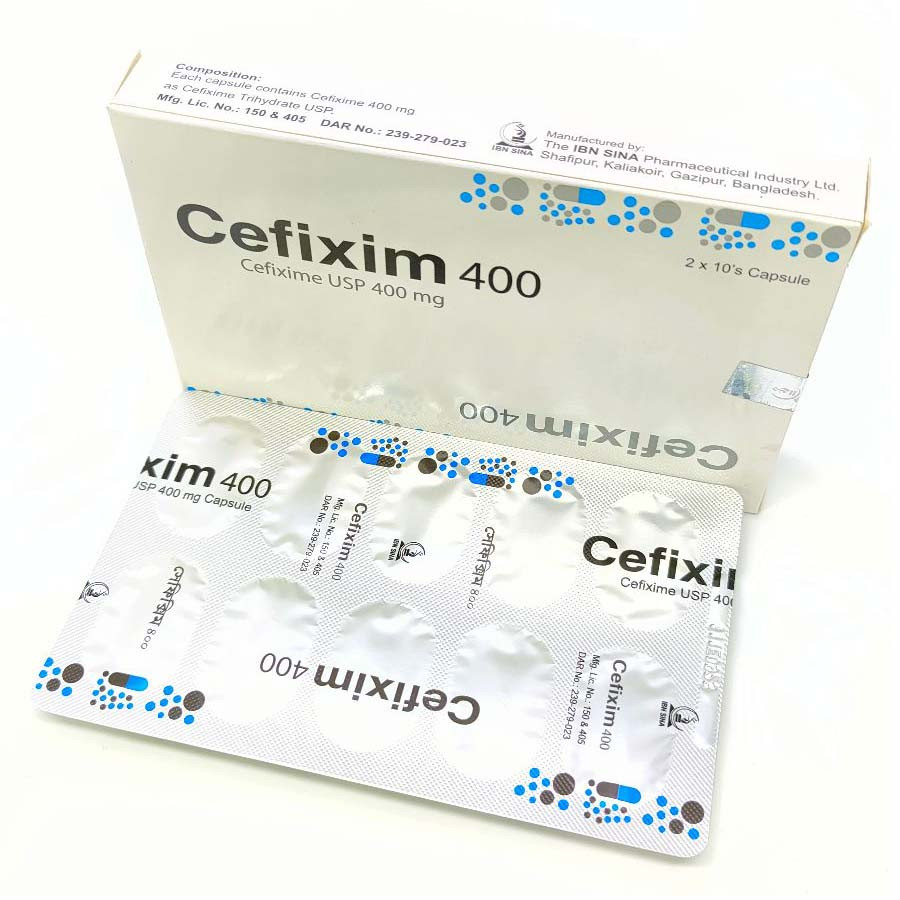
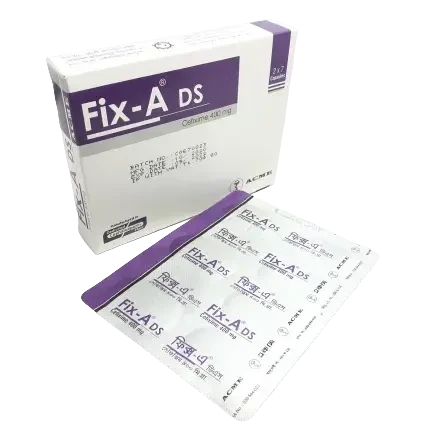
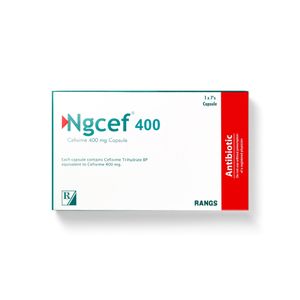
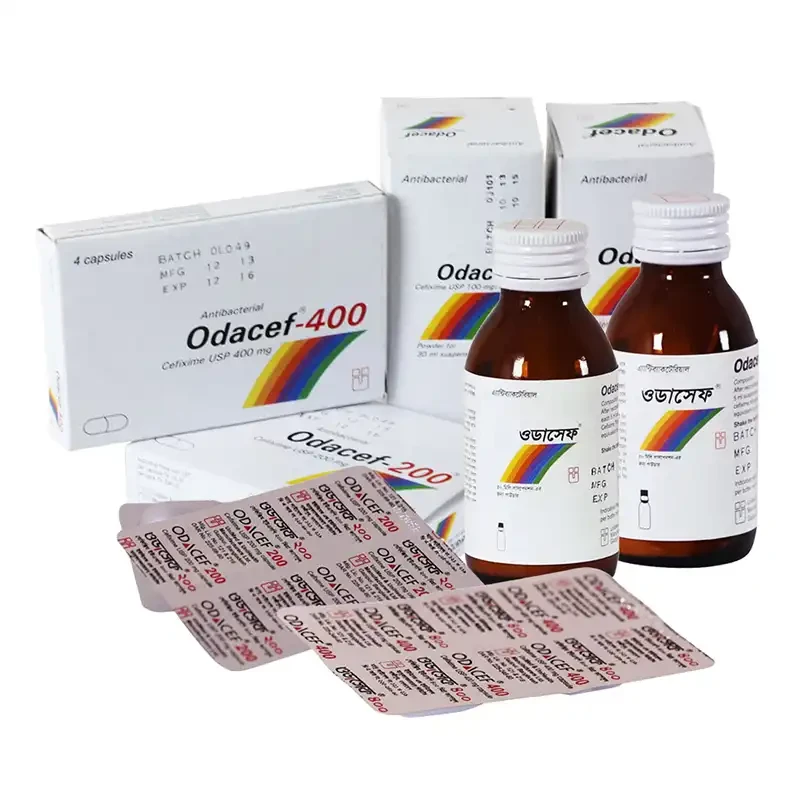
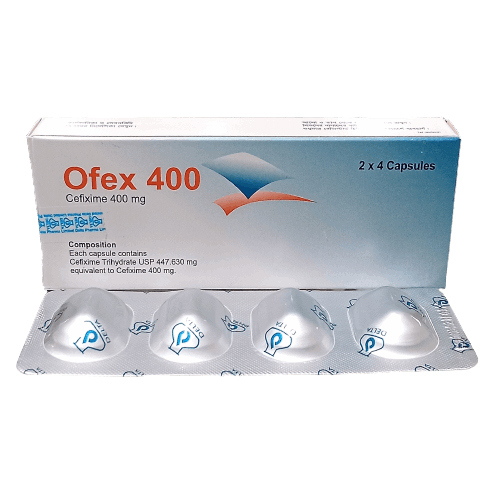
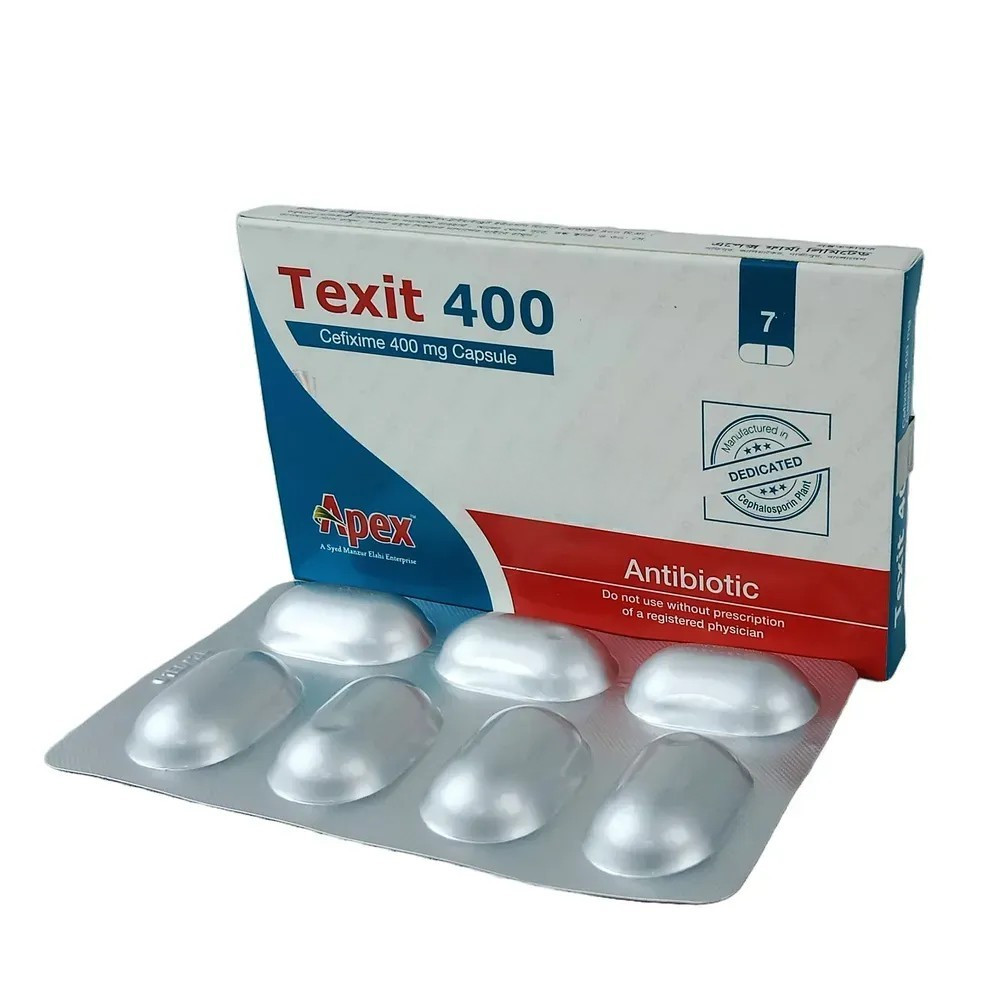
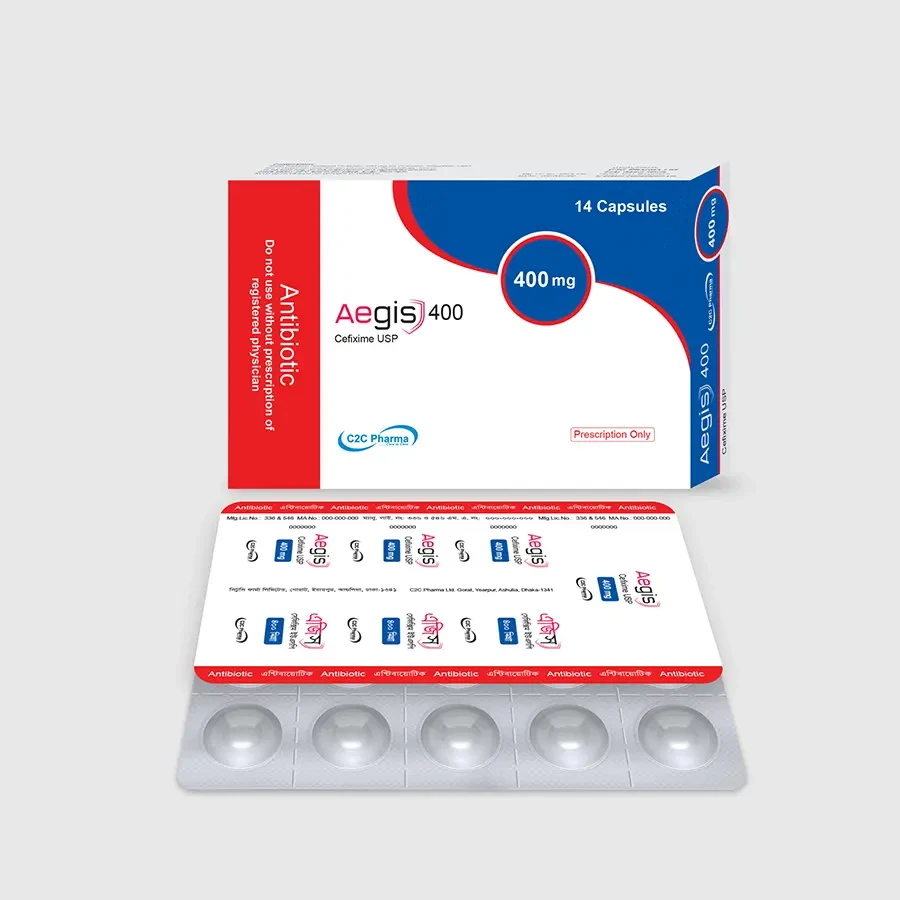
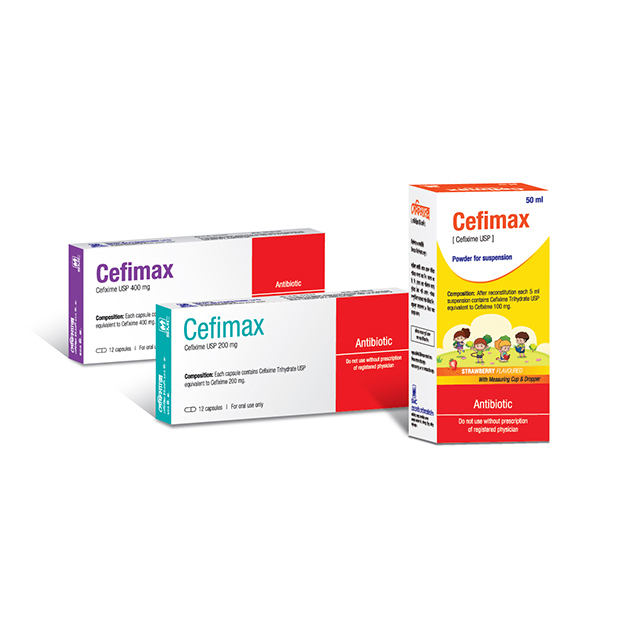
1. What is Cebex Capsule 400 mg?
Cebex Capsule 400 mg is a third-generation cephalosporin antibiotic used to treat various bacterial infections by inhibiting bacterial cell wall synthesis.
2. What conditions does Cefixime treat?
It is used to treat:
- Urinary tract infections (UTIs)
- Respiratory tract infections (e.g., bronchitis, pneumonia)
- Ear infections (otitis media)
- Throat infections (e.g., tonsillitis, pharyngitis)
- Gonorrhea
3. How does Cefixime work?
It disrupts the formation of bacterial cell walls, causing bacteria to rupture and die.
4. Is Cebex Capsule 400 mg the same as Cefadroxil?
No, Cefixime is a third-generation cephalosporin with a broader spectrum, while Cefadroxil is a first-generation cephalosporin.
5. Is Cefixime safe for everyone?
No, it’s unsafe for those allergic to cephalosporins or penicillins, or with severe kidney issues unless dose-adjusted.
6. How long does it take for Cefixime to work?
Symptoms may improve within 1-3 days, but the full course (typically 5-14 days) must be completed.
7. How long should I take Cefixime?
Take it for the full prescribed duration (e.g., 5-10 days) to ensure the infection is fully treated and prevent resistance.
8. Can children take Cefixime?
Yes, it’s safe for children over 6 months in appropriate doses, often as a suspension, per a doctor’s prescription.
9. What is the typical dosage for adults?
For adults, it’s usually 400 mg daily, taken as a single dose or split into two 200 mg doses.
10. Can I take Cefixime every day?
Yes, it’s taken daily for the prescribed course, typically 5-14 days, depending on the infection.
11. Does food affect Cefixime?
It can be taken with or without food; food may delay absorption slightly but doesn’t reduce effectiveness.
12. Can I drink alcohol with Cefixime?
Alcohol doesn’t directly interact with Cefixime, but it may delay healing or worsen side effects like nausea.
13. What are common side effects of Cefixime?
Common side effects include:
- Diarrhea
- Nausea
- Stomach pain
- Headache
14. Are there serious side effects?
Yes, rare but serious side effects include:
- Severe allergic reactions (e.g., anaphylaxis)
- Clostridium difficile-associated diarrhea
- Seizures (very rare)
Seek medical help if these occur.
15. What is an allergic reaction to Cefixime?
Signs include rash, itching, swelling, difficulty breathing, or hives—an emergency requiring immediate care.
16. Can Cefixime cause yeast infections?
Yes, it may disrupt normal flora, potentially leading to yeast infections like thrush or vaginal candidiasis.
17. Is Cefixime addictive?
No, it’s an antibiotic and not addictive.
18. Can I buy Cefixime without a prescription?
No, it requires a prescription in most countries to ensure proper use and prevent resistance.
19. Is generic Cefixime as effective as the brand?
Yes, generic Cefixime is equally effective as brand-name versions (e.g., Suprax) when from reputable manufacturers.
20. How should I store Cefixime?
Store tablets at room temperature (15-30°C or 59-86°F); liquid suspension may require refrigeration—check the label.
21. Can I split Cefixime tablets?
Only if scored and approved by a doctor or pharmacist; avoid splitting if film-coated unless advised.
22. What happens if I overdose on Cefixime?
Overdose may cause nausea, vomiting, or seizures. Seek emergency medical help.
23. Can I take Cefixime with other antibiotics?
Not typically needed; combining antibiotics should only occur under a doctor’s guidance.
24. Does Cefixime treat viral infections?
No, it only works against bacterial infections, not viruses like colds or flu.
25. Who should not take Cefixime?
Avoid if you have:
- Allergy to cephalosporins or penicillins
- Severe kidney disease (unless dose-adjusted)
26. Can Cefixime treat sinus infections?
Yes, if caused by susceptible bacteria, though it’s not always the first choice.
27. Is Cefixime safe for older adults?
Yes, but kidney function should be monitored, and doses may need adjustment.
28. Can I take Cefixime with pain relievers?
Yes, it’s generally safe with drugs like ibuprofen or acetaminophen unless otherwise advised.
29. Does Cefixime affect birth control?
It may reduce the effectiveness of hormonal birth control (e.g., pills); use backup contraception.
30. Can I take Cefixime if I have diabetes?
Yes, it’s safe for diabetics, but watch for side effects like diarrhea that could affect blood sugar.
31. How does Cefixime compare to Amoxicillin?
Cefixime has a broader spectrum as a third-generation cephalosporin, while Amoxicillin (a penicillin) is narrower but often used for similar infections.
32. Can Cefixime cause kidney problems?
Rarely, but it’s excreted by the kidneys, so dose adjustments are needed for those with kidney issues.
33. How was Cefixime developed?
It was developed in the 1980s as an oral third-generation cephalosporin to treat resistant bacterial infections.
34. Is Cefixime FDA-approved?
Yes, it was approved by the FDA in 1989 under the brand name Suprax for bacterial infections.
35. What’s the difference between Cefixime and Cebex Capsule 400 mg?
Cebex Capsule 400 mg is the hydrated form used in most formulations; they’re essentially the same active drug.
36. Can Cefixime be used for dental infections?
Yes, if the infection is bacterial and susceptible, though other antibiotics may be preferred.
37. Does Cefixime expire?
Yes, check the expiration date; expired antibiotics may lose potency or safety.
38. Can I take Cefixime with antacids?
Antacids may slightly reduce absorption; take them 1-2 hours apart if possible.
39. Does Cefixime affect sleep?
Not directly, though side effects like stomach upset might disrupt sleep.
40. Can Cefixime be taken long-term?
It’s typically a short-term treatment (5-14 days); long-term use is rare and requires oversight.
41. What’s the maximum dose of Cefixime?
For adults, the maximum is usually 400 mg per day; higher doses are not recommended.
42. Can Cefixime cause allergic reactions?
Yes, though rare, it may cause rash, itching, or severe reactions like anaphylaxis.
43. Is Cefixime safe during pregnancy?
It’s Category B (generally safe), but use only if prescribed by a doctor.
44. Can I drive after taking Cefixime?
Yes, unless you experience rare side effects like dizziness or confusion.
45. Does Cefixime interact with grapefruit?
No significant interaction is known with grapefruit.
46. Can teenagers take Cefixime?
Yes, in appropriate doses based on weight and condition, as prescribed.
47. What’s the cost of Cefixime?
Generic Cefixime costs ~$1-$5 per dose, depending on region and form (tablet or suspension).
48. Can Cefixime be crushed?
Tablets can be crushed if needed, but check with a pharmacist; a suspension is available for easier use.
49. Does Cefixime work against MRSA?
No, it’s generally ineffective against methicillin-resistant Staphylococcus aureus (MRSA).