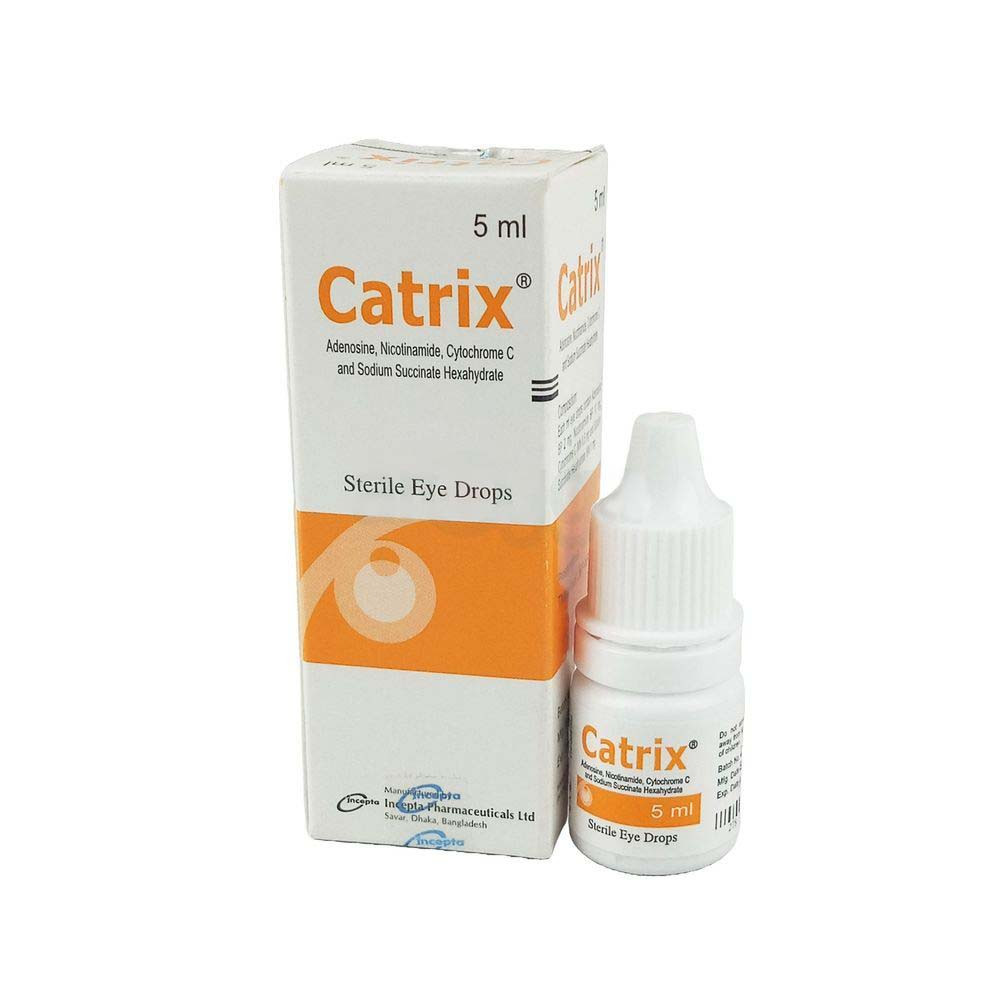
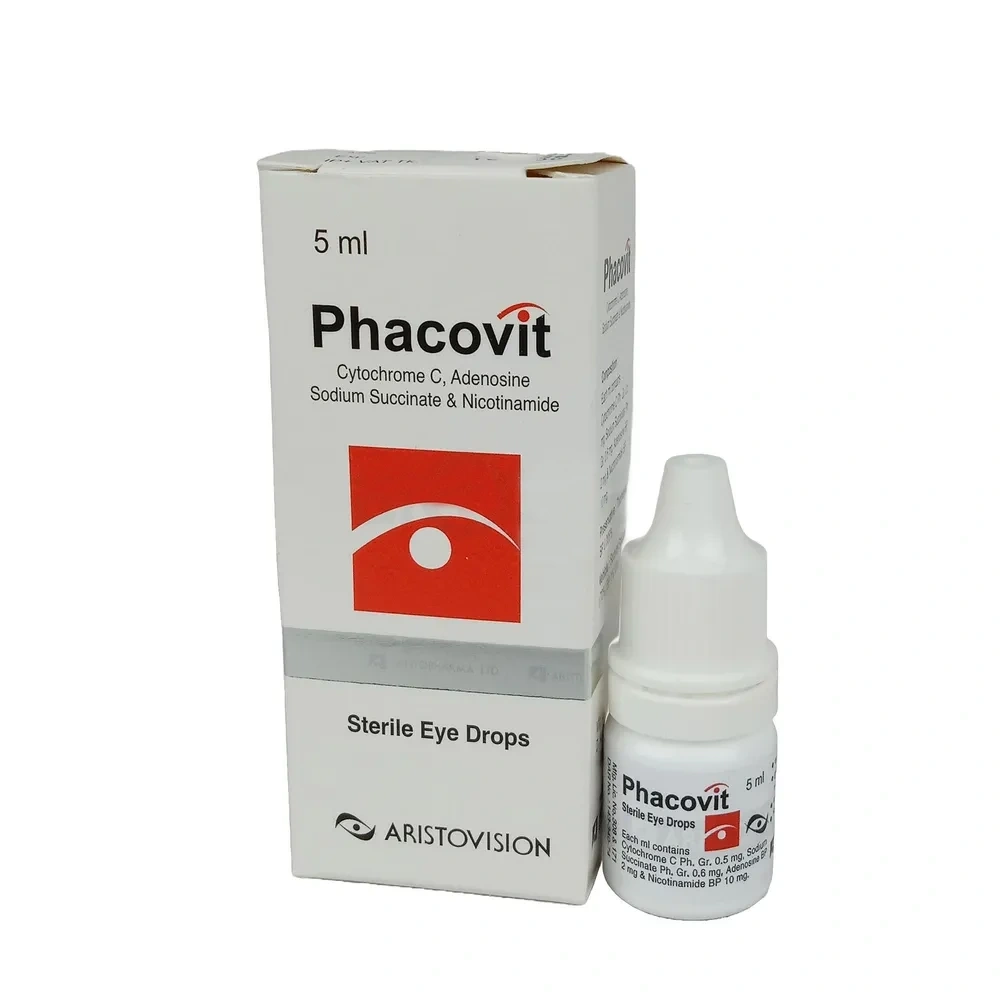
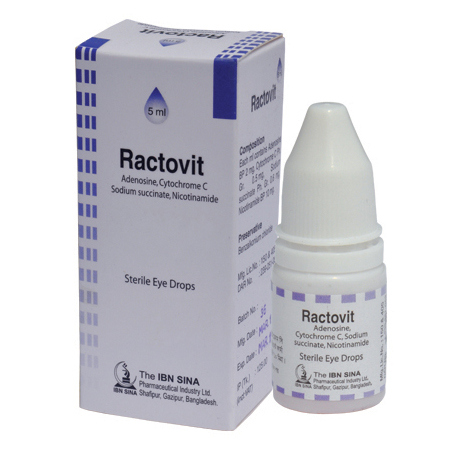
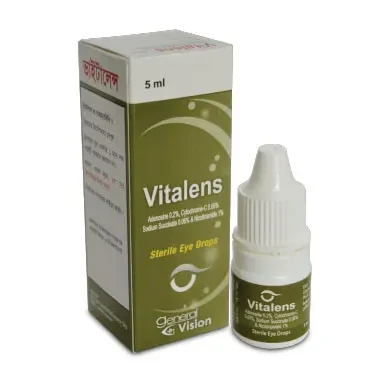
Introduction
Catavit Ophthalmic Solution (2 mg+0.5 mg +0.6 mg+10 mg)/ml (ACSN) is a combination of four substances that act as reductants and metabolic regulators. Adenosine is an adenine-containing nucleoside found in the human body; it helps metabolize energy. Cytochrome-C is an iron-containing metalloprotein found in all aerobic organisms; it transfers electrons between members of the electron transport chain. Sodium succinate is an organic compound containing sodium and succinic acid, used to aid in electron transfer. Nicotinamide is a form of niacin (vitamin B3) involved in the regulation of protein and energy metabolism.
Uses
ACSN is mainly used to treat metabolic disorders, particularly those associated with energy production, such as Huntington's Disease and mitochondrial diseases. It is also used to treat cancer, as it is thought to be able to improve the effectiveness of chemotherapy and radiation therapy. ACSN may also be used as an anti-inflammatory, and to boost the immune system.
Mechanism of Action
The mechanism of action of ACSN is related to its antioxidative and metabolic properties. The adenosine in ACSN helps metabolize energy by transferring electrons between members of the electron transport chain. Cytochrome-C helps to reduce oxidative damage, while sodium succinate is involved in electron transfer. Nicotinamide helps to regulate proteins and energy metabolism. This combination of substances helps reduce oxidative stress, improve energy metabolism, and reduce inflammation, leading to improved overall health.
How Long Does it Take to Work?
The effects of ACSN can vary depending on the disorder being treated. Generally speaking, however, it can take anywhere from days to weeks before an improvement in symptoms is seen.
Absorption
ACSN is rapidly absorbed from the gastrointestinal tract and enters the bloodstream.
Route of Elimination
The individual components of ACSN are eliminated through urine and bile.
Dosage
One drop into the affected eye twice daily.The dosage of ACSN can vary depending on the individual and the disorder being treated. Typically, adults are prescribed 1-2 tablets per day. This may be increased or decreased depending on the individual's needs.
Administration
ACSN is usually taken orally, 1-2 tablets per day with or without food.
Side Effect
The most common side effects of ACSN are nausea, vomiting, diarrhea, headache, and dizziness. Rarely, some people may experience abdominal pain, fatigue, and itching.
Toxicity
ACSN is generally well tolerated in most people, though high doses may cause increased toxicity in some patients. Some individuals may also be sensitive to the individual components of ACSN and may experience an allergic reaction.
Precautions
ACSN should not be used during pregnancy, as it may cause harm to the developing fetus. It is also important to tell your doctor if you have any underlying medical conditions or are taking any other medications, as ACSN may interact with them.
Interactions
ACSN can interact with certain medications and supplements, such as caffeine, certain antibiotics, and vitamin B6. It is important to talk to your doctor before taking any other medications while taking ACSN.
Disease Interaction
People with liver or kidney disease should not take ACSN as it may worsen their condition. In addition, people with certain heart conditions should use caution when taking ACSN.
Drug Interactions
ACSN may interact with certain drugs, such as caffeine, certain antibiotics, and vitamin B6. It is important to tell your doctor about all medications and supplements you are taking before taking ACSN.
Food Interactions
ACSN may interact with certain foods, such as grapefruit, which can increase its effectiveness.
Pregnancy Use
Women who are pregnant or attempting to become pregnant should not take ACSN, as it may be harmful to a developing fetus.
Lactation Use
It is not known whether ACSN is safe to use while breastfeeding. Therefore, women who are breastfeeding should not use ACSN until more research has been conducted.
Acute Overdose
ACSN should not be taken in large doses as it could cause severe side effects. If an overdose is suspected, medical attention should be sought immediately.
Contraindication
ACSN is not recommended for people with certain heart conditions, as it could worsen the condition. In addition, people with liver or kidney disease should not take ACSN.
Dosage Directions
ACSN should be taken orally, 1-2 tablets per day with or without food. The dosage may be increased or decreased depending on the individual's needs.
Storage Condition
ACSN should be stored at room temperature, in a cool, dry place away from direct sunlight.
Volume of Distribution
The volume of distribution of ACSN is approximately 3.6L/kg.
Half-Life
The half-life of ACSN is approximately 1.9 hours.
Clearance
The clearance of ACSN is approximately 2.6L/kg/hr.