Introduction
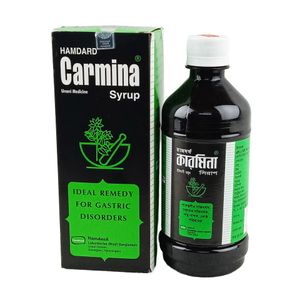
Carmina Tablets are natural remedies designed to support digestive health and address gastrointestinal issues. These preparations often contain a blend of herbs known for their soothing, anti-inflammatory, or digestive-enhancing properties. They are used in traditional medicine systems and are popular for their perceived benefits in promoting overall digestive wellness.
Uses
Carmina Tablets are commonly used for:
- Relieving symptoms of indigestion and heartburn.
- Soothing gastrointestinal inflammation and discomfort.
- Enhancing digestion and reducing bloating and gas.
- Supporting overall gut health and balance.
Mechanism of Action
The mechanisms of action for herbal gastric preparations can vary depending on the specific herbs used. Common mechanisms include:
- Anti-inflammatory Effects: Herbs like ginger and turmeric can reduce inflammation in the gastrointestinal tract.
- Digestive Stimulation: Herbs such as peppermint and fennel may stimulate digestive enzyme activity and improve motility.
- Soothing Properties: Herbs like chamomile and licorice root can soothe mucosal irritation and reduce discomfort.
How Long Does It Take to Work?
The onset of relief from herbal gastric preparations can vary. Some individuals may notice improvements within a few hours, while others might take several days of consistent use to experience significant benefits. The duration and effectiveness depend on the specific formulation and the individual's response.
Absorption
Carmina Tablets are typically consumed orally and absorbed through the gastrointestinal tract. The rate and extent of absorption depend on the individual herbs used, their form (e.g., capsules, tinctures, teas), and the individual's digestive health.
Route of Elimination
The active compounds in herbal gastric preparations are metabolized by the liver and excreted through the kidneys. The elimination route is primarily urinary, with some compounds also excreted in feces.
Dosage
Syrup-- Adults: 2 teaspoonfuls 2-3 times daily.
- Children: 1 teaspoonful 2-3 times daily or as prescribed by the physician.
- Adults: 1-2 tablet(s) 2-3 times daily
- Children: 1/2 -1 tablet 2-3 times daily or as prescribed by the physician
- Hyperacidity: 2 tablets/2 teaspoonfuls syrup before meal
- Flatulence: 2 tablets/2 teaspoonfuls syrup after meal
- Abdominal pain: 2 tablets/2 teaspoonfuls syrup with luke warm water. Repeat the dose after one hour if pain persists
- Acute indigestion: 2 tablets/2 teaspoonfuls syrup
- Chronic indigestion: 1 tablet/1-2 teaspoonful(s) syrup before and after each meal
- Loss of appetite: 1 tablet/1-2 teaspoonful(s) syrup after breakfast. 1 tablet/ 1-2 teaspoonful(s) syrup before each meal with water
- Constipation: 2 tablets/2 teaspoonfuls syrup at bed time with luke warm water
- Stomach & Liver dysfunction: 2 tablets/2 teaspoonfuls syrup immediately before meal twice daily
- Nausea and Vomiting: 1 tablet/1-2 teaspoonful(s) syrup. Tablet should be sucked slowly.
The dosage for herbal gastric preparations varies based on the specific formulation and the herbs used. Common dosage forms include:
- Teas: Typically 1-2 cups per day.
- Capsules/Tablets: Usually 1-2 capsules or tablets 2-3 times per day, as directed on the product label.
- Tinctures: Generally 10-20 drops 2-3 times per day, diluted in water or juice.
Administration
Carmina Tablets can be administered in various forms, including:
- Oral Tablets or Capsules: Swallowed with water.
- Herbal Teas: Steeped in hot water and consumed.
- Tinctures: Taken directly or diluted in a small amount of water or juice.
Side Effects
Possible side effects of herbal gastric preparations include:
- Allergic reactions, such as rash or itching.
- Gastrointestinal discomfort, such as nausea or diarrhea.
- Interactions with medications, which can affect the absorption or efficacy of other treatments.
Toxicity
Generally, herbal gastric preparations are considered safe when used as directed. However, excessive use or misuse of certain herbs can lead to toxicity. It is important to follow recommended dosages and consult a healthcare provider if there are any concerns about potential toxicity.
Precautions
Precautions for using herbal gastric preparations include:
- Consulting with a healthcare provider before starting, especially if pregnant, breastfeeding, or taking other medications.
- Monitoring for any adverse reactions or interactions with other treatments.
- Ensuring proper dosage and adherence to product instructions.
Interaction
Carmina Tablets can interact with various medications and other herbs. Potential interactions include:
- Altered absorption or effectiveness of prescription medications.
- Synergistic or antagonistic effects with other herbal supplements.
Disease Interaction
Carmina Tablets should be used with caution in individuals with:
- Chronic gastrointestinal conditions, such as ulcers or inflammatory bowel disease.
- Existing liver or kidney disease, as these can affect the metabolism and elimination of herbal compounds.
Drug Interaction
Drug interactions may occur with herbal gastric preparations, particularly with:
- Anticoagulants or antiplatelet drugs, which may be affected by herbs like ginger or garlic.
- Medications metabolized by the liver, as certain herbs can influence liver enzyme activity.
Food Interactions
There are generally no significant food interactions with herbal gastric preparations. However, it is advisable to follow any specific dietary recommendations provided by the product manufacturer or healthcare provider.
Pregnancy Use
The use of herbal gastric preparations during pregnancy should be approached with caution. Some herbs may not be recommended due to potential risks to the fetus. Consult a healthcare provider before use to ensure safety.
Lactation Use
When breastfeeding, it is important to ensure that herbal gastric preparations do not adversely affect the infant. Consult with a healthcare provider before use to assess the safety and suitability of specific herbs.
Acute Overdose
In case of acute overdose, symptoms may include gastrointestinal upset or more severe reactions depending on the specific herbs used. Immediate medical attention should be sought if overdose symptoms occur.
Contraindication
Carmina Tablets are contraindicated in individuals with:
- Known allergies to specific herbs used in the preparation.
- Severe gastrointestinal conditions that could be exacerbated by herbal remedies.
Use Direction
Follow the dosage and administration instructions provided with the herbal gastric preparation. It is essential to use the product as directed and consult a healthcare provider if there are any questions or concerns.
Storage Conditions
Carmina Tablets should be stored in a cool, dry place, away from direct sunlight and moisture. Ensure that the product is kept out of reach of children and properly sealed to maintain its effectiveness.
Volume of Distribution
The volume of distribution for herbal gastric preparations is generally not specified, as it varies based on the herbs used and their bioavailability. However, the effects are typically localized to the gastrointestinal tract and systemic circulation.
Half Life
The half-life of herbal gastric preparations is not well-defined and depends on the specific herbs and their active compounds. The duration of effect may vary, with some herbs having a longer-lasting impact on gastrointestinal health.
Clearance
The clearance of herbal gastric preparation components is influenced by the liver and kidneys. The rate of clearance can vary depending on the specific herbs and the individual's metabolism.