Introduction
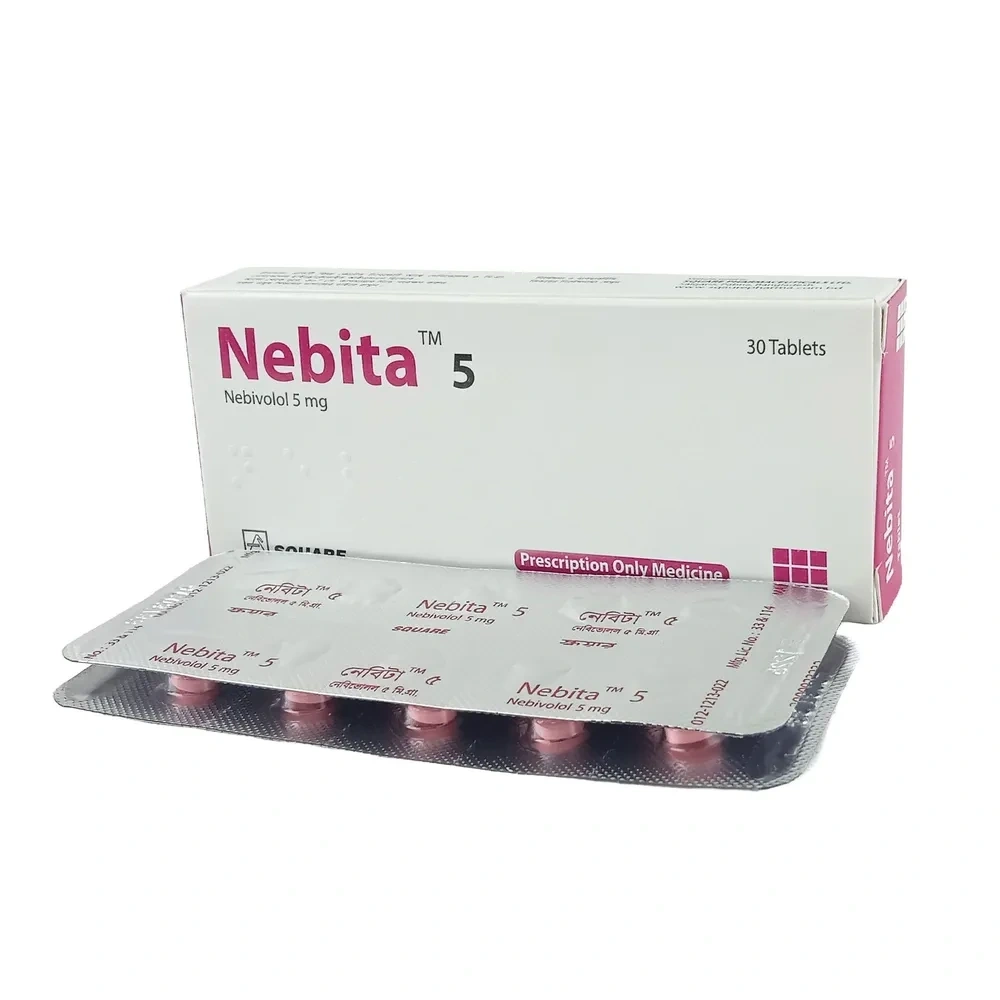
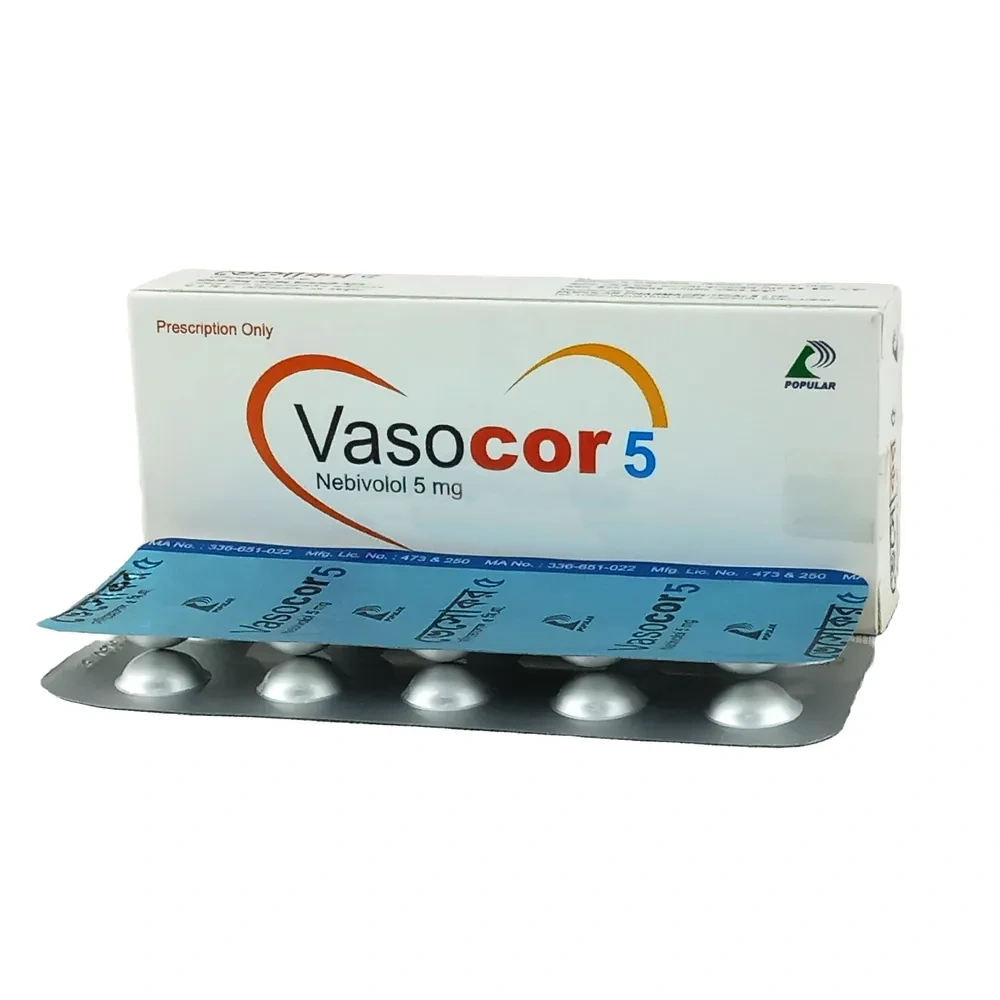
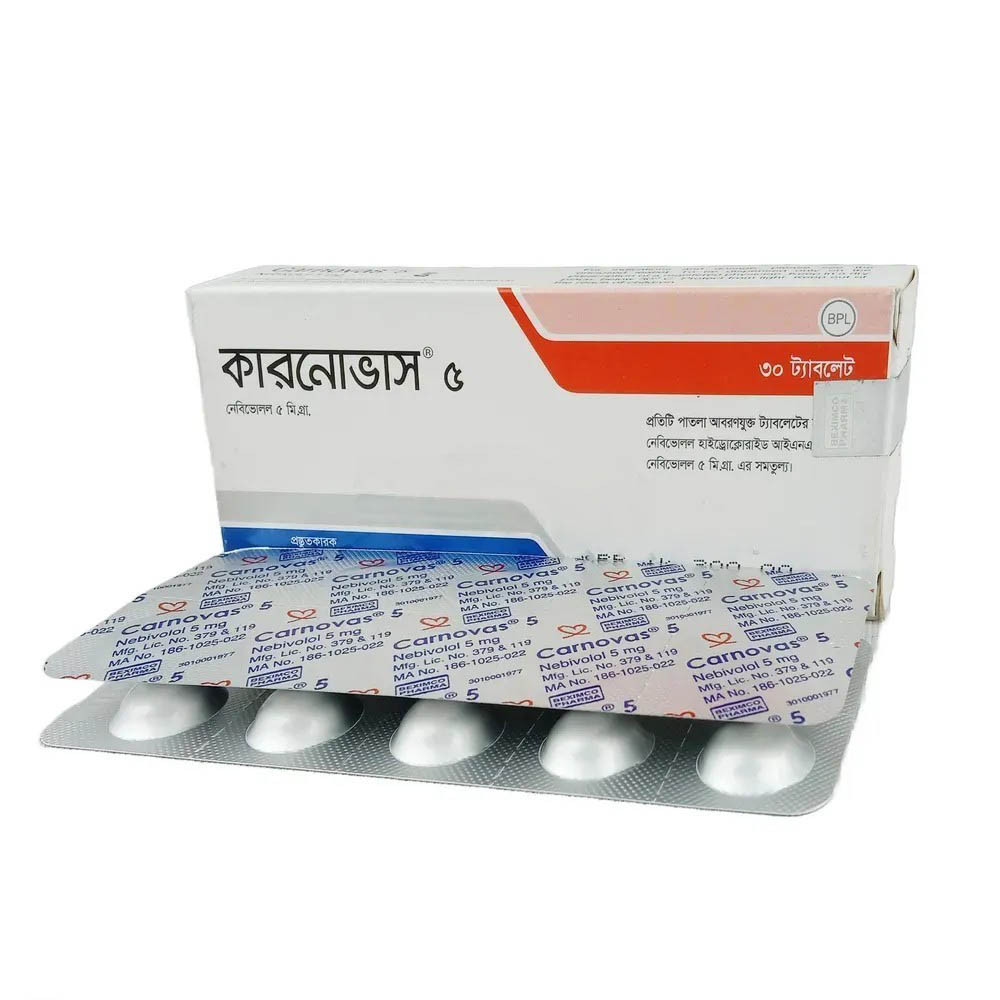
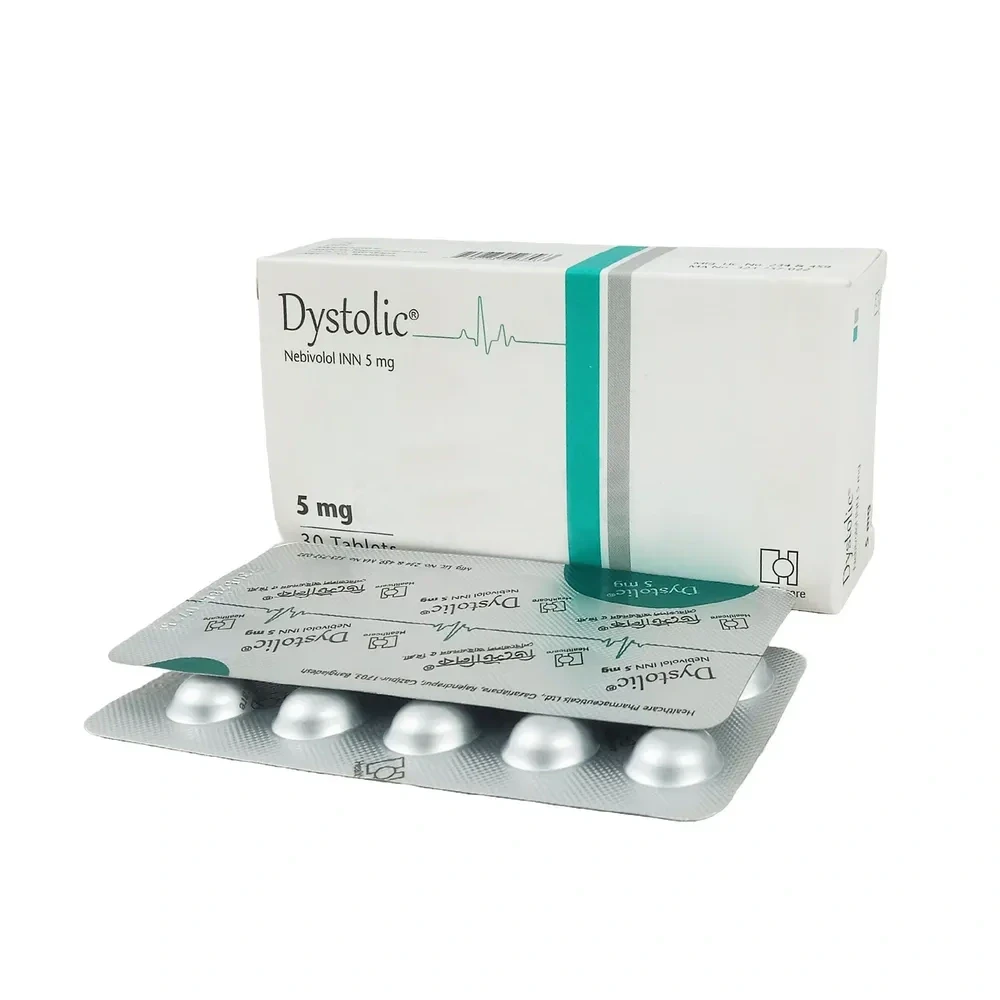
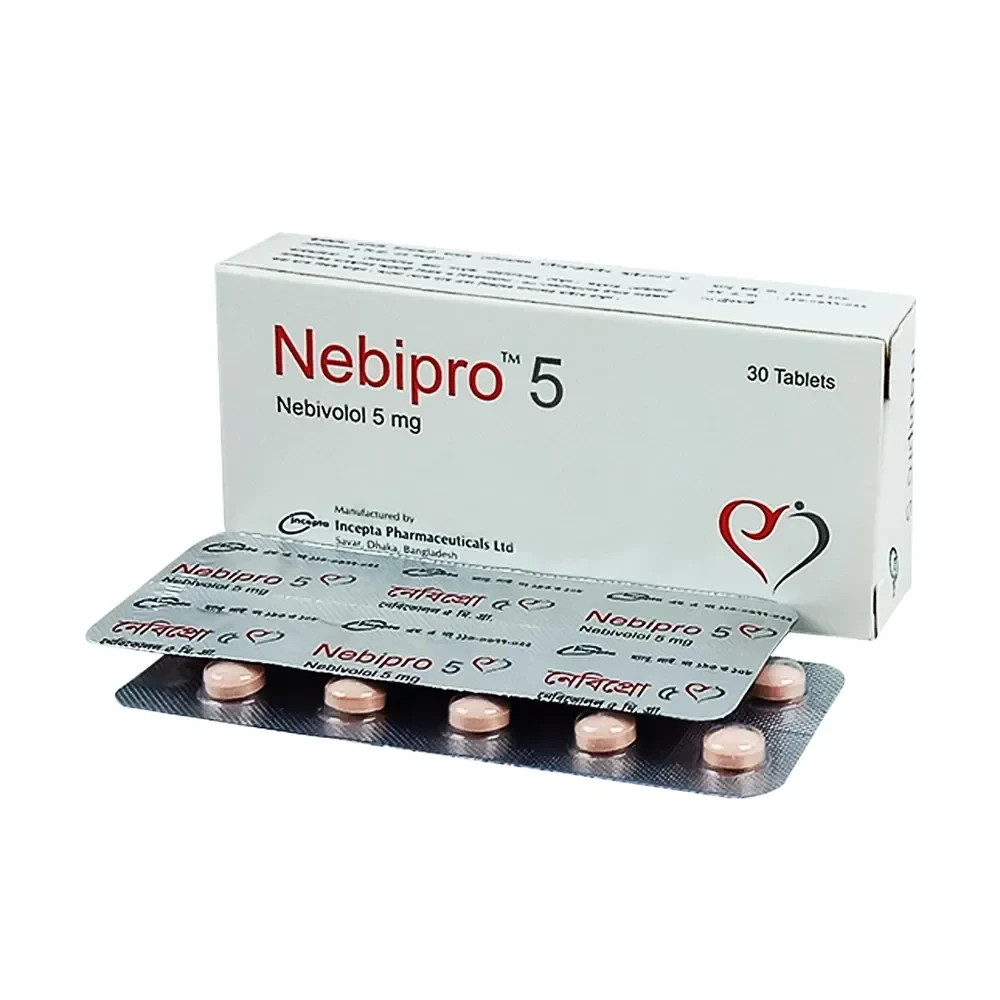
Nebivolol is a racemic mixture of 2 enantiomers where one is a beta adrenergic antagonist and the other acts as a cardiac stimulant without beta adrenergic activity. Treatment with nebivolol leads to a greater decrease in systolic and diastolic blood pressure than atenolol, propranolol, or pindolol. Nebivolol and other beta blockers are generally not first line therapies as many patients are first treated with thiazide diuretics.
Uses
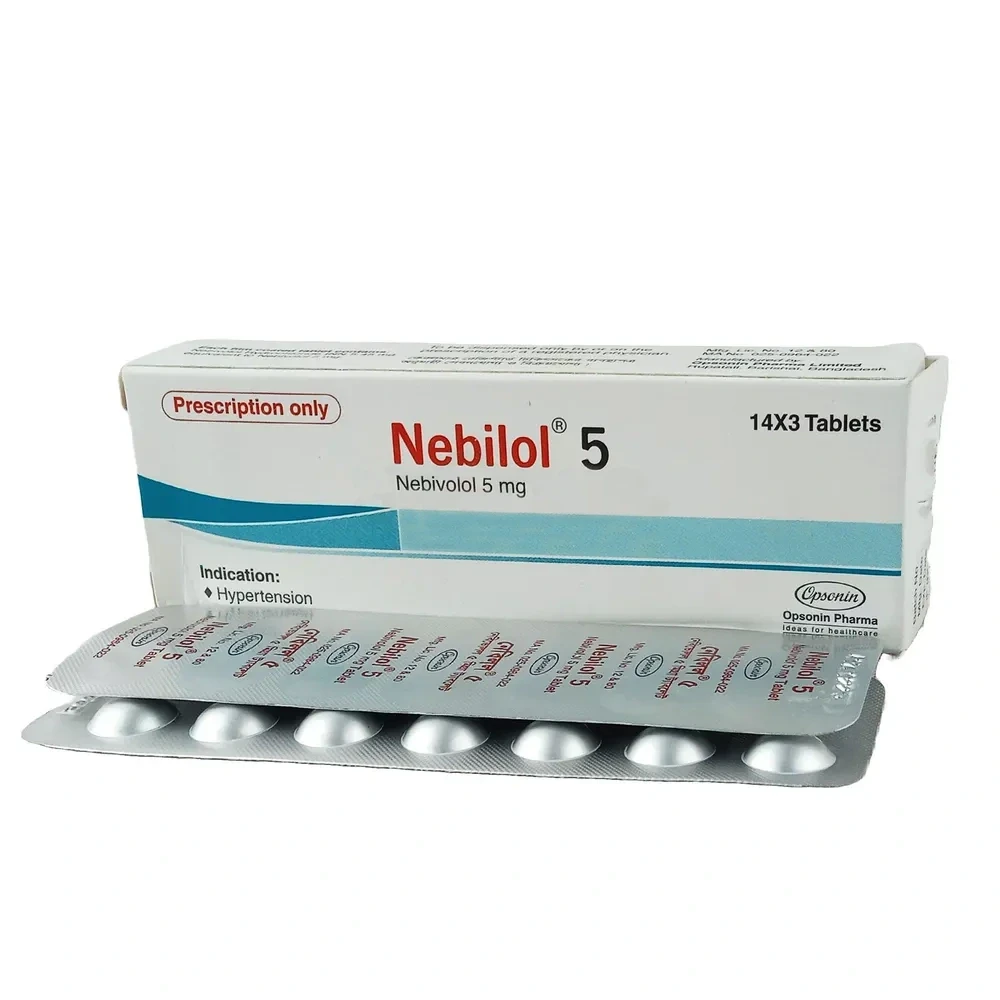
Nebivolol is a beta blocking agent used to treat hypertension and aid in the management of heart failure.
Nebivolol is indicated to treat hypertension.
Associated Conditions
Pharmacodynamics
Nebivolol is a selective beta-1 adrenergic receptor antagonist that decreases vascular resistance, increases stroke volume and cardiac output, and does not negatively affect left ventricular function. It has a long duration of action as effects can be seen 48 hours after stopping the medication and a wide therapeutic window as patients generally take 5-40mg daily. Patients should not abruptly stop taking this medication as this may lead to exacerbation of coronary artery disease. Diabetic patients should monitor their blood glucose levels as beta blockers may mask signs of hypoglycemia.
Mechanism of Action
Nebivolol is a highly selective beta-1 adrenergic receptor antagonist with weak beta-2 adrenergic receptor antagonist activity. Blocking beta-1 adrenergic receptors by d-nebivolol leads to decreased resting heart rate, exercise heart rate, myocardial contracility, systolic blood pressure, and diastolic blood pressure. The selectivity of d-nebivolol limits the magnitude of beta blocker adverse effects in the airways or relating to insulin sensitivity. Nebivolol also inhibits aldosterone, and beta-1 antagonism in the juxtaglomerular apparatus also inhibits the release of renin. Decreased aldosterone leads to decreased blood volume, and decreased renin leads to reduced vasoconstriction. l-nebivolol is responsible for beta-3 adrenergic receptor agonist activity that stimulates endothelial nitric oxide synthase, increasing nitric oxide levels; leading to vasodilation, decreased peripheral vascular resistance, increased stroke volume, ejection fraction, and cardiac output. The vasodilation, reduced oxidative stress, and reduced platelet volume and aggregation of nebivolol may lead to benefits in heart failure patients.
Absorption
The absorption of nebivolol is not affected by food. Nebivolol has a Tmax of 1.5-4 hours. Bioavailability can range from 12-96% for extensive to poor CYP2D6 metabolizers. For a 20mg dose, d-nebivolol has a Cmax of 2.75±1.55ng/mL, l-nebivolol has a Cmax of 5.29±2.06ng/mL, both enantiomers have a Cmax of 8.02±3.47ng/mL, and nebivolol glucuronides have a Cmax of 68.34±44.68ng/mL. For a 20mg dose, d-nebivolol has an AUC of 13.78±15.27ng*h/mL, l-nebivolol has an AUC of 27.72±15.32ng*h/mL, both enantiomers have an AUC of 41.50±29.76ng*h/mL, and nebivolol glucuronides have an AUC of 396.78±297.94ng*h/mL.
Volume of Distribution
For a 20mg dose, d-nebivolol has an apparent volume of distribution of 10,290.81±3911.72L, l-nebivolol has an apparent volume of distribution of 8,066.66±4,055.50L, and both enantiomers together have a volume of distribution of 10,423.42±6796.50L.
Protein Binding
Nebivolol is 98% bound to plasma proteins, mostly to serum albumin.
Route of Elimination
In extensive CYP2D6 metabolizers, 38% is eliminated in the urine and 44% in the feces. In poor CYP2D6 metabolizers, 67% is eliminated in the urine and 13% in the feces. 5
Half Life
d-nebivolol has a half life of 12 hours in CYP2D6 extensive metabolizers and 19 hours in poor metabolizers.
Clearance
For a 20mg dose, the clearance of d-nebivolol is 1241.63±749.77L/h, l-nebivolol is 435.53±180.93L/h, and both enantiomers is 635.31±300.25L/h.
Toxicity
Patients experiencing an overdose may present with bradycardia, hypotension, cardiac failure, dizziness, hypoglycemia, fatigue, vomiting, bronchospasm and heart block. Treat overdose with general supportive measures including intravenous atropine for bradycardia, vasopressors and intravenous fluids for hypotension, isoproterenol infusion for heart block, digitalis glycosides and diuretics for congestive heart failure, bronchodilators for bronchospasm, and intravenous glucose for hypoglycemia.
Food Interactions
- Avoid alcohol.
- Take with or without food.