Introduction
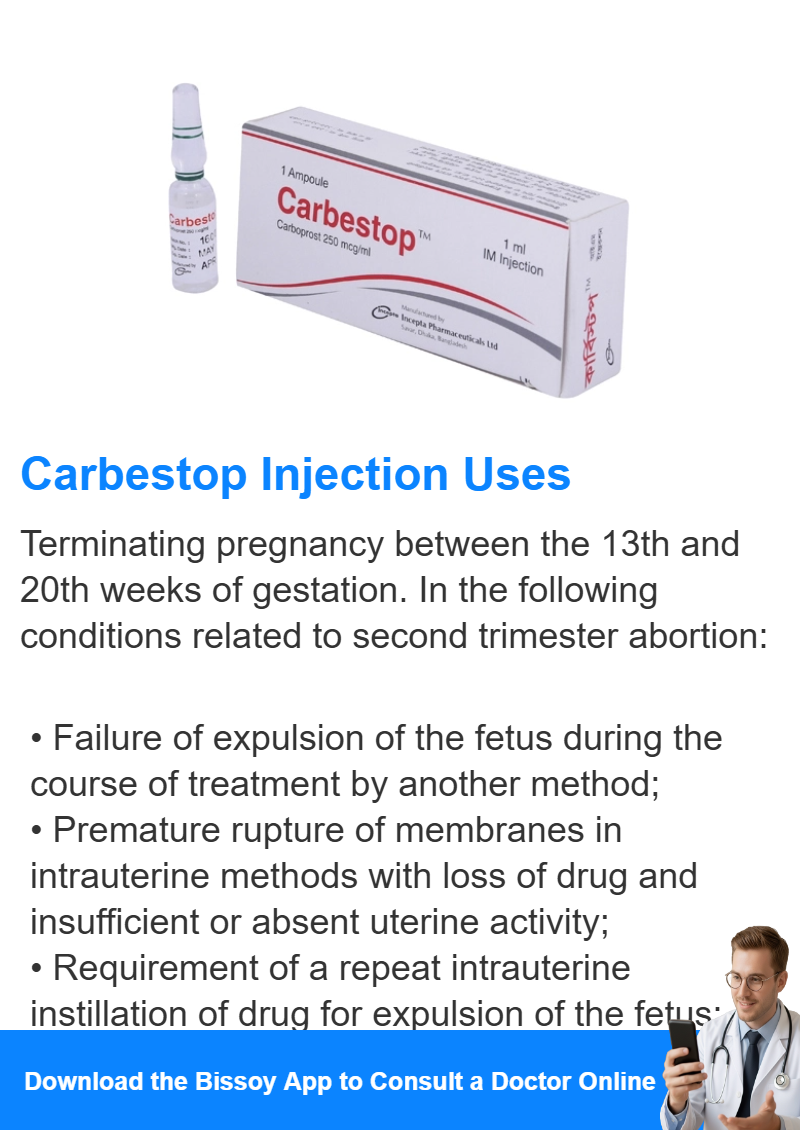
Carbestop Injection 250 mcg/ml is a synthetic prostaglandin analogue used primarily to manage postpartum hemorrhage and induce labor. It is administered by injection and acts on the uterine muscles to promote contraction and control bleeding.
Uses
Carbestop Injection 250 mcg/ml is used for:
- Management of postpartum hemorrhage due to uterine atony
- Induction of labor in cases of missed or incomplete abortion
- Treatment of severe bleeding during the third trimester of pregnancy
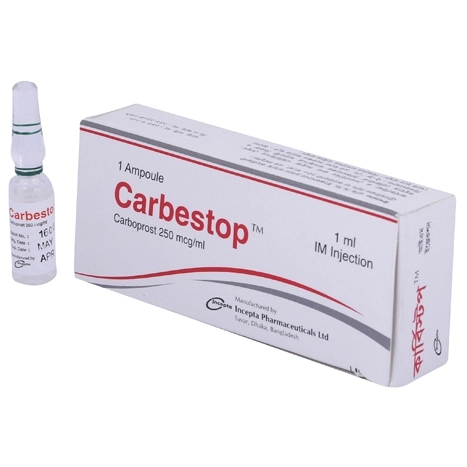
| Brand Name | Carbestop |
|---|---|
| Type | Injection |
| Weight | 250 mcg/ml |
| Generic | Carboprost Tromethamine |
| Manufacturer | Incepta Pharmaceuticals Ltd. |
| Available in | English বাংলা |
Mechanism of Action
Carbestop Injection 250 mcg/ml acts as a potent uterotonic agent. It mimics the action of prostaglandin F2α, stimulating the uterine muscles to contract, which helps in reducing postpartum bleeding by improving uterine tone and reducing blood loss.
How Long Does It Take to Work?
Carbestop Injection 250 mcg/ml typically starts to work within 15 to 30 minutes after injection. The onset of action can vary depending on the patient's condition and the route of administration.
Absorption
When administered intramuscularly, Carbestop Injection 250 mcg/ml is rapidly absorbed into the bloodstream, leading to quick onset of its therapeutic effects. The systemic absorption ensures effective delivery to the target tissues.
Route of Elimination
Carbestop Injection 250 mcg/ml is primarily metabolized in the liver. It is then excreted through the urine. The drug is broken down into inactive metabolites, which are subsequently eliminated from the body.
Dosage
Abortion: An initial dose of 1 ml of Carbestop (containing the equivalent of 250 mcg of Carboprost) is to be administered intramuscularly. Subsequent doses of 250 mcg should be administered at 1½ to 3½ hour intervals depending on uterine response. An optional test dose of 100 mcg (0.4 ml) may be administered initially. The dose may be increased to 500 micrograms (2 ml) if uterine contractility is judged to be inadequate after several doses of 250 mcg (1 ml). The total dose administered of Carbestop should not exceed 12 mg and continuous administration of the drug for more than 2 days is not recommended.For Refractory Postpartum Uterine Bleeding: An initial dose of 250 mcg of Carbestop (1 ml) is to be given deep, intramuscularly (IM). If needed the dose of 1 ml may be repeated between 15 to 90 minutes. The total dose of Carbestop should not exceed 2 mg (8 doses).
The standard dosage for Carbestop Injection 250 mcg/ml is:
- For postpartum hemorrhage: 250 micrograms (mcg) intramuscularly every 15 to 90 minutes, as needed, up to a maximum of 2 milligrams (mg)
- For labor induction: Doses and administration may vary based on clinical circumstances and are tailored to the specific needs of the patient
Administration
Carbestop Injection 250 mcg/ml is administered via intramuscular injection, typically in the upper thigh or buttocks. Proper aseptic technique should be used to avoid infection.
Side Effects
Common side effects include:
- Nausea and vomiting
- Diarrhea
- Fever
- Headache
- Chills and shivering
Toxicity
Toxicity symptoms may include excessive uterine contractions leading to uterine rupture, severe gastrointestinal disturbances, or cardiovascular issues. In case of suspected overdose or severe reaction, medical attention should be sought immediately.
Precautions
Precautions include:
- Monitoring for excessive uterine contractions and fetal distress during administration
- Ensuring that the patient does not have contraindications to prostaglandin therapy
- Monitoring for signs of gastrointestinal bleeding or other systemic reactions
Interaction
Interactions with other medications may include:
- Other uterotonics: Use with caution to avoid overstimulation of uterine contractions
- Anticoagulants: Monitoring is necessary as Carbestop Injection 250 mcg/ml may increase bleeding risk
Disease Interaction
Disease interactions may include:
- Cardiovascular conditions: Carbestop Injection 250 mcg/ml can affect blood pressure and heart rate
- Renal or hepatic impairment: Dosage adjustments may be necessary due to altered metabolism and excretion
Drug Interaction
Drug interactions may include:
- Antihypertensives: May interact with Carbestop Injection 250 mcg/ml's effects on blood pressure
- Anti-inflammatory drugs: May exacerbate gastrointestinal side effects
Food Interactions
No significant food interactions have been reported. However, patients should follow general dietary recommendations to maintain overall health.
Pregnancy Use
Carbestop Injection 250 mcg/ml is used during pregnancy, specifically in the context of labor induction and postpartum hemorrhage management. It should be administered under strict medical supervision due to its potent effects on uterine contractions.
Lactation Use
The effects of Carbestop Injection 250 mcg/ml on breastfeeding are not well-documented. It is advisable to monitor the infant for potential side effects if the drug is administered to a lactating mother.
Acute Overdose
Acute overdose symptoms may include severe uterine contractions, excessive bleeding, or cardiovascular issues. Immediate medical intervention is required, including supportive measures and monitoring of the patient’s condition.
Contraindication
Contraindications include:
- Known hypersensitivity to Carbestop Injection 250 mcg/ml or other prostaglandins
- Active pelvic inflammatory disease or infection
- Severe asthma or other conditions exacerbated by prostaglandins
Use Direction
Carbestop Injection 250 mcg/ml should be used according to the specific indications and dosing guidelines provided by the healthcare provider. Ensure accurate dosing and monitor the patient closely for any adverse effects.
Storage Conditions
Store Carbestop Injection 250 mcg/ml at room temperature, away from light and moisture. It should be kept out of reach of children and disposed of properly if expired or unused.
Volume of Distribution
The volume of distribution for Carbestop Injection 250 mcg/ml is approximately 0.2 L/kg. This reflects the extent to which the drug disperses into body tissues and fluids.
Half Life
The half-life of Carbestop Injection 250 mcg/ml is approximately 20 minutes. This short half-life contributes to its rapid onset and offset of action.
Clearance
Carbestop Injection 250 mcg/ml is primarily cleared from the body through metabolism in the liver and excretion via the urine. The clearance rate can be affected by liver function and other individual patient factors.
See in details version Carbestop Injection 250 mcg/ml also Carbestop Injection 250 mcg/ml in bangla
Social card
Some Frequently Asked Questions About Carbestop Injection 250 mcg/ml