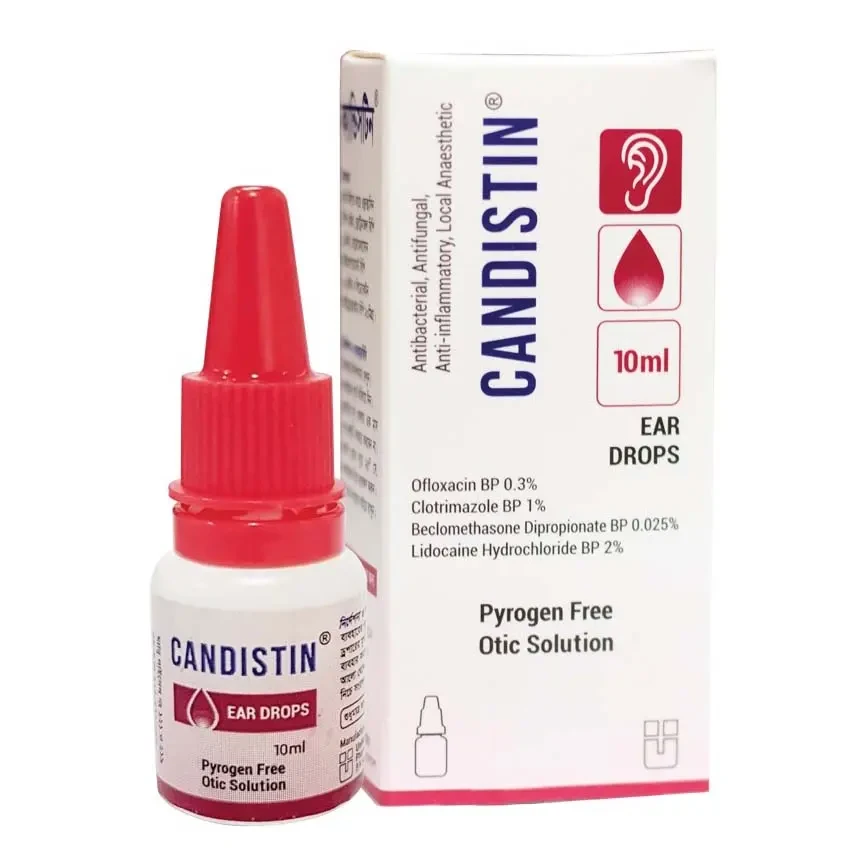
Introduction
The combination of Ofloxacin, Clotrimazole, Beclomethasone, and Lidocaine is used topically to treat a variety of infections and inflammatory conditions of the ear, such as otitis externa (outer ear infection). This combination utilizes an antibiotic, antifungal, corticosteroid, and local anesthetic to address the different aspects of the infection and its symptoms.
Uses
This combination medication is primarily used for:
- Treating external ear infections caused by bacteria and fungi (otitis externa).
- Relieving symptoms such as pain, itching, and inflammation associated with ear infections.
Mechanism of Action
The components of this combination work synergistically to address various aspects of the infection:
- Ofloxacin: A fluoroquinolone antibiotic that inhibits bacterial DNA gyrase and topoisomerase IV, essential enzymes for bacterial DNA replication and repair, leading to bacterial cell death.
- Clotrimazole: An antifungal that inhibits ergosterol synthesis in fungal cell membranes, disrupting membrane integrity and leading to fungal cell death.
- Beclomethasone: A corticosteroid that reduces inflammation by inhibiting the release of inflammatory mediators, thus decreasing swelling and pain.
- Lidocaine: A local anesthetic that blocks nerve signals in the area where it is applied, providing temporary relief from pain and discomfort.
How Long Does It Take to Work?
Relief from symptoms such as pain and itching can often be felt within a few hours of application. The full effect of the medication, including the resolution of the infection and inflammation, typically takes several days to a week, depending on the severity of the infection and the individual’s response to treatment.
Absorption
When applied topically to the ear, the systemic absorption of this combination is minimal. Each component acts locally at the site of application, minimizing systemic side effects and interactions.
Route of Elimination
The elimination routes of each component are as follows:
- Ofloxacin: Metabolized primarily in the liver and excreted mainly in the urine.
- Clotrimazole: Metabolized in the liver and excreted in the urine and feces.
- Beclomethasone: Metabolized in the liver with systemic elimination via urine and feces.
- Lidocaine: Metabolized in the liver and excreted in the urine.
Dosage
- Adults & Children: Instill 2-5 drops three to four times daily into the affected ear for 7-14 days.
- Otitis Externa with intact tympanic membrane: From age 06 months & older.
- Chronic Suppurative Otitis Media with perforated tympanic membrane: 12 years & older.
The dosage depends on the specific formulation and the severity of the infection. Typically:
- For ear infections, a few drops of the combination solution are applied into the affected ear canal 2-3 times daily.
Administration
Administer the medication by placing the prescribed number of drops into the affected ear canal. Tilt the head to allow the medication to reach deeper into the ear. Avoid touching the dropper tip to the ear to prevent contamination. Wash hands thoroughly after application.
Side Effects
Possible side effects include:
- Local irritation or burning sensation in the ear.
- Dryness or itching in the ear canal.
- Rarely, allergic reactions such as rash or swelling.
Toxicity
Toxicity is unlikely with topical application. However, excessive use or accidental ingestion can cause systemic effects. In case of significant adverse effects or symptoms of overdose, seek medical attention immediately.
Precautions
Precautions include:
- Avoid using if the eardrum is perforated or if there is a history of hypersensitivity to any of the components.
- Do not use for extended periods or in higher doses than recommended.
- Monitor for signs of allergic reactions or worsening of symptoms.
Interaction
Interactions with other medications are minimal due to the localized application. However, inform your healthcare provider of all other medications being used to manage potential interactions.
Disease Interaction
Use with caution in patients with:
- Pre-existing ear conditions such as a ruptured eardrum.
- Allergic reactions to any component of the medication.
Drug Interaction
Drug interactions are generally minimal due to the topical application. Be sure to inform your healthcare provider about other medications, including topical treatments, to avoid potential interactions.
Food Interactions
There are no known food interactions with this medication. It does not require adjustments based on food intake.
Pregnancy Use
The combination of Ofloxacin, Clotrimazole, Beclomethasone, and Lidocaine is classified as a Category C drug for pregnancy. This means that while animal studies may show risks, there are no well-controlled studies in humans. Use during pregnancy should be considered only if the potential benefits outweigh the risks. Consult a healthcare provider before use.
Lactation Use
Topical application is generally considered safe during lactation, as systemic absorption is minimal. Avoid applying the medication near the breast to prevent accidental ingestion by the infant. Consult a healthcare provider for personalized advice.
Acute Overdose
Acute overdose is unlikely with topical application. In case of excessive use or accidental ingestion, symptoms may include systemic effects such as gastrointestinal upset or central nervous system symptoms. Seek medical attention if an overdose is suspected.
Contraindication
Contraindications include:
- Known hypersensitivity to Ofloxacin, Clotrimazole, Beclomethasone, Lidocaine, or any other component of the formulation.
- Presence of a perforated eardrum or untreated fungal infections.
Use Direction
Apply the medication as directed by a healthcare provider. For ear infections, administer the prescribed number of drops into the affected ear canal and follow the recommended frequency. Do not use for longer than prescribed and avoid getting the medication in the eyes or mouth.
Storage Conditions
Store the medication at room temperature, away from direct light and moisture. Keep it out of reach of children. Do not use after the expiration date and discard any unused medication according to local regulations.
Volume of Distribution
The volume of distribution for this combination is not specifically characterized due to its topical application. The medication primarily acts locally at the site of application.
Half Life
The half-life of each component varies:
- Ofloxacin: Approximately 4-6 hours.
- Clotrimazole: Approximately 1-2 hours in systemic circulation.
- Beclomethasone: Approximately 15 hours.
- Lidocaine: Approximately 1.5-2 hours.
Clearance
Clearance rates vary by component:
- Ofloxacin: Primarily cleared through the kidneys.
- Clotrimazole: Cleared via liver metabolism and excretion in the urine and feces.
- Beclomethasone: Cleared through liver metabolism and urinary excretion.
- Lidocaine: Cleared by liver metabolism and excreted in urine.