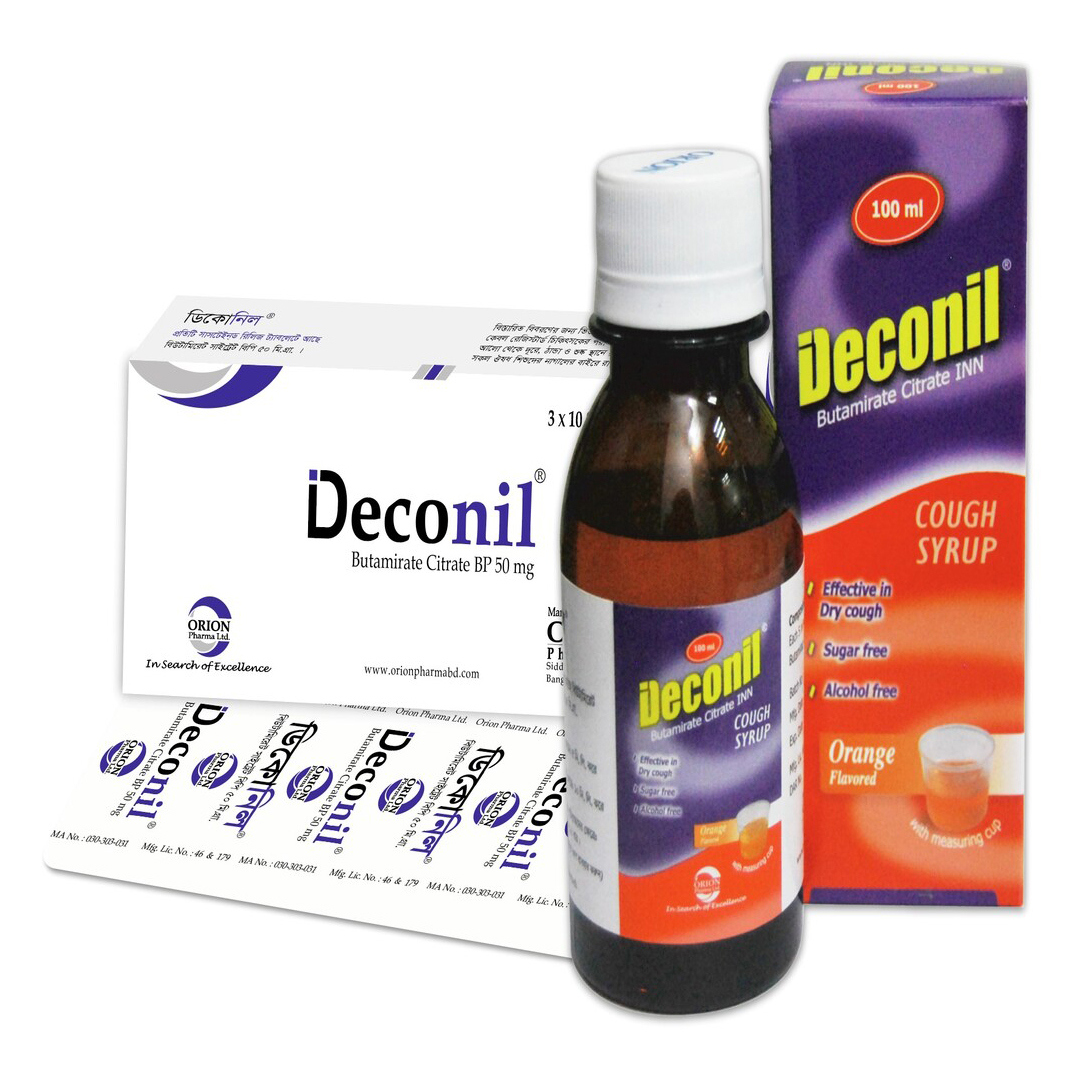
Introduction
Butamirate citrate is a centrally acting antitussive (cough suppressant) used to treat non-productive coughs. It is often prescribed when a cough is persistent and interferes with sleep or daily activities. Butamirate citrate is known for its non-narcotic nature, making it a preferable option over traditional opioid-based cough suppressants.
Uses
Butamirate citrate is used primarily for:
- Treating dry, non-productive coughs associated with respiratory infections or irritations.
- Managing coughs that are unresponsive to other non-narcotic cough treatments.
Mechanism of Action
Butamirate citrate works by suppressing the cough reflex through central action on the medullary cough center in the brain. It reduces the frequency and intensity of coughing without causing sedation or affecting respiratory function significantly, which is common with narcotic cough suppressants.
How Long Does It Take to Work?
The onset of action for butamirate citrate typically occurs within 30 to 60 minutes after oral administration. The duration of effect can vary but usually lasts for several hours, providing relief from coughing during this period.
Absorption
Butamirate citrate is well absorbed from the gastrointestinal tract following oral administration. Peak plasma concentrations are generally achieved within 1 to 2 hours after ingestion.
Route of Elimination
Butamirate citrate is primarily metabolized in the liver. The drug and its metabolites are then excreted predominantly via the urine. The majority of the drug is eliminated through renal pathways.
Dosage
Use in adult:- Burat CR Tablet (Sustained Release) 50 mg 50 mg tablet: 2-3 tablets daily.
- Burat CR Tablet (Sustained Release) 50 mg syrup: 15 ml 4 times daily.
Burat CR Tablet (Sustained Release) 50 mg 50 mg tablet:
- Adolescent over 12 years old: 1-2 tablets daily.
- Children (3-6 yrs): 5 ml 3 times daily.
- Children (6-12 yrs): 10 ml 3 times daily.
- Adolescent: 15 ml 3 times daily.
- Children ( 2 months- 1 yrs): 0.50 ml 4 times daily.
- Children (1-3 yrs): 0.75 ml 4 times daily.
The dosage of butamirate citrate varies depending on the formulation and the patient's age:
- For adults: The typical dose is 100-200 mg taken orally 3 times daily.
- For children: Dosage is weight-based and should be determined by a healthcare provider, often ranging from 5-10 mg/kg/day divided into multiple doses.
Administration
Butamirate citrate is administered orally in the form of tablets, capsules, or liquid solutions. It is important to follow the prescribed dosage and administration instructions provided by a healthcare provider.
Side Effects
Common side effects of butamirate citrate include:
- Drowsiness or dizziness.
- Gastrointestinal disturbances such as nausea or abdominal discomfort.
- Allergic reactions like rash or itching (rare).
Toxicity
Toxicity from butamirate citrate is rare but can occur if taken in excessive amounts. Symptoms of overdose may include severe drowsiness, nausea, vomiting, and gastrointestinal upset. In such cases, seek medical attention immediately.
Precautions
Precautions include:
- Use with caution in patients with liver impairment, as it may affect drug metabolism.
- Monitor for potential interactions with other central nervous system depressants.
- Ensure appropriate dosage adjustments for children and elderly patients.
Interaction
Butamirate citrate may interact with other medications, particularly:
- Central nervous system depressants, which may enhance drowsiness.
- Medications that affect liver function, which can alter butamirate metabolism.
Disease Interaction
Use with caution in individuals with:
- Liver disease, as it may affect the metabolism of the drug.
- Respiratory conditions where cough reflex suppression might be contraindicated.
Drug Interaction
Potential drug interactions include:
- Other cough suppressants or sedatives, which may increase side effects.
- Medications that impact liver enzyme activity, which could alter butamirate metabolism.
Food Interactions
There are no specific food interactions with butamirate citrate. However, taking it with food may reduce gastrointestinal upset. It is advisable to follow the instructions provided by a healthcare provider regarding food intake.
Pregnancy Use
Butamirate citrate is classified as a pregnancy Category C drug. It should only be used during pregnancy if the potential benefits outweigh the risks. Consult a healthcare provider for individualized advice.
Lactation Use
The safety of butamirate citrate during lactation is not well-established. It is important to consult a healthcare provider before using this medication while breastfeeding to weigh potential risks and benefits.
Acute Overdose
Acute overdose of butamirate citrate may cause severe drowsiness, nausea, and vomiting. In cases of suspected overdose, seek medical attention immediately to manage symptoms and prevent complications.
Contraindication
Butamirate citrate is contraindicated in individuals with:
- Hypersensitivity to butamirate citrate or any of its components.
- Active or recent respiratory infections where cough suppression might be harmful.
Use Direction
Follow the prescribed dosage and administration instructions carefully. Take butamirate citrate exactly as directed, and do not exceed the recommended dose. Consult a healthcare provider if symptoms persist or if there are any concerns regarding the medication.
Storage Conditions
Store butamirate citrate at room temperature, away from moisture and heat. Keep it in its original container and out of reach of children. Ensure the container is tightly closed to maintain efficacy.
Volume of Distribution
The volume of distribution of butamirate citrate is not well-documented in the literature. However, it is distributed throughout the body after oral administration, with concentrations primarily in the tissues where cough reflex suppression occurs.
Half Life
The half-life of butamirate citrate is approximately 6 to 8 hours. This duration can vary based on individual patient factors, including liver function and overall health.
Clearance
Butamirate citrate is primarily cleared through renal excretion after liver metabolism. The rate of clearance can be affected by liver function and renal health, which may require dose adjustments in affected patients.