| Generic Name | Betacarotene + Vitamin C + Vitamin E |
|---|---|
| Bangla Name | বিটা-ক্যারোটিন + ভিটামিন সি + ভিটামিন ই |
| Available brands | 59 |
Frequently Asked Questions About Betacarotene + Vitamin C + Vitamin E
1. What is Betacarotene + Vitamin C + Vitamin E?
It is a combination of antioxidants that help protect the body from oxidative stress, support immune function, and promote overall health.
2. What are the benefits of this combination?
It provides:
- Strong antioxidant protection
- Support for skin and eye health
- Immune system enhancement
- Cell protection against free radicals
3. How does Betacarotene work in the body?
Betacarotene is a provitamin A compound that converts into vitamin A, supporting vision, skin health, and immune function.
4. Why is Vitamin C important?
Vitamin C boosts the immune system, promotes collagen production, and enhances iron absorption.
5. What role does Vitamin E play?
Vitamin E protects cells from oxidative damage and supports skin and cardiovascular health.
6. How is this supplement commonly used?
It is taken as a dietary supplement to improve overall health and prevent vitamin deficiencies.
7. Who should take Betacarotene + Vitamin C + Vitamin E?
It is beneficial for:
- People with vitamin deficiencies
- Individuals exposed to environmental pollutants
- Smokers (who need extra antioxidants)
- People looking to support skin, eye, and immune health
8. What is the recommended dosage?
Dosage varies, but commonly:
- Betacarotene: 5-25 mg per day
- Vitamin C: 500-1000 mg per day
- Vitamin E: 100-400 IU per day
9. Can I take it on an empty stomach?
It is best taken with food to improve absorption, especially for fat-soluble vitamins like Betacarotene and Vitamin E.
10. Does it help with skin health?
Yes, it protects against UV damage, reduces wrinkles, and promotes skin healing.
11. Can it improve eye health?
Yes, it helps prevent age-related macular degeneration (AMD) and supports vision.
12. Is this supplement good for heart health?
Yes, it helps reduce oxidative stress, which may lower heart disease risk.
13. Does this combination help in wound healing?
Yes, Vitamin C plays a crucial role in collagen formation, aiding faster wound healing.
14. Can I take it if I am pregnant?
Consult your doctor before use, as high doses of Betacarotene may not be suitable during pregnancy.
15. Is it safe for children?
Yes, but the dosage should be lower and prescribed by a doctor.
16. Does it boost the immune system?
Yes, Vitamin C enhances immune function and helps fight infections.
17. Can it reduce inflammation?
Yes, Vitamin E and Betacarotene have anti-inflammatory properties.
18. What are the side effects of taking this supplement?
Possible side effects include:
- Upset stomach
- Diarrhea
- Headache
- Skin discoloration (if excess Betacarotene is taken)
19. Can I take it with other multivitamins?
Yes, but be cautious of exceeding recommended daily vitamin intake.
20. Does it help with sun protection?
Yes, Betacarotene can reduce sun sensitivity, but it does not replace sunscreen.
21. Can I take it with Vitamin D?
Yes, there is no major interaction.
22. Is it beneficial for smokers?
Smokers should avoid high doses of Betacarotene, as it may increase lung cancer risk.
23. Does this supplement help with hair growth?
Yes, Vitamin E and Vitamin C contribute to hair health by improving circulation and collagen formation.
24. Can it help reduce wrinkles?
Yes, it fights oxidative stress and improves skin elasticity.
25. Is it good for bone health?
Vitamin C supports collagen in bones, but it does not replace calcium and Vitamin D.
26. Can I take this if I have diabetes?
Yes, but consult your doctor, as Vitamin C may affect blood sugar levels.
27. Does it help with brain health?
Yes, antioxidants may reduce the risk of cognitive decline.
28. Can I take it if I have kidney disease?
Consult your doctor, as excess Vitamin C may increase the risk of kidney stones.
29. Can it be used for acne treatment?
Yes, it helps reduce inflammation and promotes skin healing.
30. Does it support lung health?
Yes, antioxidants help reduce oxidative damage in the lungs.
31. Can I take it daily?
Yes, but follow recommended doses.
32. Can I overdose on Betacarotene + Vitamin C + Vitamin E?
Yes, high doses may cause toxicity symptoms.
33. Does it help with allergies?
Yes, Vitamin C can reduce histamine levels.
34. Can I take it for arthritis?
Yes, antioxidants may help reduce joint inflammation.
35. Is it safe for long-term use?
Yes, within recommended limits.
36. Does it improve blood circulation?
Yes, Vitamin E supports cardiovascular health.
37. Can I take it with iron supplements?
Yes, Vitamin C enhances iron absorption.
38. Does it prevent colds?
Vitamin C may reduce the duration of colds.
39. Can I take it with antibiotics?
Yes, but consult your doctor for interactions.
40. Is it safe for elderly people?
Yes, it helps prevent oxidative stress.
41. Can it cause weight gain?
No, it does not cause weight gain.
42. Can it improve fertility?
Yes, antioxidants may help sperm and egg health.
43. Does it help with muscle recovery?
Yes, Vitamin C aids in tissue repair.
44. Can I take it if I have high blood pressure?
Yes, but consult your doctor.
45. Does it help with anemia?
Vitamin C enhances iron absorption, which can help anemia.
46. Can I take it before surgery?
Consult your doctor, as Vitamin E may affect blood clotting.
47. Can I take it if I have liver disease?
Yes, but high doses should be avoided.
48. Does it interact with blood thinners?
Vitamin E may increase bleeding risk when taken with blood thinners.
49. Can I take it with caffeine?
Yes, there is no major interaction.
50. Is it safe for breastfeeding mothers?
Yes, but consult your doctor for proper dosage.
Medical review
This is general information, not personal medical advice. Consult a doctor before taking any medicine.
Taking medicines without doctor's advice can cause long-term problems.
Brand medicines containing Betacarotene + Vitamin C + Vitamin E


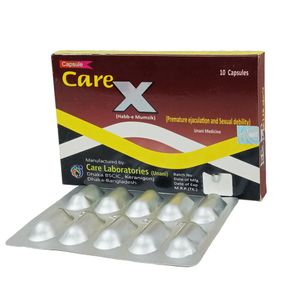

EC+
Tablet 6 mg+200 mg+50 mg
Orion Pharma Ltd.
Unit Price: ৳ 3.50 (1 x 30: ৳ 105.00) Strip Price: ৳ 105.00
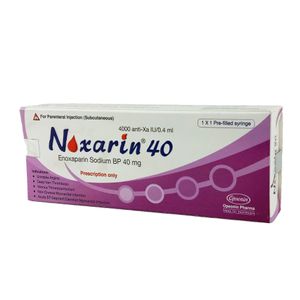

Race
Tablet 6 mg+200 mg+50 mg
Ibn Sina Pharmaceuticals Ltd.
Unit: ৳ 3.00 (1 x 20: ৳ 60.00) Strip: ৳ 60.00

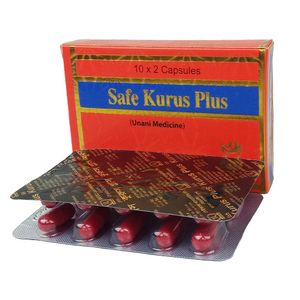

Vitaforce
Tablet 6 mg+200 mg+50 mg
Biopharma Laboratories Ltd.
Unit: ৳ 3.00 (1 x 20: ৳ 60.00) Strip: ৳ 60.00

Zest
Tablet 6 mg+200 mg+50 mg
Jayson Pharmaceuticals Ltd.
Unit: ৳ 4.00 (5 x 10: ৳ 200.00) Strip: ৳ 40.00